Merck and Bellus Health are competing to introduce the new first-in-class treatment for sensory-related diseases/disorders.
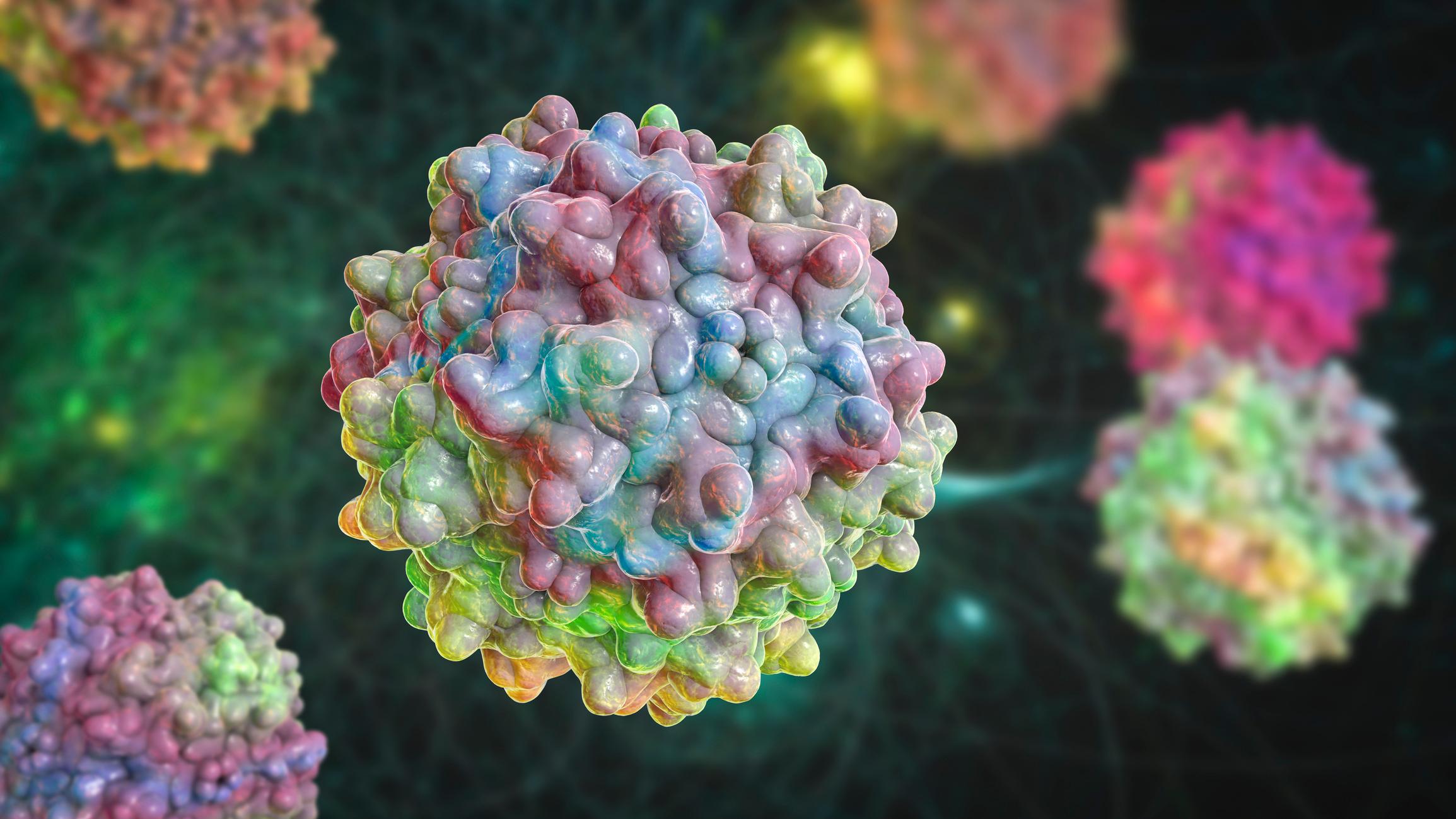
At a recent R&D update, Merck discussed, along with its leading novel drugs Keytruda, Lynparza and Lenvima, a new small molecule program in sensory pathology. The candidate of particular interest is MK-7264 (gefapixant), a P2X3 antagonist. Blocking this receptor, which is highly localized on afferent neurons, can address sensory related-conditions including paint, itch and even hypertension and urinary urgency. The company’s P2X3 platform was obtained via the acquisition of Afferent Pharma in 2016. Merck plans to initially develop a treatment for chronic cough, then move into endometrial-related pain, sleep apnea and other sensory-related functions.
It has some competition, however. The small Canada-based biotech firm Bellus Health is developing BLU-5937, which some analysts believe could be the best-in-class P2X3 antagonist.
Merck is in the lead right now, with a phase III clinical trial in chronic cough already underway. Bellus will be initiating a phase II study in chronic cough later in 2019, with top-line results expected in mid-2020. Bellus notes that, while Merck is further down the clinical path, it has also found that 80% of patients on gefapixant report taste alteration or loss of taste, which could impact its use. Bellus’ BLU-5937 is more selective and should not have this side effect.
Other companies developing P2X3 blockers include Bayer and Shionogi.