The Patent Landscape and its Implications: Cell and Gene Therapies
Jun 1, 2026NI-06-26-04
Key Takeaways
Advanced therapy IP value is primarily driven by Composition of Matter patents because they offer the most robust legal protection for innovator drugs and therapeutic platforms.
The United States maintains global market dominance in the cell and gene therapy landscape because it leads with approximately 2,700 CAR-T filings and 7,910 gene therapy patents.
Non-viral gene delivery has emerged as a major technological contender because it now accounts for 21% of all gene therapy patent filings, placing it on par with AAV-based (Adeno-associated virus) delivery systems.
Cell therapy development cycles average 15 years — significantly longer than the 8.5-year average for standard pharmaceuticals — which necessitates the strategic use of patent life extensions for commercial viability.
Artificial Intelligence (AI) and Machine Learning (ML) are critical for stem cell manufacturing because these digital tools reduce production variability in reprogramming and differentiation procedures.
1.1 As one would expect from a growing and innovating industry, the patent landscape for cell therapies is very active. A summary of some common categories for CAR-T patents and some examples is given in Table 1. CAR-T therapies can be protected by three general types of intellectual property (IP) strategy. Composition of matter patents are often considered the most valuable by investors, but by no means are the only method of protecting a CAR-T therapy. Because CAR-T are autologous, the manufacturing process is complex and, therefore, is often a critical hurdle in bringing such a therapy to market. For this reason, process inventions and the patents to protect them can be extremely valuable. Contrary to some layman’s discussions in the field, each CAR-T is manufactured by a slightly different process, and has yet to achieve the status of a true platform.1
1.2 Method of treatment (MoT) patents are less often used for innovator drugs and more typically employed for repurposed drugs such as Viagra and Rituxan, but these two examples demonstrate that an effective MoT patent can be extremely useful.1
1.3 Patents are valid for 20 years, but pharmaceuticals often require a significant portion of the patent life for development. A recent study found that the average pharmaceutical required 8.5 years for development, and cell therapies required an average of 15 years.2 To support innovation, many jurisdictions allow extensions of the patent life.3 The U.S. for example, allows for 15 years from first market authorization and an additional extension up to 5 years.3
1.4 To use the patent life of the product most effectively, drug developers generally attempt to stage the IP strategy with the development life cycle. For example, patents covering a novel target are filed early in development, while process patents are filed during the early manufacturing. MoT patents, if applicable, can be applied when the drug has already shown promise in clinical trials.3
1.5 A recent survey of the CAR patent landscape found 12,431 patents on CAR-T, 420 on CAR-NK, and 125 on TCR-T.[4] (Note: the researchers were focusing on CAR-T, so CAR-NK and TCR-T may be underrepresented.) The top assignees of CAR-T patent applications are listed in Table 2. Until 2015, there were fewer than 300 total patents filed, but over 500 patents were filed annually between 2015 to 2019. The explosion of patents after 2015 coincides with regulatory changes in the U.S. and Europe to create a regulatory guidance and establish a regenerative medicine advanced therapy (RMAT) designation.5
1.6 Because the first CAR-T patent was filed in the U.S. in 2008, it is perhaps not surprising that the U.S. leads the world in CAR-T patent filings (approximately 2,700 in 2019), followed distantly by China (approximately 900 in 2019), and then by France, Switzerland, and the United Kingdom (approximately 300 each in 2019).4 The top 20 inventors are headquartered in the U.S., UK, and France. Commercial entities account for nearly two-thirds of all the assignees (Figure 1). The authors found the landscape is dominated by public–private partnerships, such as the ongoing collaborations between Novartis and the University of Pennsylvania.4 The top markers identified in the patent literature were CD19, BCMA, and CD20, indicating the strong focus for CAR-T therapies on cancer. In fact, nearly all the top 20 biomarkers were cancer biomarkers.4
1.7 The patent landscape covering stem cell technologies tells a similar story as the CAR-T literature, with the exception that stem cell patents interact more heavily with government policy, especially human embryonic stem cells (ESCs).5 The total number of granted patents was only around 100 in 2020, although it continues to grow steadily, and the total number of applications has been increasing steadily since 2012.5 The field gained momentum in 2012 when the Nobel Prize in Physiology or Medicine was awarded to Gurdon and Yamanaka for the successful reprogramming of mature cells to make them pluripotent.6 The top assignees of stem cell patents are given in Table 3.
1.8 As with CAR-T, the major filing entity (applications and grants) is the U.S. Patent and Trademark Office, with about 600 filings in 2020, followed distantly by the European Patent Office with about 300 in 2020.5 Assignees are evenly split between academia, pharma, and individual inventors, indicating that stem cell therapies are also a result of public–private collaborations, including many of the same players in the CAR-T space.
1.9 Types of protected technology in the stem cell space overlap significantly with the discussion above regarding CAR-Ts: novel targets and manufacturing processes are critical. Stem cell manufacturing, however, has been hampered even more than CAR-Ts by variability in some stages of manufacturing. Artificial intelligence and machine learning (AI/ML), therefore, have the potential to play a big role in the advancement of stem cell therapies. These technologies are well-suited to analysis of cell images and linking the visual images to process outcomes for development of more robust reprogramming and differentiation procedures. These concepts are patent-eligible, so AI/ML patents may increase in the literature regarding stem cell therapies.7
1.10 When patents for blockbuster drugs expire, there is an incentive for biosimilar development. Some key patents in the field of CAR-T were filed in the early 2000s and are set to expire in the next 5–10 years.4,8 It will be interesting to see if these patent expiries spur development of CAR-T biosimilars, as the expiries of blockbuster biologics therapeutics have.
1.11 Lessons from the much more straightforward development of biosimilars for biologics will inform the regulatory guidance and technical development of potential advanced therapy biosimilars. Development of biologics biosimilars revealed inconsistencies within the innovator products, and we expect the same trend to occur with advanced therapies. The regulatory landscape for advanced therapies is still developing, and experts expect that additional clarity on topics such as manufacturing, stability, testing, and starting materials will be needed for advanced therapy biosimilars to be developed.9
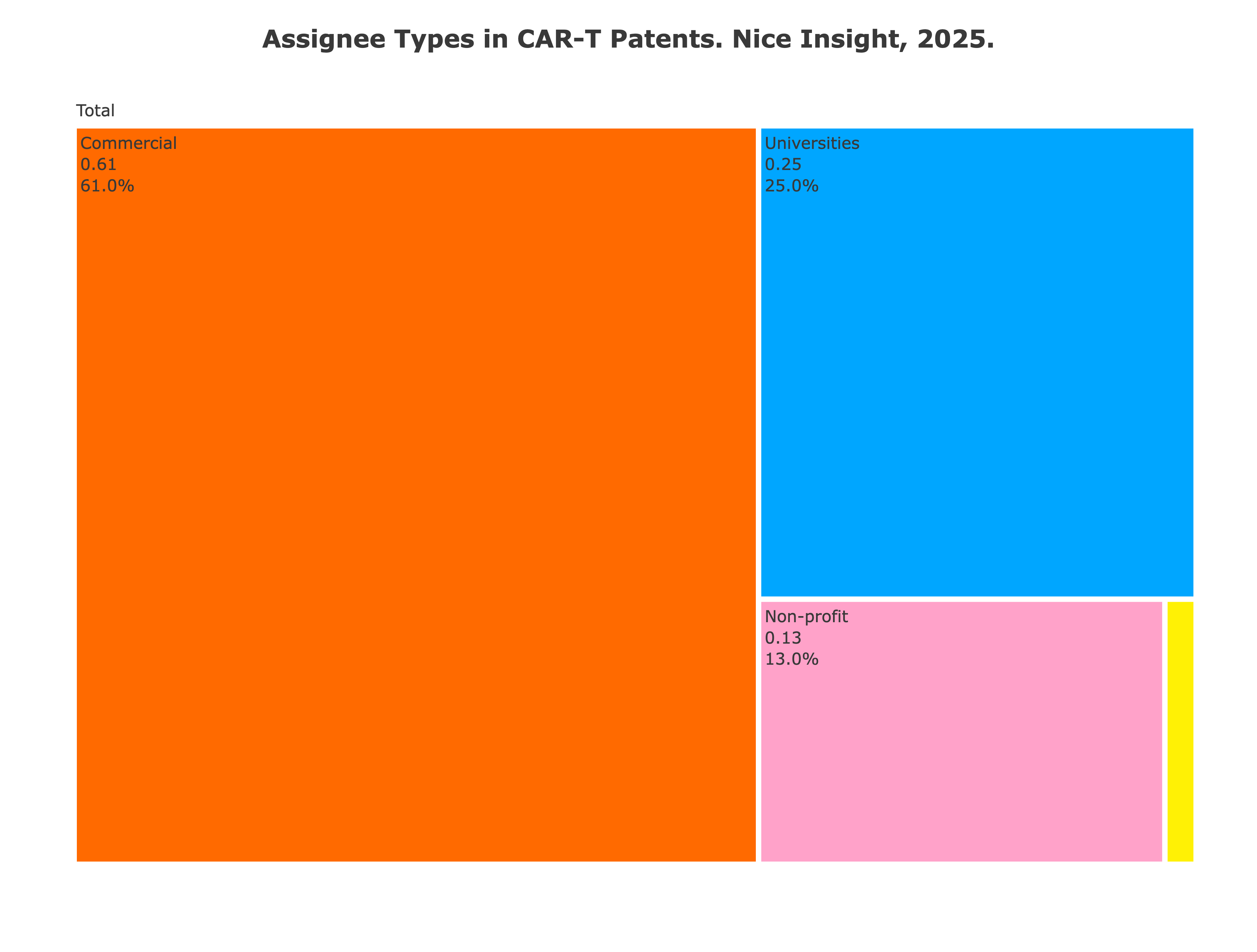 Figure 1. Assignee Types in CAR-T Patents
The assignee type of patent filings is presented. Data reproduced from Lyu., et al.4
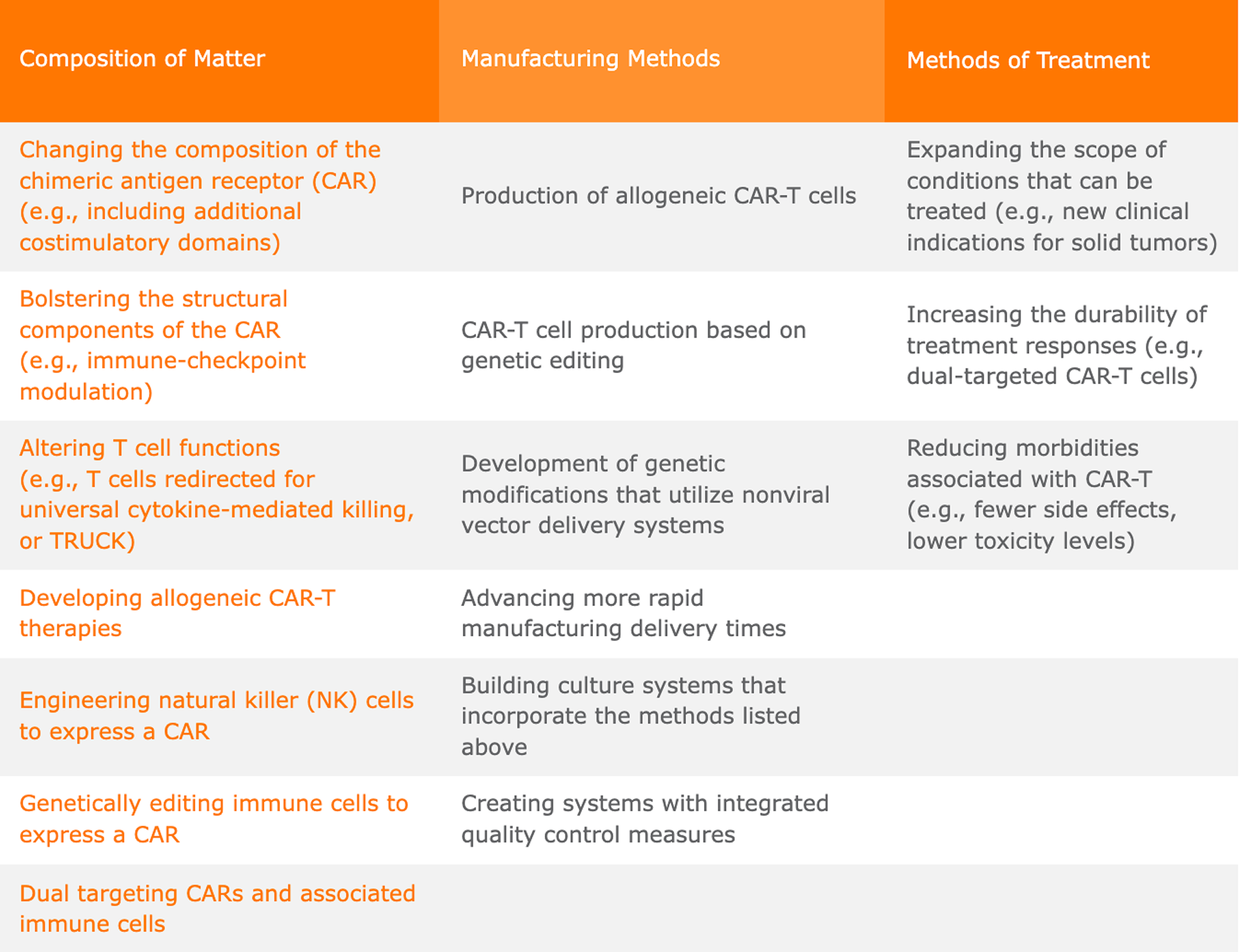 Source: Smith and Cowin1
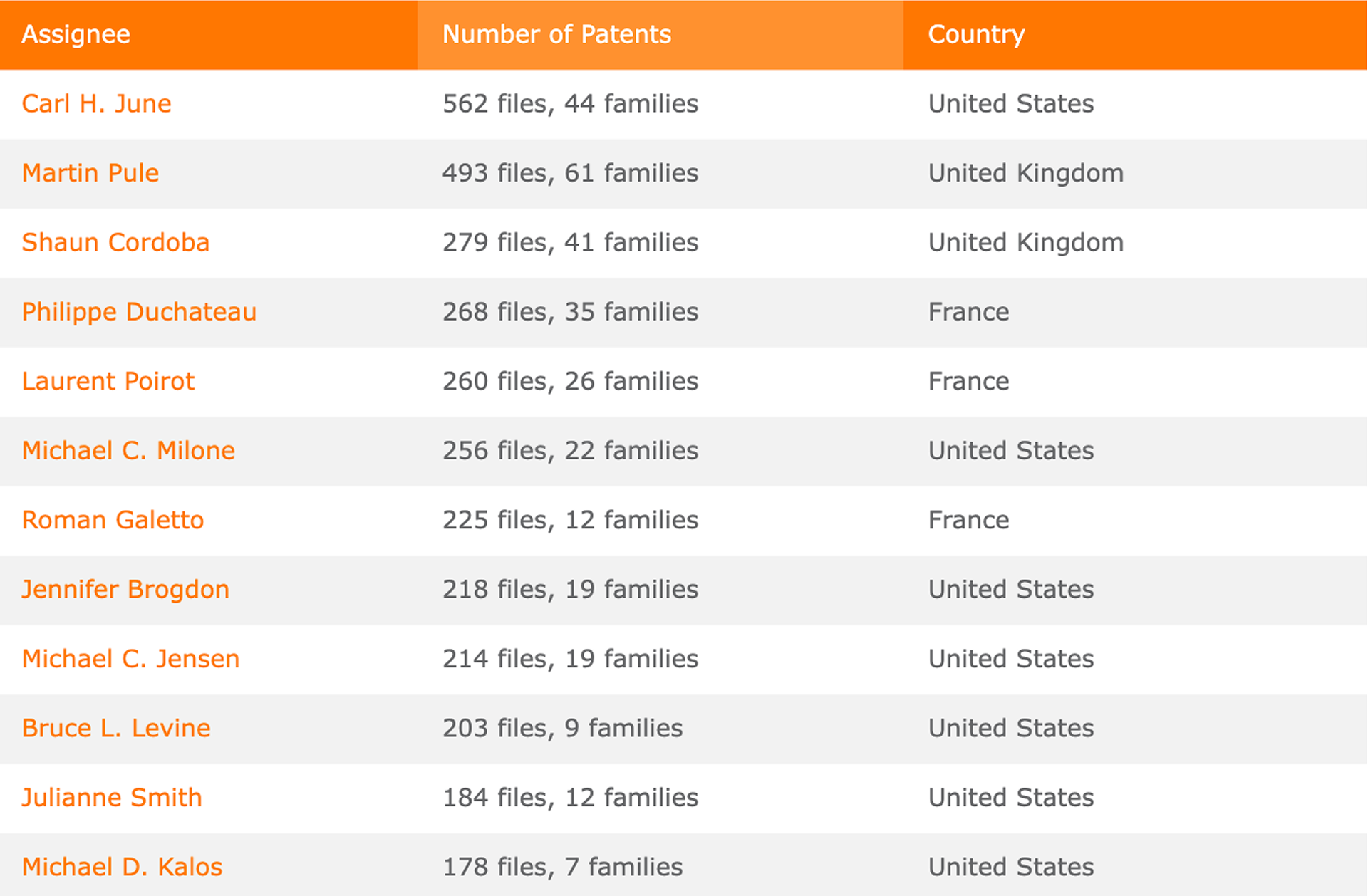 Source: Lyu, Liyang et al.4
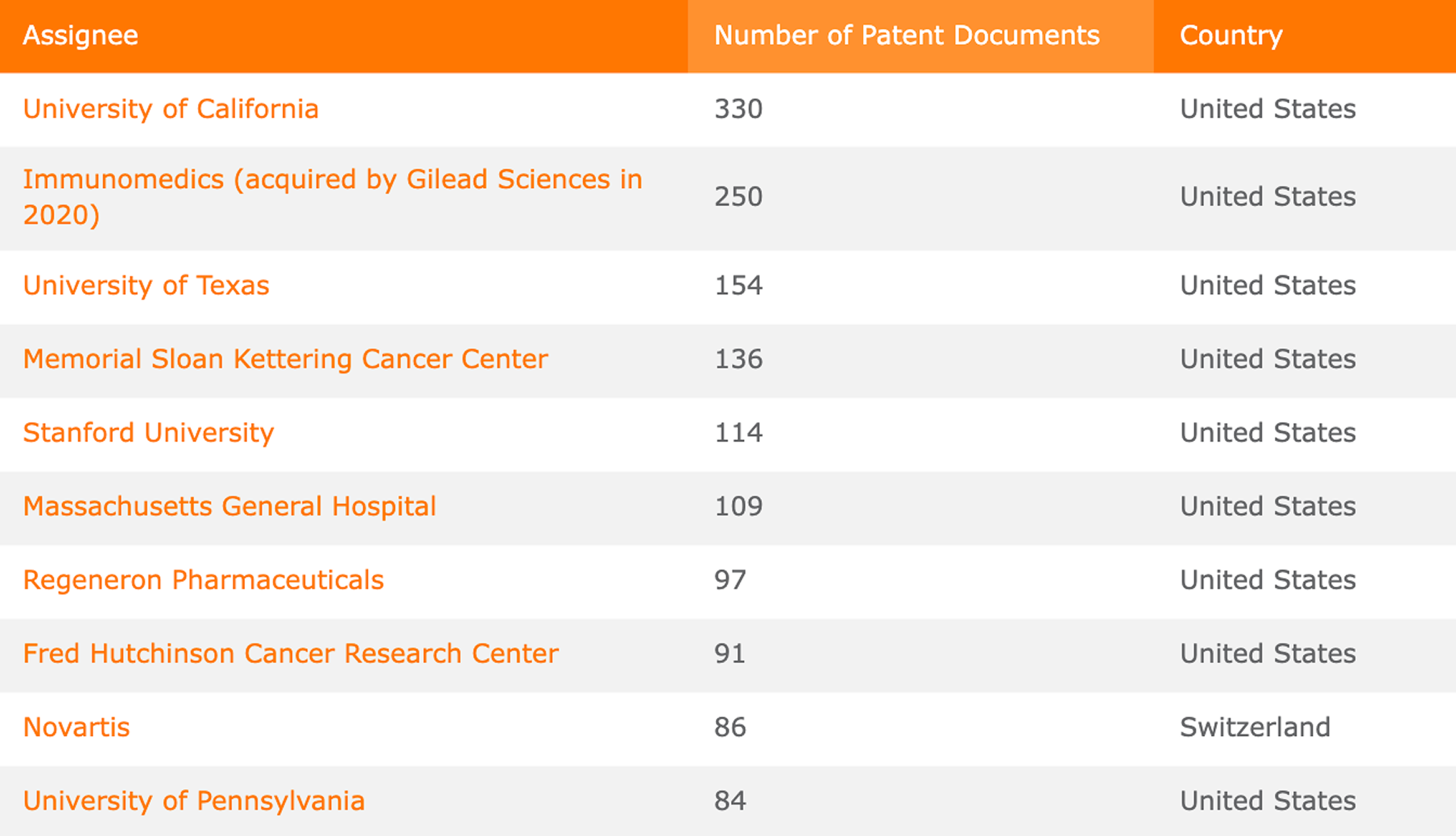 Source: Hernández-Melchor et al.5
2.1 As one would expect from a growing and innovating industry, the patent landscape for gene therapies is, of course, very active. The number of patents filed over time has fluctuated in accordance with the cycles of gene therapy successes and failures described in our history section above, and mimics the patterns observed in the number of clinical trial starts. A stagnate period ensued following the tragic death of clinical trial participant Jesse Gelsinger in 1999. However, the discovery of CRISPR and later EMA approval of alipogene tiparvovec (Glybera) in 2012 spurred a renewed trend of increasing numbers of patents filed annually, and as of 2018, over 2,000 patent families were being filed consistently each year.10
2.2 As of 2021, the U.S., China, Japan, South Korea, and the UK account for 87% of the world’s patents in gene therapies (Figure 2).
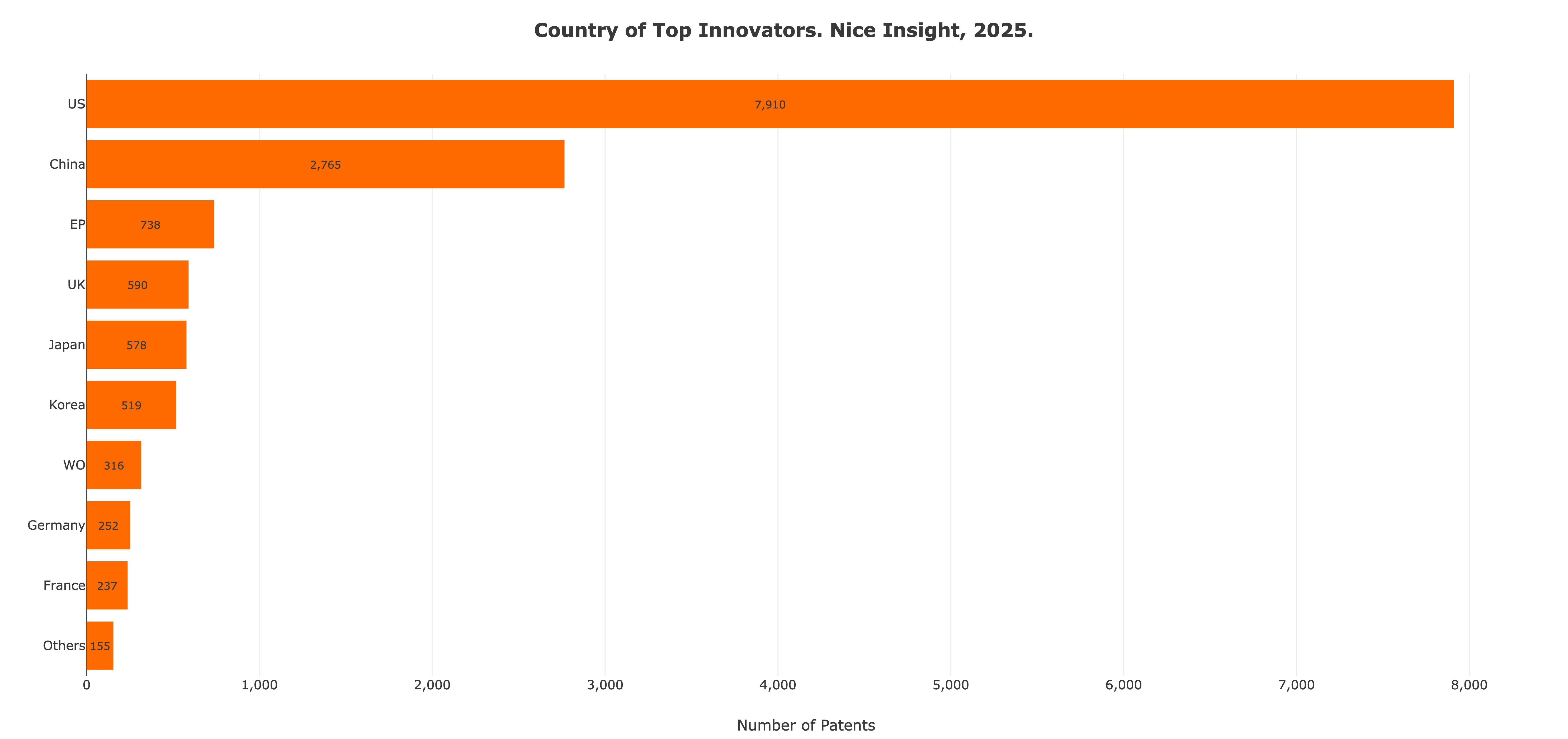 Figure 2. Geographical Distribution of Gene Delivery Patents
The originating country of gene delivery patent filings is presented. Vectors include: Adenovirus, Adeno-associated virus, Retrovirus vectors, Lentivirus, Herpes viruses, and non-viral.Data reproduced from Zhou and Wang, 2021.10
2.3 The top sponsoring organizations of patents are reflected in the top sponsors of clinical trials, with Ionis Pharmaceuticals and Bayer being the top innovators. The top vectors named in patents, however, reflect the historical focus on adenovirus, even though the current trial landscape is more focused on AAV and lentiviral vectors (Figure 3). As of 2021, only 22% (10,616) of all gene therapy patents remained alive, indicating that innovation is proceeding rapidly, and new technologies are rapidly replacing old ones.10
2.4 A simple survey of the number of patents filed within the gene therapy space doesn’t paint an accurate picture, however. The invention of CRISPR was followed by litigation between inventors of different aspects of the technology, and is still not entirely resolved. The lawsuit, filed in 2016, disputed invention and therefore ownership of the technology.11 Although the final ruling in 2020 enabled the Nobel committee to attribute the invention to Emmanuelle Charpentier and Jennifer Doudna for the 2020 Nobel Prize in Chemistry,12 ongoing licensing disputes are not resolved, and another challenge to the underlying ownership has been filed.13
2.5 The muddied view of gene therapies may continue, as demonstrated by the January 2024 decision in the case of REGENXBIO vs. Sarepta Therapeutics. In this decision, the judge ruled “that the mere fact of combining certain natural products — such as isolated, naturally occurring AAV sequences and a heterologous non-AAV sequence — and putting them into a cultured host cell, without some change, does not give rise to a patent eligible invention under 35 U.S.C. § 101.”14 The parties have since agreed to temporarily stay the litigation,15 but at least one group of patent lawyers fears the decision reduces protections for future innovators and can dampen the market.16 For now, at least, the gene therapy market is expected to grow, as the majority of developers appear to be forging ahead with clinical development while the different IP challenges play out in the courts.13
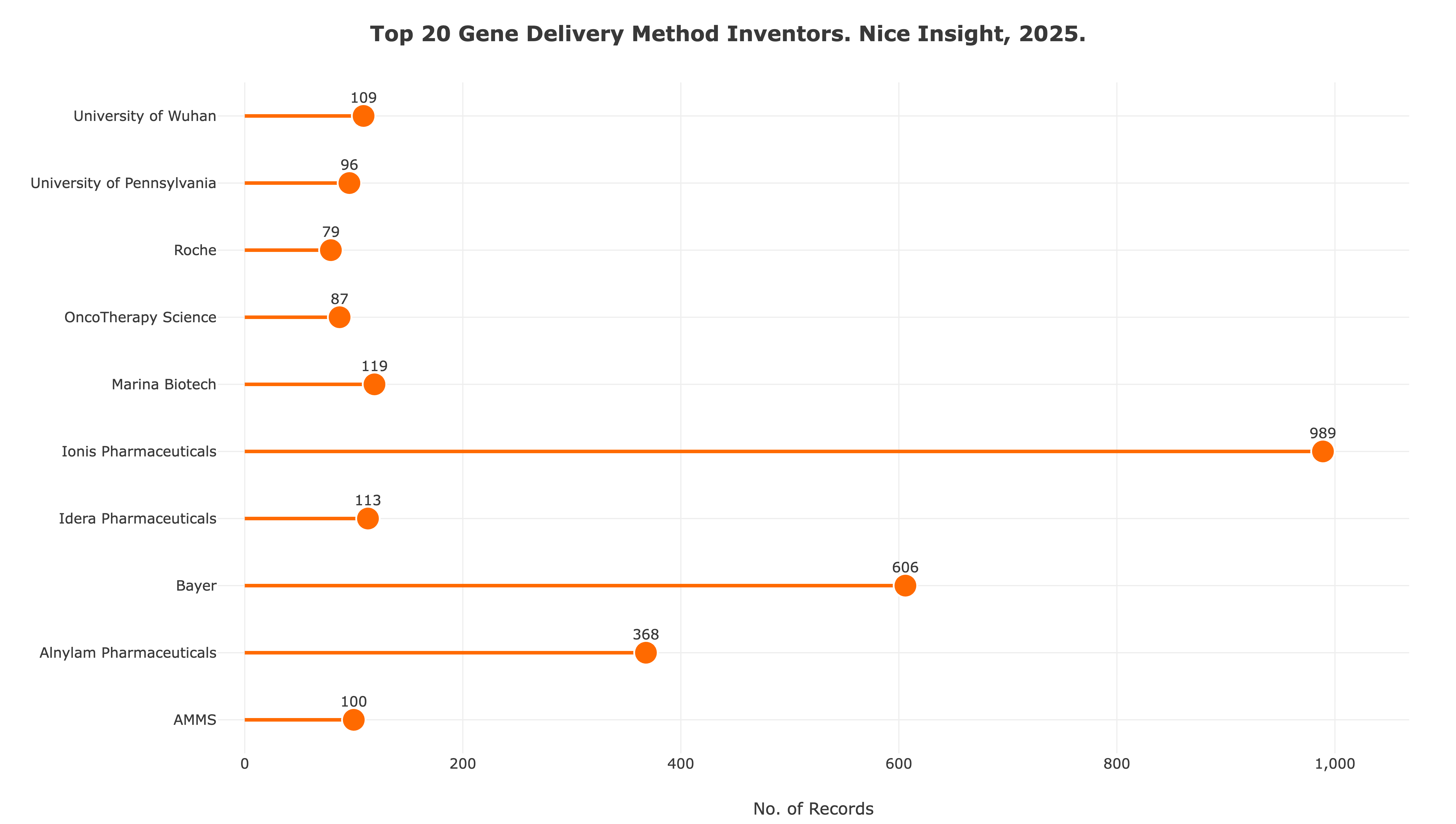 Figure 3. Top 10 Inventors Gene Delivery Methods
The number of patent records for each firm or entity is given. AMMS is the China Academy of Military Medical Sciences. Source: Zhou and Wang, 2021.10
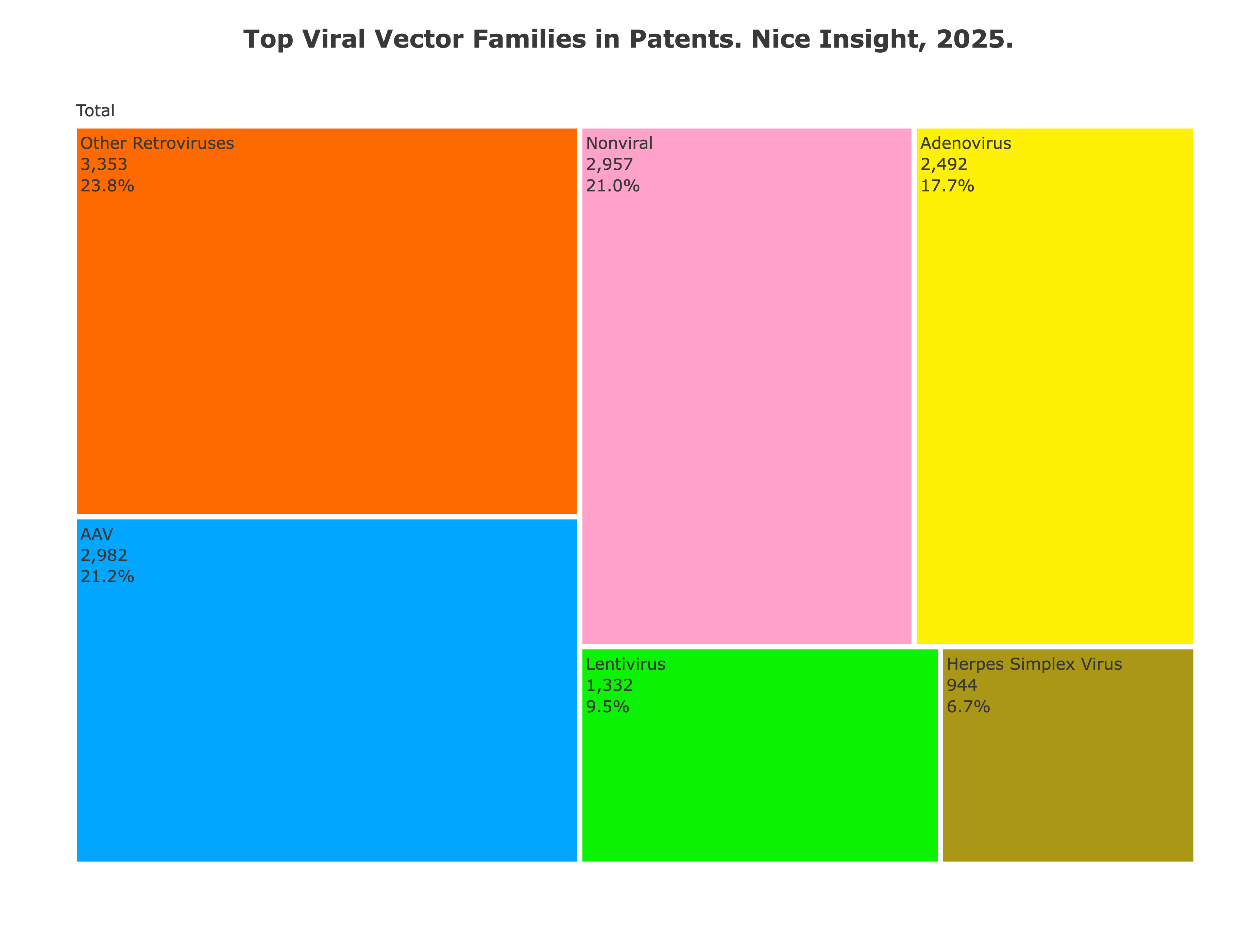 Figure 4. Top Gene Delivery Methods Named in Patent Records
The number of patent records including each gene delivery method is given. Source: Zhou and Wang, 2021.10
The primary challenges in securing CAR-T manufacturing patents involve the autologous nature of the cells, which prevents a "one-size-fits-all" platform designation. Because each therapy uses a slightly different process invention, developers must file specific process patents early in the development life cycle to protect complex manufacturing methods from competitors.
The RMAT (Regenerative Medicine Advanced Therapy) designation serves as a regulatory catalyst that accelerates the explosion of patent filings. Since its establishment in the U.S. and Europe around 2015, annual CAR-T patent applications jumped from under 300 to over 500, signaling to investors a streamlined path toward market authorization.
Non-viral gene delivery is gaining traction because it offers a scalable alternative to traditional viral vectors like Adenovirus and Lentivirus. Currently making up 21% of patent filings, non-viral methods provide a distinct IP strategy that avoids the crowded patent families and litigation-heavy landscape associated with AAV-based and AAV sequence technologies.
Artificial Intelligence reduces stem cell manufacturing variability by utilizing machine learning algorithms to analyze cell images. By linking these visual datasets to process outcomes, AI/ML facilitates the development of robust reprogramming and differentiation procedures. These digital methodologies are patent-eligible, allowing firms to protect their unique automated manufacturing workflows.
Patent expiries of blockbuster CAR-T drugs from the early 2000s create an incentive for biosimilar development within the next 5–10 years. Developers are applying lessons from biosimilars to navigate the developing regulatory landscape, specifically regarding stability testing, starting materials, and analytical consistency required for advanced therapy market entry.
The CRISPR patent litigation remains unresolved despite the 2020 Nobel Prize attribution to Emmanuelle Charpentier and Jennifer Doudna. While the final ruling addressed certain invention aspects, ongoing licensing disputes and fresh challenges to underlying ownership continue to muddy the gene therapy landscape, complicating the IP strategy for new gene-editing innovators.
Smith, Cameron, and Prue Cowin. “CAR-T cell therapy: Creating an investible patent strategy in a crowded market.” FB Rice. 19 Sep. 2023.
Brown, Dean G. et al. “Clinical development times for innovative drugs.” Nat Rev Drug Discov. 21(11):793–794 (2022).
Smith, Cameron, and Prue Cowin. “CAR-T cell therapy: Manage your patent term to create an investible patent strategy.” FB Rice. 26 Sep. 2023.
Lyu, Liyang et al. “The global chimeric antigen receptor T (CAR-T) cell therapy patent landscape.” Nat Biotechnol. 38(12):1387–1394 (2020).
Hernández-Melchor, Dinorah, Esther López-Bayghen, and América Padilla-Viveros. “The patent landscape in the field of stem cell therapy: closing the gap between research and clinic.” F1000Research. 11:997 (2023).
The Nobel Prize in Physiology or Medicine 2012. Press release. The Nobel Assembly at Karolinska Institutet. 8 Oct. 2012.
Dahle, Oyvind. “Safeguarding AI Innovation in Stem Cell Therapy.” Foley & Lardner. 23 Oct. 2023.
Cowin, Prue, and Cameron Smith. “CAR-T cell therapy: Understanding the patent landscape.” FB Rice. 5 Oct. 2023.
Canter, Brian et al. “Introducing biosimilar competition for cell and gene therapy products.” JLB. 11(2):lsae015 (2024).
Zhou, Wuyuan, and Xiang Wang. “Human gene therapy: A patent analysis.” . 803:145889 (2021).
Cohen, Jon. “The latest round in the CRISPR patent battle has an apparent victor, but the fight continues.” Science. 11 Sep. 2020.
“Genetic scissors: a tool for rewriting the code of life.” The Nobel Prize in Chemistry 2020. The Royal Swedish Academy of Sciences. Accessed 9 Oct. 2024.
Schwaiger, Christoph. “Ongoing CRISPR Patent Dispute Complicates Licensing but Hasn’t Deterred Gene-Editing Investment.” BioSpace. 17 Jul. 2024.
Khan, Omar A. et al. “Recent Decision Raises Patent Eligibility Concerns Regarding Certain Gene Therapy-Related Inventions.” Advisory. WilmerHale. 11 Jan. 2024.
Blais, Elaine Herrmann. “REGENXBIO and Sarepta Agree to Stay Litigation Pending Outcome of Sarepta’s IPR Petition.” Blog. Goodwin Procter. 29 Mar. 2024.
Blais, Elaine Herrmann. “REGENXBIO and Sarepta Agree to Stay Litigation Pending Outcome of Sarepta’s IPR Petition.” Blog. Goodwin Procter. 29 Mar. 2024.