High Demand for Novel Small Molecules: The drug discovery industry remains robust, driven by a consistent and growing global demand for innovative small molecule therapeutics.
High-Throughput Screening & QbD: Modern discovery programs leverage High-Throughput Screening (HTS) and Quality-by-Design (QbD) frameworks to ensure rigorous pharmaceutical standards and efficacy.
Digitalization & Academic Collaboration: Success in the sector increasingly relies on advanced digitalization and strategic partnerships between industry leaders and academic institutions.
Accelerated Development Timelines: Developers are successfully navigating rising molecular complexity while meeting the industry's need for faster, more efficient drug development lifecycles.
Sustainability in Pharma Manufacturing: Emerging trends prioritize eco-friendly innovation, focusing on sustainable development processes and green manufacturing techniques for the next generation of therapeutics.
1 Fundamentals of Small Molecule Discovery and Development
1.1 With their smaller size of 20–100 atoms, and a molecular mass typically under one kilodalton, small molecule APIs can typically pass through cell membranes and act on specific proteins and other key bioactive molecules involved in cell signaling and other processes, acting as enzyme inhibitors and allosteric modifiers.[1] They can also interact with extracellular proteins, receptors on cell surfaces, and intracellular receptors.
1.2 Technology advances continue to change the way new small molecule APIs are discovered and developed. Increased knowledge of the genome, biological mechanisms, and disease pathways has enabled a shift from an empirical — and often serendipitous — approach to one that is target- based and driven by hypotheses developed from hard data.[2] In fact, a 2020 survey of the top 20 pharmaceutical companies ranked by R&D spending conducted by PerkinElmer found that nearly three quarters of the survey participants used target-based screening.[3] In addition, the top ten respondents dedicated over 80% of their activities to small molecule discovery, and nearly 80% of participants had active small molecule discovery programs.
1.3 These technologies are also making it possible for smaller companies to pursue the development and approval of small molecule drugs. Indeed, in 2021, small pharmaceutical companies accounted for 64% of the 36 small molecules (Figure 1) approved by the FDA as NMEs.[4] Furthermore, it is estimated that 80% of new molecular entities in the clinical pipeline have been introduced by small and emerging pharma companies.[5] These companies are also increasingly pursuing development of their molecules through late-stage clinical trials and commercialization, rather than licensing their technology to Big Pharma.
Figure 1. Innovators of NMEs Approved by the FDA in 2021
The innovators of the 50 NMEs that were approved in 20214 are categorized by the type of firm that submitted the NME. Data analysis by Nice Insight, November 2025.
1.4 High-throughput experimentation, which leverages robotics and miniaturized laboratory equipment, has increased the capacity to evaluate new molecules, while state-of-the-art digital tools, including artificial intelligence (AI) and machine learning (ML), are making it possible to analyze huge quantities of disparate forms of data. The information includes not only the data generated in high-throughput studies, but also patient data for marketed drugs, further expanding the knowledge base and accelerating discovery and development. In silico investigations using advanced modeling techniques reduce the need for animal testing while providing greater insights.
1.5 As the complexity of small molecule APIs increases and the development of targeted therapies remains the primary focus, collaboration and cooperation among diverse stakeholders — from pharma companies and their suppliers to academic groups, research institutes, and government organizations — will be essential for increasing the successful development of novel drugs, including those based on small molecules.[6] One positive outcome of the COVID-19 pandemic may be an increase in the level of cooperation among these entities.
1.6 The goal today is to “fail fast” and only advance APIs with the greatest likelihood of reaching the market. Going forward, an even better understanding of disease mechanisms and patient heterogeneity, as well as more effective methods for characterizing targets and pathways early in development programs, is needed to ensure the development of optimal candidates. Better models for predicting safety and efficacy are also required.[6] It is also important that all types of therapeutic agents — small and large molecules — and combinations thereof should be considered as treatment regimens. This approach leverages the multiple mechanisms of action that the therapies represent. Current innovation efforts are focused not only on drug substances, but on targets and mechanisms, and include efforts to repurpose existing small molecule APIs. The application of AI and ML to new types of chemistry has the potential to lead to truly novel small molecule APIs that address the hundreds of targets that are currently considered undruggable. The value of the global small molecule drug discovery market grew at a CAGR of 10.3% from $52.4 billion in 2022 to $57.1 billion in 2023 and is expected to reach $82.6 billion in 2027 at a CAGR of 9.5%.[7] This growth is in part due to efforts to develop treatments for COVID-19. Target identification and validation will hold the largest market share and include genetic interaction, direct biochemical interaction, and computational interference methods. Top targets include kinases (soluble enzyme kinases, receptor kinases), other non- kinase and non-protease enzymes, G protein– coupled receptors, and protein–protein [3]
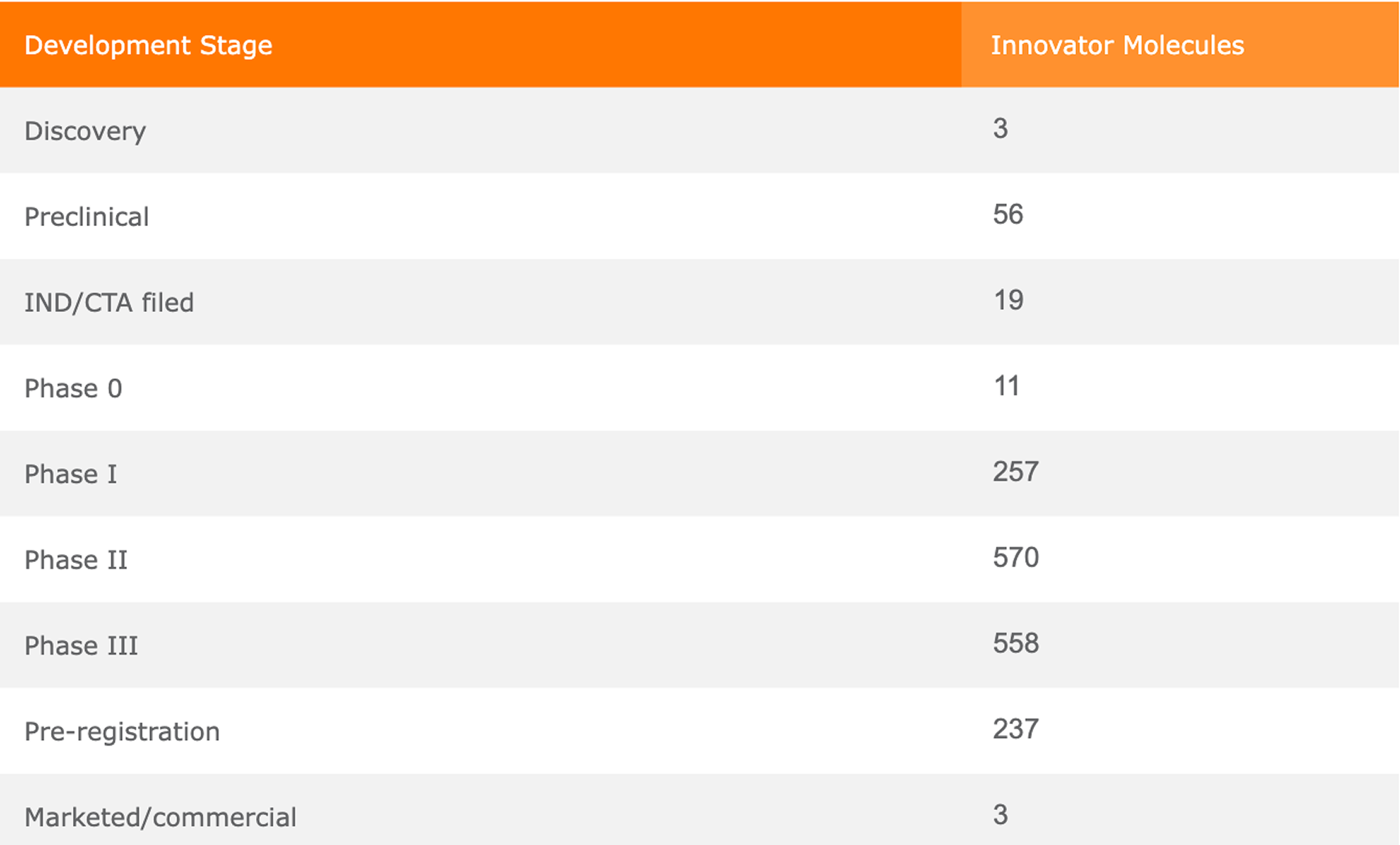
1.7 Given the information summarized above, the pattern of small molecules in different stages of development is no surprise (Table 1, Figure 2). The very large number of molecules in discovery will continue to feed a robust preclinical and clinical pipeline for years to come. The ratio of drugs in phases I, II, and III suggests that, as with other modalities, a key hurdle to achieving approval is success of progressing from a phase II trial into phase III.
Table 1. Small Molecule Drug Counts by Developmental Stage: Innovator Only
Source: GlobalData
Figure 2. Development Stage of Innovator Small Molecules
Representation of the development stage data given in Table 7. The observation that the largest number of molecules are in the "preclinical" stage is typical of the therapeutics industry overall, but in November, 2025, the discovery and preclinical values were unusually low. This may be due to multiple years of low investment into startups, and streamlining of big pharma's published early pipelines. Source: GlobalData
2 Quality-by-Design
2.1 Accelerating drug discovery and development is a focus for the pharmaceutical industry as it seeks to reduce the cost and time required to advance new drugs through proof of concept to commercialization. This need applies to all drug substances, including small molecule APIs. Quality-by-design (QbD) is a strategy for achieving this goal by building quality into products and processes from the earliest design and development stages, rather than relying on quality control applied after a product is manufactured.
2.2 QbD is a risk-based approach encouraged by regulatory agencies, including the FDA. The International Council for Harmonization (ICH) has issued various guidelines that give high-level directions for QbD definition scope as it applies to drug development and the pharmaceutical industry. When applied to drug development, QbD is a systematic approach aimed at integrating analytical methodologies into the workflows of new medication design, development, and manufacture up front. After defining a product’s essential attributes and key objectives, QbD calls for risk and data analysis during the initial stage of a program to understand how processes might affect a product’s characteristics, providing a more robust and structured approach to designing processes that produce consistent quality results and meet objectives.[8]
2.3 Leveraging QbD in small molecule drug development results in continuous improvement of API and drug formulation design and development processes, increased consistency of drug substances and formulated drug products, reduced need for quality controls because quality is built in, and reduced risk of failure.62 Processes developed using QbD are often more efficient, and because products are of consistently high quality, there is much less material lost due to batch failures, which saves time and money.
2.4 These benefits and regulatory expectations have led to increasing adoption of QbD throughout the pharmaceutical industry. Today, drug companies routinely ask potential service providers if they adhere to the principles of QbD and require explanations as to how those principles will be implemented.
3 High-Throughput Screening
3.1 High-throughput screening (HTS) is not a new concept and has been used in a variety of contexts in the pharmaceutical industry for many years. In addition to generating small amounts of APIs for testing, it is used to evaluate potential molecules during the drug discovery process by investigating a wide range of physical parameters, the propensity for salt formation, and other API characteristics. It is also employed in process development to fully characterize the process design space and identify optimal process conditions.
3.2 HTS technologies have evolved significantly in recent years as the ability to more rapidly and effectively process large quantities of data has improved. Developers are no longer limited to basic analyses, such as simple biochemical assays and overexpressed targets in simple cell lines. More complex, physiologically relevant assays using primary cells, co-cultures, 3-D cell systems, and organoids are increasingly common. Because these models better reflect disease biology and provide more predictive data, companies are enabled to fail as faster and weed out very early molecules that will not be successful.56 Running assays in a high-throughput fashion reduces material needs and ensures robustness and reproducibility.
3.3 Access to multi-parameter HTS platforms with more sophisticated data analysis capabilities enables more efficient decision making. To meet drug developers’ needs, these systems must be easy to use and cost-effective, and they must readily integrate with existing laboratory instruments and software. Such advances will enable better target identification and validation and thus reduce failures. In the PerkinElmer survey, respondents revealed that target invalidation is the reason why three out of four candidates fail to make it out of the preclinical phase.
4 Digitalization of R&D
4.1 Digital transformation of manufacturing is taking place in many industrial sectors. The pharmaceutical industry is no exception, although, given its conservative nature, the pace at which digitalization is occurring in pharma is slower. Even so, a recent Deloitte Center for Health Solutions survey of 60 middle-sized biopharma company leaders in the first half of 2020, and an analysis of investor statements from the largest pharma companies in the last quarter of 2019 and the first quarter of 2020, revealed that maintaining and expanding R&D, technological transformation, and a global market presence are top strategic priorities.[9]
4.2 AI algorithms from companies such as Atomwise, Turbine, and Deep Genomics are helping drug developers identify the most suitable small molecule APIs. It appears increasingly likely that one or more firms offering AI solutions for molecule design could ultimately become drug developers themselves.[10] Other firms offer AI and ML solutions designed to enable drug repurposing — finding new indications for existing APIs — which is another avenue for reducing development time and cost. AI and ML are also being used to assist in route scouting and the development of new synthetic pathways, with the goal of identifying the most efficient, cost-effective, and sustainable production processes. The rise of AI as a key tool in drug discovery and the development of new processes is made possible by two factors. One is the growing abundance of human-generated data and the corresponding need for advanced analytical capacity. The other factor is continuous innovation in computer science to increase computing power and improve algorithms, through which machines can be trained not only to sort data, but to extrapolate patterns.
4.3 Quantum computing, one of the most recent developments in computer technology, also has potential applications in drug development. According to McKinsey, because APIs are molecules, and molecules are quantum systems based on quantum physics, quantum computing is ideal for predicting and simulating the structures, properties, and reactivities of APIs more effectively than conventional computing.[11] “Quantum computing’s ability to simulate larger, more complex molecules could be game changing. Pharmaceutical companies should reflect on their strategic stance to this promising new technology now.”[11]
4.4 As AI, computational algorithms, and quantum computing continue to advance, they will keep providing drug developers with innovative new methods to improve the drug discovery and development process. This may necessitate a rethinking of traditional approaches while considering the challenges and limitations of evolving technologies.
5 Shrinking Development Timelines
5.1 Prior to the COVID-19 pandemic, increasing numbers of drug developers were leveraging accelerated regulatory approval pathways to bring their products to market more quickly. The rapidity at which the COVID-19 vaccines received approval has since created greater expectations for reduced development timelines.
5.2 The FDA has four expedited programs — Priority Review, Accelerated Approval, Fast Track, and Breakthrough Therapy. A recent study examined 581 FDA-approved pairs of novel drugs and their indications, 442 of which were small molecule drugs.65 Overall nearly 75% of the drug-indication pairs in 2021 used at least one expedited program, with 226 of them being small molecule drugs.
5.3 The accelerated timelines associated with these expedited programs affects development and manufacturing strategies for not only final drug products, but APIs as well. In fact, development velocity has become a new term in the pharmaceutical industry lexicon.[12] Successful companies are using advanced automation and digital technologies, improved data and project management, and enhanced communication among cross-functional teams to overcome bottlenecks and simultaneously speed up process, analytical method, and formulation development.
6 Addressing Sustainability Issues
6.1 As the complexity of small molecule APIs increases, so does the manufacturing complexity. It is estimated that both the average number of chiral centers in small molecule APIs and the average number of steps required to make them have increased by over 60% in the last 20 years.[13]
6.2 At the same time, there is growing recognition of the need in the pharmaceutical industry to reduce the impact of drug manufacturing operations and increase sustainability overall.[14] For small molecule manufacturing, that generally involves applying ‘greener-by-design principles beginning at the earliest stages of route development to reduce or eliminate the use of hazardous chemicals, increase atom economy, use the fewest steps, and minimize resource consumption, waste, and emissions.[15]
7 University Participation Accelerating
7.1. In recent years, interactions between academia and industry have noticeably increased. Such collaborations can be win–win relationships for both sides, particularly when they revolve around new technologies, which can range from novel API candidates to new chemical transformations. The academic institutes gain recognition and financial support, while drug makers obtain access to novel technologies that could give them a competitive advantage.
7.2. One element of this trend has been the creation of HTS and translational research centers at academic institutions around the world.[16] Examples include Stanford’s SPARK; Harvard’s Catalyst program; the University of Pennsylvania’s Institute for Translational Medicine and Therapeutics; and the University of California–San Francisco's QB3 (University of California–Berkeley, Santa Cruz, and San Francisco).
7.3. Pharmaceutical companies, meanwhile, have formed regional/global science hubs with academia, such as Pfizer’s Centers for Therapeutic Innovation, GlaxoSmithKline’s Tres Cantos Open Lab Foundation, Lilly’s Phenotypic Drug Discovery Initiative, and Merck’s SAGE Bionetworks and Clinical and Translational Science Awards Program.[16]
7.4. In the United States, the National Institutes of Health Molecular Libraries Program funded the building of state-of-the-art screening and chemistry centers that supported more than a thousand early drug discovery programs and yielded hundreds of useful chemical probes, some of which progressed to drug development in collaboration with industry partners.[16]
7.5. In some cases, rather than license discoveries to pharma companies, academic research centers are now pursuing drug development themselves within start-ups, often backed by funding from philanthropic groups and patient advocacy organizations.[17] One consequence has been the formation of a growing number of pharmaceutical start-ups spun out of research groups.
FAQs:
How is AI influencing small molecule drug discovery?
Artificial Intelligence accelerates small molecule drug discovery by analyzing massive datasets to identify optimal API candidates and synthetic pathways. Using algorithms from firms like Atomwise and Deep Genomics, developers can predict molecular reactivities and repurpose existing drugs, significantly reducing the cost and time required to reach late-stage clinical trials.
What is Quality-by-Design in pharmaceutical manufacturing?
Quality-by-Design (QbD) is a risk-based development strategy that integrates analytical methodologies into the manufacturing workflow from the earliest stages. By defining essential product attributes up front, QbD minimizes resource consumption and batch failures, ensuring consistent quality and meeting FDA and ICH regulatory expectations for drug substance safety.
Why is target-based screening preferred over empirical approaches?
Target-based screening is preferred because it leverages increased knowledge of the human genome and disease pathways to drive hypothesis-based discovery. Unlike serendipitous empirical methods, this approach uses high-throughput experimentation and data analysis to evaluate how molecules interact with specific bioactive molecules, leading to higher success rates in preclinical phases.
What role do academic institutions play in drug development?
Academic institutions act as critical innovation hubs by hosting translational research centers and high-throughput screening platforms. Collaborations like Stanford’s SPARK and Pfizer’s Centers for Therapeutic Innovation allow drug makers to access novel chemical transformations while academic groups receive financial support and a pathway to spin out pharmaceutical start-ups.
How is the industry addressing drug manufacturing sustainability?
The industry is adopting "greener-by-design" principles to improve the sustainability of small molecule manufacturing. This involves optimizing route development to increase atom economy, reducing the use of hazardous chemicals, and minimizing waste emissions to counter the rising complexity of molecules that now feature more chiral centers and processing steps.
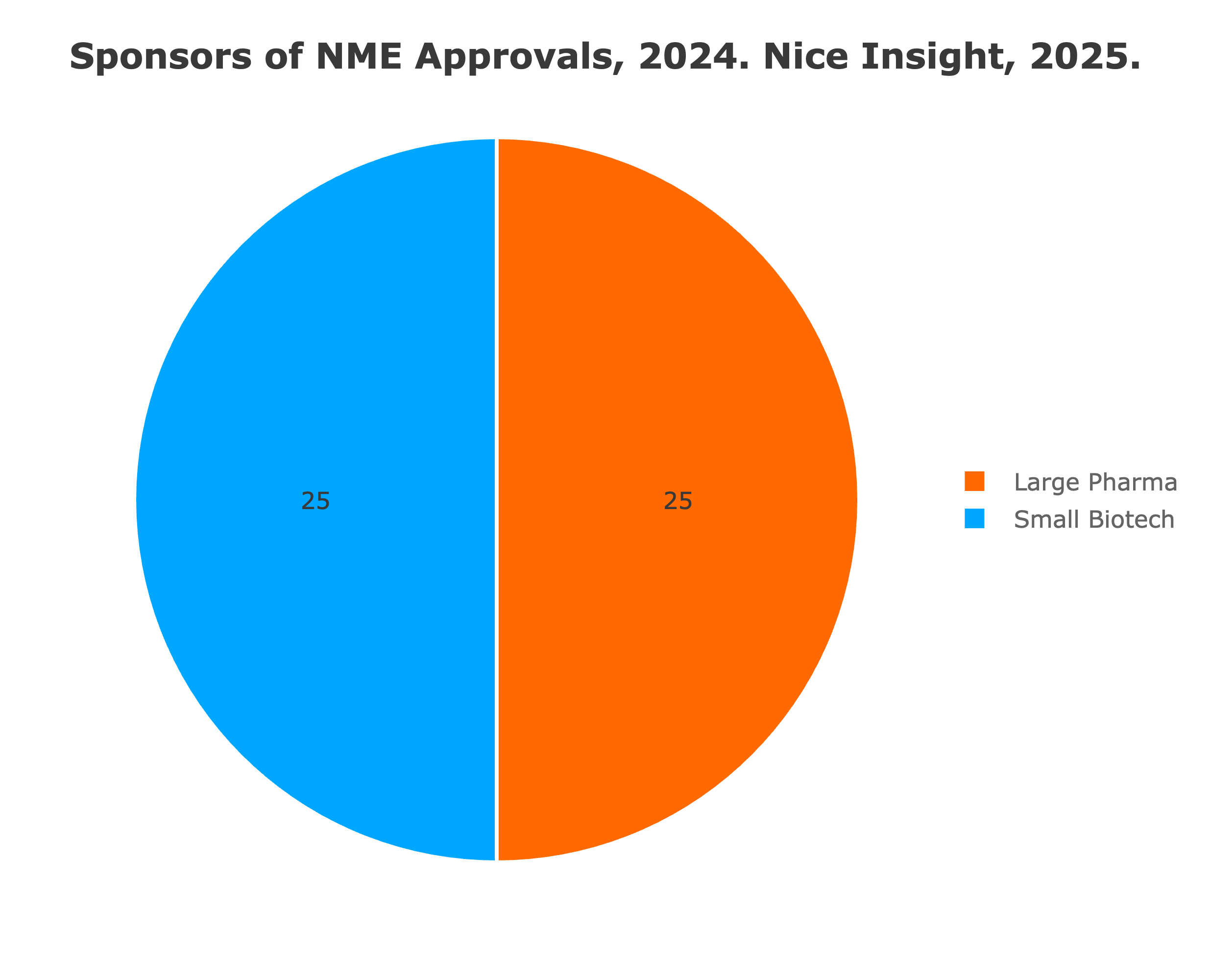 Figure 1. Innovators of NMEs Approved by the FDA in 2021
 Source: GlobalData
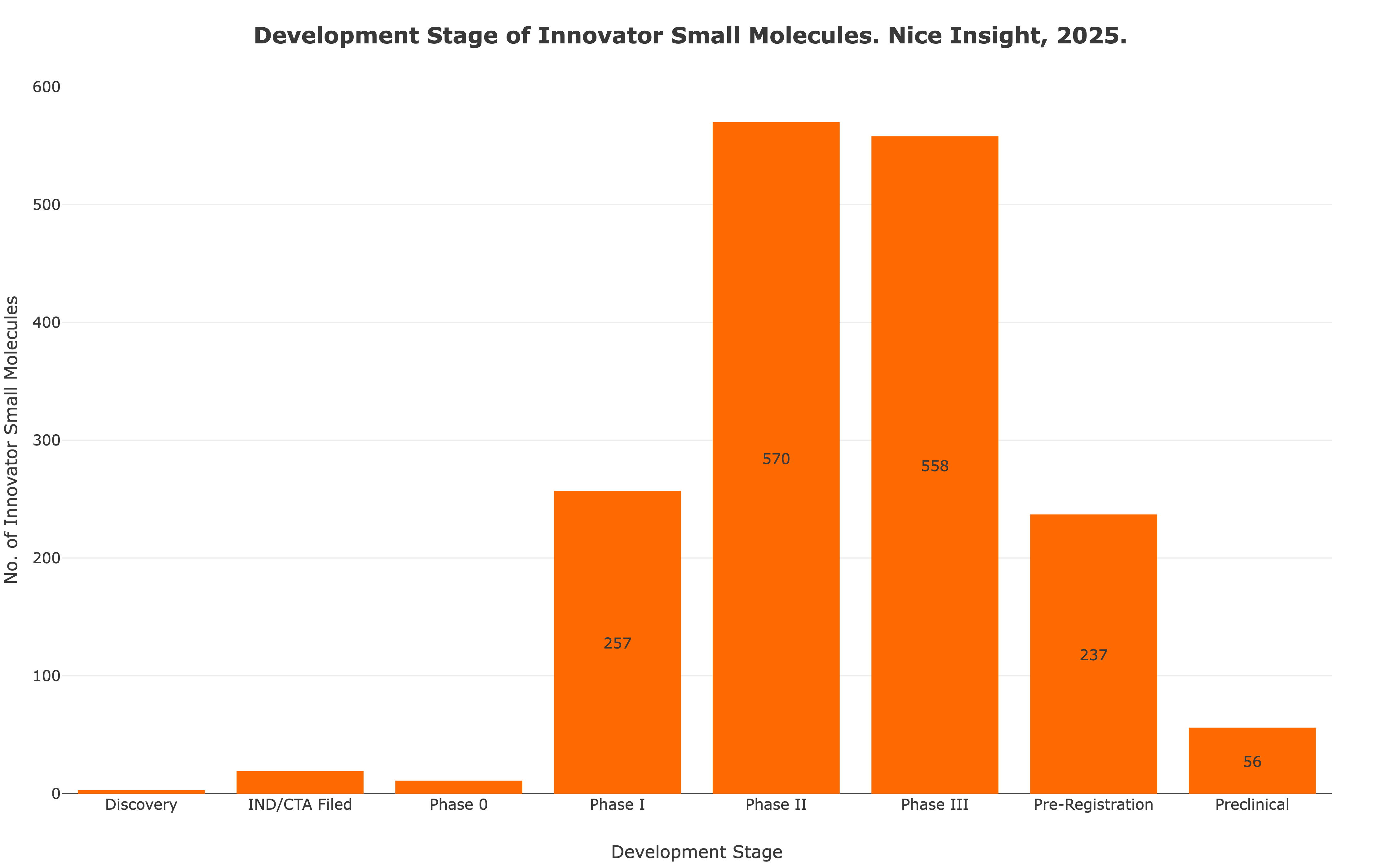 Figure 2. Development Stage of Innovator Small Molecules