Key Takeaways: The Evolving Landscape of Small Molecule Drugs
Dominance in Pharma: Small molecule therapeutics continue to lead the industry, accounting for the majority of FDA new drug approvals (NDAs) and the global clinical pipeline.
Rising Molecular Complexity: Modern drug development is shifting toward more complex chemical structures and High Potency APIs (HPAPIs) to improve therapeutic efficacy.
Versatility in Modalities: Recent innovations see small molecules acting as standalone treatments or as critical payloads in Antibody-Drug Conjugates (ADCs).
Precision Medicine Integration: Following the lead of biologics, small molecules are increasingly engineered for personalized medicine to target specific patient populations and genetic profiles.
Specialized Handling Requirements: The pipeline is seeing an uptick in controlled substances, requiring advanced regulatory and manufacturing expertise.
1 Small Molecule Market Fundamentals
1.1 Small molecule active pharmaceutical ingredients (APIs) hold paramount significance within the global pharmaceutical industry. Despite the attention given to biologics and other advanced therapies, small molecules have historically comprised the largest portion of pharmaceuticals and represent 69% of all new drug approvals (NDAs) since 2013 (Figure 1).[1] The trend continues through 2024. Two-thirds of 2024 NDAs were for small molecules (Figure 2).[1]
Figure 1. Chemistry of New Drug Approvals, 2024
The general molecule class of new drugs approved (NDAs) in 2024. Peptides are counted as large molecules in this analysis. Data analysis by Nice Insight, March 2025.
Figure 2. Chemistry of New Drug Approvals, 2013–2024
The general molecule class of new drugs approved (NDAs) by the FDA from Jan 1, 2013 to Dec 31, 2024. Peptides are counted as large molecules in this analysis. Data analysis by Nice Insight, March 2025.
1.2 While small molecules are simpler than the complex, large biologics and advanced therapies, they are no less effective and retain high value in the pharmaceutical market. Of the 50 top-selling drugs in 2024, small molecules accounted for about one-third of the molecules on the list (Figure 3) and one-third of the total sales (Figure 4).
Figure 3. Chemistry of 50 Top-Selling Drugs by Molecule Type, 2024
The 50 drugs with the highest grossing worldwide sales in 2024, were categorized according to the molecule type. Peptides are counted as large molecules in this analysis. Source: Global Data. Data analysis by Nice Insight, Sept 2025.
Figure 4. Sales of Top 50 Drugs of 2024 by Molecule Class
The 50 drugs with the highest grossing worldwide sales in 2024, were categorized according to the molecule type. Total sales in $billions U.S. by molecule type are reported. Peptides are counted as large molecules in this analysis. Data analysis by Nice Insight, Sept 2025.
2 Overarching API Market Trends
2.1 The global pharmaceutical landscape reveals a significant trend toward HPAPIs. Impressively, over a quarter of all drugs produced on a global scale are categorized as highly potent. Furthermore, among oncology drugs, a whopping 60% incorporate HPAPIs. The year 2021 marked a notable shift in the industry, with more than 1,000 HPAPIs entering the development phase either as an independent modality or conjugated to a biologic drug, such as an antibody–drug conjugate (ADC). By 2022, the economic weight of the HPAPI sector touched $24.5 billion and projections suggest an upward trajectory, expanding at a compound annual growth rate (CAGR) of 10.1% leading up to 2027.
2.2 Although the initial stages of the COVID-19 pandemic posed challenges, causing disruptions in the HPAPI demand due to supply chain disturbances and a slowdown in research activities, the latter phase painted a different picture. This change was significantly driven by the rapid increase in vaccine production, which elevated the demand for raw materials essential for API molecules. This high demand, in turn, led to a rise in HPAPI prices, giving the revenue figures a boost during 2020 and 2021. Moreover, this rise indirectly prompted a wave of outsourcing activities, allowing companies to avoid hefty infrastructure investments required for containment.
2.3 When breaking down the industry segments, the innovative sector comes out on top, accounting for 72% of the revenues in 2021. The reason? A sharp increase in research related to new cancer therapies. It’s worth noting that the oral solid dosage form sector is anticipated to witness the fastest growth in the coming years, alongside the biotech segment, which is expected to see substantial growth between 2022 and 2030.
2.4 To meet this burgeoning demand, industry stalwarts have embarked on strategic expansions, actively engaging in mergers and acquisitions, and forming vital partnerships. Examples of such moves include Flamma USA’s HPAPI suite recommissioning in 2021 and MilliporeSigma doubling its HPAPI production capacity by June 2022. However, these trends don’t just signify the importance of cytotoxic drug and HPAPI manufacturing; they underscore the increasing demand in oncology, the emergence of innovative delivery technologies, and the rising popularity of biologics and large molecules. Despite the evident opportunities, the industry isn’t without its challenges, such as maintaining strict containment measures, grappling with uncertainties surrounding compound toxicity, and ensuring a safe work environment for the workforce.
2.5 The driving force behind the growth of the potent drug segment is the industry’s focus on developing more targeted therapies. These potent drugs target specific sites of action, making them generally more effective and safer than non-targeted treatments. Additionally, efforts are underway to craft patient-friendly medications, leading to the formulation of more potent drugs suitable for a broad spectrum of conditions like diabetes, cardiovascular diseases, and more. The sustainable nature of HPAPIs, given that their low volume often results in less waste, aligns with the pharmaceutical industry’s growing emphasis on sustainability.
2.6 Controlled substances are primarily regulated under the U.S. Controlled Substances Act. Many of these drugs cater to neurological disorders or pain management. The market has been receptive to new product approvals and has shown renewed interest in developing drugs based on psychoactive compounds. The global controlled substance market, worth around $64 billion in 2018, is expected to hit $115 billion by 2027, growing at a CAGR of approximately 7% from 2019 to 2027.
2.7 In recent years, the medical field has witnessed dramatic advancements in research tools, leading not just to precision medicines but also to the discovery of novel drug targets. This is evident from the data between 2020 and 2022, where a significant portion of drugs approved by the FDA were categorized as first-in-class, implying they operate with new action mechanisms. These approvals span a wide range of medical conditions, marking a new chapter in the pharmaceutical world.
3. Personalized Medicines
3.1. The advances in technology mentioned above are also providing greater insight into the individual aspects of smaller subsets of diseases previously considered to be similar among all patients. For instance, there is much greater knowledge about the impact of specific genetic mutations regarding the responsiveness of different cancers to specific types of treatments. New diagnostic tools are allowing physicians to identify medical intervention strategies with higher probabilities of success and thus provide patients with improved quality of life and better survival rates.
3.2. Personalized medicine is a key area for new advancements in oncology. Historically, particular types of cancer have been classified based on the tissue in which the cancer cells originate, a naming convention that continues today (i.e., kidney cancer, skin cancer, pancreatic cancer). Researchers are working, however, to more precisely and accurately define cancers based on their cellular and molecular characteristics, allowing for the development of more effective and efficient targeted medicines for each patient.
3.3. According to IMS, 11% of cancer treatments in 2003 were targeted therapies. By 2013, this number had increased to 46%.[2] Such targeted therapies lead to better outcomes. In a particularly impressive example, PhRMA, in its Decade of Innovation in Cancer: 2006–2016 report, showed that the five-year survival rate for chronic myeloid leukemia had increased from 31% to 89%.[3]
3.4. The Personalized Medicine Coalition reports that personalized medicines accounted for more than 25% of newly approved drugs in 2015 through 2021, and more than one third of new drug approvals in four of the last five years.[3] The top indications for personalized medicines include various cancers, rare diseases, and infectious diseases. Notably, in 2021, the FDA also expanded the indications for several existing personalized therapies, and approved several new diagnostic indications, which will enable the development of targeted therapies for a wider range of health conditions.
4. Highly Potent Drugs
4.1. A growing percentage of all approved drug products and pipeline candidates — both small molecule and biologic therapies — fall under the classification of potent or highly potent. The focus of the industry on cancer indications is an important driver, as a large percentage of oncology treatments are formulated using highly potent cytotoxic compounds. These drugs include those based on chemical APIs and increasingly those based on antibody–drug conjugates (ADCs), which comprise an antibody linked to a small molecule or biologic cytotoxic agent.
4.2. This anticipated growth is primarily driven by several key factors. Among them is the escalating demand for oncology drugs, owing to the rise in target therapies for chronic diseases. Additionally, advancements in manufacturing technology and increased capacity to meet the growing demand are further fueling this expansion.
4.3. In a recent white paper,[4] Roots Analysis revealed that over one-quarter of all drugs manufactured globally fall into the highly potent category. What's more, an astonishing 60% of oncology drugs contain HPAPIs. It has also been reported that more than 1,000 HPAPIs were in development in 2021.[5] Consequently, the global market for HPAPIs was estimated to be worth $24.5 billion in 2022 and expanding at a CAGR of 10.1% through 2027.[6]
4.4. While the initial phase of the COVID-19 pandemic disrupted HPAPI demand because of supply chain disturbances and decreased research activities, the latter phase witnessed a resurgence. This was primarily driven by the surge in vaccine production, which in turn elevated demand for raw materials and product intermediates for API molecules. The increased demand during this period also resulted in a price hike for HPAPIs, leading to a boost in revenue during 2020 and 2021. This surge further fueled outsourcing activities, as it spared companies from costly infrastructure investments for containment.
4.5. In terms of industry segments, the innovative sector captured the lion's share, accounting for 72% of revenues in 2021. Oncology emerged as the dominant application segment, contributing to more than 65% of the industry in 2021, largely due to the upsurge in research on new cancer therapies. Notably, the oral solids dosage form sector is expected to experience the fastest growth during the forecast period, with the biotech segment projected to see substantial growth from 2022 to 2030.[4]
4.6. In response to this robust demand, key industry players have been strategically expanding their facilities, forming partnerships, and engaging in mergers and acquisitions. These developments include Flamma USA's HPAPI suite recommissioning in late 2021 and MilliporeSigma's doubling of HPAPI production capacity in June 2022. Other CDMOs opening highly potent API manufacturing plants or expanding HPAPI capacity in 2022 included Lonza, Axplora (formerly Novasep-PharmaZell), WuXi STA, Piramal Pharma Solutions, Cambrex and HAS Healthcare Advanced Synthesis (previously Helsinn Advanced Synthesis. AGC Fine Chemicals, Olon, Polpharma API, and Carbogen Amcis announced plans or began construction on new HPAPI capacity.
4.7. In 2023, Lonza also completed expansion of its bioconjugation facility in Visp, Switzerland to support development and manufacturing of bioconjugates and ADCs and acquired Synaffix, a Netherland-based company specializing in ADC development with proprietary linker and payload technologies. Several other companies have also invested in HPAPI capacity, with operations starting in 2023 or expected to in the next few years.
4.8. These trends underscore the dynamic landscape of cytotoxic drug and HPAPI manufacturing and development, particularly driven by increasing demand in the oncology space, innovative delivery technologies, and the rising popularity of biologics and large molecules. HPAPIs are playing an ever- more vital role in drug development, particularly in highly targeted therapies, such as kinase inhibitors and ADCs. Their effectiveness in specific cell components, along with growing demand for novel anti-cancer treatments, is presenting significant opportunities for companies specializing in HPAPI manufacturing and clinical support. Nevertheless, challenges persist, such as maintaining strict containment, dealing with uncertainty regarding compound toxicity, and ensuring safe working environments for employees. Overall, the market's dynamic nature promises continued growth, driven by the need for highly potent compounds in modern drug development and therapeutic innovation.
4.9. Other drivers for growth of the highly potent drug segment include the focus on developing more targeted therapies, which are designed to attack specific sites of action and are therefore generally more potent than non-targeted treatments. Efforts by the industry to develop more patient- friendly medications are also leading to the development of more potent candidates that require less frequent dosing across a wider array of indications, including diabetes, cardiovascular diseases, central nervous system disorders, and musculoskeletal diseases. Because HPAPIs are used in lower volumes, fewer resources are consumed and less waste is generated, particularly when advanced manufacturing methods are used, facilitating an increase in sustainability, which is increasingly important in the pharmaceutical industry today.
5. Controlled Substances
5.1. Controlled substances in the United States are regulated under the Controlled Substances Act (CSA). Classification as a controlled substance is largely based on the potential for abuse, but other criteria include currently accepted medical use in treatment in the United States and international treaties.
5.2. Most therapeutic controlled substances are used either to treat neurological disorders or for pain management.[7] Opioids, for instance, are the most effective analgesics for severe pain and are often used by acute and terminal cancer patients. Demand for controlled substances for pain management is also driven by the high and increasing incidence of chronic pain among the global geriatric population. Some treatments for attention deficit hyperactivity disorder (ADHD) among children are also formulated using controlled substances.
5.3. In many cases, the development of low-dose formulations is enabling the use of APIs like amphetamine for the treatment of sleep disorders, ADHD, and other conditions.[6] Other factors contributing to the growth of the controlled substance drug market include new product approvals such as cocaine-based, C-Topical solutions, and a renewed interest in the development of drugs based on psychoactive compounds. In 2017, 3,4-methylenedioxy- methamphetamine (MDMA, ecstasy/molly) received a breakthrough therapy designation from the FDA for the treatment of post-traumatic stress disorder (PTSD).[8]
5.4. Many states have decriminalized certain psychedelics, such as psilocybin mushrooms, facilitating their use in drug discovery R&D. More than 6,000 clinical studies involving tens of thousands of patients and a variety of low-dose (psycholytic) psychedelic drugs have been completed in conditions such as alcoholism, depression, schizophrenia, criminal recidivism, and childhood autism. In addition, the FDA issued new clinical trials guidelines that GlobalData predicts will drive dramatic growth for the psychedelic drug market (55% CAGR) through 2029.[9]
5.5. The global controlled substance market was valued at approximately $64 billion in 2018 and is projected to reach $115 billion by 2027, expanding at a CAGR of ~7% from 2019 to 2027.[7]
6. More First-in-Class Drugs
6.1. Dramatic advances in research tools for uncovering the mechanisms of diseases has led not only to precision medicines, but to the discovery of novel drug targets and new approaches to developing treatments for known targets that were previously considered to be undruggable. This trend is reflected in the fact that, from 2020 to 2023, the fraction of novel drugs approved by the FDA that were identified by the agency as first-in-class — drugs that have new mechanisms of action increased from 40% to 54%.[10][11][12] While several were biologics, many were drugs formulated with small molecule APIs. In 2021, the latter included antifungal, antiviral, and anticancer agents, as well as treatments for kidney disease and numerous other diseases.
6.2. Notable examples of novel first-in-class approvals in 2022 include:
Camzyos (mavacamten) capsules to improve functional capacity and symptoms in patients with a type of obstructive hypertrophic cardiomyopathy.[13]
Mounjaro (tirzepatide), a first-in-class medication that activates two hormone receptors, which leads to improved glycemic control, approved to improve glycemic control in adults with type 2 diabetes, as an addition to diet and exercise.[14]
Pluvicto (lutetium 177Lu vipivotide tetraxetan) injection to treat adults with prostate-specific, membrane-positive, metastatic, castration-resistant prostate cancer who have received at least two prior therapies, including a chemotherapy.[15]
Sunlenca (lenacapavir) tablets and injection for adults with HIV who have previously received many HIV therapies and whose disease cannot be treated with other available drugs due to resistance, intolerance, or safety concerns.[16]
Tzield (teplizumab-mzwv) injection to delay the onset of Stage 3 type 1 diabetes in adults and pediatric patients aged 8 years and older with Stage 2 type 1 diabetes. Tzield is the first drug approved for this indication.[17]
Voquezna Triple Pak (vonoprazan, amoxicillin, and clarithromycin) and Voquezna Dual Pak (vonoprazan and amoxicillin) are co-packaged products containing combinations of tablets and capsules to treat adults with Helicobacter pylori infection.[18]
FAQs:
Q: What is the current market outlook for High Potency APIs (HPAPIs)?
A: The HPAPI market is valued at $24.5 billion as of 2022 and is projected to expand at a 10.1% CAGR through 2027. Growth is primarily fueled by oncology drug development, where 60% of products now incorporate highly potent molecules, and the rise of innovative delivery technologies like bioconjugation.
Q: How does the FDA define a First-in-Class drug in small molecule development?
A: The FDA identifies First-in-Class (FIC) drugs as novel therapeutics that utilize new mechanisms of action to treat medical conditions. Between 2020 and 2023, the percentage of these innovative approvals rose to 54%, covering diverse therapeutic areas including antifungal, antiviral, and chronic kidney disease treatments.
Q: What role do small molecules play in the production of Antibody-Drug Conjugates (ADCs)?
A: Small molecules serve as the critical cytotoxic payload in Antibody-Drug Conjugates (ADCs), linked to a biologic antibody to provide targeted therapy. This synergy allows for high-potency molecules to be delivered directly to cancer cells, increasing efficacy while maintaining containment and reducing systemic compound toxicity.
Q: Are controlled substances becoming a significant driver in pharmaceutical R&D?
A: Yes, the controlled substance market is expanding toward a $115 billion valuation by 2027. This is driven by new product approvals, the decriminalization of psychedelics for research, and breakthrough designations for compounds like MDMA and psilocybin in treating PTSD, depression, and neurological disorders.
Q: How has personalized medicine impacted cancer survival rates?
A: Personalized medicine and targeted therapies have drastically improved clinical outcomes; for example, the five-year survival rate for chronic myeloid leukemia rose from 31% to 89%. By using diagnostic tools to identify genetic mutations, physicians can now deploy targeted medicines that offer higher success probabilities than traditional broad-spectrum treatments.

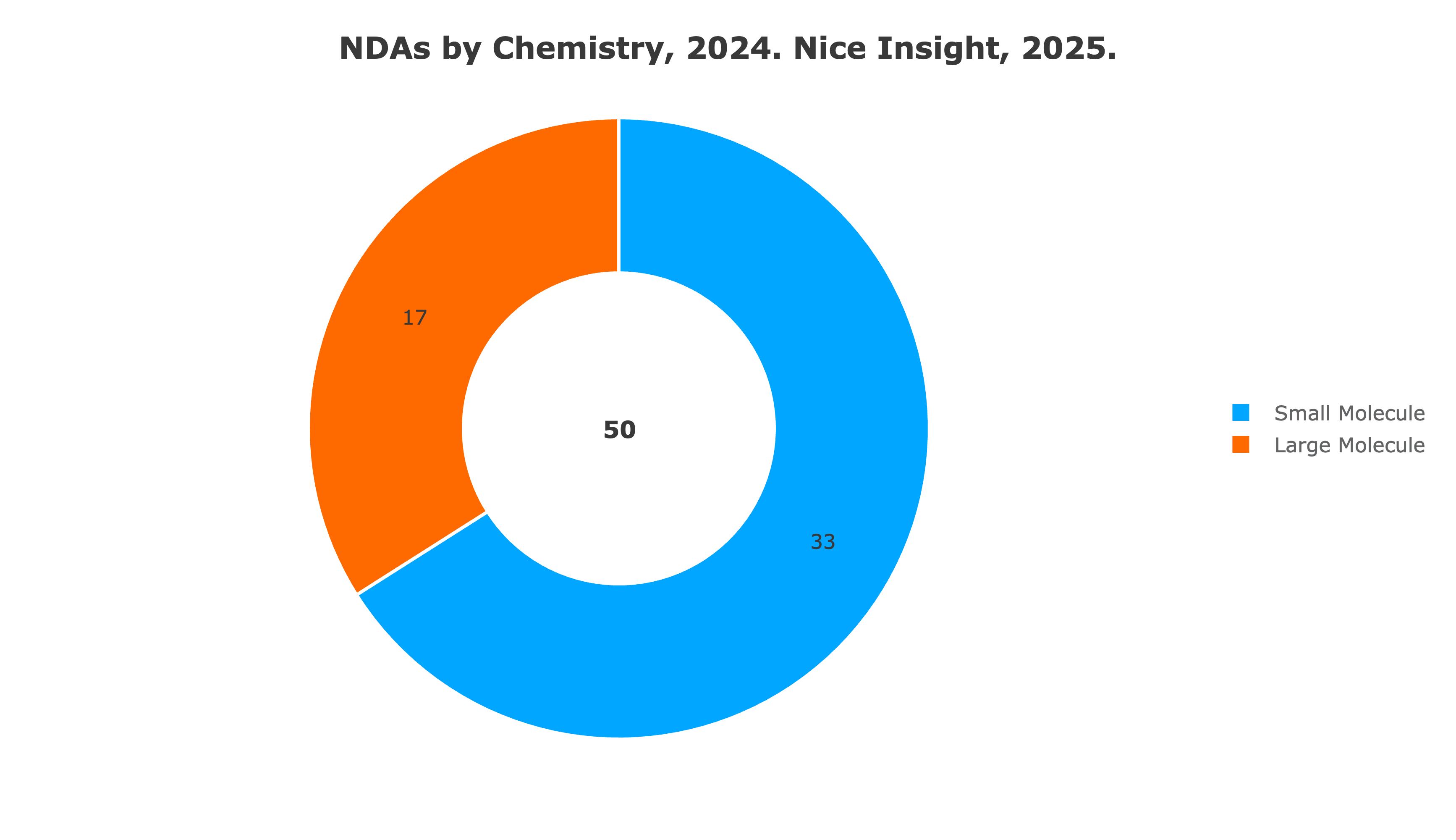 Figure 1. Chemistry of New Drug Approvals, 2024
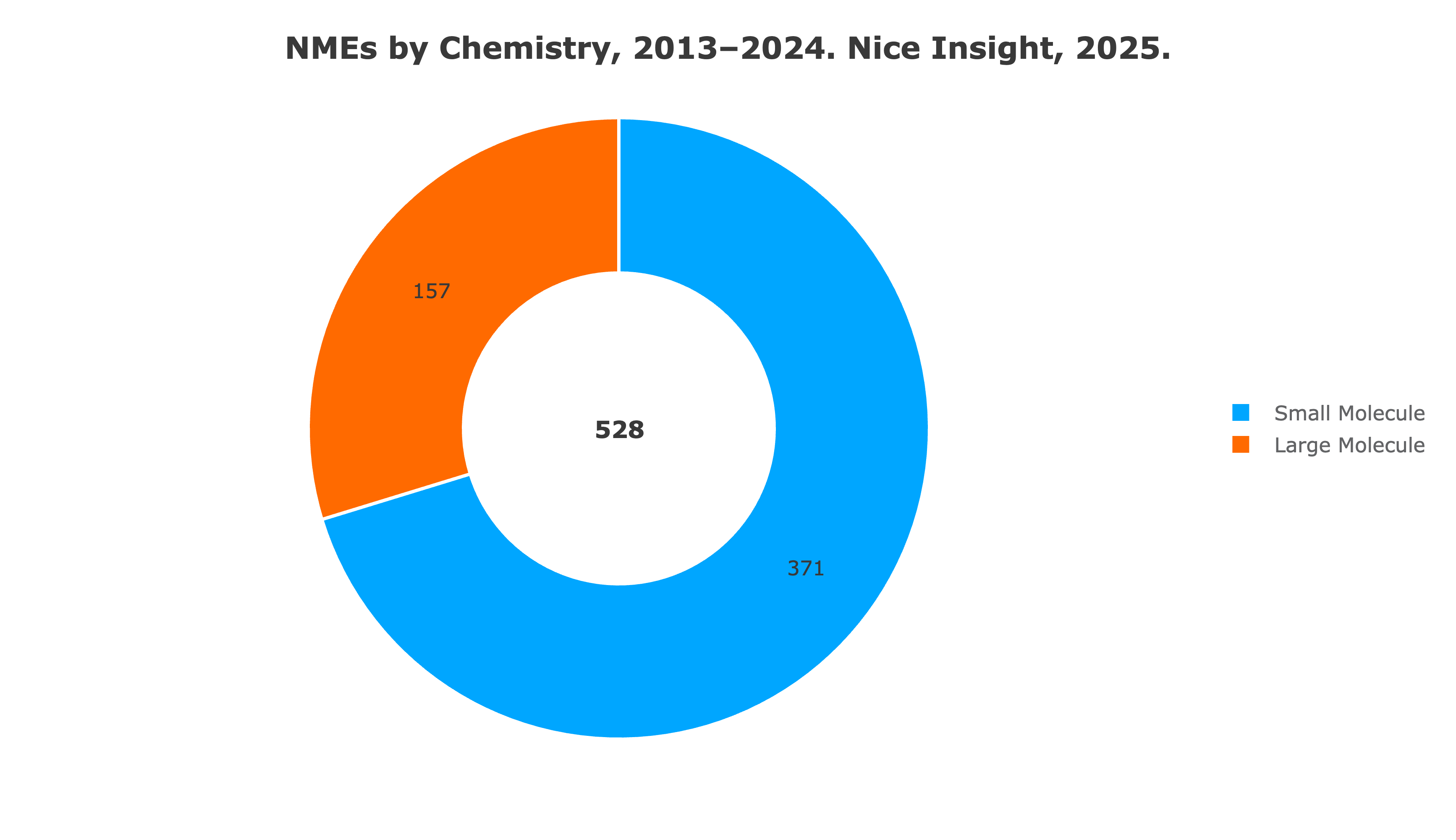 Figure 2. Chemistry of New Drug Approvals, 2013–2024
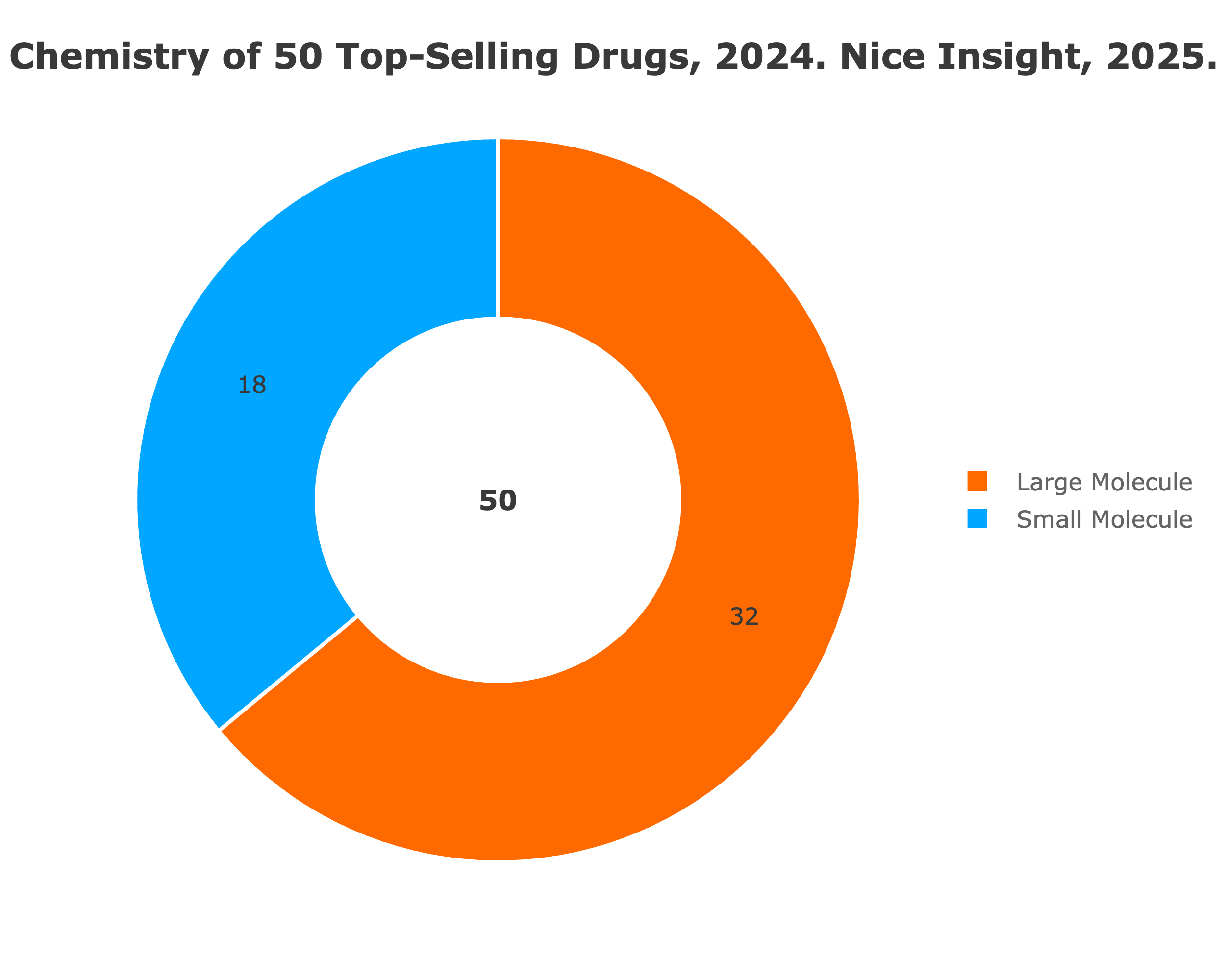 Figure 3. Chemistry of 50 Top-Selling Drugs by Molecule Type, 2024
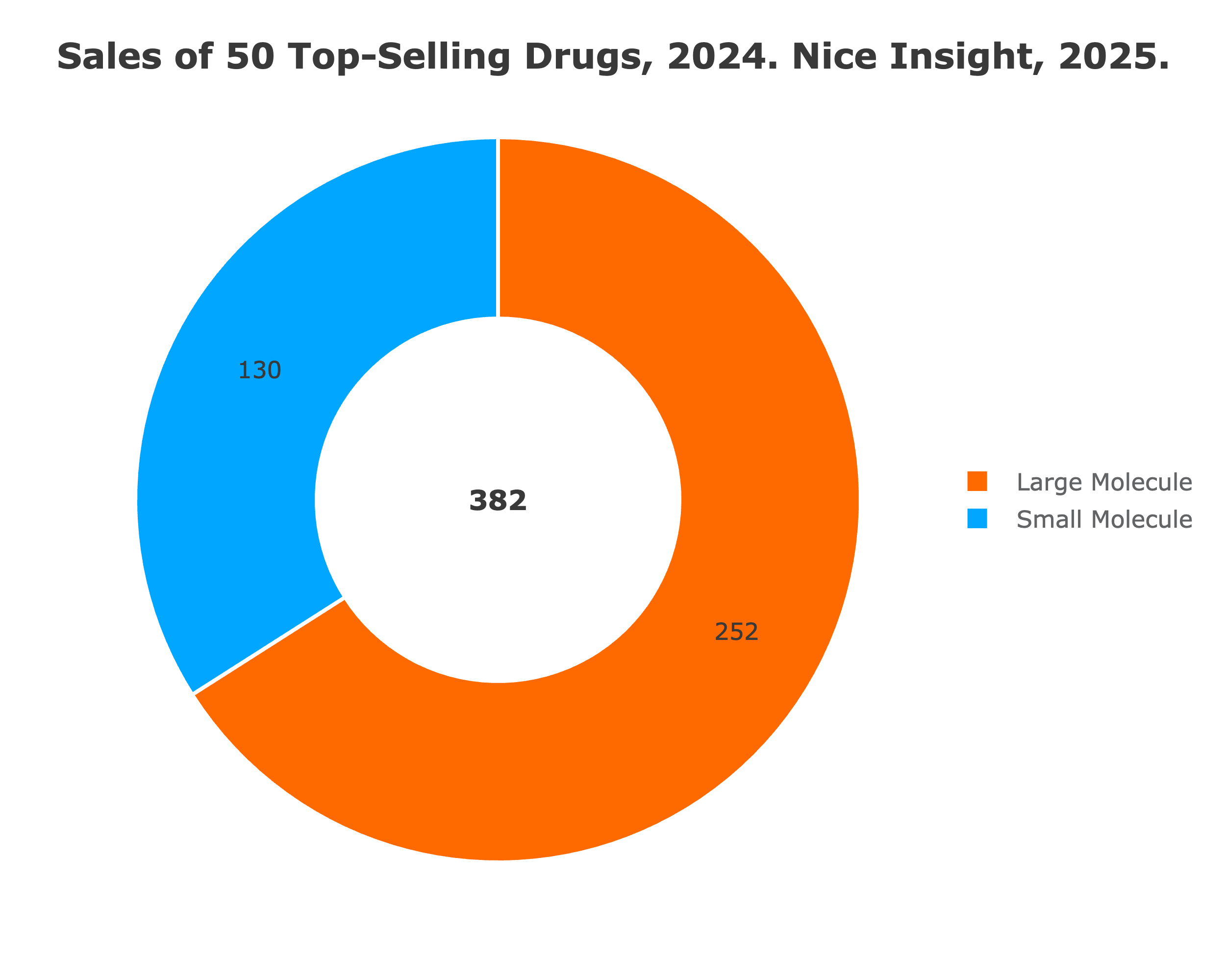 Figure 4. Sales of Top 50 Drugs of 2024 by Molecule Class