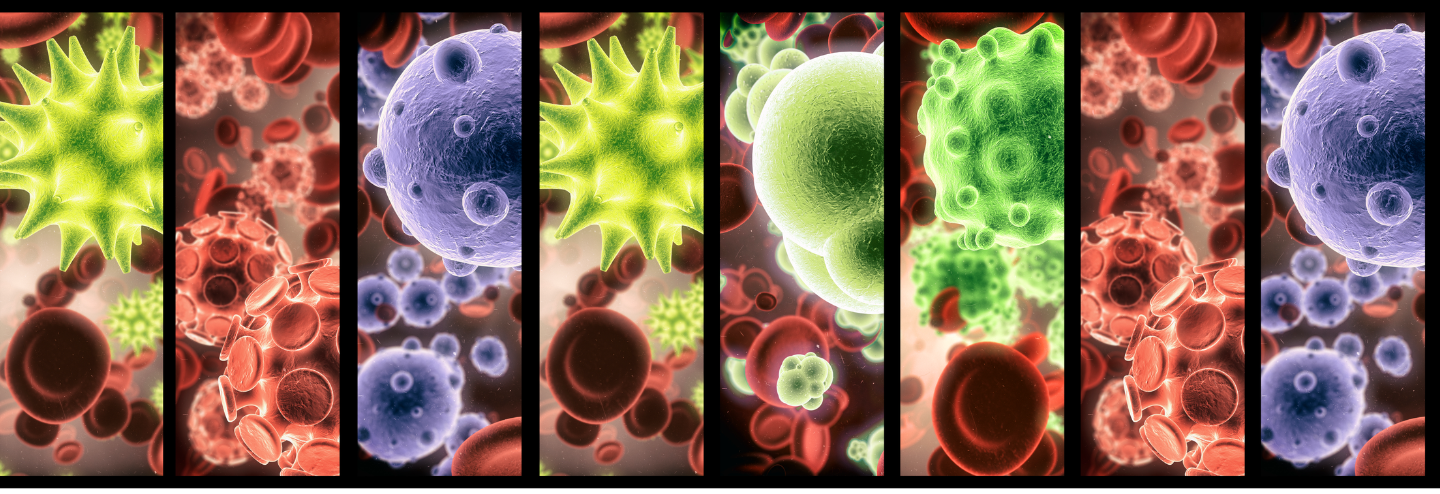
Viral Vector Engineering History: Since the 1990s, researchers have engineered Naturally-occurring human viruses to function as delivery vehicles, replacing defective genes with functional DNA sequences to treat hereditary diseases.
Market Pipeline Growth: Despite a significant industry setback in 1999, the modern Cell and Gene Therapy (CGT) landscape is now robust, with Advanced Therapies currently accounting for 15% of the total drug substance pipeline.
AAV Utility in Non-Dividing Cells: Adeno-associated virus (AAV) is the primary drug substance for targeting the liver, muscle, and heart, as it efficiently delivers genetic payloads up to 5 kb to non-dividing tissues.
Lentivirus (LV) for Immune Cell Engineering: Lentiviral vectors are the preferred choice for dividing cells (such as T-cells) because they can accommodate larger genetic payloads and ensure stable integration into the host genome.
Vector Selection Criteria: The choice between AAV and LV is dictated by specific therapeutic indications, required packaging capacity, and the mitotic state of the target cell population.
1. A Short History Lesson
1.1. The idea that a “good” piece of DNA could replace a “defective” section causing genetic disease was first proposed by Friedmann and Roblin in 1972 in a seminal paper in Science.[1] This idea became the central tenet of gene therapy.
1.2. Around the same time that scientists proposed the idea of gene therapies to treat genetic disease, other teams explored the idea of harnessing viral infection as a mechanism to carry new DNA into a mammalian cell.[2] In 1973, Frank Graham’s creation of the human embryonic kidney (HEK) 293 cell line[3] opened new possibilities for gene therapy by enabling adenovirus-based gene transduction.
1.3. In the early 1990s, gene therapy burst onto the scene, with significant optimism surrounding its potential to cure genetic diseases.[4] In 1990, the first approved human gene therapy trial was conducted, treating a young girl with ADA-SCID using retroviral vectors.
1.4. While initial trials were promising, a critical setback for adenovirus-based gene therapies came in 1999 with the tragic death of teenager Jesse Gelsinger during a clinical trial that aimed to correct an X-linked genetic disease of the liver. This caused regulatory bodies to place stricter oversight on clinical trials, and all adenovirus-based gene therapies were immediately placed on hold.[5]
1.5. It had become clear that adenoviruses — which provoke an immune reaction and do not integrate the therapeutic gene into the target cell, delivering only a transient response, not a long-term cure for a genetic disease — might not be the best path forward for gene therapy.
1.6. In 2003, China became the first country to approve a gene therapy, an adenoviral vector carrying the P53 tumor suppressor gene called Gendicine. However, broader global approval of gene therapies remained elusive until more than a decade later.
1.7. Results from a successful hemophilia gene therapy trial in 2011 highlighted an urgent need for manufacturing gene therapies at a scale that could meet patient needs.[6] The production of viral vectors required for gene therapies often involved labor-intensive, costly processes that limited widespread access.
1.8. By the 2010s, companies such as OXGENE began developing scalable technologies to address these challenges. Stable producer cell lines, combined with efficient viral packaging systems, offered potential solutions for producing gene therapies at lower cost and greater volume.
1.9. By 2016, the gene therapy market was back on track. Adenoviruses are now widely used as oncolytic viruses, and as vaccines for numerous diseases, but not for gene supplementation therapies. Instead, adeno-associated viral (AAV) and lentiviral vectors, which also rely on HEK293 cells for production, are used for this purpose.
1.10. A significant milestone occurred in 2017 when the U.S. FDA approved Luxturna, a gene therapy for retinal dystrophy. This breakthrough marked the first approved gene therapy in the United States, signaling a turning point in regulatory acceptance.
2. Applications for Plant-Based Viral Vectors
2.1. In addition to viral vectors derived from viruses that infect animals and insects, plant-based viral vectors have emerged as valuable tools for a range of applications in biotechnology, medicine, agriculture, and beyond. While traditionally used for genome editing and protein expression in plants, plant-based virus-like particles (VLPs) and virus nanoparticles (VNPs) are increasingly being investigated for non-drug-related therapeutic, diagnostic, and environmental applications.[7]
2.2. Three of the most common plant-based viruses used in this space include tobacco mosaic virus (TMV), potato virus X (PVX), and cowpea mosaic virus (CPMV). These viruses, along with others like geminiviruses, have been repurposed as vehicles for delivering therapeutic genes, imaging agents, and small molecules.[8] They offer a versatile platform due to their nonpathogenic nature in humans, ease of production, and biocompatibility. Their rapid manufacturability and modifiability, including conjugation and genetic engineering, allow for innovative applications across several fields.
Vaccine and Immunotherapy Applications
2.3. Plant-based VLPs, which are noninfectious due to their absence of viral genetic material, are ideal candidates for developing vaccines. Their ability to evoke strong immune responses makes them highly attractive for cancer immunotherapy. Unlike synthetic nanoparticles, plant-based VLPs have shorter half-lives, reducing the risk of side effects while maintaining effectiveness as antigen carriers. These qualities also make them suitable for use as natural adjuvants, enhancing immune responses without the need for additional chemical agents.[7]
2.4. In cancer immunotherapy, VLPs can serve as platforms for presenting tumor antigens, thereby stimulating an immune response specifically targeting cancer cells. Additionally, plant-based viruses like TMV and PVX have been engineered to display peptides and proteins useful in cancer treatment. For example, VLPs based on plant viruses can prime the immune system to attack tumors, opening doors to new avenues in immunotherapy.[7]
Diagnostic and Imaging Applications
2.5. VLPs and VNPs derived from plant viruses are increasingly being explored for noninvasive diagnostic imaging. Their natural biodegradability, ease of surface modification, and ability to carry imaging agents such as fluorescent labels and contrast agents make them ideal for molecular imaging technologies like MRI and CT.[9] For instance, TMVs have been employed for imaging atherosclerosis and detecting other diseases by targeting specific tissues. These plant viruses offer advantages over synthetic nanoparticles, such as enhanced targeting and lower retention times, reducing unwanted side effects.[10]
2.6. Plant-based viral vectors can also be modified to carry imaging agents for use in theranostics, where diagnosis and treatment are combined. Their ability to carry fluorescent markers or contrast agents allows for real-time tracking of disease progression and therapeutic responses, making them invaluable in both research and clinical settings.
Drug Delivery and Beyond
2.7. While plant-based viral particles are already being investigated for drug delivery, their versatility extends far beyond traditional pharmaceutical applications. VNPs can encapsulate small molecules, peptides, and proteins, making them excellent candidates for targeted drug delivery. However, their applications are not limited to drug delivery alone. These particles have also been explored as biocatalysts in chemical reactions and as purification reagents for biologics production, further underscoring their utility across biotechnology and medicine.[11][12]
2.8. Additionally, plant viral vectors are now being adapted for gene delivery applications in both humans and animals. By inserting therapeutic genes into plant viruses, researchers can develop new gene therapies targeting diseases at the molecular level, enhancing precision and reducing potential off-target effects.
Expanding Applications: Agriculture and Environmental Biotechnology
2.9. Beyond healthcare, plant-based viral vectors are finding new roles in agriculture and environmental biotechnology. Viral vectors like TMV and CPMV are being used to edit plant genomes, improving crop resilience to environmental stressors, reducing the need for chemical pesticides, and enhancing food security. This application is particularly relevant in regions facing food shortages and climate challenges, where plant-based viral vectors can play a pivotal role in addressing agricultural issues.
2.10. In Africa, for example, the role of plant biotechnology is crucial in overcoming food insecurity exacerbated by climate change. Viral vectors, when paired with advanced genetic engineering, can help improve crop yields and resistance to both biotic and abiotic stresses. The Nigerian government’s biotechnology initiatives aim to increase agricultural output through innovations like these, with plant-based viral vectors contributing to broader goals of food security.[13]
2.11. In addition to agriculture, viral vectors are being explored for their use in environmental bioremediation. These vectors can deliver enzymes capable of breaking down pollutants, offering an innovative solution to environmental contamination. This extension of viral vector technology into environmental applications showcases its versatility beyond traditional therapeutic uses.[13]
Veterinary and Conservation Uses
2.12. Viral vectors originally developed for human gene therapies are now being repurposed for veterinary applications and wildlife conservation. For example, viral vectors can introduce genetic modifications that help animals resist diseases or adapt to changing environmental conditions. This technology could play a significant role in preserving endangered species and improving animal health, offering another non-drug-related use for plant-based viral vectors.
Conclusion
2.13. The versatility of plant-based viral vectors continues to expand beyond their traditional use in drug delivery and gene therapy. Their applications in diagnostic imaging, cancer immunotherapy, agriculture, environmental biotechnology, and veterinary medicine are growing, highlighting the broad potential of these biological tools. As research progresses, plant-based viruses like TMV, PVX, and CPMV may not only transform the pharmaceutical landscape but also contribute to solving pressing global challenges in agriculture, environmental sustainability, and conservation.
3. Anatomy of an AAV Vector
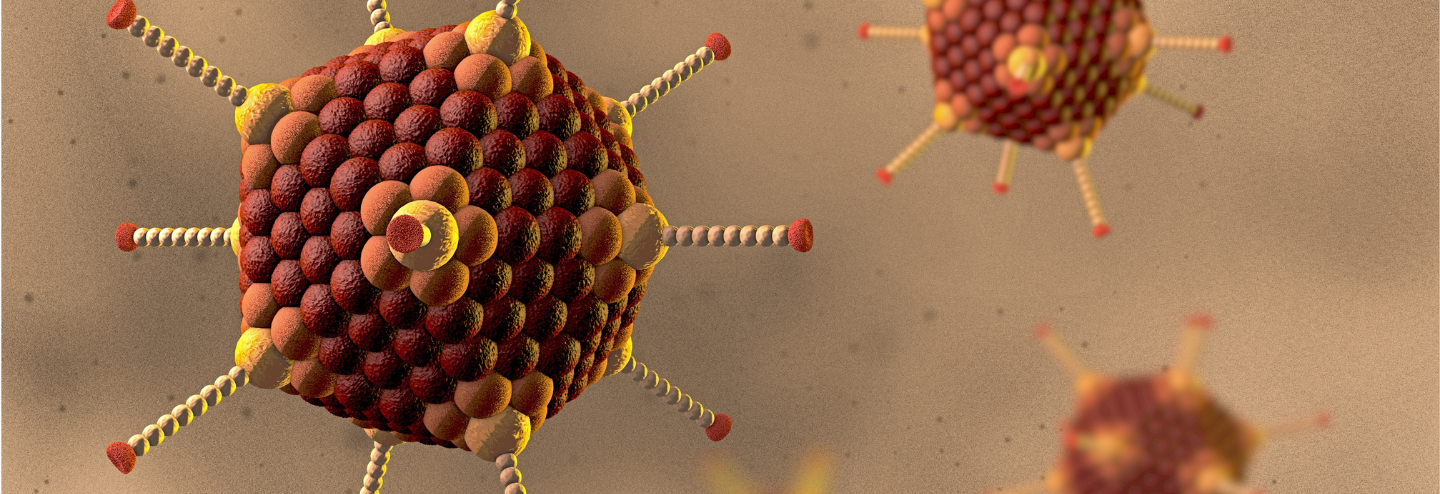
3.1. An adeno-associated virus (AAV) comprises a linear single-stranded DNA (ssDNA) genome of approximately 4.7 kb, enclosed in an icosahedron-shaped capsid consisting of three proteins.[14] The genome consists of two 145 nucleotide-long inverted terminal repeats (ITRs) at the termini, which encompass four replication (rep) and the three capsid (cap) genes. The full, non-enveloped virus is about 20 nm in diameter. As the name implies, the wild-type virus cannot replicate without the aid of additional genes provided by co-infection of adenovirus and is considered nonpathogenic. These features lend AAV to development as a delivery vector for genes that will fit into the capsid (limited to ~5 kb), and with a lower risk of infection caused by contaminating wild-type virus.[14]
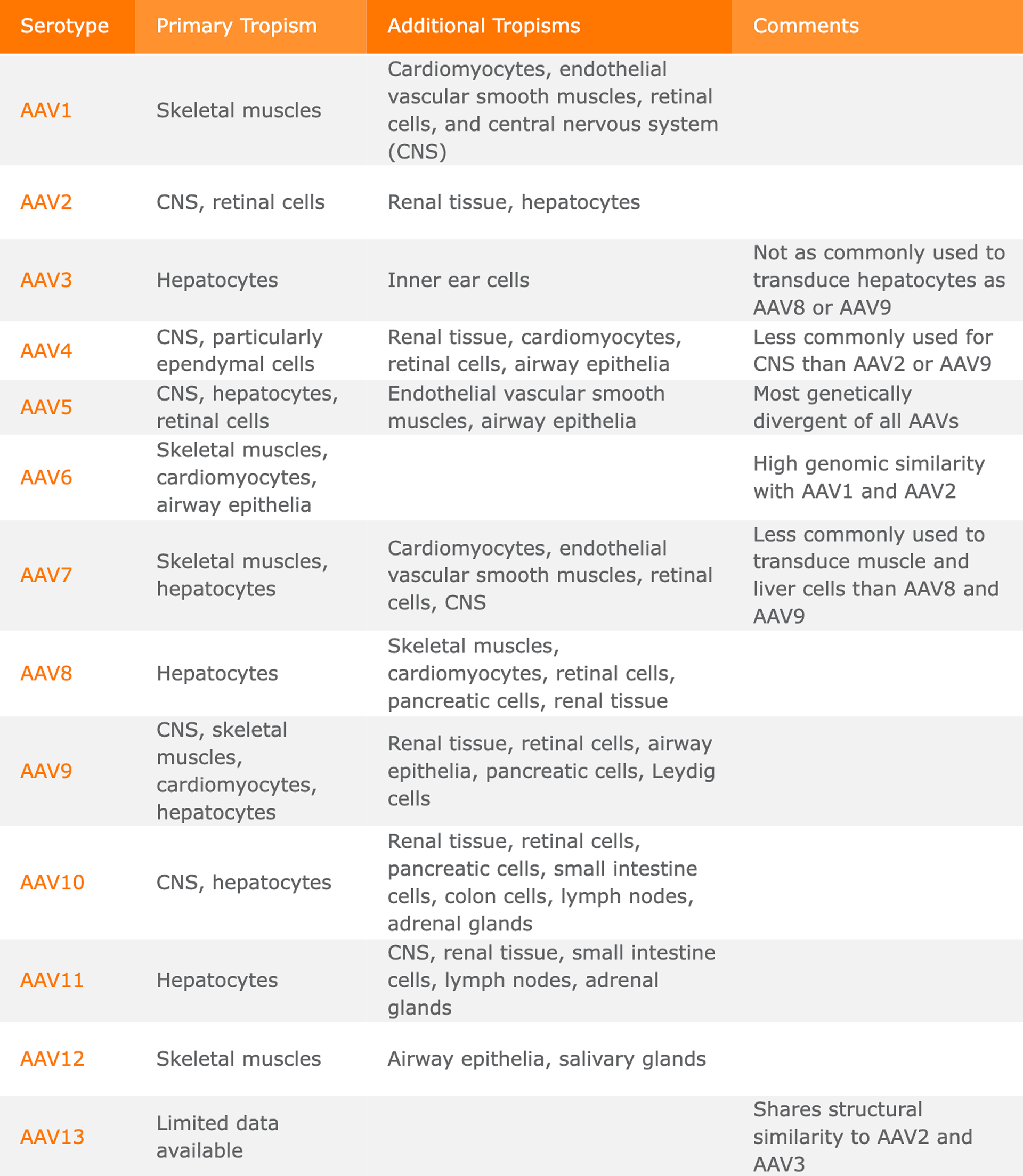
3.2. There are at least 13 AAV serotypes and over 100 AAV variants identified in adenovirus tissue culture stocks and human and nonhuman primate tissue samples.[14] The tropism of these serotypes differs such that they preferentially infect different types of cells, making AAV attractive as a virus for preferentially transducing specific cell types (Table 2). AAV2 is the most well-known and widely used vector for gene-delivery applications. It has a natural tropism toward skeletal muscles, neurons, vascular smooth muscle cells, and hepatocytes.[14]
3.3. Other commonly used AAV serotypes include AAV8 and AAV9.[14] AAV8 enables more efficient delivery of genetic material to the liver, skeletal muscle, and the heart, while AAV9 can cross the blood–brain barrier (BBB), providing a means for achieving widespread central nervous system (CNS) gene expression via intravenous administration.
Table 1. Common AAV Serotypes used in Drug Development
Source: [14]. Summarized by Nice Insight, August 2024
4. Anatomy of a Lentiviral Vector
4.1. The most common lentiviral vectors used today are based on human immunodeficiency virus-1 (HIV-1). Native HIV-1 consists of an asymmetric cone-shaped protein capsid that is 100–200 nm long and 45–50 nm wide.[15] The capsid is surrounded by an envelope[16] and encases the 9.8 kb positive-sense RNA genome. The native HIV envelope is derived from the host cell membrane and studded with viral Env proteins.[17]
4.2. The HIV Env protein is heavily glycosylated and binds specifically to CD4, which is prevalent on T cells, making the virus an ideal system to deliver genes to this class of immune cells.[18] HIV-1 and HIV-1–based vectors deliver their RNA genome into the cell, where it is reverse-transcribed by viral proteins into DNA. The viral genome (or synthetic genetic payload) is integrated preferentially into highly active regions of the host chromosome that generally are located near a nuclear pore. These features of HIV-1–based vectors help to ensure sufficient transcription of the payload.[18]
4.3. These types of vectors have been demonstrated to deliver payloads up to 15 kB, although reports state the efficiency of delivery is decreased with payloads over 9 kb.[17] The lower end of the range, however, is still much larger than the standard AAV-based payloads. Lentiviral vectors can effectively transfect both dividing and nondividing cells, and stably integrate into the host genome.
5. Market Overview
5.1. Cell and gene therapies, collectively referred to as advanced therapies, gain much media attention due to their promise for curative treatments, especially for devastating rare genetic diseases, and their extraordinarily high prices. Within the industry, they are also known for their high cost of goods, and difficulties in development and manufacturing as well as their astounding promise for patients and investors.
5.2. The past few years have seen a downturn in the market, but not in the scientific underpinnings of advanced therapies. Progress continues to be made in the research labs, clinical trials, and regulatory guidelines. The Alliance for Regenerative Medicine (ARM) holds an annual State of the Industry conference, and the key presentations are available for free online.[19] The reader who would like a deep dive into this industry is encouraged to watch the presentations each January.
5.3. In 2023, the headlines continued to remark on extraordinarily high prices, while some trade publications highlighted technical and regulatory challenges in the space.[20] Nevertheless, 2023 was a remarkable year in that five advanced therapies were approved — a number that was achieved in all of 2017–2022 combined. All of the indications for the approved therapies were for rare genetic diseases that have devastating effects on patients: dystrophic epidermolysis bullosa, Duchenne muscular dystrophy, hemophilia A, and sickle cell disease (two drugs). As of October 2024, an additional five therapies have been approved, for genetic diseases (hemophilia B), cancer (bladder cancer, melanoma, synovial sarcoma), and a cosmetic (nasolabial folds). This brings the total number of advanced therapies to 37, as of this writing in October 2024.[21]
5.4. As we will cover in later sections of the report, the clinical trial pipeline is strong and will continue to provide therapies for FDA review for years to come. In 2019, the FDA predicted it would begin approving 10–20 advanced therapies per year, beginning in 2025. According to ARM and our own data, that milestone appears to be on track.[19]
5.5. As more therapies are approved, healthcare systems are gaining opportunities to measure the outcomes in terms of real patient improvement and cost to healthcare systems. The Institute for Clinical and Economic Review (ICER) recently confirmed that the high cost of durable gene therapies for rare genetic diseases is offset, both in terms of patient outcomes and lifelong treatments. Patients with sickle cell disease, for example, live on average 45–55 years, which is half the average lifespan of their counterparts. The cost of treatment over their lifetime is $4M to $6M.[19] This does not include the pain and suffering of recurrent flare-ups of the disease. A one-time curative treatment of either Casgevy or Lyfgenia is $2.2M to $3.1M.[22] The total treatment, therefore, can double the lifespan of the patient, vastly reduce the pain of sickle-cell flare-ups, and save the overall healthcare system over $1M. This example is encouraging for researchers who are endeavoring to develop therapies for other patients with rare diseases who currently have few or no options.
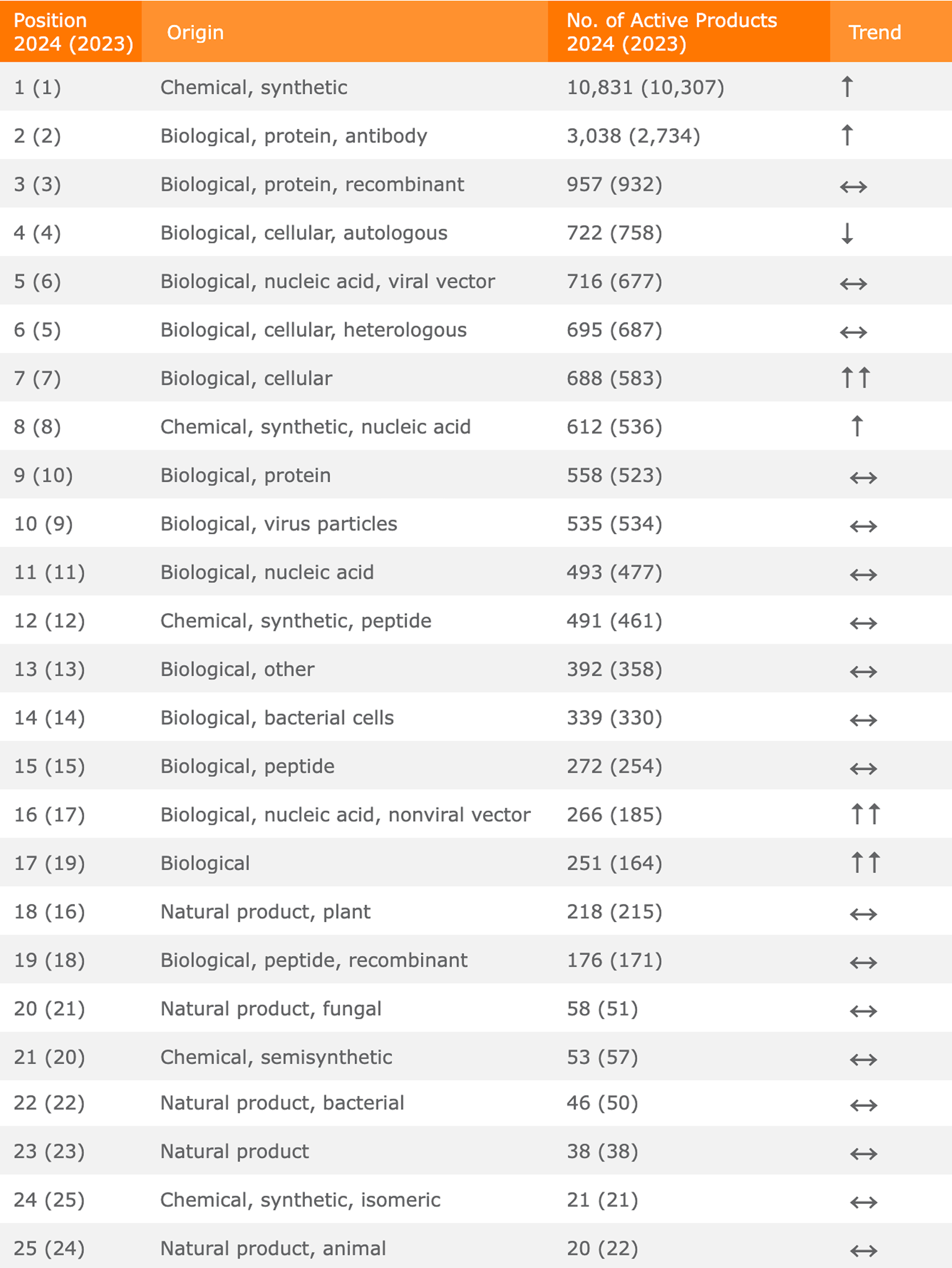
5.6. Compared to the overall biopharma market, advanced therapies are becoming more common. According to Citeline, biologics of any type make up 45% of the 2023 pipeline. Of these, 33% are advanced therapies, comprising 15% of the total biopharma pipeline (Figure 1).[23]
Figure 1. Origin of Pipeline Drugs
The chemistry of pipeline therapeutics as reported by Citeline is summarized.[23]
Table 3. Detail of Chemistry of Pipeline Drugs, 2024
Source: Citeline[23]; Nice Insight 2024
FAQs
What are the primary differences between AAV and Lentiviral vectors?
Adeno-associated virus (AAV) and Lentiviral vectors (LV) differ mainly in their target cell types and payload capacities. AAV is non-integrating and limited to 5 kb payloads for non-dividing cells, while HIV-1-based Lentiviruses can carry up to 15 kb, infect dividing cells, and stably integrate genetic material into the host chromosome for long-term expression.
How has the gene therapy regulatory environment evolved since 1999?
The regulatory landscape shifted toward stricter oversight following the death of Jesse Gelsinger during an adenovirus trial in 1999. This catastrophe led to the immediate halt of adenovirus-based gene supplementation, eventually paving the way for the U.S. FDA's first approval of a gene therapy, Luxturna, in 2017, signaling a new era of regulatory acceptance.
What role do plant-based viruses play in non-drug biotechnology?
Plant-based viral vectors like Cowpea Mosaic Virus (CPMV) act as versatile nanoparticles for applications beyond traditional pharmaceuticals. They are currently engineered for diagnostic imaging (MRI/CT), environmental bioremediation of pollutants, and agricultural genome editing to enhance crop resilience against climate-driven food insecurity in regions like Africa.
Are gene therapies cost-effective for modern healthcare systems?
One-time curative treatments for diseases like sickle cell disease are considered cost-effective because their $2.2M to $3.1M price tag is offset by eliminating lifelong treatment costs. These therapies can save the healthcare system over $1M per patient by preventing recurrent flare-ups and doubling the average patient's life expectancy.
Which AAV serotypes are best for central nervous system (CNS) delivery?
AAV9 is the premier serotype for central nervous system applications because it possesses the unique ability to cross the blood–brain barrier (BBB). While other serotypes like AAV2 have natural tropism for neurons, AAV9 allows for widespread CNS gene expression through simple intravenous administration.
Lutter, Sophie. “Building a Gene Therapy: Challenges and Changes in Viral Vector Manufacture.” International Biopharmaceutical Industry. 3(3):48–51 (2020).
 Source: [14]. Summarized by Nice Insight, August 2024
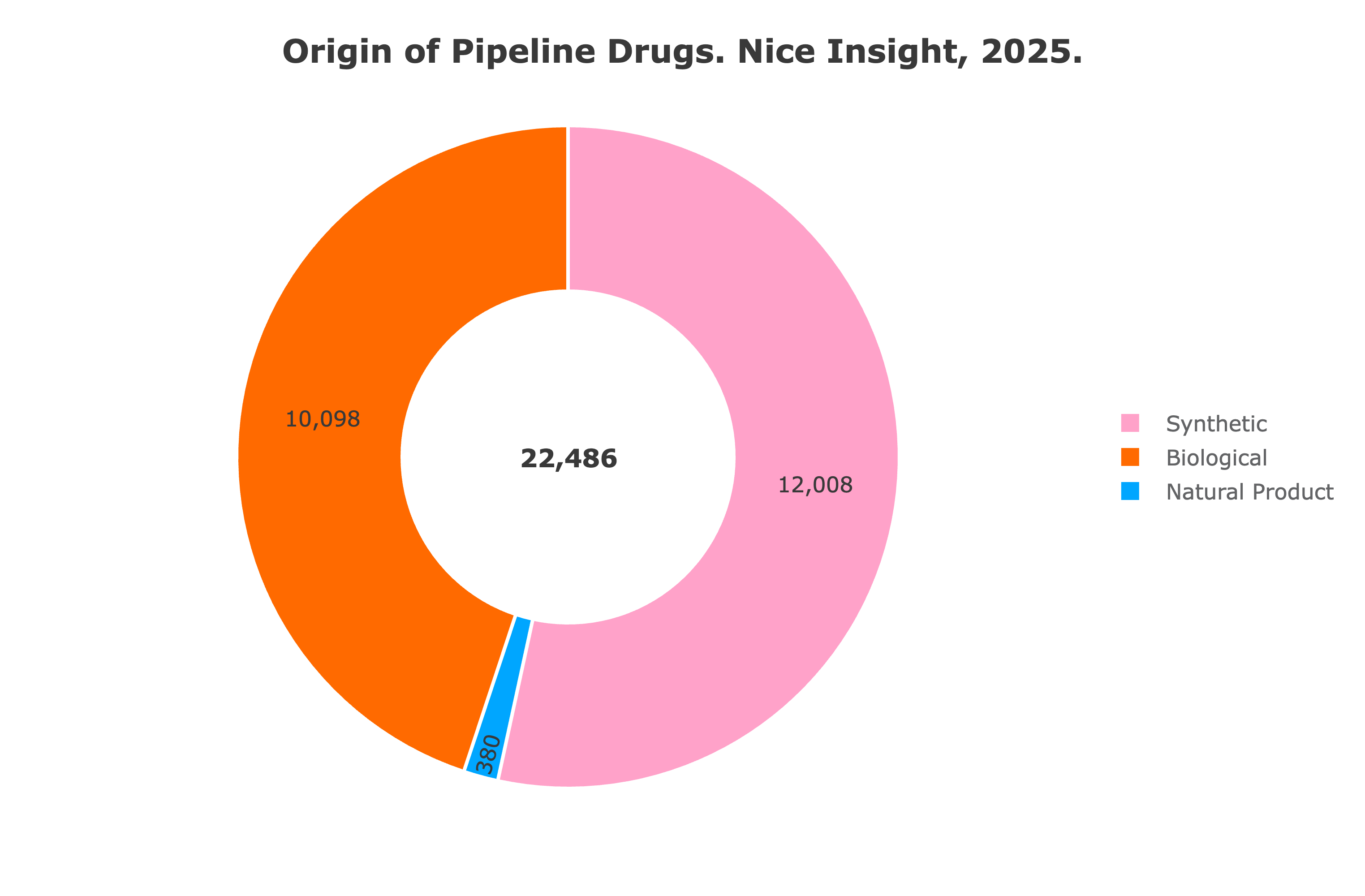 Figure 1. Origin of Pipeline Drugs
 Source: Citeline[23]; Nice Insight 2024