Holistic Formulation Strategy: Choosing the right OSD format requires balancing API chemistry with critical commercial factors, including shelf life, bioavailability targets, and manufacturing scalability.
Enhancing Solubility with ASD: For poorly soluble drugs, Amorphous Solid Dispersions (ASD) are essential for improving wetting characteristics, dissolution rates, and overall patient bioavailability.
Particle Engineering for Inhalation: Inhalation-grade powders require precise particle engineering; achieving a spherical particle shape is the critical attribute for successful pulmonary delivery.
Form-Factor Alignment: The intended final dosage format (tablets vs. capsules) dictates the specific physical and chemical requirements of the initial powder processing.
Market Growth & Innovation: The OSD market remains a dominant force in pharma. Novel OSD technologies are increasingly used to provide competitive differentiation and "new life" for generic small molecules.
1. Scope of Oral Solid Dose Formulations
1.1. Oral solid dose (OSD) covers a bewildering array of forms. A summary of some dosage forms is presented in Figure 1. Because tablets and capsules comprise the majority of the market, we will focus on the manufacturing and market trends of these forms.
Figure 1. Summary of Oral Solid Dose Forms
The diverse array of oral solid dose forms is presented.
Tablets
1.2 Tablets are ubiquitous because they have numerous advantages, including the following:
Cost-effective formulation and dose delivery
Simple, precise delivery method for low doses of APIs
Stable shelf life and low variability, both intra- and inter-batch
Easy self-administration for both patients and healthcare professionals
Can be consistently manufactured without heat or solvents
No specific excipients are required, which enables versatility to accommodate a wide array of APIs and alternative formulations of the same API, to achieve different bioavailability and drug targeting characteristics
1.3 New formulations can be readily explored because the tablet is such a reliable system. Potential new formulations can affect many properties of the same API, yet incur minimal manufacturing and regulatory hurdles to implement.(1) Some common tablet types and their manufacturing methods and advantages are presented in Table 1.
Table 1. Survey of Tablet Types
Source: Dogra, Shah, and Upadhyay(1)
Capsules
1.4. Capsules are small containers of medication encased in an outer shell, which dissolves in the digestive tract. Once the shell dissolves, medication is absorbed into the bloodstream in a manner similar to tablets, although the process is usually faster when the medication is taken as a capsule. Depending on the capsule type, medication can be filled as a dry powder or liquid form. Fill weights vary from 39 mg to 1,425 mg, although the largest capsules are used mostly for veterinary purposes.(2)
1.5 Capsule shells can be made of a range of materials, but most common hard-shelled capsules are made of either hydroxypropyl methylcellulose (HPMC) or hard gelatin. More recently, plant-based components, such as starch or polyvinyl alcohol (PVA), have been used to create hard-shelled capsules. Soft-shelled capsules are usually made of soft gelatin (softgel). Softgel capsules are often used to facilitate swallowing, and they are compatible with fish oil and other dietary supplements.(3)
1.6 Capsules have become popular because of some key advantages over tablets. They can be coated to protect the contents from stomach acids to deliver APIs to the small intestine. They are more readily formulated into sustained- or controlled-release dosages. Hard capsule shells can be premanufactured as empty components, which simplifies filling with API granules or powders. Gelatin and pullulan capsules are preferred shells for their low moisture content.(3) A comparison of tablets to capsule dosage forms is presented in Table 3.
1.7 The bewildering range of capsule types stems from the classification of capsules in a variety of different ways. The following classifications are commonly discussed in industry and will be used in this report.[14]
Classification by Material. See Table 2 for a summary of common capsule materials.
Classification by Structure. Hard and softgel capsules are the most common structures, but liquid-filled hard capsules and multichambered capsules are used for specialized applications.
Classification by Function. In addition to the generic capsule function, enteric capsules, sustained-release capsules, and controlled-release capsules are advanced formulations for specialized dose delivery.
Classification by Use. Pharmaceutical capsules are developed with heavy emphasis on protecting the API, but capsules used for dietary supplements tend to have a more consumer-focused design.
Table 2. Comparison of Different Capsule Materials
Source: adapted from Biyani(2)
Table 3. Comparison of Tablets vs. Capsules
Sources: adapted from Colorcon (4) and Brewer and Vandergriendt (5)
Powders
1.8 Although powders are typically processed into tablets and capsules, they are maintained in powder form as therapeutics, particularly in dry powder inhalers (DPIs). DPI formulations have historically been used primarily to treat respiratory diseases, such as asthma and chronic obstructive pulmonary disease (COPD), because the drug is delivered directly to the lungs; however, they are being increasingly explored for other indications owing to their avoidance of first-pass metabolism, improved compliance over injection delivery, and ability to bypass the blood–brain barrier. As with other OSD forms, the inhaler contains APIs and excipients formulated together for delivery by a device. To maintain suitable flowability characteristics of the powder, force control agents such as leucine, lecithin, and magnesium stearate are part of the formulation. DPI powders are processed by many of the same techniques as powders for tableting or incorporation into capsules such as high- or low-shear blending and spray-drying.(6)
1.9 While amorphous solid dispersions (ASD) are common in the OSD industry, the purpose of creating an ASD is often to enhance solubility, wetting characteristics, dissolution, and bioavailability.(7) While all the characteristics are also important for a DPI, the shape of the particle is the critical attribute for DPIs. DPI therapeutics must be spherical, with an aerodynamic size of 0.5–5 μm. Four features of the drug–device combination are important: dose metering, aerosolization, disaggregation, and adapter to direct aerosol. Each of these are directly dependent on the physical characteristics of the powder itself.(8)
2. A Short History Lesson
Pills for Medication
2.1 The formation of pills for medical dosing dates back to 1500 BCE in Egypt, where they were probably developed for the same reasons they are still used today: their easy, reliable delivery of medication to a patient. The early pills may have been coated with honey or grease to create a crude film that would make swallowing easier. Early trademarks were stamped into pills as far back as 500 BCE, when ancient Romans mass-produced pills in equipment that compressed the medication into regular shapes.(9)
2.2. Patents were granted for pill formulations as far back as the 1600s in England, and, by the 1700s, dubious claims for medical results were as common with pills as were their bottled counterparts that we can now confirm contained opium, cocaine, or other narcotics. The limiting factor for pill manufacture was, however, the need for moisture, which has long been recognized as a critical factor in destabilizing the active ingredients. Compression tablet manufacturing was invented in 1843.(10) Advancements in compression tablet manufacturing equipment in the 1950s spurred systematic study of tablet formation and gave rise to the modern tablet manufacturing industry.(10)
Spray-Drying
2.3. Spray-drying is commonly used in the pharmaceutical industry today, especially for poorly soluble APIs, but it was initially developed in the 1870s. Its first major application was creating powdered milk, and it has continued to have a major impact on the food industry ever since. Instant coffee and powdered eggs are other notable creations.
Hot-Melt Extrusion
2.4. The first single-screw extruder (SSE), invented in 1865, was powered by a water wheel and heated with a steam jacket. It intended to extrude rubber that would be used for coating of telegraph wires. Additional extruder configurations, patented in the 1870s, extended their applications to the plastic industry and later in the food industry. Mass processing with single-screw extruders was adopted beginning in the 1930s, which coincided with the invention of the twin-screw extruder (TSE). The first single-screw extruders were used in the pharmaceutical industry in the 1970s.(11)
3. OSD Market Drivers are Strong
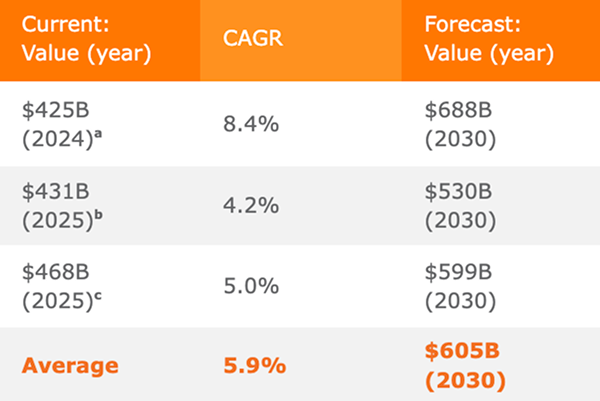
3.1. Any discussion of the OSD market must consider the underlying drivers: the global pharma and small molecule markets. The overall global pharma market is strong, as reviewed in Section I of this report. According to a survey of market research reports, the average anticipated growth of the overall pharmaceutical market is about 6% (Table 4). Generic APIs comprise a significant portion of this market, and although generics are encountering more cost pressures, the generics market itself is also anticipated to continue growing at about 6% through 2030 (Table 5). Novel APIs drive the OSD market, especially innovation within OSD manufacturing, and this market is also anticipated to grow at about the same rate, if not slightly higher than the pharma or generics markets (Table 6).
Table 4. Market Forecasts: Global Pharma
Forecasts as of Oct. 2025. References: a[12], b[13], c[14]
Table 5. Market Forecasts: Global Generics
Forecasts as of Oct. 2025. References: a[15], b[16], c[17]
Table 6. Market Forecasts: Global API
Forecasts as of Oct. 2025. References: a[18], b[19], c[20]
Tablets and Capsules Dominate
3.2. Within the OSD market, tablets have traditionally been the single largest component (Figure 2) and will remain so for the foreseeable future because they are a convenient, inexpensive, and well-established dosage form. Of the 33 small molecule NDAs filed in 2024, 41% were initially made available in tablets (Figure 3). Of the top 50 best-selling small molecule drugs of 2024 (Figure 4), 61% of them are available only as tablets (Figure 4).
Figure 2. Portion of Each Dosage Form in the Market, (2023 Sales, US $M)
Source: adapted from Grand View Research[21]
Figure 3. Dosage Forms of 2024 NDAs
The published dosage form for all of the 2024 new drug approvals (NDAs) is given. (One drug, Crenessity, is available as both a capsule and an oral solution and is therefore counted twice.) Data analysis by Nice Insight, March 2025.
Figure 4. Summary of Oral Solid Dosage Forms, Top 50 Drugs
The published dosage form for the top-selling small molecule drugs is given. (The suspensions include one that is an oral suspension, Xarelto, and one available as an extended release injectable suspension, Rinvoq. Xarelto is also available as a tablet.) Data analysis by Nice Insight, March 2025.
3.3. Capsules are nearly as common as tablets (Figure 2, Figure 3, and Figure 4), and are the fastest-growing segment of the market. Sales of capsules are predicted to grow at 6.9% CAGR through 2030, while tablets, powders, and granules are forecasted to grow at a CAGR of 6–6.6% over the same time period.[21] The growing popularity of capsules is due to their easier swallowability, better taste (or lack thereof), and ability to encapsulate a wider range of APIs, including liquids or gels.
3.4. Controlled-release dosage forms comprise over half of the dosage forms, while immediate release are just over one-third of the market, with delayed-release forms making up the remainder (Figure 4).[21] Hidden within these data is the growing trend of more multilayer tablets that can contain within a single pill both an immediate-release and a controlled-release formulation of the same API. Multilayer tablets can also accommodate multiple APIs with noncompatible formulation requirements.[22]
3.5. Consumers are becoming increasingly concerned with sustainability, and there is a growing demand for vegetarian capsules, such as those made from starch. Like multilayer tablets, multichambered capsules enable the incorporation of multiple APIs or different formulations of the same API within a single dose, and, therefore, are also gaining in popularity.
3.6. Traditional low- or medium-potency APIs dominate the market share, accounting for 81% of total sales. High-potency APIs (HPAPI) are the fastest-growing portion of OSDs, with 6.7%. Low or moderately potent OSDs are growing at 6.2% and 6.6%, respectively (Figure 5).[21]
3.7. HPAPIs, however, are finding a new niche in the biopharma industry as they are becoming increasingly conjugated to antibodies. The antibody–drug conjugate (ADC) industry is the fastest-growing niche in all of the pharma or biopharma industry, as indicated by the 20% year-over-year increase in clinical trial starts. Sales of the 12 approved ADCs are anticipated to grow at an average of 33% through 2030. For more information on the topic of ADCs, see Nice Insight’s Antibody–Drug Conjugate, ADC: Market Insight, CDMO Pricing and Competitor Benchmarking report.
Figure 4. Tablet Release Types in the Market (2023 Sales, US $B)
Source: adapted from Grand View Research[21]
Figure 5. API Potency Type in the Market (2023 Sales, US $B)
In this data, complex formulations are included in the high-potency category. Source: adapted from Grand View Research[21]
Other Dosage Forms
3.8. Orally disintegrating tablets (ODTs) are gaining in popularity due to the ease-of-use among elderly, pediatric, and psychiatric patients. ODTs have additional advantages in that they can bypass first-pass metabolism, enable rapid onset of action, and have enhanced bioavailability in some cases. ODTs can be manufactured by a number of both simple and advanced methods, including spray-drying, freeze-drying, HME, or direct compression. The critical novel attribute in an ODT is the excipient, and companies are working on novel excipients to increase their ODT portfolios.[23] Where an appropriate excipient for an ODT isn’t available, developers are increasingly relying on minitablets or microtablets. While mini- and microtablets accomplish the same user requirement of easier swallowing because they are only 2–3 mm wide, the tooling required to manufacture them is more fragile and more expensive.[22]
FAQs:
What factors determine the choice of an Oral Solid Dose format?
The selection of an Oral Solid Dose (OSD) format is determined by the interaction between API solubility, shelf-life stability, and manufacturing scalability. Developers must evaluate how the chemical properties of the small molecule influence bioavailability and whether the chosen format—tablet, capsule, or powder—meets the desired therapeutic profile and cost-efficiency targets.
How do Amorphous Solid Dispersions (ASD) improve drug performance?
Amorphous Solid Dispersions (ASD) improve drug performance by converting crystalline small molecules into an amorphous state to increase solubility and dissolution rates. This transformation optimizes the wetting characteristics of the drug, leading to significantly higher bioavailability in the gastrointestinal tract compared to traditional crystalline formulations.
Why is particle shape critical for inhalation drug products?
Particle shape is critical for inhalation delivery because it directly impacts the aerodynamic behavior and deposition of the powder in the lungs. A spherical morphology is the required standard to ensure consistent flow, reduce inter-particulate friction, and achieve the precise particle size distribution necessary for deep lung penetration.
What is driving growth in the Oral Solid Dose (OSD) market?
The OSD market growth is driven by a robust pipeline of both innovator and generic small molecules requiring stable, patient-friendly delivery systems. Furthermore, the integration of novel OSD technologies allows manufacturers to reformulate existing drugs, improving patient compliance and creating new intellectual property within the pharmaceutical supply chain.
How does powder processing differ between tablets and capsules?
Powder processing for tablets and capsules differs based on the mechanical properties required for the final format, such as compressibility and flowability. While tablets require powders that can withstand high-pressure compaction, capsule filling relies on consistent volumetric flow and bulk density to ensure accurate Drug Product dosing.

 Figure 1. Summary of Oral Solid Dose Forms
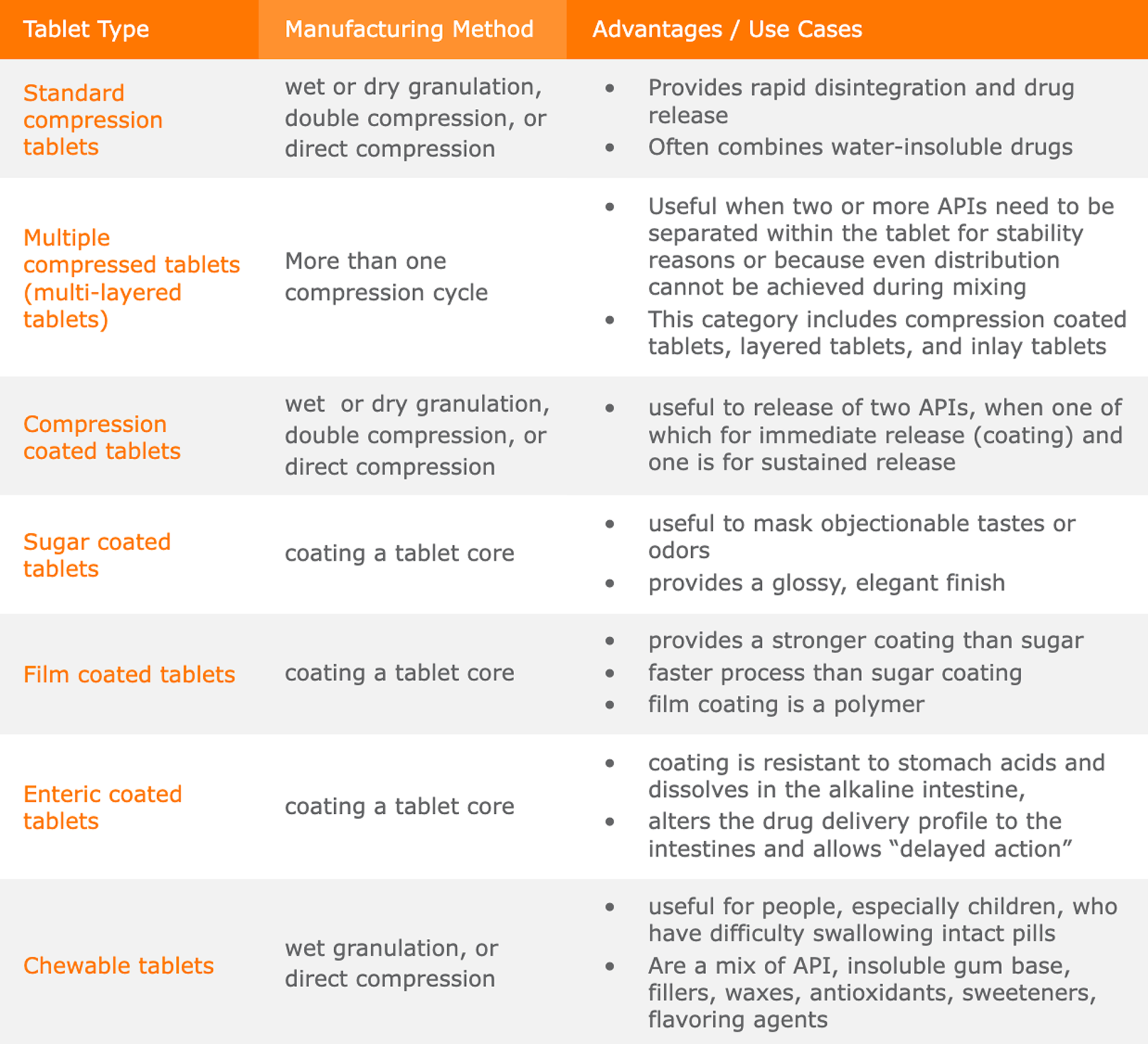 Source: Dogra, Shah, and Upadhyay(1)
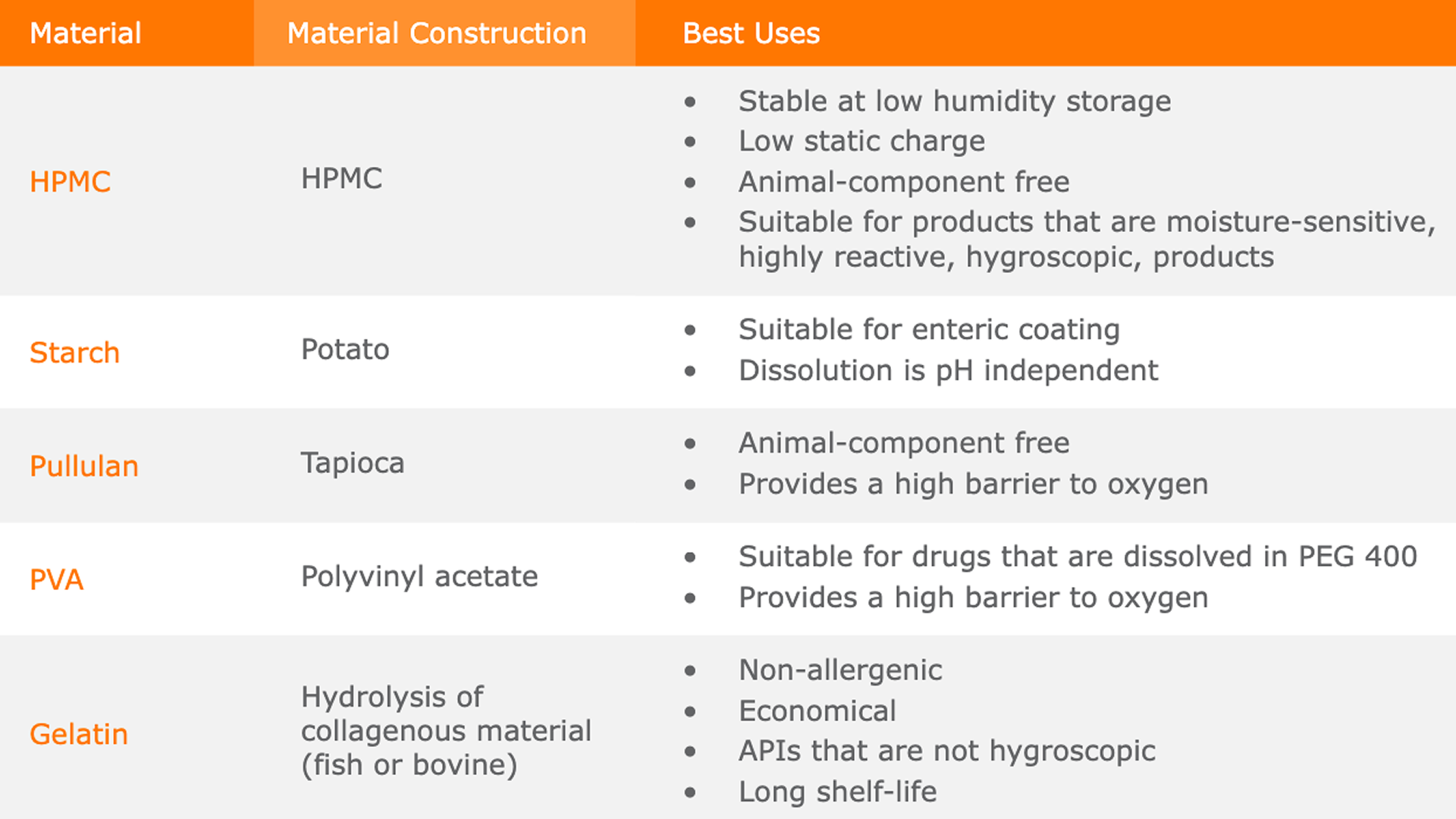 Source: adapted from Biyani(2)
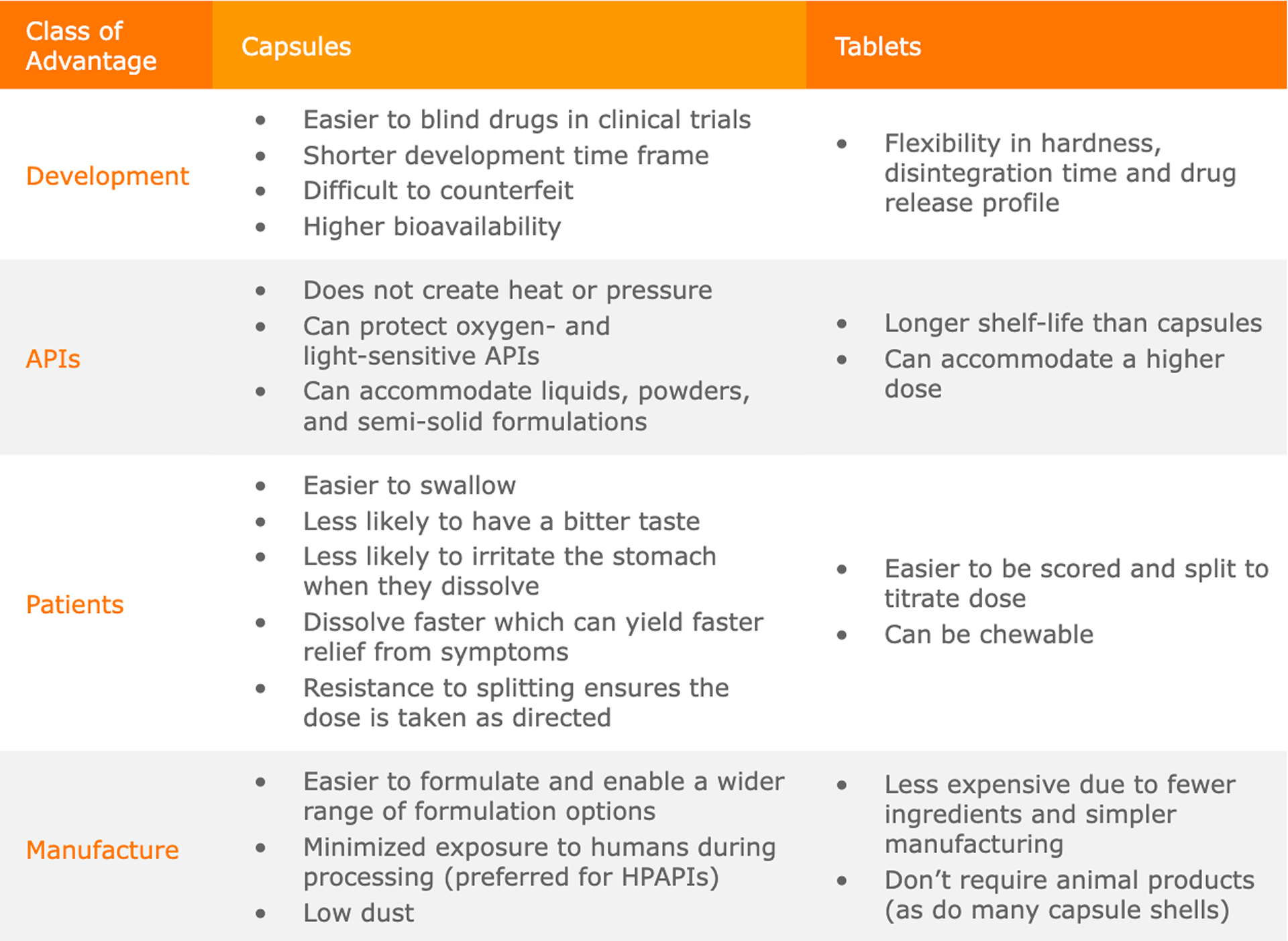 Sources: adapted from Colorcon (4) and Brewer and Vandergriendt (5)
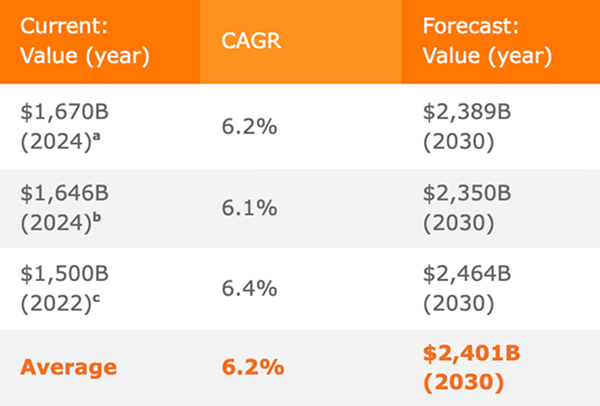 Forecasts as of Oct. 2025. References: a[12], b[13], c[14]
 Forecasts as of Oct. 2025. References: a[15], b[16], c[17]
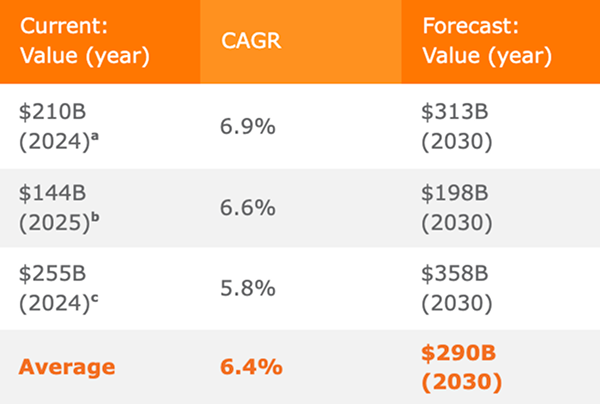 Forecasts as of Oct. 2025. References: a[18], b[19], c[20]
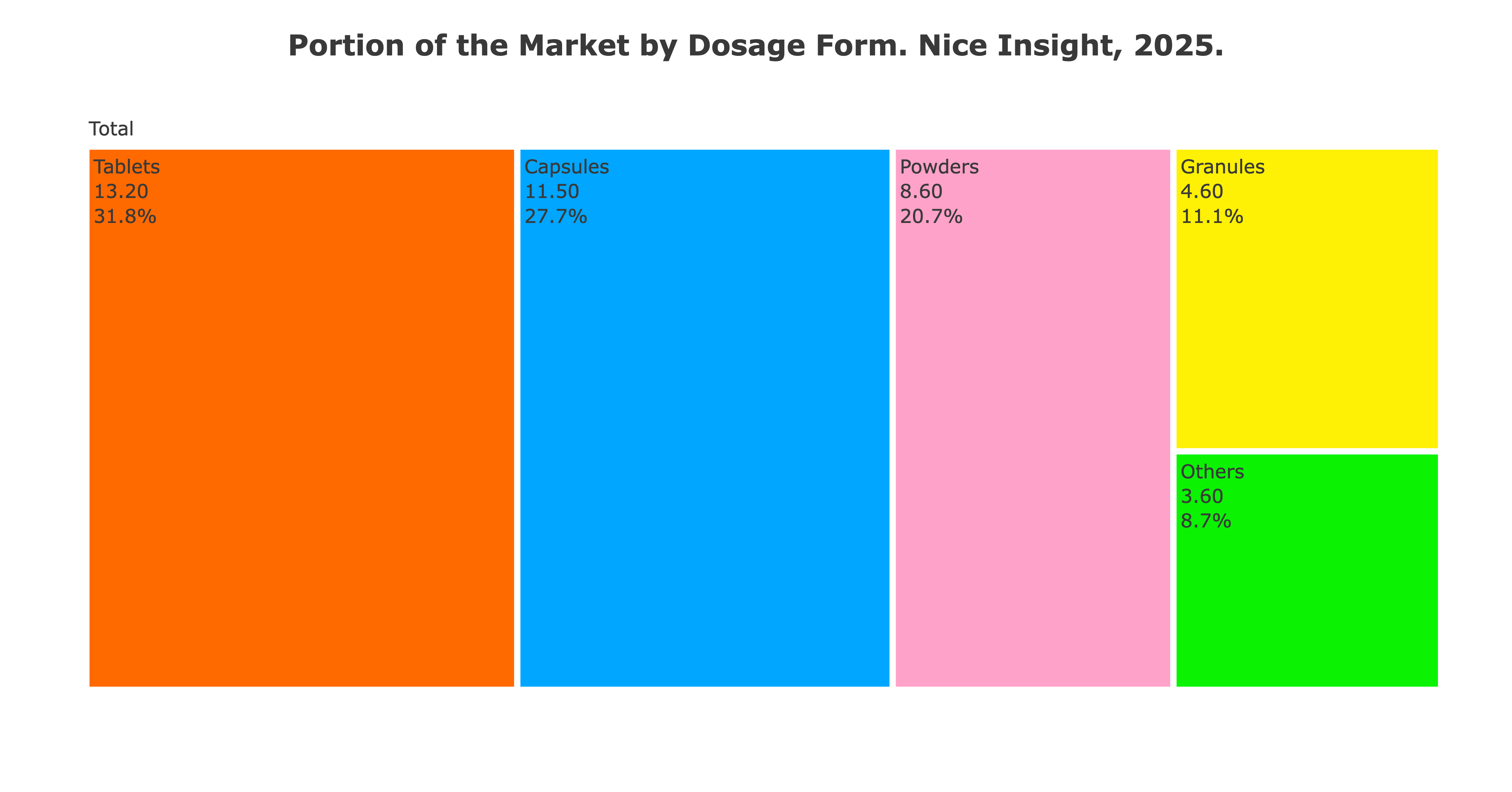 Figure 2. Portion of Each Dosage Form in the Market, (2023 Sales, US $M)
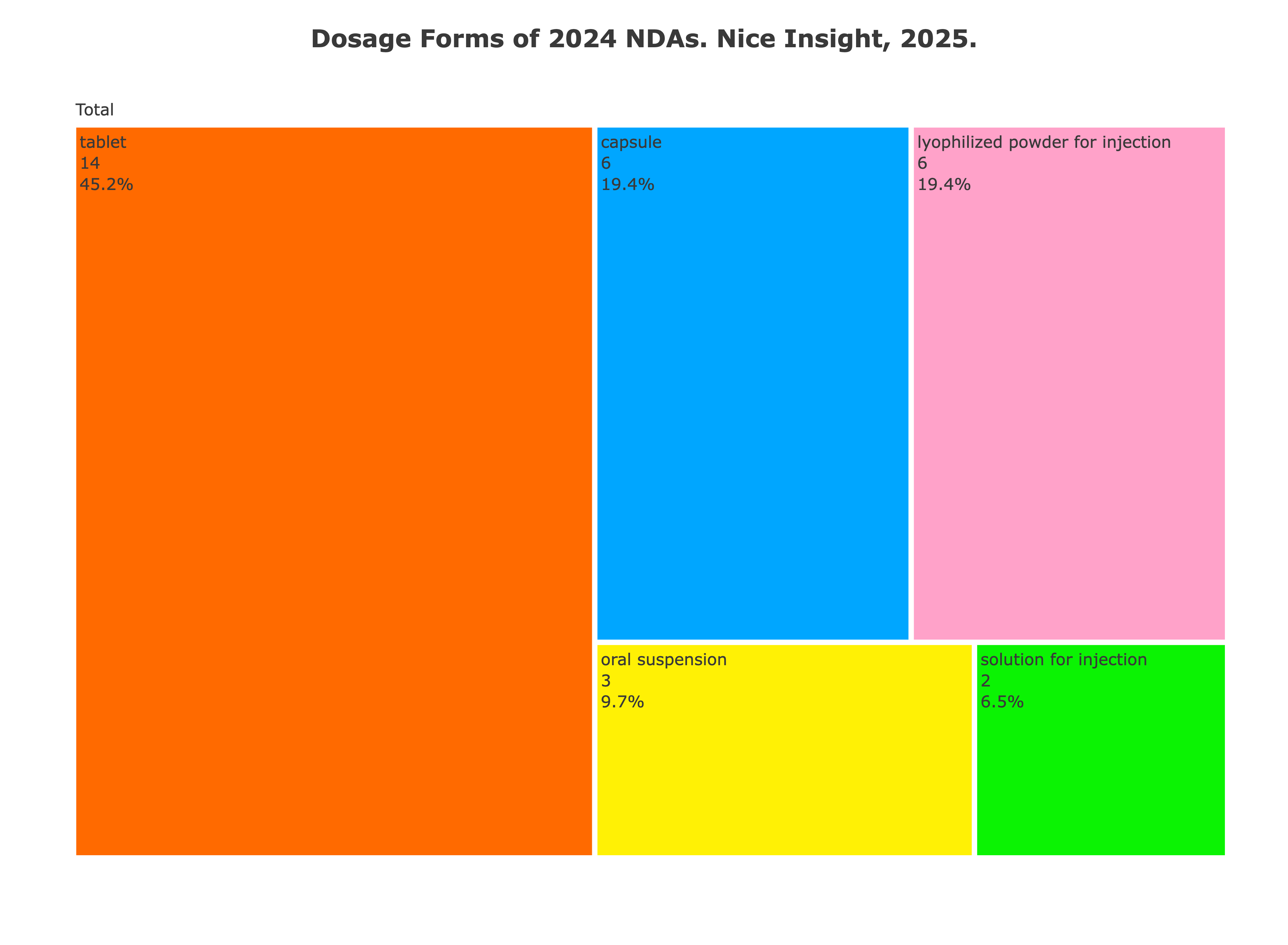 Figure 3. Dosage Forms of 2024 NDAs
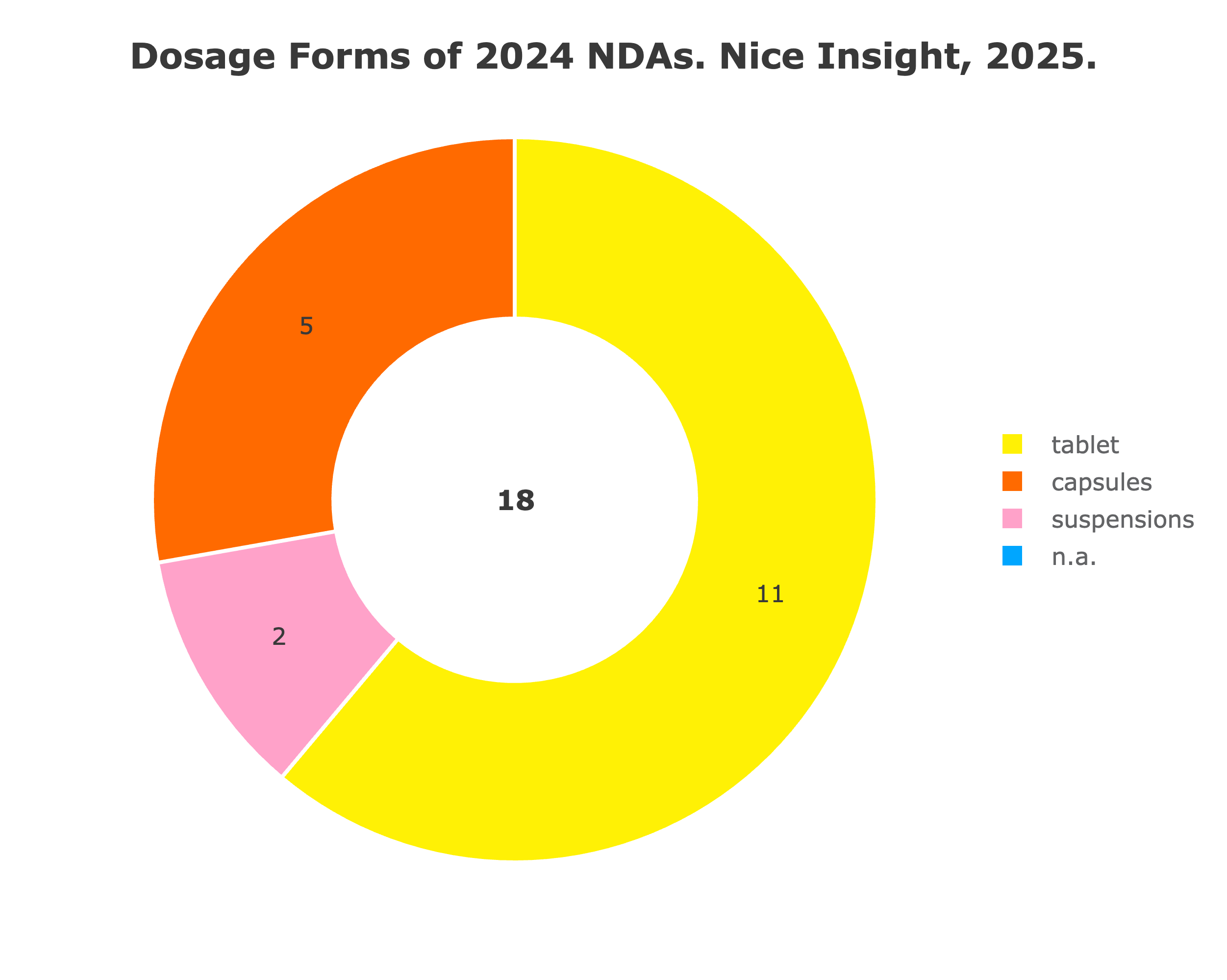 Figure 4. Summary of Oral Solid Dosage Forms, Top 50 Drugs
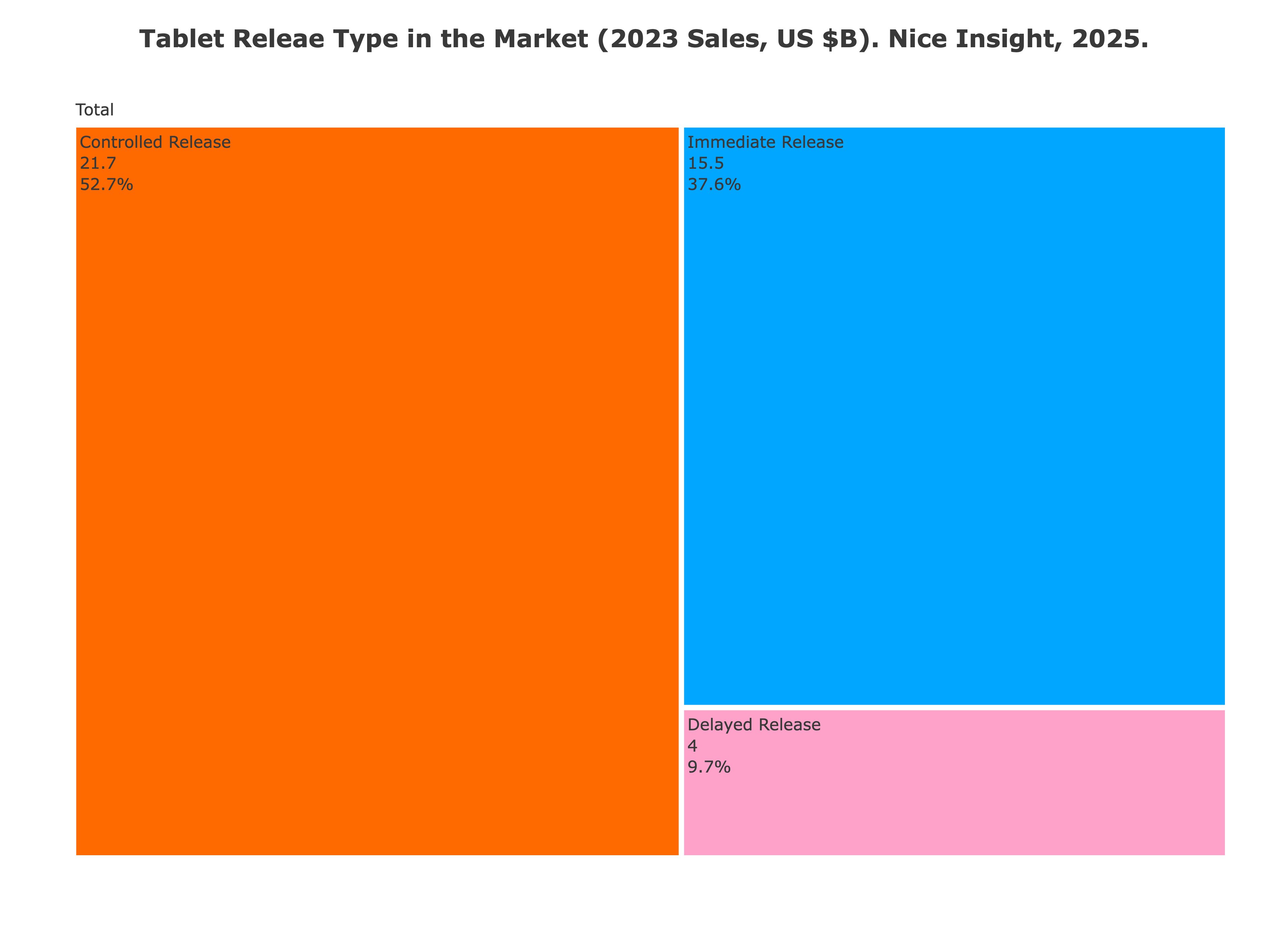 Figure 4. Tablet Release Types in the Market (2023 Sales, US $B)
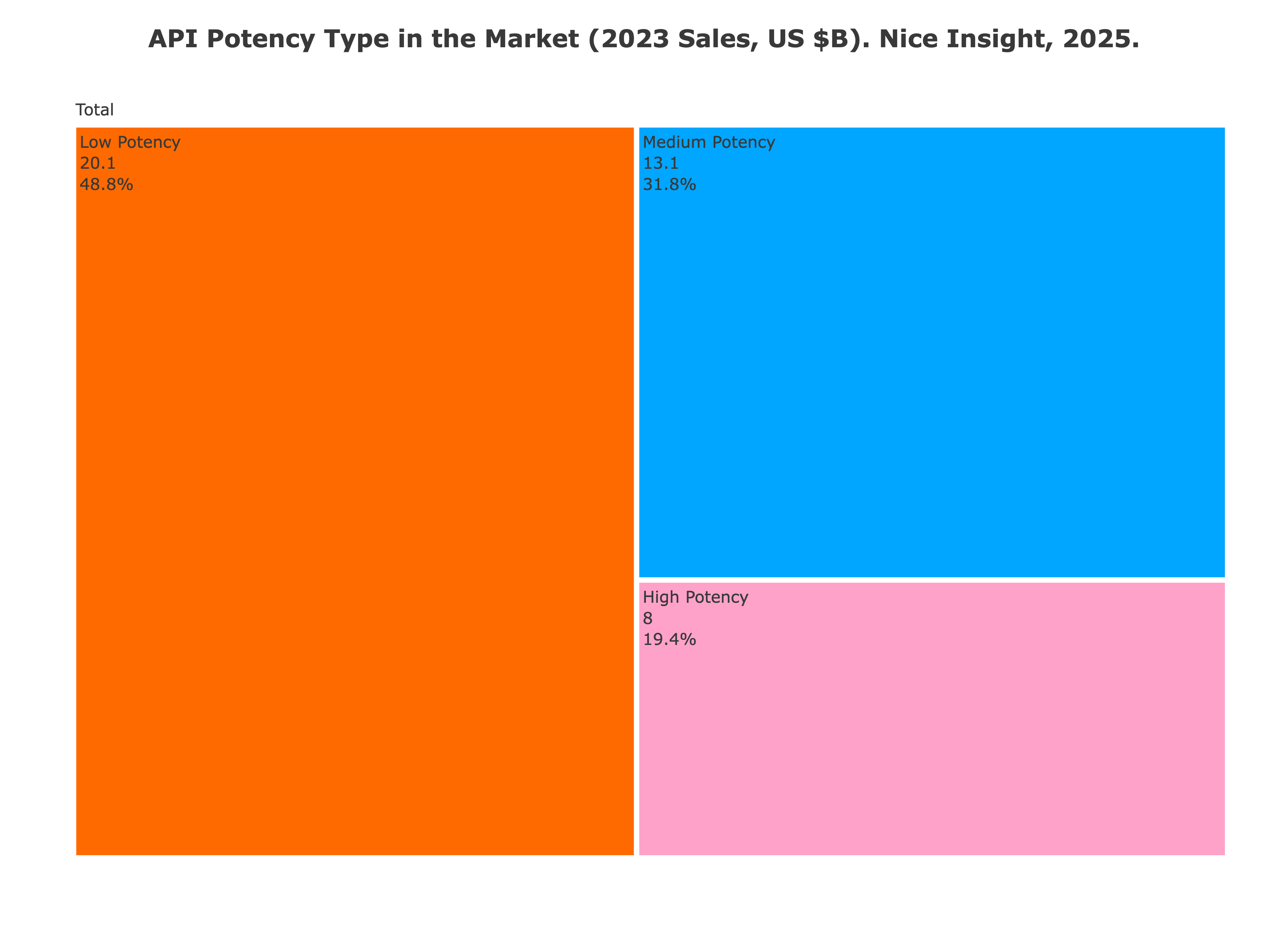 Figure 5. API Potency Type in the Market (2023 Sales, US $B)