Sustained Market Growth: The demand for sterile injectable formulations—spanning small molecules, biologics, and advanced therapies—has seen consistent growth for over two decades.
Shifting Patient Preferences: A primary market driver is the rise of self-administered drugs, shifting the focus toward patient-centric delivery methods and home healthcare.
Technological Integration: Increased adoption of wearable injectors and smart drug delivery systems is revolutionizing how complex therapies are administered.
Biologics Driving Innovation: The surging demand for large molecule biologics is a catalyst for the development of advanced sterile formulations and specialized primary packaging.
Next-Gen Device Demand: To keep pace with complex pipelines, the industry is seeing an urgent need for novel injectable devices that ensure stability and ease of use.
1. Market Overview
1.1. Sterile injectable drugs include products formulated using either chemical or biologically active pharmaceutical ingredients (APIs) for injection into a vein (intravenous, IV), muscle (intramuscular, IM), the space around the spinal cord (intrathecal), beneath the skin (subcutaneous, SC), or in the eye (intravitreal). Parenteral administration is the second most common method of drug delivery behind oral dosing, and injectable drug products, including vaccines, have been developed to treat and prevent many different types of diseases.
1.2. Injectable drug solutions have typically been packaged in vials, but products are increasingly prepared in cartridges, prefilled syringes, pens, and other forms of autoinjectors and, more recently, wearable devices.
1.3. The manufacture of sterile injectables is a complex undertaking that requires assurance of sterility for the final product, either through terminal sterilization of the packaged drug or aseptic filtration prior to filling for sensitive drug substances not amenable to the harsh conditions involved in terminal sterilization.
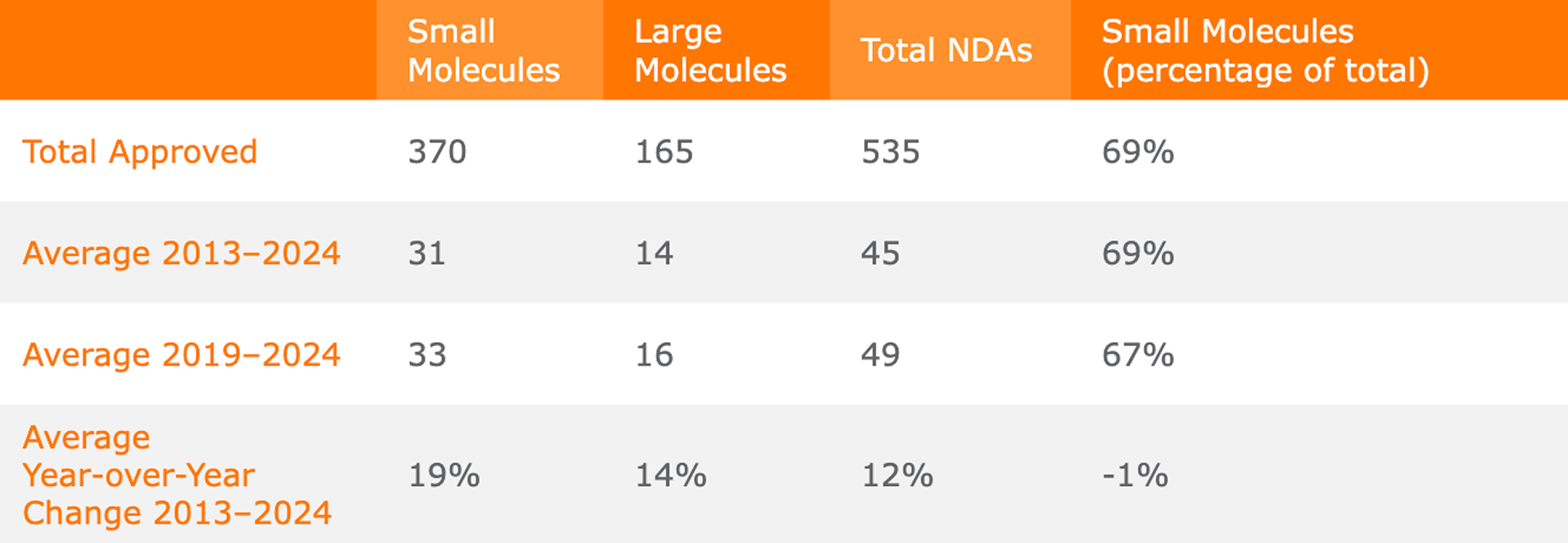
1.4. Increasing use of sterile injectables has been driven largely by the increase in biologic drugs which have been steadily gaining market share since the first biologic was approved by the U.S. Food and Drug Administration (FDA) in 1982. Historically, small molecule APIs held paramount significance within the global pharmaceutical industry, but they now represent only 70% of all new drugs approved by the FDA in the past decade.[1] The market share of biologics is expected to grow, as they are outpacing small molecules in new molecular entity (NME) annual approvals (Figure 2 and Table 1)[1].
Figure 1. Chemistry of New Drug Approvals, 2013–2024
The general molecule class of new drugs approved (NDAs) by the FDA from Jan 1, 2013 to Dec 31, 2024. Peptides are counted as large molecules in this analysis. Data analysis by Nice Insight, March 2025.
1.5. While the rate of approval of both classes has grown during the past decade, the ratio of small molecules to large molecules has decreased by a CAGR of 4%. At this rate, the portion of large molecule NME approvals will equal that of small molecules by 2029 (see Figure 2 and Table 1).[1]
1.6. Sterile injectable biologics include monoclonal antibodies (mAbs), insulin, peptide hormones, immunoglobulin, cytokines, blood factors, vaccines, and other drug classes. The mAb-based product area, including antibody–drug conjugates, antibody fragments, and other modalities, predominates.
1.7. These drugs are used to treat a wide range of diseases, including cancer; diabetes; cardiovascular, musculoskeletal, and central nervous system disorders; and autoimmune and infectious diseases, as well as many others. Due to the ever-increasing cancer burden, oncology drugs are expected to account for the largest share of the global sterile injectable drug market.
1.8. The pattern of biologics increasing market share is set to continue. Although the majority of the therapeutic pipeline remains small molecules, biologics represent a full 45% of therapies in development.[2] Given the higher success rate in the clinic of biologics and the rise of biosimilars, we anticipate biologics will continue to increase in terms of number of drugs, percentage of approved therapies, and portion of sales in the global biopharmaceutical market.
Figure 2. Chemistry of New Drug Approvals Annually, 2013–2024
The general molecule class of new drugs approved each year by the FDA from Jan 1, 2013 to Dec 31, 2024. Peptides are counted as large molecules in this analysis. Data analysis by Nice Insight, March 2025.
Table 1. Detail of NME Approvals, 2013 to 2023
Analysis by Nice Insight, March 2025.
2. Overall Trends
2.1. The sterile injectable market is comprised of roughly 30% small molecules, although these estimates are difficult to confirm.[3] While the small molecules market is growing, they are generally more amenable to oral solid dosage (OSD) formulations, and therefore the majority of the sterile market is driven by the biologics and advanced therapies markets. A survey of several market research reports (Table 2) estimates the market is growing at around 13% CAGR and will exceed $130 billion by 2030.
Table 2. Market Forecasts: Small Molecules
Forecasts as of Oct. 2025. References: [4][5][6]
2.2. Biologics and advanced therapies are growing at a faster rate than small molecules. Growth in demand for biologic drugs is fueled by several factors. Increasing wealth in emerging economies is resulting in greater levels of diseases previously only observed in mature economies — such as heart disease and diabetes — and the ability to afford more advanced treatments. The global population is also aging, leading to greater incidence of chronic diseases best treated with biologic drugs. Biologics also often offer greater target specificity, efficacy, and safety profiles.[7]
Table 3. Market Forecasts: Global Biopharma
Forecasts as of Oct. 2025. References: [8][9][10]
2.3. At the same time, the biosimilars market growth is being driven by multiple factors: greater opportunities for biosimilar launches as more biologics lose patent protection; a higher approval rate in the United States, increasing adoption of biosimilars there and in other mature markets due to greater awareness of their safety and cost benefits and government programs encouraging their use; and increasing demand in emerging markets.[11] Increasing prevalence of biosimilars is also contributing to expansion of the sterile market in emerging markets.
2.4. Global market forecasts vary among sources, but a short survey of forecasts of the biosimilars market, including insulin, mAbs, hormones, and growth factors, consistently predicts very high growth in an already very large market (Table 4). Likewise, the next-generation antibody market is forecast to grow at a robust rate (Table 5).
Forecasts as of Oct. 2025. References: [11][12][13]
Table 5. Market Forecasts: Next-Gen Antibodies
Forecasts as of Oct. 2025. References: [14][15][16]
2.5. The increasing complexity of drug substances is driving increasing complexity in the sterile market as well, and affects all aspects of development and manufacturing.[17] Manufacturers must be capable of both large- and small-volume manufacturing to meet the needs for the various types of sterile injectable drug products on the market and in development, including those that require isolators for manufacturing, such as highly potent APIs (HPAPIs). Modern delivery devices must offer enhanced ease of use and convenience for patients while ensuring patient safety.
2.6. Advanced therapies, such as cell therapies and gene therapies, comprise the bulk of the large-volume parenteral market. The advanced therapy market is also forecast to continue robust growth in the next few years (Table 6).
Table 6. Market Forecasts: Advanced Therapies
Forecasts as of Oct. 2025. References: [18][19][20]
3. Patient-Centric Focus
3.1. The drive to develop patient-centric medications now pervades all aspects of the pharmaceutical industry, including sterile injectable drugs. It has been argued, in fact, that this sector of the pharma market has led the way with respect to the development of novel delivery methods focused on addressing ease of use and convenience.[17] Examples include prefilled syringes, pens, and autoinjectors for subcutaneous delivery, use of digital solutions, and wearable injectors. Combination ready-to-mix devices, such as those incorporating freeze-dried vials paired with aseptically filled bags, are more recent developments.[21]
3.2. One of the key patient concerns with sterile injectable drug delivery is the sensation of pain upon injection. Pain perception is influenced by many factors relating to the drug formulation, the delivery device, and the patient involved.[22] The volume required, the site of injection, and the viscosity and pH of the formulation are drug-related factors, while the needle size and insertion speed are related to the device, as are the presence or lack of control and information feedback systems.[22] The preference of patients for one device type or another may also influence their perception of pain. Injection speed, meanwhile, is under the control of the patient. Individuals also have varying pain tolerances, and some may find self-injection stressful, leading to increased tenseness, which can contribute to increased pain. Lack of training and/or disregard of instructions, such as warming of refrigerated drugs, can contribute to greater pain sensation as well.
3.3. Devices designed for self-administration are evolving rapidly to address, where possible, these many factors. The shape and size are designed to be ergonomic and to facilitate operation. Many devices today include visual and audible signals to indicate when patients must do something or when automated steps have been completed. Sensors indicate when device placement is correct. Needles automatically retract to prevent reuse and ensure avoidance of needle-stick injuries. Some devices offer single-step mixing and injection, while others are designed for sequential injection of two liquids. Others enable automated mixing of lyophilized powder with water for injection (WFI), avoiding potential contamination issues.
3.4. The use of demonstration devices is one approach to improving the patient self-administration experience that is not often leveraged today.[23] In fact, nearly half of patients prescribed self-injection medications do not receive any in-office training, yet it is known that training leads to greater patient adherence and that more than three-quarters of patients use autoinjectors incorrectly once they are at home.
3.5. Demonstration devices replicate the self-injection experience, but without any needle or delivery of medication.[23] As such, they allow patients to familiarize themselves with the self-injection process without any risk. Use of demonstration devices in human factor studies during early clinical phases could also provide invaluable insights into device design.
4. Growing Demand for Highly Potent Injectables
4.1. Development of highly potent drug products is increasing at a healthy rate in response to the ongoing emphasis by large and small companies on the oncology space, the growing number of targeted therapies, which are often more potent than systemically delivered drugs, and the increasing preference for more potent drugs that require less frequent dosing regimens.[24]
4.2. The majority of highly potent drugs are anti-cancer and immunosuppressant medicines, but potent therapies are also being developed for many other disease categories, including those that affect larger patient populations.[24] As a result, manufacturing capacity and capabilities are needed to expand the range of small to large volumes.
4.3. In the cancer space, ADCs are making strong headway as a new type of targeted, highly potent therapy combining the delivery specificity of mAbs with the cytotoxicity of small molecule chemotherapeutics. The first ADC received FDA approval in 2013.[25] As of December 2024, 15 FDA-approved ADCs were on the market. For more information on the topic, see our report Antibody–Drug Conjugate, ADC: Market Insight, CDMO Pricing and Competitor Benchmarking.
5. Device–Design for Large Volumes and High Viscosity
5.1. Volumes for subcutaneous injection have typically ranged from 1 to 2 mL, with up to 3 mL possible more recently. There is a need, however, for the delivery of larger volumes (see above). Approaches include increasing the concentration to reduce the volume or enabling the delivery of larger volumes through device–design advances and/or modification of the subcutaneous space.[28]
5.2. While the use of large-bore needles and long delivery times allow high dose/volume SC deliveries, these approaches are not patient-centric.[29] Fortunately, more attractive solutions have been commercialized or are in clinical evaluations. They allow for high-concentration formulations by creating suspensions in a carrier fluid and the formation of microparticles, microbeads, and crystals. Other solutions minimize intermolecular interactions to enable high-concentration formulations and are in clinical studies for the delivery of ultra-rapid-acting insulin, ultra-concentrated rapid-acting insulin, and other therapies, including antibody drugs.
5.3. Many of these drugs have high viscosities, which require increased force or time to administer. The increased force can be a significant issue for many patients and caregivers, so efforts have also been focused on designing devices that manage this issue.[28] Autoinjectors have been introduced or are in development that have increased spring forces, either using traditional linear springs with added support for device components or torsion springs and regulators. Others are using different sources of force, such as compressed gas or electromechanical motors.
5.4. Other approaches involve the use of cyclic olefin copolymer (COC) containers, which can handle more stress, and innovative needle designs, including shortened needles, thin wall/ultra-thin wall technology, needles with tapered geometry, and side-bores. Wearable devices, meanwhile, can also enable the delivery of larger volumes over longer periods of time (see below).
5.5. Local and transient modification of the SC space using the enzyme hyaluronidase to induce degradation of hyaluronan is also being investigated as a means for allowing the SC delivery or larger injection volumes.[28]
5.6. Regardless of the approach, the development of new device technologies that can enable the self-administration of high-volume and high-viscosity sterile injectable formulations can be a real differentiator in the current, highly competitive marketplace for next-generation biologics.[30]
6. Increasing Connectivity of Injection Devices
6.1. As part of the trend toward increased patient centricity, many of today’s devices for the self-administration of sterile injectable drugs include digital technology.[27] Sensors help patients position and use devices correctly. Smart devices allow for app-based tracking of usage, dosage, and adherence and/or send data to cloud-based systems for further analysis. These systems allow for ongoing patient–physician interactions. In addition, the data can, for instance, be used to create future therapies customized for specific patients.
6.2. The key to the incorporation of such digital technologies, particularly for disposable devices, is cost-effectiveness.[27] The electronic modules must also have minimal footprints and be integrated into a single chip using appropriate sensing and communication architecture.
7. Growing Need for Customized Delivery Devices
7.1. The rising complexity of drug formulations and the growing percentage of personalized, niche, and self-administered medicines has made legacy off-the-shelf systems, namely vials and simple syringes, appropriate on a less frequent basis. Instead, medical devices more often need to be tailored to the requirements of specific sterile injectable formulations with respect to fill volumes, injection volumes, injection times, needle requirements, container materials, and other considerations.[27]
7.2. There is an additional need for patient-centric designs that offer intuitive and flexible injection processes for patients without skill or training in self-administration while addressing individualized dosing needs based on body weight.[31]
7.3. Custom-designed reusable devices, while initially more expensive to develop, can, in the longer term, be cost-effective, because patients prefer more user-friendly solutions, and there is a growing preference from an environmental and sustainability perspective for reusable devices.[31] In addition, production scaling of reusable devices is simpler due to the need for fewer units versus the establishment of high-volume manufacturing lines. Greater design flexibility can also be achieved using software-controlled electromechanical systems, affording greater usability, risk, and robustness. Small and specialized pharma companies should be wary of staying too focused on drug development and downplaying the importance of device design.
7.4. Drug developers for early-phase clinical trials will typically use vials because they allow for overfilling, which is often required. Switching to a more complex drug–device combination product, including custom-designed solutions, is often part of the development strategy today to address patient preferences (e.g., subcutaneous vs. intravenous delivery and/or autoinjectors and safety devices) or due to changes identified in early phases regarding dosing or the need outside the clinic to administer very low doses as accurately as possible in the lowest achievable volumes with minimum waste, such as is the case for flu vaccines.[32]
7.5. Switching to a drug–device combination product is optimally achieved before phase III trials, because at this point the delivery method, dosing pattern, and drug substance synthesis have been established.[29]
7.6. To achieve this switch in an effective manner requires a scientifically robust bridging strategy that includes a method for device selection and the studies necessary to demonstrate similar performance of the drug–device combination product, including bioequivalence of any new formulation (such as when switching from a lyophilized powder to a liquid in a prefilled syringe) and potential for interactions of the product with the device components.[29]
8. Demand for Small-Volume Parenterals
8.1. The shifting focus toward orphan drugs has created opportunities for small and emerging pharma and biotech companies focused on developing highly specialized therapies that address diseases involving smaller patient populations.[17] These smaller firms tend to rely on contract development and manufacturing organizations (CDMOs) for support throughout the development and commercialization of their products, particularly for complex sterile injectable drugs.
8.2. Increasingly, products being developed to treat rare/orphan diseases are precision or personalized medicines, such as antibody–drug conjugates (ADCs) and gene and gene-modified cell therapies targeting genetic diseases.[33] Generally, drug product volumes for orphan drugs are much smaller than those for traditional medicines, requiring new solutions for small-volume manufacturing of both drug substances and drug products. Overall, the ratio of small molecules to biologics has been decreasing by an average of 1% since 2013 (Figure 3). As mentioned above, biologics are more often packaged in sterile vials or related formats such as prefilled syringes.
8.3. Many personalized medicines do not fit traditional manufacturing paradigms, and novel technologies and approaches will be needed.[34] For sterile injectables, that will include fill/finish into suitable primary packaging. In many cases, tailored and flexible filling solutions are needed to ensure appropriate options that afford risk mitigation and control of sterility.[35][36]
MF14 Figure 3. Orphan Drug Designations by Molecule Class (2013-2025)
FDA orphan Drug designations from Dec. 31, 2013, to Sept 2, 2025, are shown by year designated. Small molecules include synthetic chemistries and non-polymeric molecules. Biologics includes peptides and full-length proteins. Advanced therapies include cell therapies, gene therapies, and all RNA therapies. Data analysis by Nice Insight, Sept 2025.
9. Plastic Packaging Making Inroads
9.1. Given the supply issues with pharma-grade glass, interest is rising in the use of plastic for the delivery of sterile injectables.[26] Improvements in molding technology, including blow/fill/seal (BFS) solutions, are accelerating this trend.
9.2. One example is the steady increase in the use of polymer syringes, which also benefit from being free of heavy metals and tungsten, particularly plastic syringes that do not require the application of silicone to the barrel to facilitate movement of the plunger.[27] Hybrid syringes are also in use today that have a thin glass layer that serves as a barrier to gas and moisture ingress.
9.3. While plastic syringes can be based on forms of polyethylene and polypropylene, cyclic olefin polymers (COPs) are receiving significant attention because they offer break resistance, superior functional performance, highly reduced extractables, and a low particulate burden.[26]
9.4. Plastics also provide flexibility that can be beneficial in other applications related to sterile injectable drug delivery, such as small reservoir pouches for wearables and IV bags that are easy to empty.[37] The flexible nature of the plastic allows for greater design flexibility to address flow and other issues for more accurate dosing, for example.
9.5. BFS solutions, meanwhile, facilitate the production of sterile injectables in unit-dose packaging in various shapes and sizes.[38] BFS has been used in the food and beverage and cosmetics and personal care industries for many years.
9.6. For pharmaceutical applications, it offers advantages for the aseptic production of everything from ampoules to prefilled syringes because forming, filling, and sealing of containers occurs at the same time within a continuous ribbon of parison (melted resin), leading to reduced risk of microbial and particulate contamination.[39]
9.7. Elimination of the human intervention required in traditional glass fill/finish operations, combined with the greater flexibility and reduced breakage concerns with plastics, are key advantages of BFS.[42] In addition, the production of BFS devices involves a much simpler supply chain than the production of glass devices, as only one primary packaging material is needed, and pharmaceutical-grade resins are widely available and can be stockpiled for years.[41] There are environmental benefits of the BFS process as well, including reduced energy consumption and a smaller carbon footprint.
9.8. In addition, for prefilled syringes, the needle can be attached as part of the process.[39] Elimination of a separate assembly step combined with the reduced weight of the syringes adds up to reduced time and cost to reach the market. With BFS, it is also possible to operate at refrigeration temperatures (such as 4 °C), which is particularly valuable for heat-sensitive biologics and vaccines.
9.9. On the negative side, BFS requires specialized equipment and process knowledge, and it is necessary to demonstrate compatibility and stability of the drug product in the formed package, including with respect to extractables and leachables.[40] Secondary containment is also required, because plastics are generally semipermeable, potentially allowing contaminants to leach into the drug product from the environment.[41]
9.10. Catalent has demonstrated that, for formulated mAbs filled in both traditional glass vials and its ADVASEPT™ BFS vials, BFS technology is not only a viable option for the primary packaging of biologics but also a cost-effective method for the production of unit doses of sterile injectables.[40] It is possible, according to some, that BFS could enable the adoption of unit-dose parenteral drugs in low- and medium-income countries without increasing existing budgets.[41]
9.11. Currently, BFS is used for more than 50 injectable products.[41] Meanwhile, the Consortium for the Rapid Aseptic Packaging of Injectable Drugs (RAPID) is a public–private partnership dedicated to helping the United States and its allies more quickly and effectively manufacture, package, and transport injectable medicines and vaccines in a national health emergency.[42] The consortium is exploring the use of BFS and other modern drug packaging and delivery technologies to enable the rapid production of hundreds of millions of prefilled syringes.
10. Continued Advances in Wearable Injectors
10.1. Wearable injection devices, also referred to as on-body delivery systems (OBDS) or patch pumps, have the potential to enable delivery of high volumes or higher concentrations of sterile injectable drugs while minimizing patient discomfort. They can serve as a market differentiator for drug manufacturers, a cost-saving treatment approach for payers and providers, and a means of maximizing convenience for patients.[43]
10.2. However, wearable injectors are extremely complex drug–device combination products that pose significant development challenges. As a result, there have been few commercialized OBDS since the FDA granted approval in 2001 to Cygnus’ GlucoWatch Biographer as a prescription device for adults with diabetes, other than those designed to deliver insulin.[44]
10.3. One issue has been the advances made in autoinjectors for the delivery of volumes up to 3 mL. Several OBDS in development are for volumes of less than 5 mL, which could theoretically be managed with state-of-the-art autoinjectors.[44]
10.4. There are changing market dynamics that could drive growth in demand for OBDS solutions outside of the diabetes space. In addition to the increasing need for delivery of high-volume and highly viscous biologics, some drugs require specific dose timing, such as a certain flow rate, or unusual dosing regimen, such as delivering the drug from more than one container.[45]
10.5. In oncology, there is potential for OBDS solutions for cancer drugs traditionally administered intravenously. The switch to SC delivery of any type, let alone through a wearable injector, will require overcoming this long-standing approach.
10.6. A few commercialized anticancer therapies have been developed for SC administration. There are also a few clinical studies evaluating SC delivery for maintenance therapies and PD-1 and PD-L1 checkpoint inhibitors initially developed as IV drugs, including Merck’s Keytruda (pembrolizumab), a globally best-selling drug. With estimated volumes of 5–20 mL, such drugs could be ideal candidates for delivery using OBDS. [44]
10.7. As with other self-administration approaches, OBDS eliminate the need for hospital or clinic visits, reducing the patient and clinician burden.[44] They also have the potential for faster setup times and shorter delivery durations than IV administration.
10.8. Wearable injectors on the market and in development include both prefilled and reusable, refillable options.[44] Some push the drug using a more traditional telescopic or bending plunger rod or via novel technologies such as battery-driven flow from a semiflexible container.[45] Others pull the drug using some sort of reciprocating piston or peristaltic pump. Pushing avoids bubble formation and contact of the drug with other materials. Pulling allows for more device layouts and support of different drug containers, and some pumps can be used to both fill the OBDS reservoirs and deliver the drug.
10.9. Even though there is no single strategy for wearable injectables, most pharmaceutical companies developing injectable drugs are at least evaluating OBDS, and most injectable device manufacturers have developed at least one wearable injector. Any injectable device, including OBDS, with clear advantages with respect to ease of use and other patient preferences should do well given the continued shift toward self-administration.
FAQs
What is driving the growth of the sterile injectables market?
The global sterile injectables market is primarily driven by the rising prevalence of chronic diseases and the rapid expansion of the biologics and biosimilars sectors. As the global population ages, demand increases for advanced therapies like monoclonal antibodies (mAbs) and insulin. Additionally, increasing wealth in emerging economies has improved access to high-value injectable treatments for cardiovascular and autoimmune disorders.
How is patient-centricity changing injectable drug delivery?
Patient-centricity is shifting the market toward self-administration devices that prioritize ease of use, such as prefilled syringes (PFS), autoinjectors, and wearable pumps. Modern designs incorporate digital sensors and app-based tracking to improve adherence and minimize injection pain. These innovations allow patients to manage complex treatments at home, reducing the clinical burden on hospitals.
What are the benefits of Blow/Fill/Seal (BFS) technology over glass packaging?
Blow/Fill/Seal (BFS) technology offers a cost-effective, sterile alternative to glass by forming, filling, and sealing containers in a single continuous process using pharmaceutical-grade resins. This method reduces the risk of microbial contamination and eliminates the supply chain vulnerabilities associated with pharma-grade glass. BFS is particularly valuable for producing unit-dose biologics and heat-sensitive vaccines at refrigeration temperatures.
Why are wearable injectors (OBDS) becoming necessary for biologics?
Wearable injectors, or On-Body Delivery Systems (OBDS), are becoming essential for delivering high-volume or high-viscosity biologic drugs that cannot be effectively administered via standard autoinjectors. These devices enable the subcutaneous delivery of large doses (typically 5–20 mL) over extended periods. This technology is a critical differentiator for next-generation oncology drugs and maintenance therapies.
What role do demonstration devices play in patient adherence?
Demonstration devices improve patient adherence by allowing users to practice the self-injection process without needles or medication, reducing anxiety and errors. Nearly half of patients do not receive formal in-office training, leading to high rates of incorrect autoinjector use. Incorporating these trainers into human factor studies helps optimize device design and ensures safer home-based administration.
How is the rise of orphan drugs affecting sterile manufacturing?
The rise of orphan drugs is increasing demand for flexible, small-volume parenteral manufacturing solutions tailored to niche patient populations. Precision medicines, such as antibody-drug conjugates (ADCs) and gene therapies, require specialized fill/finish capabilities that differ from traditional mass-production paradigms. Consequently, many emerging biotech firms rely on CDMOs for tailored aseptic processing and risk mitigation.

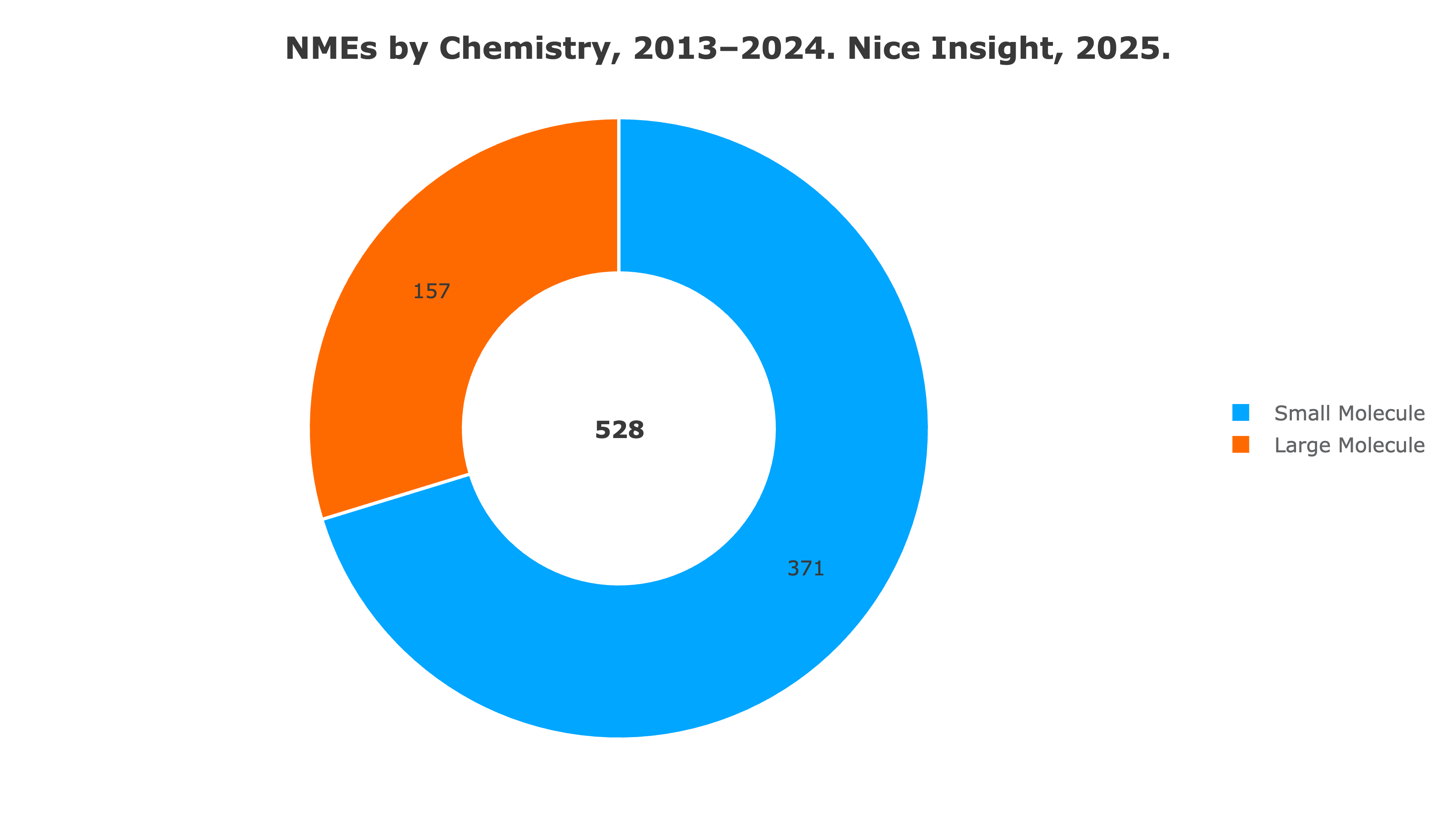 Figure 1. Chemistry of New Drug Approvals, 2013–2024
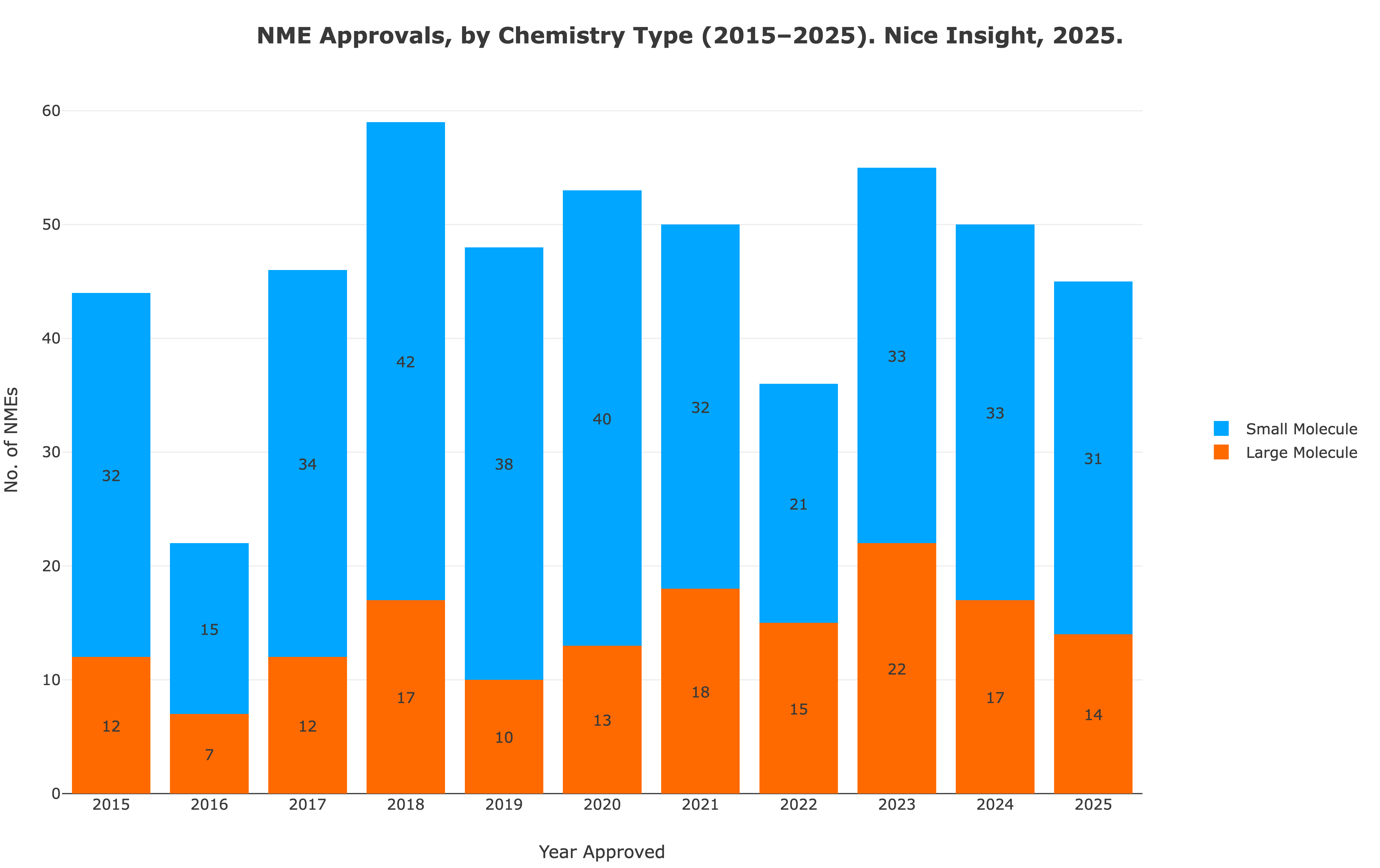 Figure 2. Chemistry of New Drug Approvals Annually, 2013–2024
 Analysis by Nice Insight, March 2025.
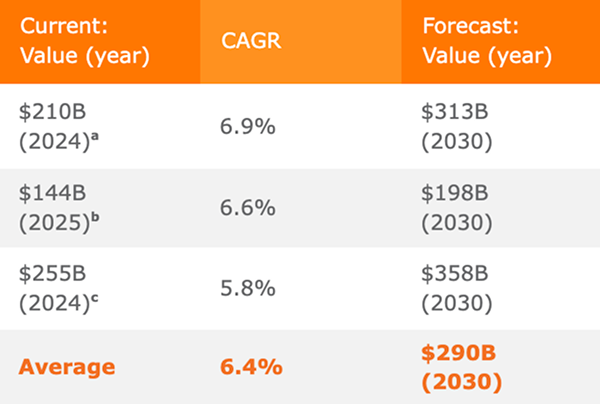 Forecasts as of Oct. 2025. References: [4][5][6]
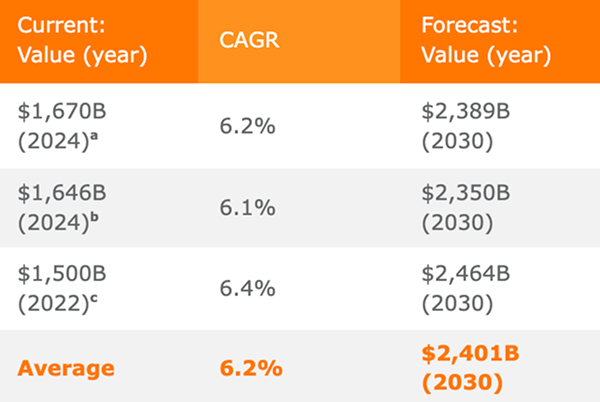 Forecasts as of Oct. 2025. References: [8][9][10]
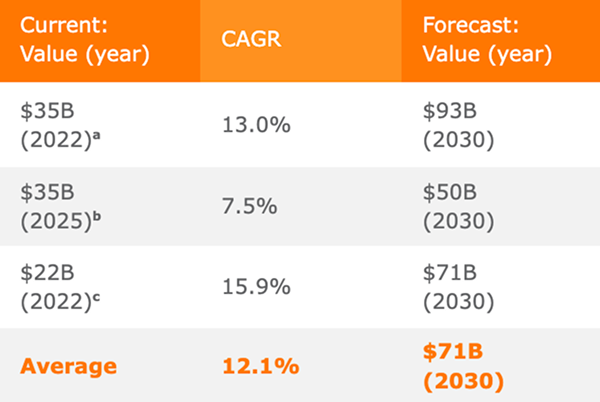 Forecasts as of Oct. 2025. References: [11][12][13]
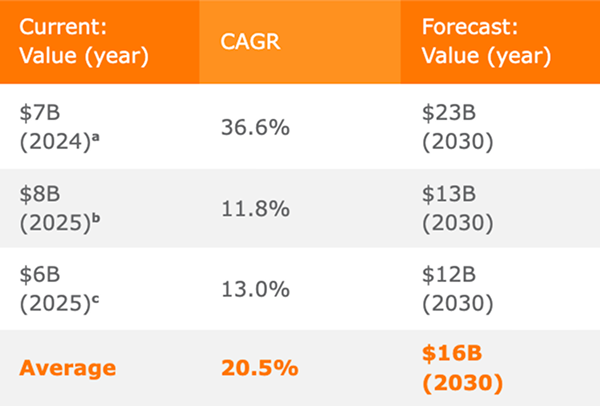 Forecasts as of Oct. 2025. References: [14][15][16]
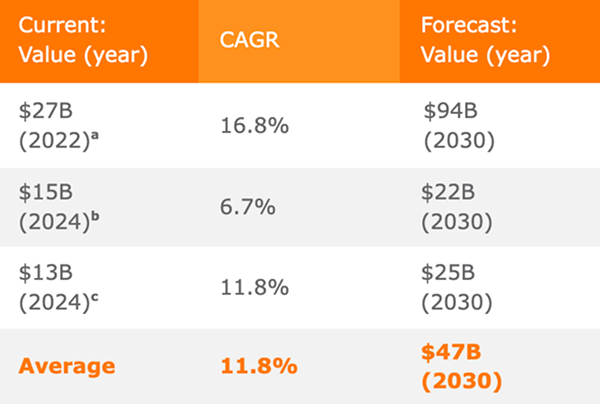 Forecasts as of Oct. 2025. References: [18][19][20]
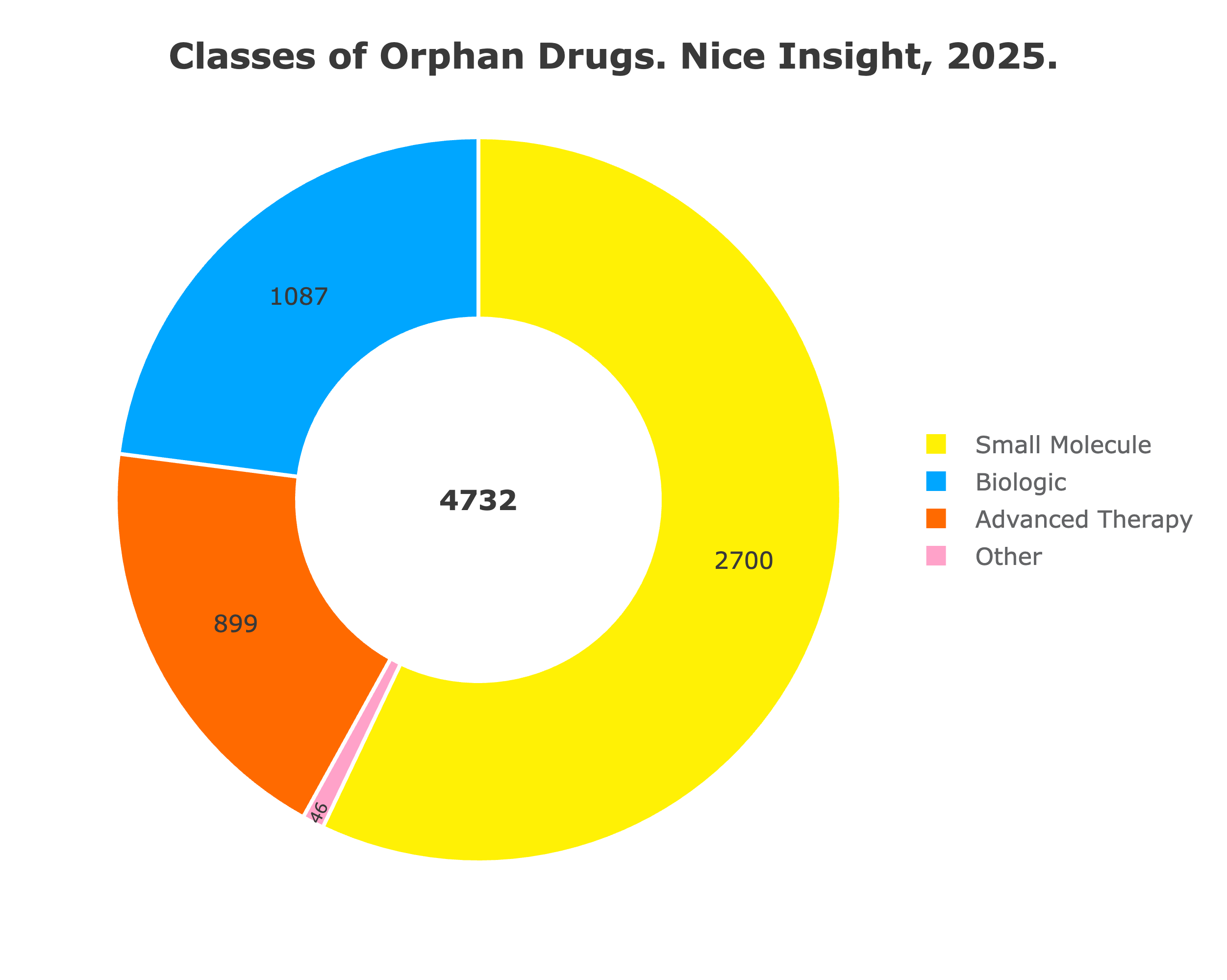 MF14 Figure 3. Orphan Drug Designations by Molecule Class (2013-2025)