Key Takeaways
Many modern therapeutics, including monoclonal antibodies, gene therapies, and RNA medicines, cannot efficiently cross the blood–brain barrier, prompting the development of technologies that modify or bypass the barrier itself.
Focused ultrasound–mediated BBB opening has emerged as a leading device-based delivery approach, using microbubble interactions and targeted ultrasound energy to create localized, temporary increases in barrier permeability.
Magnetic resonance–guided focused ultrasound (MRgFUS) systems enable precise targeting and real-time monitoring, allowing clinicians to open the BBB in specific brain regions while preserving barrier integrity elsewhere.
Temporary BBB modulation can increase intracerebral exposure to therapeutics, improving the delivery of biologics and other large molecules for applications in neuro-oncology, neurodegenerative disease, and emerging gene therapies.
Although early clinical trials demonstrate feasibility and safety, key translational questions remain, including optimal dosing strategies, long-term effects of repeated BBB opening, and identifying patient populations most likely to benefit.
Introduction — When Drugs Cannot Cross the Barrier
For decades, researchers have sought ways to deliver therapeutics to the brain despite the formidable protective system that separates the central nervous system (CNS) from the bloodstream. One major line of research focuses on engineering drugs capable of crossing the blood–brain barrier (BBB) through endogenous transport mechanisms.1 Yet many therapeutic modalities cannot be readily adapted to those approaches. Large biologics, complex protein therapeutics, nucleic acid–based medicines, and other emerging drug classes often exceed the size or structural constraints required for efficient BBB transport. In such cases, researchers have begun exploring an alternative strategy: modifying or bypassing the barrier itself.
The BBB evolved to preserve the stability of the neural environment by tightly controlling the movement of molecules between blood circulation and brain tissue. Its highly selective endothelial cell layer, reinforced by tight junctions and specialized transport systems, excludes the majority of circulating compounds from entering the brain. While this barrier protects neural tissue from toxins and pathogens, it also prevents many therapeutic agents from reaching their intended targets within the CNS.
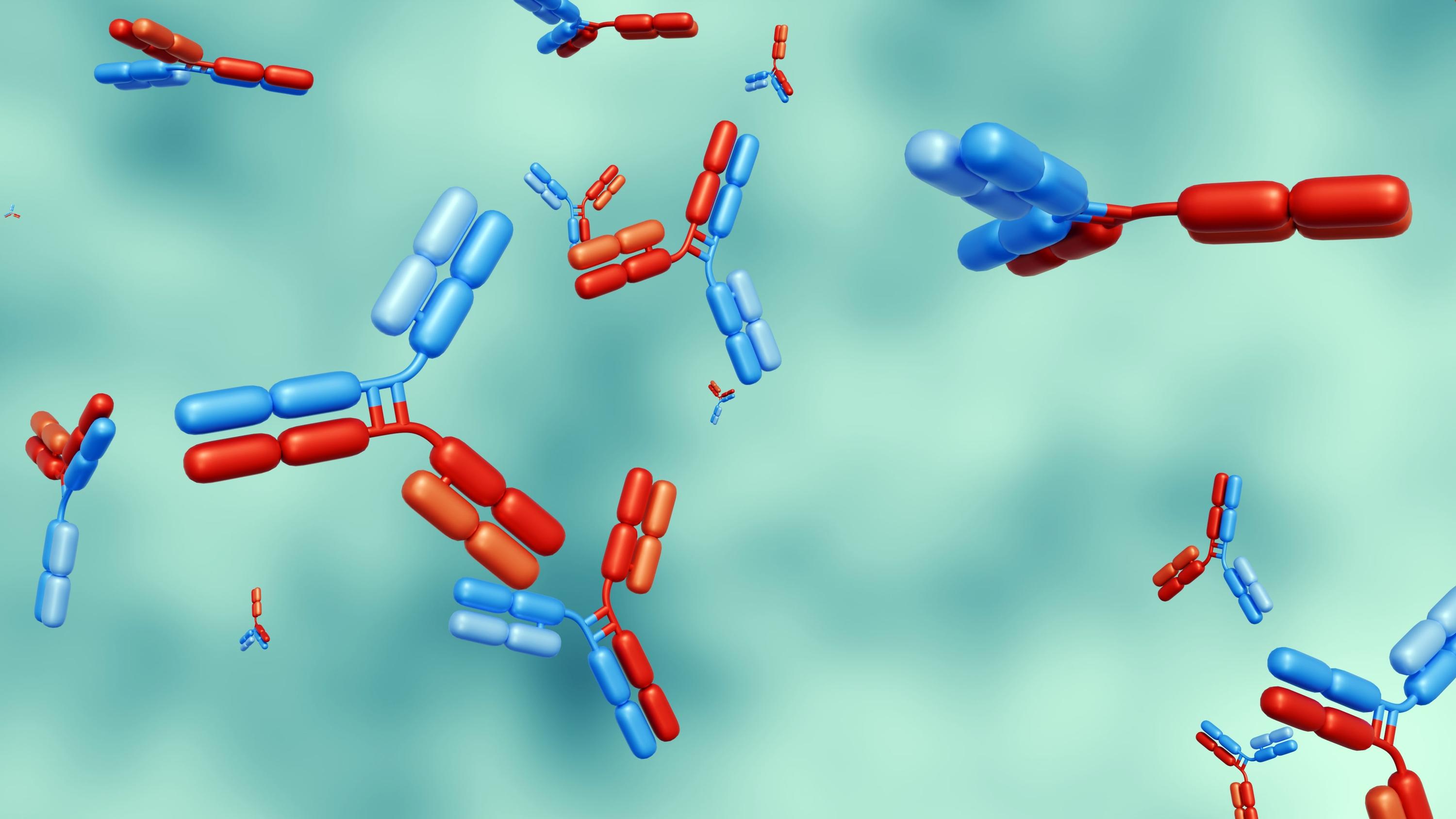
These constraints have become particularly significant as drug development increasingly moves toward large and structurally complex therapies. Monoclonal antibodies (mAbs), enzyme replacement therapies, gene therapies, and RNA-based medicines offer powerful new approaches for treating neurological disease, but their size and biochemical characteristics often prevent them from crossing the BBB through passive diffusion or standard transport pathways. As a result, even therapies with strong biological activity may fail to achieve meaningful exposure in the brain when delivered through conventional systemic administration.
Recognizing these limitations, researchers have developed strategies that focus not on modifying the drug itself but on altering the delivery environment. Some technologies aim to temporarily increase BBB permeability, allowing therapeutics circulating in the bloodstream to enter the brain. Others attempt to bypass the barrier entirely through localized delivery techniques that place drugs directly into brain tissue.
These approaches represent a different philosophy of CNS drug delivery. Rather than adapting therapeutics to the barrier, they attempt to adapt the barrier to the therapeutic. For drug modalities that cannot realistically be engineered to cross the BBB on their own, these technologies may provide a pathway for delivering treatments to one of the body’s most difficult-to-reach organs.
The Concept of BBB Modulation
The recognition that many therapeutics cannot readily cross the BBB has led researchers to explore strategies that temporarily alter the barrier itself. Rather than relying solely on molecular engineering to move drugs through endogenous transport systems, BBB modulation approaches aim to create controlled windows of permeability that allow circulating therapeutics to enter brain tissue. These strategies treat the barrier not as an immovable obstacle but as a physiological interface whose permeability can be transiently adjusted under carefully controlled conditions.2
In principle, temporary BBB modulation involves increasing the permeability of the endothelial cell layer that forms the barrier, enabling therapeutic molecules in the bloodstream to pass into the brain. Crucially, these interventions are designed to be reversible. After the delivery period has passed, the barrier ideally returns to its normal restrictive state, restoring the protective separation between systemic circulation and neural tissue. Maintaining this reversibility is essential because prolonged disruption of the BBB could expose the brain to circulating toxins, pathogens, or inflammatory signals that the barrier normally excludes.2
Localized delivery is another key feature of BBB modulation strategies. Many emerging technologies aim to open the barrier only within a targeted region of the brain rather than throughout the entire CNS. This spatial control is particularly important in diseases, such as brain tumors or focal neurodegenerative processes, where therapeutic delivery may be needed in specific anatomical locations. Localized BBB modulation can help concentrate drugs at sites of pathology while minimizing systemic exposure or unintended effects in healthy brain regions.2
The concept of BBB modulation thus rests on balancing two competing priorities. On one hand, sufficient permeability must be achieved to allow therapeutics to enter brain tissue in meaningful quantities. On the other hand, the protective functions of the barrier must be preserved to avoid damaging the neural environment. Achieving this balance has become a central goal of device-based and procedural delivery technologies designed to enhance CNS drug delivery.2
Focused Ultrasound–Mediated BBB Opening
Among the technologies developed to temporarily modulate the BBB, focused ultrasound has emerged as one of the most actively studied approaches. This method uses externally applied ultrasound energy to transiently increase BBB permeability in a targeted region of the brain, allowing therapeutic molecules circulating in the bloodstream to enter neural tissue. Because the technique can be performed without surgical intervention and can be directed toward specific anatomical locations, it has attracted considerable interest as a potential platform for improving drug delivery to the CNS.3,4
The mechanism underlying focused ultrasound–mediated BBB disruption relies on the interaction between ultrasound waves and microbubbles introduced into the bloodstream. Microbubbles are gas-filled particles commonly used as contrast agents in diagnostic imaging. When exposed to ultrasound energy, these microbubbles oscillate in response to acoustic pressure. Within the brain’s microvasculature, these oscillations produce localized mechanical forces on the endothelial cells that form the BBB.3
The mechanical interaction between oscillating microbubbles and vascular endothelial cells leads to a temporary loosening of the tight junctions that normally seal adjacent endothelial cells together. As these junctions become transiently permeable, circulating molecules, including therapeutic agents that would normally be excluded, can pass from the bloodstream into surrounding brain tissue. Importantly, the opening produced by focused ultrasound is generally temporary, with barrier integrity typically restored after a period of time once the ultrasound exposure ceases.3
One of the key advantages of this approach is its ability to target specific regions of the brain. Modern focused ultrasound systems can be guided by magnetic resonance imaging (MRI), allowing clinicians or researchers to direct ultrasound energy toward a precisely defined anatomical location. This spatial control enables BBB opening to be confined to regions affected by disease while leaving the remainder of the brain protected by the intact barrier.4
Another important characteristic is that the procedure is noninvasive. Unlike surgical delivery techniques that require direct access to brain tissue, focused ultrasound can be applied externally through the skull using specialized transducer arrays. Patients receive intravenous microbubbles before ultrasound exposure, and the interaction between ultrasound energy and circulating microbubbles produces the localized BBB opening. Because the skull attenuates ultrasound energy, sophisticated systems are used to adjust acoustic parameters and compensate for skull geometry to achieve accurate targeting.4
The reversible nature of focused ultrasound BBB modulation is also central to its potential therapeutic utility. The barrier is designed to return to its normal state after treatment, restoring the protective separation between blood circulation and brain tissue. This reversibility allows clinicians to create controlled delivery windows during which therapeutic agents can enter the brain, followed by reestablishment of the barrier’s protective function.3
Focused ultrasound–mediated BBB opening has therefore become a leading example of device-based approaches to CNS drug delivery. By combining spatial precision, noninvasive operation, and transient barrier modulation, the technology offers a method for delivering therapeutics that might otherwise be unable to reach the brain through conventional systemic administration.
Clinical Development of Ultrasound BBB Opening
As focused ultrasound technology has matured, attention has increasingly shifted from preclinical demonstrations toward clinical translation. Advances in imaging integration and acoustic control have enabled the development of magnetic resonance–guided focused ultrasound (MRgFUS) systems that allow clinicians to visualize and control BBB modulation procedures in real time. By combining focused ultrasound with MRI, these systems allow operators to precisely target specific brain regions while simultaneously monitoring treatment effects.4
In MRgFUS procedures, MRI guidance serves several purposes. First, imaging is used to identify the anatomical target region within the brain. Second, MRI can help guide the placement and focusing of ultrasound energy through the skull to the intended treatment location. Finally, contrast-enhanced imaging following treatment allows clinicians to confirm that the BBB has opened in the targeted area. This integration of imaging and ultrasound delivery has been central to translating BBB modulation from laboratory studies into human trials.4
Clinical investigations of focused ultrasound BBB opening have expanded steadily over the past decade. Early studies have primarily focused on evaluating the safety and feasibility of the technology rather than demonstrating therapeutic efficacy. Researchers have explored its use in several neurological conditions where drug delivery to the brain represents a major barrier to treatment. Among the most actively studied areas are neuro-oncology and neurodegenerative disease.3
In neuro-oncology, focused ultrasound has been investigated as a method for enhancing delivery of chemotherapeutic agents or targeted biologics to brain tumors. Malignant tumors, such as glioblastoma, often reside in regions where the BBB remains partially intact, limiting the penetration of systemically administered therapies. By temporarily increasing BBB permeability within the tumor region, focused ultrasound may allow higher concentrations of therapeutic agents to reach the tumor microenvironment.3
Another area of active investigation involves Alzheimer’s disease and other neurodegenerative conditions. In these studies, researchers have explored whether transient BBB opening could facilitate the delivery of antibody-based therapeutics targeting pathological proteins associated with disease progression. Early clinical trials have demonstrated that the BBB can be opened in selected brain regions using MRgFUS, providing proof of concept for this delivery strategy.5
Despite these advances, the clinical development of focused ultrasound BBB modulation remains in relatively early stages. Most studies conducted to date involve small patient cohorts and focus primarily on safety, feasibility, and procedural optimization. Larger trials will be required to determine whether enhanced drug delivery through BBB modulation translates into measurable therapeutic benefit for patients.5
Nonetheless, the progress achieved so far demonstrates that noninvasive modulation of the BBB is feasible in human patients. As imaging technologies, acoustic targeting methods, and therapeutic combinations continue to evolve, MRgFUS and related approaches may become an important component of future strategies for delivering drugs to the brain.
Enhancing Drug Delivery with BBB Opening
The primary rationale for temporarily opening the BBB is to increase the amount of therapeutic agent that can reach brain tissue. Under normal physiological conditions, the BBB prevents most circulating compounds from entering the central nervous system, which significantly limits the effectiveness of many systemic therapies. When the barrier is transiently permeabilized, therapeutic molecules circulating in the bloodstream gain an opportunity to cross into the brain during a defined treatment window. This increased permeability can substantially improve the exposure of brain tissue to drugs that would otherwise remain largely excluded.3
Experimental studies have demonstrated that focused ultrasound–mediated BBB opening can increase intracerebral concentrations of therapeutic agents. When the barrier is temporarily disrupted in targeted regions, drugs administered systemically can diffuse into the surrounding brain tissue in greater quantities than would normally be possible. This enhancement of local drug exposure is one of the key factors driving interest in BBB modulation technologies for neurological disease treatment.6
One particularly promising application involves the delivery of large biologic therapeutics, including monoclonal antibodies. Antibody-based therapies are widely used in oncology and immunology, but their large molecular size generally prevents them from crossing the BBB efficiently. Studies have shown that focused ultrasound–mediated BBB opening can increase the penetration of antibody therapeutics into brain tissue, suggesting that the technology may help extend the reach of biologic drugs to CNS targets that were previously inaccessible.7
These capabilities have important implications for multiple therapeutic areas. In neuro-oncology, enhanced delivery of chemotherapeutics or targeted biologics could help improve treatment outcomes for patients with brain tumors. Even when tumors partially disrupt the BBB, drug penetration into tumor tissue can remain uneven or insufficient. Localized BBB opening may allow higher concentrations of anticancer drugs to reach tumor cells while minimizing systemic toxicity.
Neurodegenerative diseases represent another area where improved delivery could have significant impact. Many emerging therapies for conditions such as Alzheimer’s disease rely on antibodies designed to target pathological proteins in the brain. Increasing the amount of therapeutic antibody reaching brain tissue may improve the ability of these treatments to engage their molecular targets.
BBB modulation may also play a role in the delivery of gene therapies and other advanced therapeutic modalities. Viral vectors and nucleic acid–based treatments are typically too large to cross the BBB efficiently through conventional transport mechanisms. Temporary barrier opening could provide a means of delivering these therapies to specific brain regions without requiring invasive surgical approaches.
By increasing the amount of drug that can enter the brain during systemic administration, BBB opening technologies offer a potential pathway for expanding the range of therapies capable of treating CNS disease. While further clinical investigation is needed to determine how these delivery improvements translate into therapeutic outcomes, early studies suggest that controlled BBB modulation can significantly enhance the exposure of brain tissue to otherwise inaccessible drugs.
Safety and Translational Challenges
Although technologies that temporarily open the BBB have demonstrated promising potential for improving drug delivery to the brain, several safety and translational questions remain unresolved. Because the BBB plays a critical role in maintaining the stability of the neural environment, any strategy that deliberately alters its permeability must carefully balance therapeutic benefit against the risk of disrupting essential protective functions.5
One important concern involves the consequences of repeated BBB disruption. Many neurological diseases require chronic treatment, raising the possibility that patients could undergo multiple BBB modulation procedures over time. While early studies suggest that transient BBB opening can be performed safely in controlled settings, the long-term effects of repeated treatments remain an area of active investigation. Researchers continue to examine whether repeated barrier modulation could lead to cumulative vascular stress, structural changes in endothelial cells, or alterations in the brain’s regulatory mechanisms for maintaining homeostasis.5
Inflammatory responses also represent a potential safety consideration. The BBB normally prevents many circulating immune factors from entering the brain. Temporary disruption of this barrier could allow inflammatory mediators or immune cells to access neural tissue, potentially triggering localized inflammatory responses. Although current studies generally report that BBB permeability returns to baseline following focused ultrasound procedures, careful monitoring is required to ensure that transient barrier opening does not produce unintended neuroinflammatory effects.5
Another challenge involves controlling dosing and therapeutic exposure. When the BBB is opened temporarily, the amount of drug that enters the brain depends not only on the characteristics of the delivery technology but also on systemic drug concentrations at the time of treatment. Determining the optimal relationship between drug dosing and BBB opening procedures therefore represents an important component of clinical protocol design. Researchers must ensure that sufficient drug reaches the target region while minimizing systemic toxicity or unintended exposure in non-target brain areas.
Patient selection presents an additional translational challenge. Neurological diseases vary widely in their underlying pathology, anatomical distribution, and progression patterns. Identifying which patients and disease stages are most likely to benefit from BBB modulation will be essential for successful clinical implementation. Some conditions may require highly localized delivery, while others may involve more diffuse pathology that complicates targeted treatment approaches.5
Despite these challenges, early clinical investigations suggest that carefully controlled BBB modulation can be performed safely in human patients. Ongoing studies continue to evaluate the long-term safety profile of these technologies while refining treatment parameters that balance therapeutic delivery with preservation of the brain’s protective barrier functions.5
The Future of Device-Based CNS Drug Delivery
As technologies for temporarily modulating the BBB continue to advance, researchers are increasingly exploring how these systems can be integrated with emerging therapeutic modalities. Many of the most promising treatments for neurological diseases (e.g., mAbs, enzyme replacement therapies, gene therapies, and RNA-based medicines) are large or structurally complex molecules that cannot readily cross the BBB through conventional transport mechanisms. Device-based delivery strategies that create controlled openings in the barrier therefore offer a potential pathway for bringing these advanced therapies into the central nervous system.3,4
An important trend involves the use of BBB modulation technologies in combination with biologic therapeutics. Focused ultrasound systems, for example, can be applied during systemic administration of antibodies or other biologic drugs, allowing these therapies to enter the brain during the brief window when the barrier becomes permeable. By coordinating drug infusion with the timing and location of BBB opening, clinicians may be able to improve the distribution of biologic therapies within targeted brain regions.3
Targeted drug delivery represents another area of ongoing development. Advances in imaging guidance and acoustic control allow focused ultrasound systems to concentrate BBB opening within specific anatomical regions. This spatial precision may be particularly valuable for conditions in which disease pathology is localized, such as certain brain tumors or focal neurodegenerative processes. Targeted modulation can help maximize therapeutic exposure at sites of disease while minimizing effects on surrounding healthy brain tissue.4
Integration with advanced imaging technologies is also likely to play a central role in the future of BBB modulation. Magnetic resonance imaging is already used to guide and monitor focused ultrasound procedures, enabling clinicians to visualize treatment targets and confirm barrier opening in real time. As imaging techniques evolve, they may provide even greater insight into drug distribution, tissue response, and the physiological effects of BBB modulation during and after treatment.4
Device-based approaches to CNS drug delivery may become an important complement to molecular engineering strategies designed to cross the BBB. By enabling controlled, localized increases in barrier permeability, physical modulation technologies may allow therapeutic agents that would otherwise remain excluded from the brain to reach their intended targets.
References
1. Alvaro, David. ”Engineering Biologics and Nanomedicines to Traverse the Blood–Brain Barrier.” Pharma’s Almanac. 1 Mar. 2026.
2. Wu, Di, et al. “The blood–brain barrier: Structure, regulation and drug delivery.” Signal Transduction and Targeted Therapy. 8: 217 (2023).
3. Burgess, Alison, et al. “Focused ultrasound-mediated drug delivery through the blood-brain barrier.” Expert Rev. Neurother. 15: 477–491 (2015).
4. Meng, Ying, et al. “Current Progress in Magnetic Resonance-Guided Focused Ultrasound to Facilitate Drug Delivery across the Blood–Brain Barrier.” Pharmaceutics. 16: 719 (2024).
5. Durham, Phillip G, et al. “Current clinical investigations of focused ultrasound blood-brain barrier disruption: A review.” Neurotherapeutics. 21: e00352 (2024).
6. “Comprehensive Review: Focused Ultrasound Blood-Brain Barrier Opening for Delivering Drugs to Gliomas.” FUS Foundation. 24 Jan. 2024.
7. Li, Hsun, et al. “Intraarterial microbubble delivery enhances focused ultrasound induced blood brain barrier opening in the murine substantia nigra.” Scientific Reports. 16: 1030 (2026).