Key Takeaways
Menin inhibitors demonstrate that genotype-directed precision medicine can exploit protein interactions and transcriptional dependencies rather than relying exclusively on kinase active sites.
Targeted protein degradation extends the therapeutic target space by enabling removal of disease-driving proteins, including familiar targets, such as BTK, and regulatory proteins, such as Ikaros, Aiolos, and STAT3.
Bispecific antibodies are already clinically established in hematologic malignancies, while dual-antigen trispecific constructs, such as JNJ-5322 ,have progressed into first-in-human testing.
Next-generation ADC development increasingly depends on control of conjugation chemistry, linker behavior, payload characteristics, attachment site, and drug loading in addition to antigen selection.
For complex antibodies, ADCs, and engineered cell therapies, the molecular features that create therapeutic precision can also shape assembly, stability, analytical strategy, formulation, and manufacturing feasibility.
A Broader Definition of Precision
Precision medicine in hematologic malignancies has long been associated with a relatively direct therapeutic logic: identify a molecular dependency or cell-surface marker associated with the malignant population, and intervene selectively. Kinase inhibitors and monoclonal antibodies established powerful versions of that model, but newer therapies are expanding both the vulnerabilities that can be exploited and the ways in which a therapeutic agent can act on them.
Menin inhibitors exploit genetically defined transcriptional dependencies without targeting a kinase active site. Targeted protein degradation (TPD) seeks to remove disease-driving proteins rather than simply suppressing their activity. Bispecific and multispecific antibodies coordinate several recognition events within a single molecule. Antibody–drug conjugates (ADCs) increasingly depend on precise control of the complete antibody–linker–payload system, while cellular therapies extend targeting into engineered recognition systems carried by living cells.1–5
These approaches are at very different stages of maturity, but they share an important development consequence. As therapeutic specificity depends more heavily on molecular architecture, the features that create precision can also determine whether a candidate can be expressed, assembled, purified, characterized, formulated, scaled, and controlled. The next generation of targeted therapy therefore broadens both the biological target space and the development decisions that must accompany target selection.
Menin Inhibition Expands the Molecular Target Space
Menin inhibition provides a bridge between established genotype-directed precision medicine and newer forms of molecular targeting. Clinical development has focused particularly on acute leukemias with KMT2A rearrangements or NPM1 mutations, genetic contexts in which menin-dependent biology creates a therapeutic vulnerability. Rather than inhibiting the catalytic activity of a mutated kinase, these agents disrupt a protein interaction needed to sustain the relevant leukemic transcriptional program.1
The strategy has already reached regulatory validation. In November 2024, the U.S. Food and Drug Administration (FDA) approved revumenib for adults and children aged one year or older with relapsed or refractory acute leukemia harboring a KMT2A translocation.6 In October 2025, the indication expanded to relapsed or refractory acute myeloid leukemia (AML) with a susceptible NPM1 mutation in adults and children aged one year or older who lack satisfactory alternative treatment options.7 The following month, ziftomenib became another FDA-approved menin inhibitor for adults with relapsed or refractory NPM1-mutated AML and no satisfactory alternative treatment options.8
These approvals demonstrate that a precision strategy can remain tightly linked to tumor genotype even when the therapeutic intervention is directed against a protein interaction rather than an enzyme active site. Molecular selection still determines who is most likely to benefit, but the type of intervention available once a dependency has been identified has broadened. A therapeutically actionable vulnerability can reside in a tractable interaction or regulatory relationship rather than a conventional catalytic pocket.
From Inhibiting a Protein to Eliminating It
TPD pushes that logic further by changing the pharmacologic objective itself. Conventional small molecules generally alter the activity of a protein through binding. Degradation strategies instead recruit endogenous protein-disposal machinery to eliminate the selected protein from the cell. Proteolysis-targeting chimeras (PROTACs) and molecular glue degraders are among the most mature approaches under investigation.2
Bruton’s tyrosine kinase (BTK) illustrates why the distinction can matter. BTK inhibition is an established strategy in B cell malignancies, but inhibitor-resistance mutations and kinase-independent scaffolding functions provide a rationale for removing the entire protein rather than suppressing kinase activity alone. Bexobrutideg is an orally administered degrader designed to induce removal of wild-type and mutant BTK through cereblon-mediated ubiquitination and proteasomal degradation. It has entered clinical testing in relapsed or refractory chronic lymphocytic leukemia. A randomized phase III comparison of bexobrutideg with pirtobrutinib has also been registered and is currently listed as not yet recruiting.9,10
Other programs demonstrate that protein degradation in hematologic malignancies extends beyond BTK. Mezigdomide, a cereblon E3 ubiquitin ligase modulator, has been evaluated clinically in relapsed and refractory multiple myeloma. It was designed to induce deep degradation of the transcription factors Ikaros and Aiolos, and a phase I–II study of mezigdomide plus dexamethasone reported clinical responses in a heavily pretreated population.11
Golcadomide applies related cereblon biology in diffuse large B cell lymphoma and was designed to induce rapid, deep, and sustained degradation of IKZF1 and IKZF3.12 A different strategy is represented by KT-333, a heterobifunctional degrader directed against STAT3. In an early phase I study involving patients with relapsed or refractory lymphomas, leukemia, and solid tumors, pharmacodynamic measurements demonstrated substantial STAT3 degradation in peripheral blood and tumor tissue, providing clinical evidence that direct degradation of the transcription factor can be achieved in humans.13
These programs demonstrate several ways in which degradation can expand precision therapeutics. A familiar target, such as BTK, can be approached through removal rather than inhibition, potentially addressing functions that do not depend on catalytic activity. Cereblon-directed agents can induce degradation of transcription factors implicated in malignant biology, while heterobifunctional degraders can be designed around regulatory proteins that have been difficult to address through conventional active-site inhibition.
The maturity of these approaches varies considerably, and degradation has not displaced conventional targeted drugs. Its importance lies in broadening the discovery question. Once a disease-driving protein has been identified, developers can ask not only whether its activity can be blocked, but whether the protein itself can be selectively removed.
From Bispecific Engagement to Multispecific Recognition
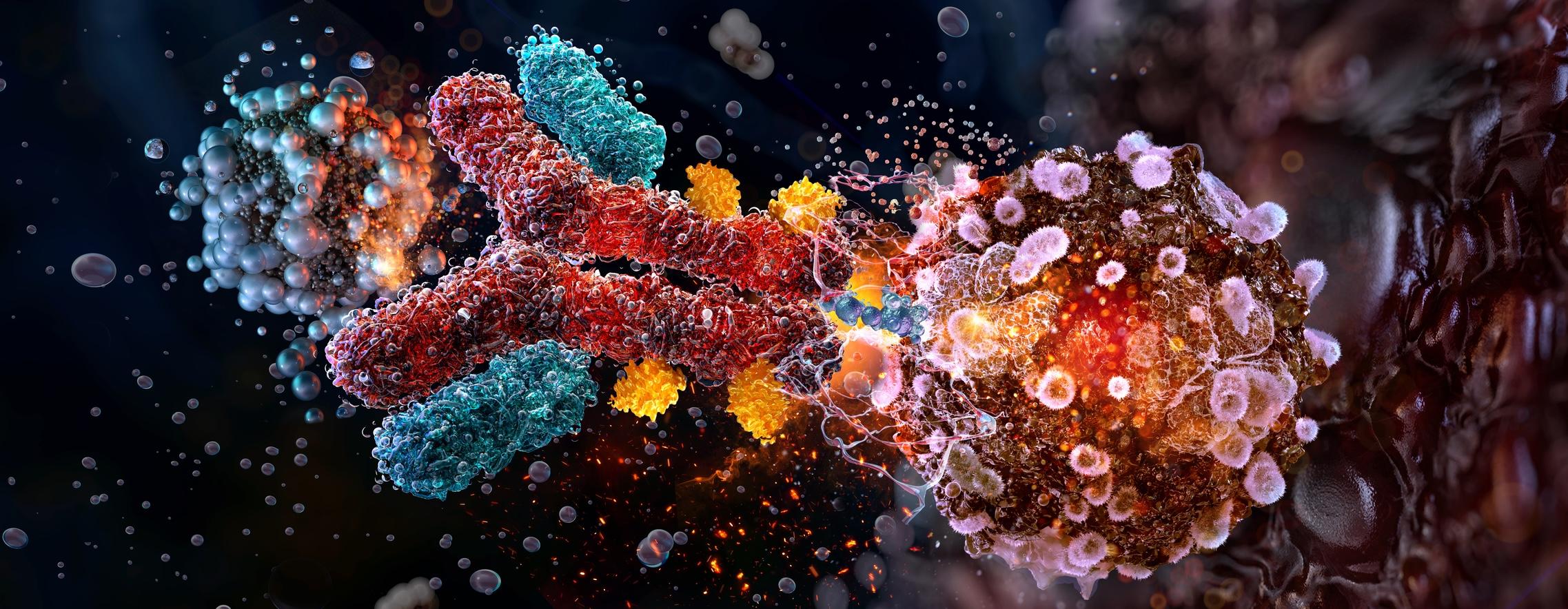
Antibody engineering is expanding targeting in another direction. Bispecific T cell engagers combine recognition of a tumor-associated antigen with binding to CD3 on T cells, redirecting immune activity toward malignant cells. The approach is already clinically established across hematologic malignancies. In multiple myeloma, linvoseltamab is a B cell maturation antigen (BCMA)-directed CD3 T cell engager, while talquetamab targets G protein–coupled receptor class C group 5 member D (GPRC5D) and CD3.14,15
The clinical footprint of bispecific therapy is also broadening. Epcoritamab was approved in November 2025 with lenalidomide and rituximab for relapsed or refractory follicular lymphoma, while its monotherapy indication after two or more prior lines received traditional approval.16 In March 2026, teclistamab in combination with daratumumab hyaluronidase was approved for adults with relapsed or refractory multiple myeloma after at least one prior line containing a proteasome inhibitor and an immunomodulatory agent.17
The next engineering step extends recognition beyond one tumor antigen plus CD3. Ramantamig, also known as JNJ-79635322 or JNJ-5322, is a trispecific T cell engager designed to recognize both BCMA and GPRC5D while engaging CD3. Its dual-antigen architecture is being investigated in part as a way to address tumor heterogeneity and resistance associated with variable or lost expression of an individual antigen, although that remains a therapeutic hypothesis rather than an established clinical advantage.18
The concept has progressed into human testing. JNJ-5322 has been evaluated in a phase I study of patients with relapsed or refractory multiple myeloma previously exposed to a proteasome inhibitor, an immunomodulatory drug, and an anti-CD38 monoclonal antibody. The molecule combines BCMA and GPRC5D recognition with a low-affinity CD3-binding domain selected during development.19
As of the January 15, 2025 data cutoff, 126 patients had received the trispecific, including 36 at the putative recommended phase II dose of 100 mg every four weeks. Among response-evaluable patients at that dose, the overall response rate (ORR) was 86%. Among 27 patients at the same dose who were naïve to prior BCMA- or GPRC5D-directed therapy, the reported ORR was 100%, although median follow-up in that subgroup was only 8.5 months. These remain early-phase findings that require longer follow-up and confirmation in later-stage studies.19
The progression from bispecific to trispecific designs changes the targeting problem from selecting a single tumor-associated antigen to determining how several recognition events can be coordinated within one therapeutic molecule. That creates new biological possibilities, but it also makes molecular format an increasingly important determinant of whether a candidate can become a robust product.
ADCs Make Targeting a Multiparameter Design Problem
ADCs are not new to hematologic oncology, but their continued evolution illustrates how precision can become increasingly dependent on product architecture rather than antigen recognition alone. Their basic structure combines an antibody directed against a cell-surface target with a chemical linker and a cytotoxic payload. Newer development increasingly focuses on controlling how those components work together through antibody selectivity, linker stability, payload properties, conjugation chemistry, attachment site, and drug loading.4,20
Continued clinical activity confirms that the modality remains relevant alongside bispecific antibodies and cellular therapies. In October 2025, belantamab mafodotin, a BCMA-directed antibody and microtubule inhibitor conjugate, was approved with bortezomib and dexamethasone for adults with relapsed or refractory multiple myeloma who had received at least two prior lines of therapy containing a proteasome inhibitor and an immunomodulatory agent.21
The more consequential evolution lies in the degree of control developers are seeking over the conjugated product itself. Conventional conjugation approaches can generate mixtures containing antibodies with different numbers or locations of attached drug molecules. Site-specific strategies offer greater control over attachment and can generate more homogeneous ADC populations.20
This reframes the ADC as a multidimensional targeting system. The antigen determines where the antibody binds, but therapeutic performance also depends on how the payload is attached, whether the linker remains stable until the desired point of release, how much drug is carried, and how the conjugated species behaves as a molecule. Precision resides in engineering the delivery system around the cellular address.
Engineering the Therapeutic Cell
Cellular therapies extend precision targeting from molecular architecture into an engineered living product. Next-generation chimeric antigen receptor (CAR)-T cell strategies include approaches intended to recognize multiple antigens, alter persistence or signaling, introduce additional safety features, and explore alternative cellular platforms such as CAR natural killer cells.5
Allogeneic CAR-T development is especially relevant because biological engineering and manufacturing strategy are directly connected. Autologous CAR-T depends on patient-specific cell collection and production, whereas allogeneic approaches are being pursued as an off-the-shelf alternative that could support more standardized production. At the same time, allogeneic cells introduce challenges including graft-versus-host disease and host immune rejection, creating a need for additional genetic and cellular engineering.22
Target recognition in this setting is encoded into a living product, and changes intended to improve recognition, availability, persistence, or immune compatibility can simultaneously alter the product that must be manufactured and controlled.
When Target Design and Manufacturability Converge
As targeted therapies become more structurally sophisticated, molecular engineering and manufacturability increasingly need to be considered in parallel. The same architectural decisions that create therapeutic specificity can determine whether a candidate expresses efficiently, assembles correctly, remains stable, can be purified from related species, or supports a commercially practical formulation.
Bispecific and multispecific antibodies provide a direct example. An immunoglobulin G–like bispecific can require expression of two distinct heavy chains and their corresponding light chains. Co-expression creates opportunities for incorrect chain pairing, generating species that can be difficult to separate from the intended molecule because their biophysical properties may be similar.23,24
A recent engineering strategy addressed the problem at the level of protein folding and secretion. By modifying the antibody so that incorrectly paired chains were retained within the producer cell rather than secreted, the molecular design itself became part of the manufacturing solution.24 Engineering used to create the desired therapeutic architecture can therefore also influence which molecular species enter downstream processing.
Broader developability assessment for bispecific and multispecific antibodies needs to encompass more than binding and biological activity. Molecular format, stability, specificity, immunogenicity risk, formulation characteristics, and production feasibility can all influence candidate selection. For increasingly complex formats, those questions are most useful while molecular architecture is still adjustable rather than after a lead candidate has been fixed.
ADCs create a different set of chemistry, manufacturing, and controls (CMC) consequences. Conjugation alters the physicochemical characteristics of the parent antibody, and the combined effects of linker, payload, attachment site, and drug-to-antibody ratio (DAR) can influence stability and aggregation behavior. Linker instability can also create unwanted payload release. Formulation and process development must therefore address degradation pathways associated with the conjugated product rather than relying solely on experience with the unconjugated monoclonal antibody.25
The analytical burden expands accordingly. ADC programs require characterization of attributes specific to the conjugated product, including average DAR, drug-load distribution, and residual drug. These measurements become part of the control strategy because the identity and distribution of conjugated species are integral to the product rather than incidental consequences of manufacturing.
Cellular therapies connect architecture and manufacturing at yet another level. The rationale for allogeneic CAR-T includes movement away from patient-specific manufacturing toward standardized, off-the-shelf production, but achieving that objective requires engineering intended to control immune incompatibilities that are less central to autologous products. Product design and manufacturing model therefore evolve together.
Not every emerging targeted modality creates the same manufacturing challenges, and the available evidence does not support imposing a common CMC narrative across all of them. The connection is strongest where precision depends on increasingly complex molecular or cellular architecture. In those settings, manufacturability is not simply a downstream question of how to produce a finished candidate. It can influence how the candidate itself should be designed.
Precision Beyond a Single Kind of Target
The next generation of targeted therapy in hematologic malignancies encompasses a widening set of ways to translate disease biology into therapeutic intervention. Precision may involve disrupting a genetically defined protein interaction, eliminating a disease-driving protein, coordinating recognition of several antigens, combining antigen targeting with engineered payload delivery, or encoding recognition within a therapeutic cell.
These approaches remain at different stages of development. Menin inhibitors, ADCs, and multiple bispecific antibodies already have FDA-approved representatives, while trispecific antibodies and many targeted degraders remain investigational. Their trajectories should not be treated as interchangeable, but their development reflects a common expansion of what can constitute a therapeutically actionable target and how that target can be addressed.
As specificity becomes more dependent on modality design, therapeutic biology increasingly intersects with the characteristics of the product that must ultimately be synthesized or expressed, assembled, purified, characterized, formulated, scaled, and controlled. The future of targeted therapy in hematologic malignancies will therefore depend not only on identifying new vulnerabilities, but on designing modalities capable of exploiting them in forms that can become reproducible medicines.
References
1. Nadiminti, Kalyan V G, Kieran D Sahasrabudhe, and Hongtao Liu. “Menin inhibitors for the treatment of acute myeloid leukemia: challenges and opportunities ahead.” Journal of Hematology & Oncology. 17: 113 (2024). '
2. Feng, Yupiao, Xinting Hu, and Xin Wang. “Targeted protein degradation in hematologic malignancies: clinical progression towards novel therapeutics.” Biomarker Research. 12: 85 (2024).
3. Amash, Alaa, et al. “Developability considerations for bispecific and multispecific antibodies.” mAbs. 16: 2394229 (2024).
4. Montalbano, Maria Chiara, et al. “Antibody-Drug Conjugates in Hematological Malignancies: Current Landscape and Future Perspectives.” International Journal of Molecular Sciences. 27: 1025 (2026).
5. Al-Khreisat, Mutaz Jamal, et al. “Next-generation CAR-T and CAR-NK cell therapies in hematologic malignancies: engineering for persistence, specificity, and safety.” Discover Oncology. 17: 524 (2026).
6. “FDA approves revumenib for relapsed or refractory acute leukemia with a KMT2A translocation.” U.S. Food and Drug Administration. 15 Nov. 2024.
7. “FDA approves revumenib for relapsed or refractory acute myeloid leukemia with a susceptible NPM1 mutation.” U.S. Food and Drug Administration. 24 Oct. 2025.
8. “FDA approves ziftomenib for relapsed or refractory acute myeloid leukemia with a NPM1 mutation.” U.S. Food and Drug Administration. 13 Nov. 2025.
9. Omer, Zulfa, et al. “Bexobrutideg (NX-5948), a novel Bruton's tyrosine kinase (BTK) degrader, demonstrates rapid and durable clinical responses in Relapsed/Refractory chronic lymphocytic leukemia (CLL): New and updated findings from an ongoing Phase 1a/b trial.” Blood. 146 (Suppl. 1): 86 (2025).
10. “Study of NX-5948 Versus Pirtobrutinib in R/R CLL/SLL.” ClinicalTrials.gov. NCT07516093. First posted 7 Apr. 2026.
11. Richardson, Paul G, et al. “Mezigdomide plus Dexamethasone in Relapsed and Refractory Multiple Myeloma.” New England Journal of Medicine. 389: 1009–1022 (2023).
12. Mo, Zhongying, et al. “Golcadomide: An Oral CELMoD Agent Targeting IKZF1/3 for Diffuse Large B-cell Lymphoma.” Blood Cancer Discovery. 7: 104–128 (2026). 9
13. Feldman, Tatyana, et al. “Safety, Pharmacokinetics, Pharmacodynamics and Clinical Activity of KT-333, a Targeted Protein Degrader of STAT3, in Patients with Relapsed or Refractory Lymphomas, Leukemia, and Solid Tumors.” Blood. 144 (Suppl. 1): 4433 (2024).
14. “FDA grants accelerated approval to linvoseltamab-gcpt for relapsed or refractory multiple myeloma.” U.S. Food and Drug Administration. 2 Jul. 2025.
15. “FDA grants accelerated approval to talquetamab-tgvs for relapsed or refractory multiple myeloma.” U.S. Food and Drug Administration. 9 Aug. 2023.
16. “FDA approves epcoritamab-bysp for follicular lymphoma indications.” U.S. Food and Drug Administration. 18 Nov. 2025.
17. “FDA approves teclistamab in combination with daratumumab hyaluronidase-fihj for relapsed or refractory multiple myeloma.” U.S. Food and Drug Administration. 5 Mar. 2026.
18. Pillarisetti, Kodandaram, et al. “Ramantamig (JNJ-79635322), a novel T-cell-engaging trispecific antibody targeting BCMA, GPRC5D, and CD3, in multiple myeloma models.” Blood. 147: 834–847 (2026).
19. van de Donk, Niels W C J, et al. “First-in-human study of JNJ-79635322 (JNJ-5322), a novel, next-generation trispecific antibody (TsAb), in patients (pts) with relapsed/refractory multiple myeloma (RRMM): Initial phase 1 results.” Journal of Clinical Oncology. 43: 7505–7505 (2025).
20. Fan, Qirui, et al. “A review of conjugation technologies for antibody drug conjugates.” Antibody Therapeutics. 8: 157–170 (2025).
21. “FDA approves belantamab mafodotin-blmf for relapsed or refractory multiple myeloma.” U.S. Food and Drug Administration. 23 Oct. 2025.
22. Cheema, Asfand Yar, et al. “Under the Hood: Evidence-Based Review of Allogeneic Chimeric Antigen Receptor T Cells for Hematologic Malignancies.” Transplantation and Cellular Therapy. 32: 125–140 (2026).
23. Karbyshev, Mikhail S, et al. “Trends and challenges in bispecific antibody production.” Journal of Chromatography A. 1744: 465722 (2025).
24. Tilegenova, Cholpon, et al. “Folding-mediated secretion of pure bispecific antibodies.” Nature Biotechnology. 7 Oct. 2025.
25. Sorret, Léa, et al. “Antibody–Drug Conjugates Drug Product Formulation and Process Development, Scalability and Stability Considerations.” AAPS PharmSciTech. 27: 224 (2026).