Key Takeaways
The blood–brain barrier remains one of the largest obstacles in CNS drug development, preventing most therapeutics—including biologics and nucleic acid medicines—from reaching brain tissue.
Receptor-mediated transcytosis has emerged as a leading strategy for BBB transport, using endogenous pathways such as transferrin receptor systems to shuttle therapeutic molecules into the brain.
Ligand engineering and peptide targeting approaches expand the design space for CNS delivery, enabling smaller targeting modules such as antibody fragments and cell-penetrating peptides to engage BBB transport mechanisms.
Nanocarrier platforms (e.g., liposomes, polymer nanoparticles, lipid nanoparticles) allow encapsulation and targeted delivery of diverse therapeutic payloads, including RNA-based therapies.
Future CNS drug development is increasingly centered on platform-based delivery technologies, integrating biologic engineering, nanomedicine, and receptor targeting to transport therapeutics across the BBB.
The Central Challenge of CNS Drug Delivery
Developing effective therapies for diseases of the central nervous system (CNS) has long posed a unique challenge in pharmaceutical research. Unlike most organs, the brain is protected by a highly selective physiological barrier that tightly regulates the movement of molecules between the bloodstream and neural tissue. This structure, known as the blood–brain barrier (BBB), evolved to shield the brain from toxins, pathogens, and fluctuations in circulating chemicals that could disrupt neural function. While essential for maintaining neurological stability, this same protective system also creates one of the most formidable obstacles in modern drug development.
The BBB restricts the entry of most therapeutic compounds. Only a narrow subset of small, lipid-soluble molecules can diffuse across the endothelial cell layer that forms the barrier, while most biologics and larger molecules are excluded entirely. As a result, many drugs that demonstrate strong pharmacological activity in vitro fail to achieve meaningful concentrations in brain tissue when administered systemically.
This limitation has significant consequences for the treatment of neurological disease. Conditions such as Alzheimer’s disease, Parkinson’s disease, glioblastoma, and many rare genetic disorders involve pathological processes within the brain itself, yet the very therapies designed to address them often cannot reach their intended targets. The BBB therefore acts not only as a biological defense mechanism but also as a major bottleneck in the development of CNS therapeutics.
This challenge has shaped how researchers approach brain drug delivery. Early efforts focused largely on modifying the physicochemical properties of small molecule drugs to enhance passive diffusion into the brain. While that strategy has produced a limited number of successful CNS medicines, it offers little opportunity for many emerging therapeutic modalities, including monoclonal antibodies (mAbs), gene therapies, and RNA-based treatments. The field has increasingly shifted toward engineering delivery platforms capable of transporting drugs across the BBB through endogenous transport pathways or specialized carrier systems.
In this evolving landscape, BBB delivery is no longer viewed solely as a medicinal chemistry problem. It has become a multidisciplinary engineering challenge that combines molecular design, biologic targeting strategies, and nanotechnology to enable therapeutics to reach one of the body’s most important and most protected organs.
Understanding the Barrier: Why Most Drugs Cannot Reach the Brain
The BBB is not a single anatomical structure but a specialized physiological interface that regulates exchange between the bloodstream and the central nervous system. Its core component is a continuous layer of endothelial cells lining the brain’s microvasculature. Unlike endothelial cells in most peripheral tissues, these cells form exceptionally tight junctions that seal the space between adjacent cells, preventing the uncontrolled passage of molecules from blood to brain.1
These tight junctions restrict paracellular transport; most molecules cannot slip between endothelial cells to enter brain tissue. Instead, substances must pass directly through the cells themselves or use specific transport systems embedded within the endothelial membrane. This architectural arrangement creates a barrier that is both physical and functional, tightly controlling the composition of the brain’s extracellular environment.
Because of this structure, passive diffusion across the BBB is limited to a small subset of molecules with particular physicochemical characteristics. Small, lipophilic compounds are the most likely to penetrate the barrier, while polar molecules and most macromolecules are excluded. Even many compounds that diffuse readily through other biological membranes fail to cross the BBB efficiently. As a result, only a small fraction of candidate drugs have the properties needed to reach the brain through passive diffusion alone.1
In addition to restricting passive transport, the BBB contains numerous active transport systems that tightly regulate the movement of specific molecules. Nutrients essential for brain metabolism, including glucose, amino acids, and certain hormones, enter the CNS through specialized carrier proteins that shuttle these substrates across endothelial cells. At the same time, efflux transporters help remove potentially harmful compounds, pumping them back into the bloodstream and further limiting drug accumulation in brain tissue.
The combined effect of these structural and functional features is an extremely selective gateway that preserves neural homeostasis but poses a substantial challenge for therapeutic delivery. Most conventional drugs cannot cross the BBB efficiently, and many modern biologic therapeutics are far too large to penetrate the barrier without assistance. For developers of CNS therapies, understanding these transport constraints is therefore a prerequisite for designing strategies that can successfully deliver drugs to their intended targets in the brain.
Strategy 1: Receptor-Mediated Transcytosis
Among the most intensively studied strategies for transporting therapeutics across the BBB is receptor-mediated transcytosis (RMT). Unlike passive diffusion, which depends largely on a drug’s physicochemical properties, RMT exploits endogenous transport pathways that normally move essential biomolecules from the bloodstream into the brain. These pathways rely on vesicular trafficking mechanisms within endothelial cells, allowing specific proteins and ligands to cross the BBB through a tightly regulated process of receptor binding, internalization, intracellular transport, and release on the brain-facing side of the endothelial layer.2,3
RMT enables the brain to acquire molecules that cannot otherwise diffuse through endothelial membranes. Proteins, such as transferrin, which carries iron in the bloodstream, and insulin, a key metabolic hormone, use receptor-mediated mechanisms to cross the BBB. Endothelial cells express corresponding receptors on their luminal surface; when these receptors bind their ligands, the receptor–ligand complex is internalized into vesicles that traverse the cell and release their contents into the brain interstitial space.3
Drug developers have increasingly sought to repurpose these pathways as transport systems for therapeutics. By designing molecules that bind to BBB receptors while carrying a therapeutic payload, it becomes possible to shuttle drugs into the brain using the same vesicular trafficking mechanisms that transport endogenous proteins. Among the various receptors studied for this purpose, the transferrin receptor has emerged as one of the most widely used targets for BBB drug delivery.4
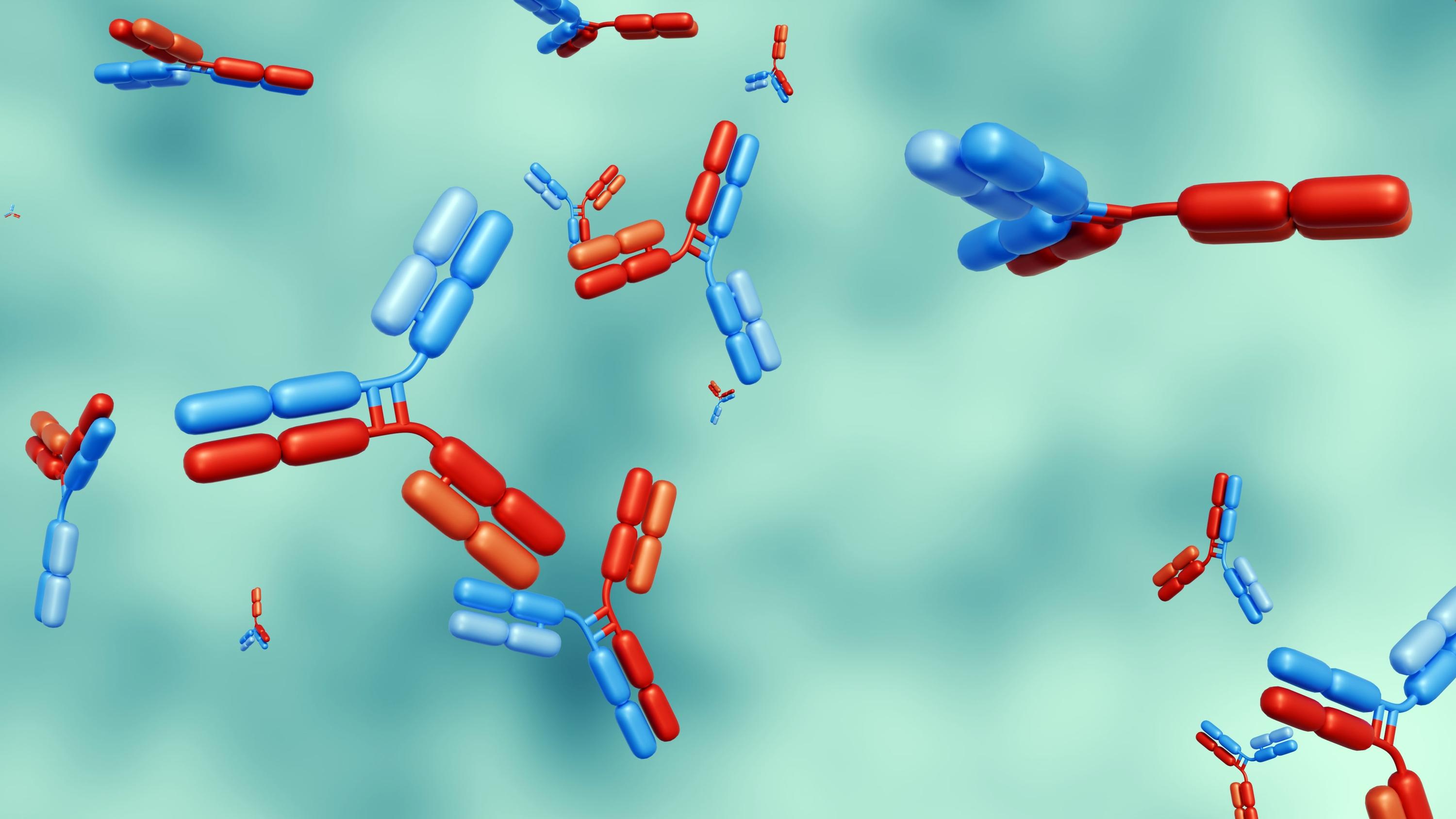
Several engineering strategies have been developed to take advantage of this receptor pathway. One approach involves the creation of antibody-based transport systems that bind the transferrin receptor on BBB endothelial cells. These antibodies can be designed to carry therapeutic cargo, either through chemical conjugation or genetic fusion with another therapeutic protein. After binding the receptor, the antibody–receptor complex is internalized and transported across the endothelial cell via vesicular trafficking, delivering the attached therapeutic into brain tissue.5
Another variation of this concept uses fusion proteins that combine a therapeutic molecule with a receptor-binding domain. In these designs, a biologically active protein or enzyme is genetically fused to a ligand or antibody fragment that recognizes a BBB receptor. The resulting hybrid molecule retains its therapeutic activity while gaining the ability to engage receptor-mediated transport pathways.5
These approaches are often described as molecular shuttle systems because they transform naturally occurring transport pathways into delivery vehicles for therapeutics that would otherwise be excluded from the brain. The strategy has gained particular attention recently for enabling delivery of biologic drugs, including monoclonal antibodies and enzyme replacement therapies, that would otherwise be unable to cross the BBB in meaningful amounts.5
Some receptor-mediated delivery systems are described as “molecular Trojan horses.” In this approach, a therapeutic molecule is attached to a ligand or antibody that binds a BBB receptor involved in endogenous transport. The therapeutic effectively hides within a structure recognized by the receptor, allowing it to be carried across the barrier via vesicular trafficking before being released in brain tissue. This strategy has become a central concept in the design of biologic delivery systems intended to reach the CNS.2
Strategy 2: Ligand and Peptide Targeting
Closely related to receptor-mediated transcytosis is a broader category of ligand-based targeting strategies designed to engage transport systems on BBB endothelial cells. Rather than relying solely on full-length antibodies or large fusion proteins, many approaches use smaller ligands or engineered peptide sequences that recognize specific receptors or membrane proteins on the BBB. By binding these targets, the therapeutic construct can trigger receptor-mediated internalization and gain access to the same vesicular transport pathways that move endogenous molecules into the brain.6
A popular strategy involves peptide ligands that mimic natural substrates of BBB transport systems. Short peptide sequences can be engineered to bind receptors involved in nutrient uptake or other physiological transport processes. Once bound to the receptor on the luminal surface of BBB endothelial cells, the peptide–drug complex may be internalized and carried across the cell through transcytosis. Because peptides are relatively small and structurally flexible, they can often be incorporated into multifunctional drug delivery constructs without substantially increasing molecular size.6
Antibody fragments provide another variation of ligand-based targeting. Instead of using full monoclonal antibodies, which are large and structurally complex, researchers sometimes use smaller antibody-derived components, such as single-chain variable fragments (scFvs) or nanobodies. These fragments retain the ability to recognize specific receptors while offering advantages in terms of size, engineering flexibility, and potential tissue penetration. When fused to therapeutic proteins or attached to drug carriers, antibody fragments can act as targeting ligands that direct the construct toward BBB transport pathways.
Cell-penetrating peptides represent a third class of ligand-based delivery tools. These short, often positively charged peptide sequences can facilitate cellular uptake by interacting with membrane components and promoting endocytosis. In the context of BBB delivery, cell-penetrating peptides are frequently incorporated into drug delivery systems to enhance endothelial uptake or improve intracellular trafficking.6
Ligand and peptide targeting strategies expand the design space for BBB delivery beyond traditional antibody-based shuttles, illustrating how biologic engineering and molecular design increasingly intersect with drug delivery science as developers seek to move complex therapeutics across one of the body’s most selective biological barriers.
Strategy 3: Nanocarriers and Nanomedicine Platforms
Nanomedicine has emerged as another major strategy for delivering therapeutics across the BBB. Rather than relying on the intrinsic properties of a drug molecule or directly engineering receptor-binding biologics, nanocarrier platforms package therapeutic agents within nanoscale delivery vehicles designed to interact with BBB transport systems. These systems can encapsulate a wide range of payloads, including small molecules, proteins, and nucleic acid–based therapeutics, allowing drugs that would otherwise be excluded from the brain to reach neural tissue.1
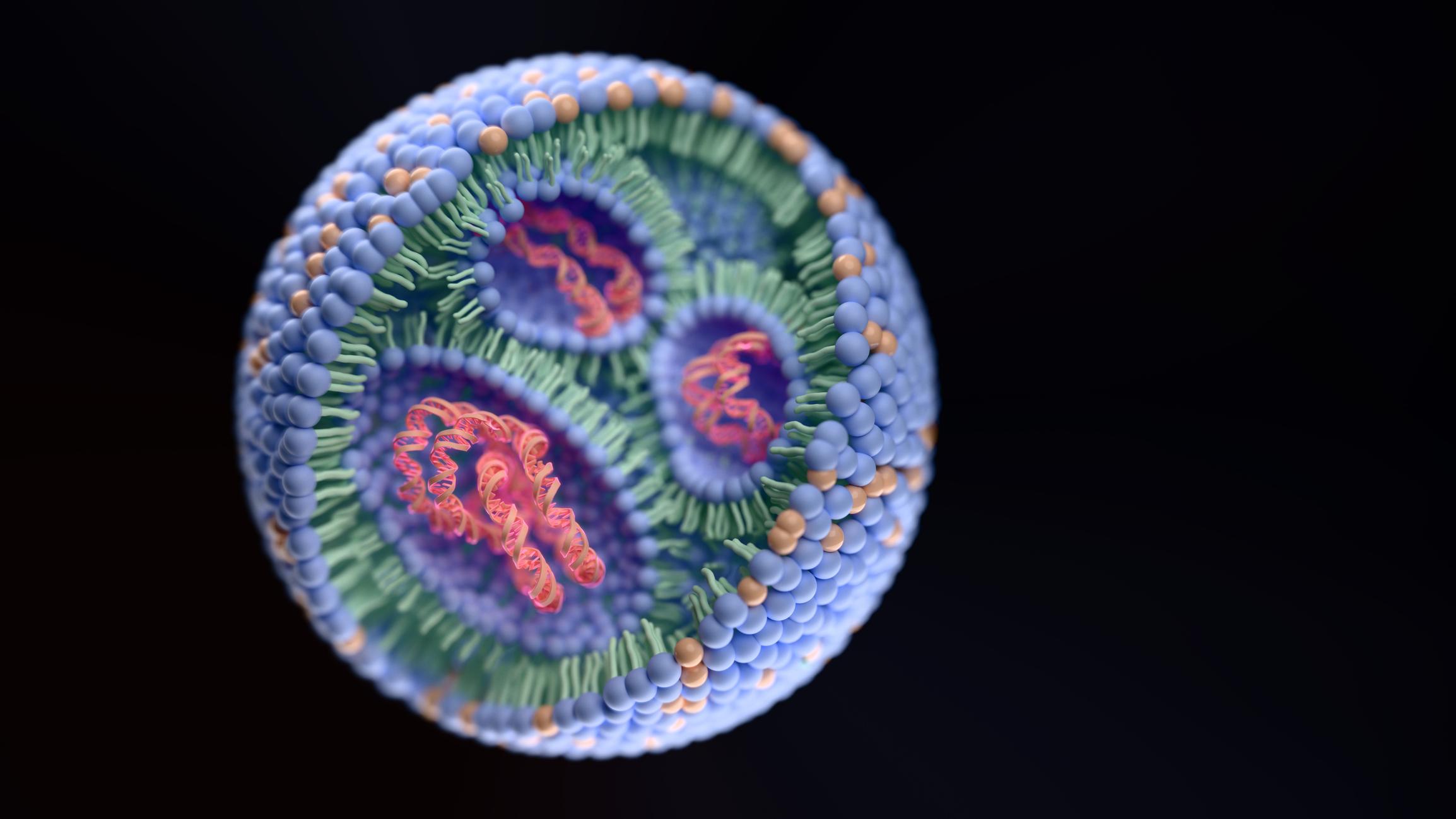
A variety of nanocarrier architectures have been investigated for this purpose. Liposomes, among the earliest nanoparticle delivery systems studied in medicine, comprise lipid bilayer vesicles capable of encapsulating both hydrophilic and hydrophobic compounds. Polymer nanoparticles represent another widely explored class, constructed from biodegradable materials that can be engineered to control drug release profiles. Lipid nanoparticles, which have gained prominence through their use in RNA therapeutics, are also being investigated as potential vehicles for delivering nucleic acids and other macromolecules to the CNS.1,7
The ability of these systems to carry therapeutic cargo arises from their structural design. Drugs can be encapsulated within the nanoparticle core or associated with the particle surface, protecting the payload from enzymatic degradation and rapid clearance in the bloodstream. Encapsulation can also improve the pharmacokinetic behavior of therapeutics by extending circulation time and stabilizing molecules that might otherwise degrade before reaching the brain.7
The capacity to modify nanoparticle surfaces with targeting ligands that engage BBB transport pathways is equally important. By attaching receptor-binding molecules, peptides, or antibody fragments to the surface of a nanoparticle, researchers can guide the carrier toward specific receptors expressed on BBB endothelial cells. In this way, nanocarriers often integrate receptor-mediated delivery strategies described earlier, using ligand functionalization to trigger uptake and transcytosis across the barrier.8,9
This combination of encapsulation and targeting creates a versatile platform for CNS drug delivery. Nanoparticles can shield fragile payloads, such as RNA molecules or proteins, while simultaneously directing the carrier toward BBB transport mechanisms. These capabilities have drawn increasing attention in the development of therapies for neurological diseases, where delivery challenges often limit the effectiveness of otherwise promising treatments.1
Applications of nanocarrier delivery systems span multiple areas of CNS medicine. In neuro-oncology, nanoparticles are being investigated as a means to deliver chemotherapeutic agents or targeted biologics to brain tumors while limiting systemic toxicity. In neurodegenerative disease research, nanoparticle platforms have been explored for delivering proteins, peptides, or gene-based therapies that modulate disease pathways within the brain. The growing interest in RNA-based therapeutics has also prompted investigation of lipid nanoparticle systems capable of transporting nucleic acid payloads across the BBB.7
While many of these approaches remain in experimental or early clinical stages, nanocarrier technologies illustrate how advances in materials science and biologic engineering are expanding the toolkit for CNS drug delivery. By combining drug encapsulation, surface functionalization, and receptor targeting, nanomedicine platforms provide flexible delivery architectures capable of transporting complex therapeutic payloads to one of the most protected organs in the body.
Current Progress and Remaining Challenges
Advances in receptor-targeted delivery systems, ligand engineering, and nanomedicine platforms have significantly expanded the range of strategies available for transporting therapeutics across the BBB. Despite steady scientific progress, the field continues to confront a number of biological and engineering challenges that limit the clinical impact of many experimental delivery technologies. Among the most important of these challenges are the heterogeneity of BBB permeability, the efficiency of transport mechanisms, dosing constraints, and the need to ensure safety when manipulating highly regulated physiological pathways.1
One major complication arises from the fact that the BBB is not uniform across the brain or across disease states. Structural and functional properties of the barrier can vary between brain regions and may change in response to inflammation, tumor growth, or neurodegenerative processes. In some neurological diseases, the BBB may become partially disrupted, while in others it remains largely intact. This variability means that a delivery strategy that performs well in one context may be less effective in another, complicating both drug development and clinical translation.1
Transport efficiency represents another persistent challenge. Even when receptor-mediated systems or nanocarrier platforms successfully engage BBB transport pathways, only a fraction of the administered drug may ultimately reach brain tissue. Receptor binding, intracellular trafficking, and vesicular transport all influence the amount of therapeutic payload that crosses the endothelial cell layer. As a result, researchers often must optimize delivery constructs to balance receptor affinity, transport kinetics, and therapeutic potency.5
Dosing considerations further complicate the development of BBB delivery platforms. Systemically administered therapeutics must circulate at sufficient concentrations to interact with BBB receptors or transport systems, yet excessive dosing can increase the risk of off-target effects in peripheral tissues. In the case of receptor-mediated delivery strategies, high doses may also saturate transport pathways or alter receptor dynamics, potentially reducing delivery efficiency rather than improving it.5
Safety considerations are particularly important because the BBB plays a critical role in maintaining neural homeostasis. Strategies that engage endogenous transport pathways must avoid disrupting normal physiological processes, while nanoparticle-based systems must demonstrate acceptable biocompatibility and clearance characteristics. Even subtle alterations in BBB transport dynamics could have unintended consequences for the delicate biochemical environment of the brain.1
These challenges underscore a central reality of CNS drug delivery: no single transport strategy is likely to provide a universal solution. Different therapeutic modalities, including small molecules, monoclonal antibodies, enzymes, and nucleic acid–based therapies, have distinct delivery requirements and pharmacokinetic constraints. As a result, the most effective BBB delivery approaches will likely emerge from a diverse toolkit of technologies that can be matched to specific therapeutic targets, molecular payloads, and disease contexts.
Future Directions — Toward Platform Solutions for Brain Drug Delivery
The rapid expansion of delivery strategies for crossing the BBB reflects a broader shift in how researchers approach CNS drug development. Instead of attempting to design individual drug molecules that happen to possess the rare physicochemical properties needed for passive brain penetration, many research programs now focus on developing adaptable delivery platforms that can transport a wide range of therapeutic payloads. These platforms combine advances in biologic engineering, nanotechnology, and receptor targeting to create modular systems capable of addressing the BBB’s transport constraints.1,5
An emerging direction involves integrating nanomedicine with receptor-targeting strategies. Nanocarriers provide a flexible framework for encapsulating therapeutic molecules, while surface functionalization allows these carriers to engage specific transport pathways on BBB endothelial cells. By combining nanoparticle drug carriers with receptor-binding ligands or antibody fragments, researchers can create hybrid delivery systems that leverage both encapsulation and receptor-mediated transcytosis mechanisms.1,7
Biologic engineering approaches are also expanding the possibilities for BBB transport. Advances in antibody engineering, protein fusion design, and peptide targeting have enabled the development of increasingly sophisticated molecular shuttles capable of transporting complex therapeutics across the barrier. These constructs can be tailored to interact with specific receptors while carrying enzymes, antibodies, or other biologic therapies as cargo. These designs allow delivery systems to be adapted for different therapeutic modalities while maintaining a consistent transport mechanism.5
Another important trend is the development of combination delivery systems that incorporate multiple transport mechanisms within a single therapeutic platform. For example, nanocarriers may be engineered with receptor-targeting ligands while simultaneously optimizing particle size, surface chemistry, and circulation time to improve delivery efficiency. Similarly, biologic delivery systems may integrate peptide targeting domains, antibody fragments, and engineered linkers to refine transport and release characteristics.1
Together, these advances illustrate a fundamental transformation in CNS drug development. As the field moves beyond trial-and-error approaches based on passive diffusion, BBB transport is increasingly treated as an engineering problem that can be addressed through platform technologies. By designing delivery systems capable of transporting diverse therapeutic payloads across the barrier, researchers are laying the foundation for a new generation of treatments targeting diseases that originate within the brain.
References
1. Wu, Di, et al. “The blood–brain barrier: Structure, regulation and drug delivery.” Signal Transduction and Targeted Therapy. 8: 217 (2023).
2. Xiao, Guangqing, and Liang-Shang Gan. “Receptor-Mediated Endocytosis and Brain Delivery of Therapeutic Biologics.” International Journal of Cell Biology. 2013: 703545 (2013).
3. Ding, Ling, et al. “Crossing the Blood–Brain Barrier: Innovations in Receptor- and Transporter-Mediated Transcytosis Strategies.” Pharmaceutics. 17: 706 (2025).
4. Johnsen, Kasper Bendix, et al. “Targeting the transferring receptor for brain drug delivery.” Progress in Neurobiology. 181: 101665 (2019).
5. Haggani, Arsalan S, Kasandra Bélanger, and Danica B Stanimirovic. “Receptor-mediated transcytosis for brain delivery of therapeutics: receptor classes and criteria.” Front. Drug Deliv. 4: 1360302 (2024).
6. Tashima, Toshihiko. “Smart Strategies for Therapeutic Agent Delivery into Brain across the Blood–Brain Barrier Using Receptor-Mediated Transcytosis.” J-Stage. 68: 316–325 (2020).
7. Johnsen, Kasper Bendix and Torben Moos. “Revisiting nanoparticle technology for blood–brain barrier transport: Unfolding at the endothelial gate improves the fate of transferrin receptor-targeted liposomes.” Journal of Controlled Release. 222: 32–46 (2016).
8. Mu, Li-Min, et al. “Lipid vesicles containing transferrin receptor binding peptide TfR-T12 and octa-arginine conjugate stearyl-R8 efficiently treat brain glioma along with glioma stem cells.” Scientific Reports. 7: 3487 (2017).
9. Thomsen, Maj Schneider, et al. “Blood–Brain Barrier Transport of Transferrin Receptor-Targeted Nanoparticles.” Pharmaceutics. 14: 2237 (2022).