Key Takeaways: The Rise of High-Concentration Antibody Drugs
Growing Market Demand for Self-Administration: The shift toward patient-centric care is driving a surge in high-concentration antibody products, primarily to facilitate convenient, at-home self-injections.
Impact on the Therapeutic Life Cycle: High-concentration requirements create technical hurdles across the entire bioprocessing pipeline, necessitating specialized strategies for drug design, complex formulation, and final fill/finish operations.
Overcoming Formulation Challenges: Increasing protein concentration often leads to higher viscosity and stability issues, requiring innovative delivery technologies to ensure drug efficacy and patient safety.
Life Cycle Management & Dosing Innovation: To extend patent life and improve patient adherence, manufacturers are increasingly pivoting from intravenous (IV) to subcutaneous delivery with altered, less frequent dosing schedules.
A Long-Term Industry Trend: Optimized dosing for previously FDA-approved products is expected to remain a dominant trend as developers seek to differentiate their portfolios in a competitive biologics market.
1.1. The prevalence of high concentration drugs, especially antibodies is increasing. High-concentration antibody products (HCAPs) represent a transformative development in the sterile biotherapeutics market. Defined in this discussion as injectable mAb therapies with concentrations above 100 mg/mL, HCAPs offer a unique combination of therapeutic efficacy and patient convenience. Unlike traditional IV therapies, which often require hospital visits or infusion centers, HCAPs enable subcutaneous (SC) self-administration, empowering patients with greater flexibility while significantly reducing healthcare costs. This patient-centric approach has made HCAPs a vital tool for managing chronic diseases, particularly those requiring long-term treatment.1
1.2. Despite their advantages, the development of HCAPs is not without challenges. High protein concentrations introduce physical and chemical instabilities, such as viscosity, protein aggregation, and immunogenicity, which can compromise product efficacy and safety. Addressing these challenges requires robust formulation strategies, including the precise selection of excipients, optimization of stabilization techniques, and the application of advanced processing technologies. These measures ensure that HCAPs meet the rigorous quality and safety standards expected of sterile biotherapeutic products.
1.3. A systematic review of 46 FDA-approved HCAPs2 highlights critical trends shaping their development and market adoption. Subcutaneous administration was found to be the predominant route, utilized by 34 products, reflecting the growing demand for patient-friendly, at-home treatments. Liquid formulations dominate the market, accounting for 41 of the 46 products, emphasizing a preference for ready-to-use solutions over lyophilized forms, which require additional preparation steps. Common formulation components include histidine as the leading buffer, sucrose as the primary tonicity agent, and polysorbate 80 as the most frequently used surfactant. Protein concentrations ranged from 100 to 200 mg/mL, with only a handful of products achieving the upper limit, highlighting ongoing innovation in balancing potency and stability.
1.4. The evolution of HCAPs has been marked by significant innovations aimed at improving both delivery and patient outcomes. Ready-to-use liquid formulations have become the industry standard, driven by their convenience and ease of administration. Prefilled syringes, autoinjectors, and drug–device combination products are increasingly favored for their ability to simplify dosing and enhance patient adherence. Fixed-dose combination (FDC) therapies, such as REGEN-COV (Regeneron), have further streamlined treatment regimens by eliminating weight-based dose calculations, reducing potential errors. Moreover, technologies like ENHANZE (Halozyme) have expanded the scope of subcutaneous delivery, enabling larger dose volumes and offering a viable alternative to traditional IV administration.
1.5. HCAPs have been applied across a wide range of therapeutic areas, including immunology, oncology, neurology, infectious diseases, respiratory conditions, and cardiology. Immunology leads the field, with the majority of approved products targeting chronic autoimmune diseases such as rheumatoid arthritis and psoriasis. These therapies, designed for long-term management, benefit from the convenience of at-home administration, improving patient compliance and reducing healthcare system burdens. Additionally, HCAPs are making notable inroads in oncology and neurology, providing targeted treatments that address unmet medical needs.
1.6. The growing adoption of HCAPs highlights their pivotal role in the sterile biotherapeutics landscape. By addressing complex medical challenges with patient-centric solutions, HCAPs exemplify the convergence of innovation, convenience, and efficacy. As these products continue to evolve, they are poised to broaden their therapeutic reach and redefine treatment paradigms across multiple disease areas, solidifying their position as a cornerstone of modern biopharmaceutical development.
1.7. Prior to 2013, the majority (58%) of monoclonal antibody therapies approved by the FDA had concentrations between 0.1 mg/mL and 25 mg/mL. Since then, there has been a notable shift in this pattern. Among therapies approved between 2013 and 2024, 62% have concentrations above 25 mg/mL, with 34% in the medium range (25–100 mg/mL) and 28% in the high range (>100 mg/mL). This shift is further elucidated through year-by-year data since 2013 (Figure 3), which show a sustained upward trend in the average concentration. Figure 2 also reflects this trend, demonstrating a clear skewing of the concentration distribution toward the higher end.
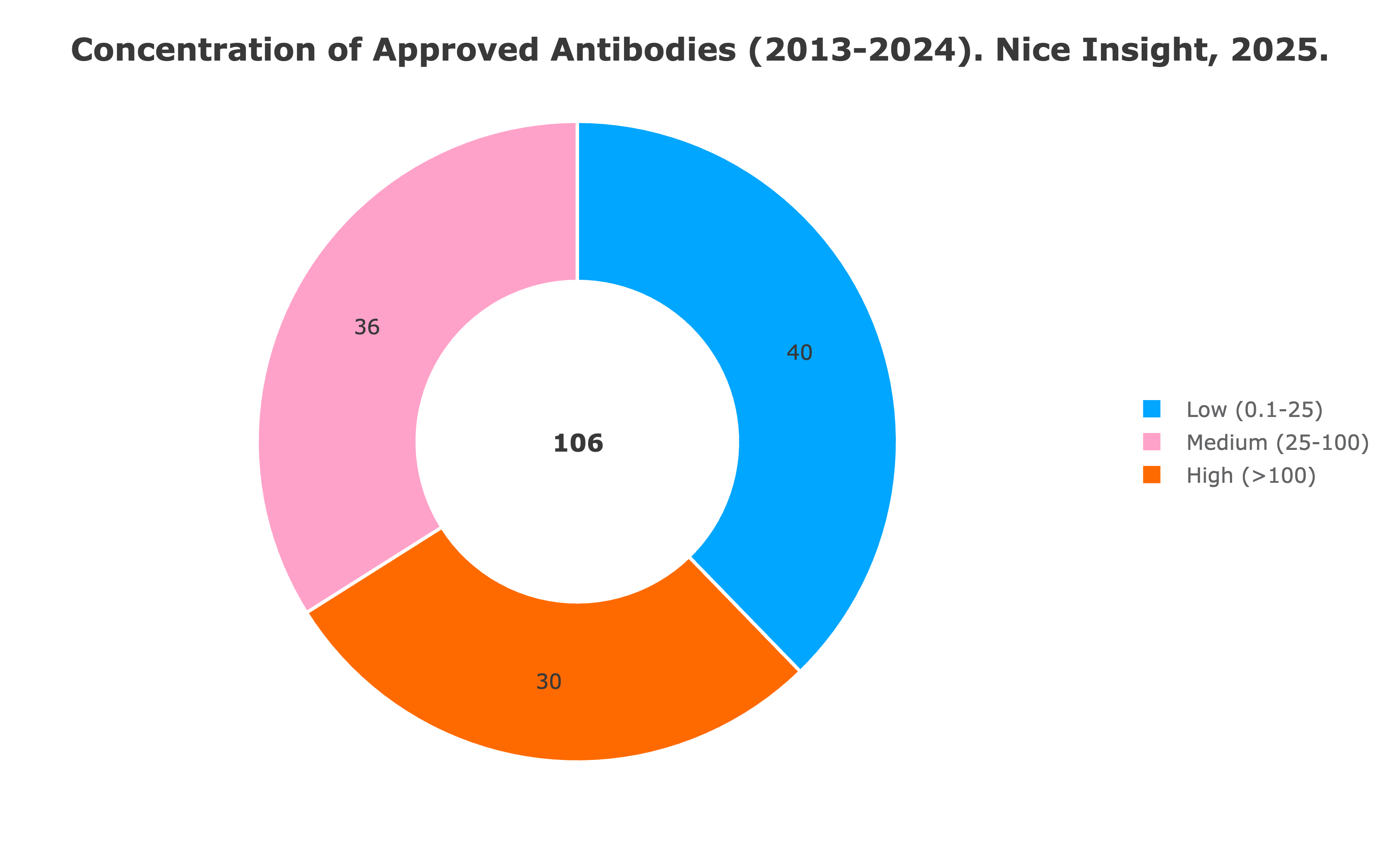 Figure 1. Antibody Concentrations (2013-2024)
Summary of FDA approval data between 2013 and 2024. Includes only monoclonal antibody therapies with a dosage form of prepared solution or solution/concentrate; powders for reconstitution are excluded. Therapies are categorized by concentration: low (0.1 - 25 mg/mL), medium (25 - 100 mg/mL), and high (>100 mg/mL). Data analysis by Nice Insight, June 2025.
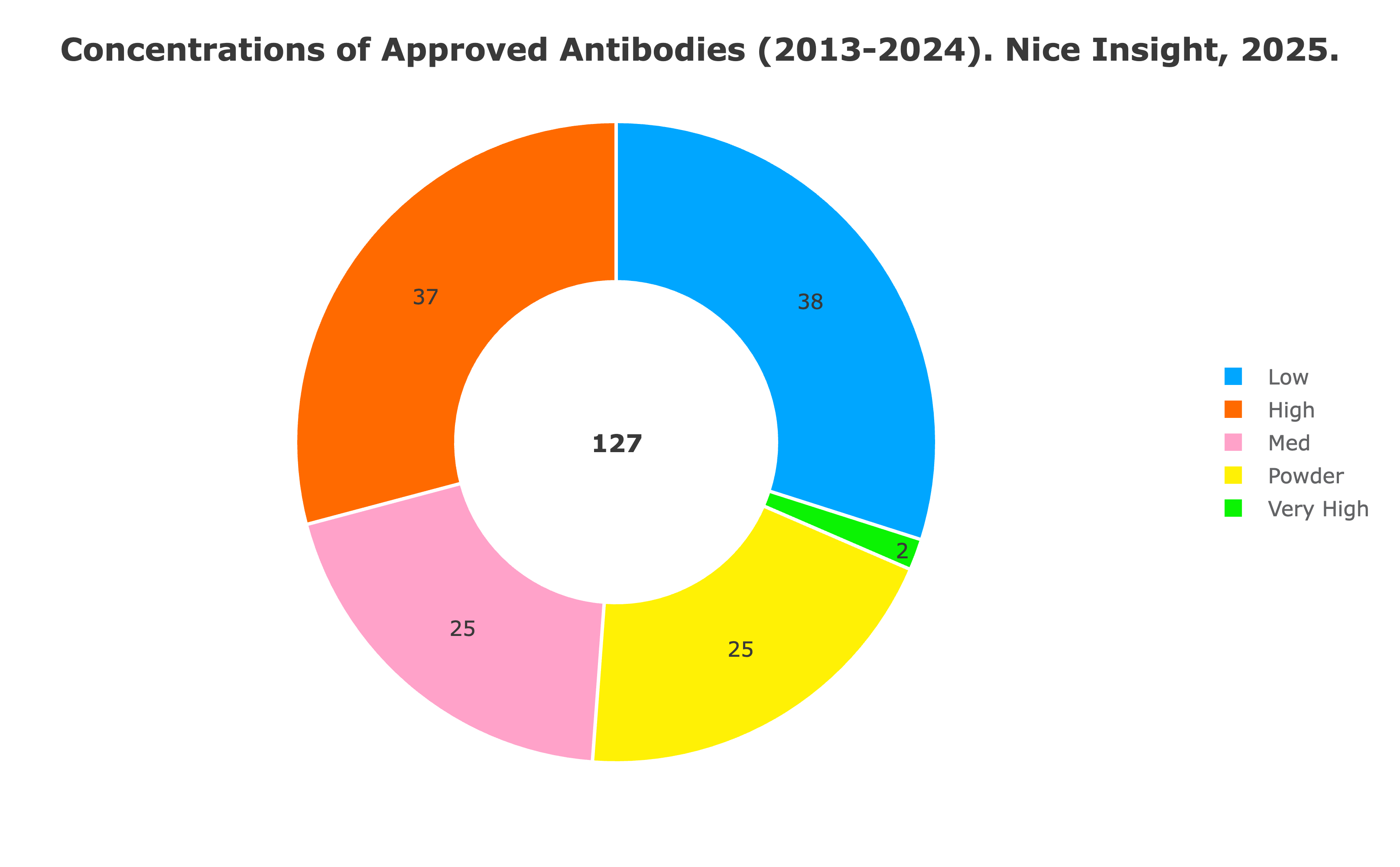 Figure 2. Antibody Concentration Distribution (2013–2024)
Summary of FDA approval data between 2013 and 2024. Includes only monoclonal antibody therapies with a dosage form of prepared solution or solution/concentrate; powders for reconstitution are excluded. Therapies are grouped by specific concentration ranges (mg/mL) to show distribution trends. Data analysis by Nice Insight, June 2025.
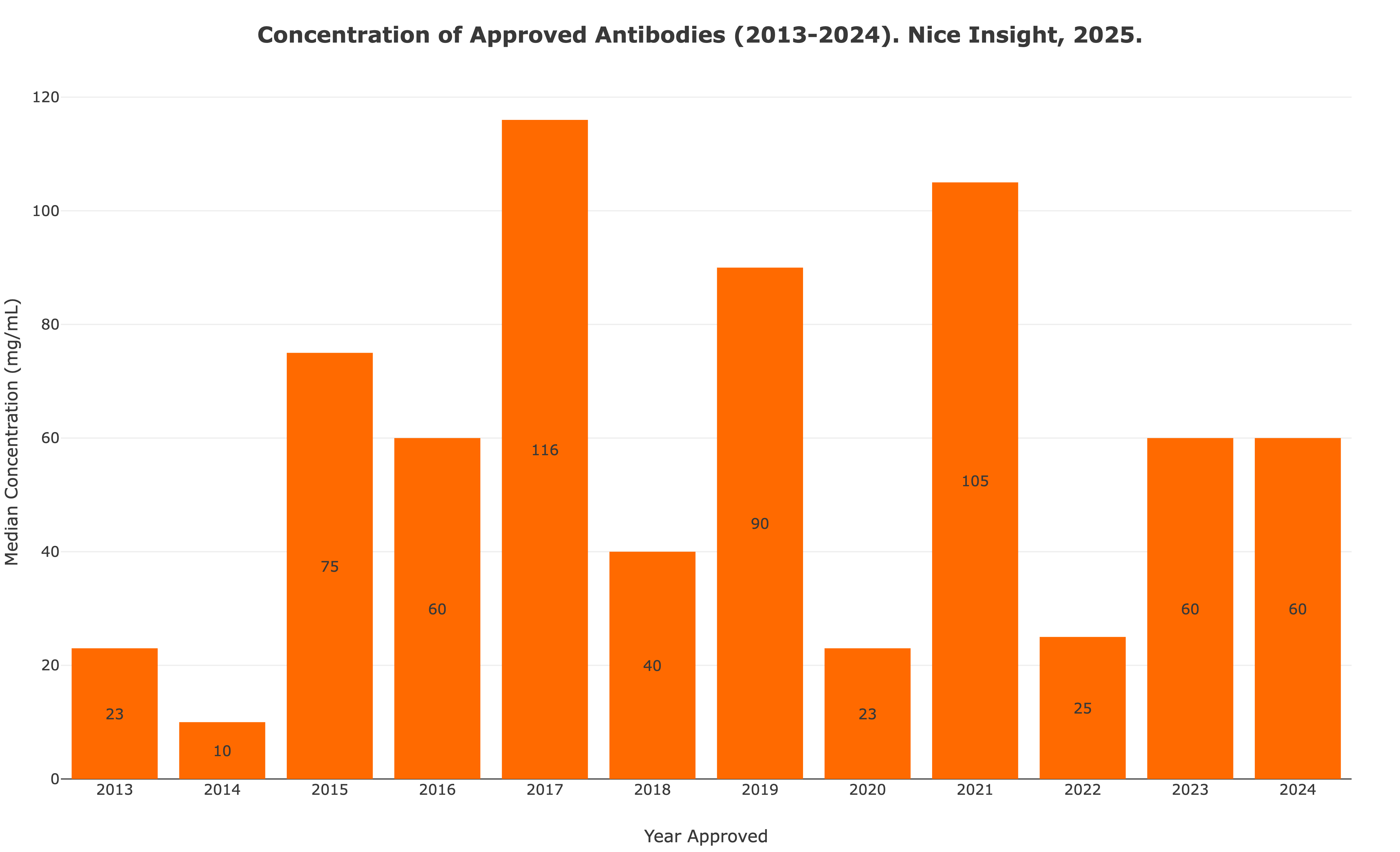 Figure 3. Median Concentration of Approved Antibodies (2013–2024)
Summary of FDA approval data between 2013 and 2024. Includes only monoclonal antibody therapies with a dosage form of prepared solution or solution/concentrate; powders for reconstitution are excluded. Median concentration values (mg/mL) were calculated annually. Data analysis by Nice Insight, June 2025.
1.8. The 35 HCAPs approved since 2013 are listed in Table 2, along with their concentration, dosage form, manufacturer, and year of approval. This snapshot highlights the growing presence of high-strength formulations in the monoclonal antibody landscape over the past decade.
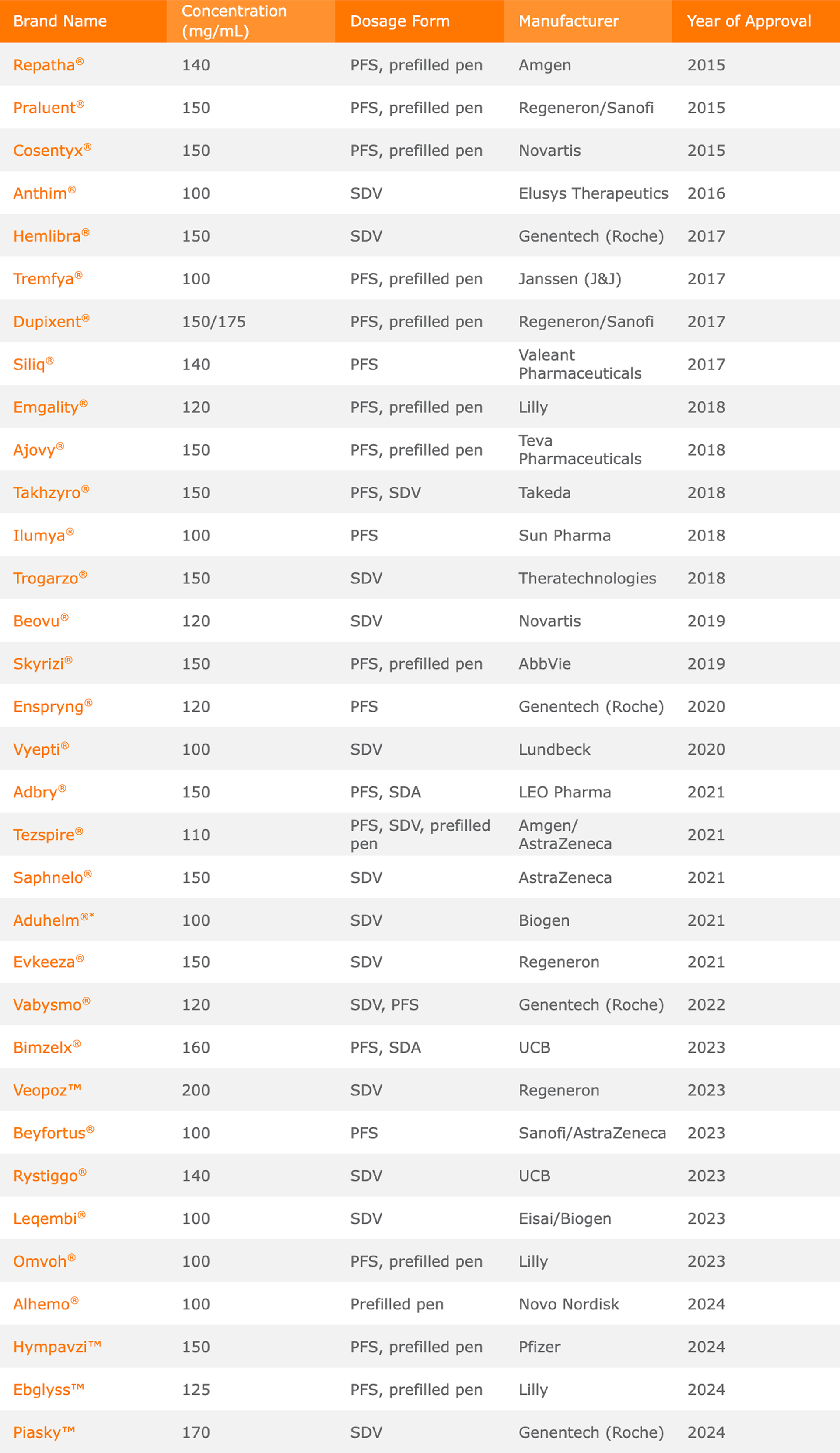 *Aduhelm has subsequently been withdrawn from the market for business reasons. PFS, prefilled syringe; SDV, single-dose vial; SDA, single-dose autoinjector. Analysis by Nice Insight, June 2025.
2.1. Self-administration of injectable drugs, on the rise before the COVID-19 pandemic, received even more interest during lockdowns as a means for patients to continue receiving treatments without risking exposure to the SARS-CoV-2 virus. The move is expected to continue due to the greater convenience that self-administration affords.37 Self-administration enables hospitals to reduce overcrowding and increase patient participation in their own treatments.3
2.2. From 2015 to 2020, the percentage of the injectables market accounted for by self-administered forms grew from 41% to 47%.4 Products for the treatment of autoimmune diseases and diabetes dominate (a combined value of $130 billion in 2020), followed by treatments for cancer and multiple sclerosis (MS).4 Notably, approximately 40% of the total growth of the self-administered segment from 2015 to 2020 was due to autoimmune therapies. Autoimmune and diabetes drugs combined are worth $130 billion.4
2.3. The top performing therapy areas are autoimmune, antidiabetics, oncology, and multiple sclerosis. Growth is also driven by the autoimmune segment, which comprises the largest CAGR of 20% and the largest market share of $70 billion. Across the past five years, it singly contributes to 41% of the overall self-administered growth.4
2.4. The preference for self-administration of sterile injectable drugs by autoimmune and diabetes patients is not surprising given that these chronic diseases require long-term management and self-administration is essential for quality of life.5
2.5. The pace of innovation toward self-administration of injectable drugs for cancer and MS has lagged behind the top two disease areas. For MS treatments, there are patient concerns about the ability to safely self-inject. In oncology, treatments have traditionally been administered intravenously in a hospital setting. Interim solutions that reduce the number of hospital visits and time spent in the hospital have been in development, and the first self-administered products have begun to receive regulatory approval.
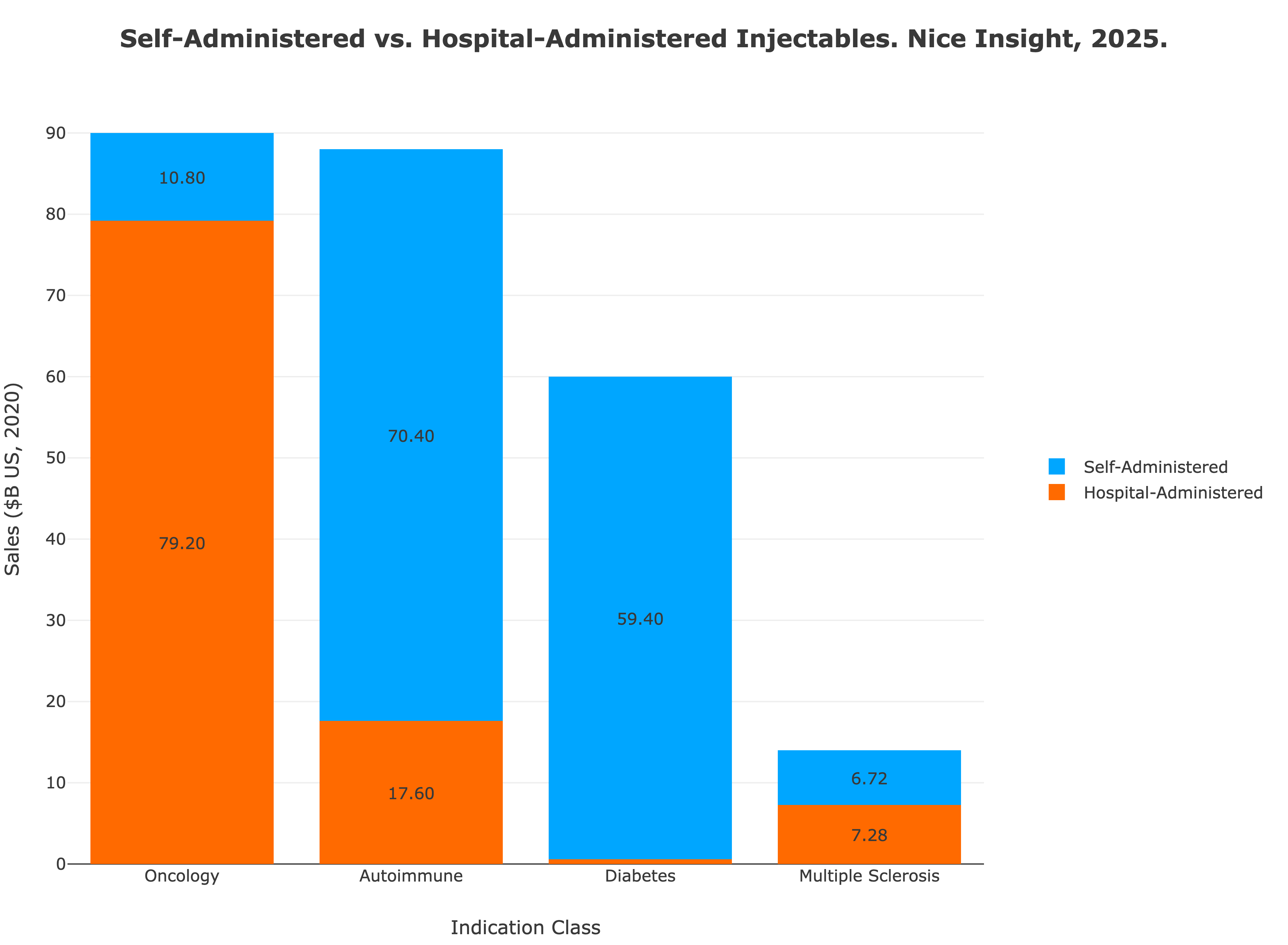 Figure 4. Top Injectable Therapy Areas (2020)4
3.1. Demand for prefilled syringes (PFS) has been growing and is expected to continue. The key drivers for this demand are the following:
rise in chronic disease prevalence. As of 2023, at least 129 million people in the U.S. have at least one chronic disease6
increasing demand for home-based health care (especially for chronic diseases)7
improved safety standards, in the sense that a prefilled syringe is safer for patients and medical staff to deliver than filling a syringe from a vial
increasing prevalence of wearable, automatic injection devices, which various market reports estimate is growing at an average of over 10% CAGR8–11
3.2. In addition to these visible market trends, one paper reported that over 10% of syringes filled from a vial contained subvisible rubber particulates. Although no adverse events from rubber injections have been reported, this highlights the inherent safety of PFS.12
3.3. Prefilled syringes have become the dominant solution for self-administration, because they offer a combination of ease of use, precise dosing, and reduced product loss, which can be very important for high-cost biopharmaceuticals.12
3.4. They are ideal for use by patients with chronic diseases that require frequent injections that could not be easily or cost-effectively obtained through clinic visits.3
3.5. Dosing errors are avoided because prefilled syringes come with the proper dosage already set. Eliminating the need to draw a dose from a vial also reduces contamination risk. The ease of use helps increase medication adherence, which directly impacts patient outcomes and contributes to lower healthcare system costs. Prefilled safety syringes also reduce the risk of needle-stick injuries. Finally, the ability to safely self-administer drugs empowers patients who increasingly seek an active role in their personal healthcare.
4.1. Many sterile injectable drug products today are of higher viscosity than has been commonplace in the past.13 In some cases, the increased viscosity results from the properties of the drug substance, most notably with larger biomolecules. In other cases, the trend toward greater patient centricity is leading to the development of higher-concentration products and products designed to be long acting, both with the intent of reducing dosing frequency. Sterile injectable drug products initially administered via IV that have been reformulated for self-administration at home via injection also often have high viscosities and/or require the delivery of large quantities.
5.1. The key role that LNPs play in the delivery of mRNA vaccine actives highlights the increasing importance of excipients in many sterile injectable drug products. A wide range of excipients are used in injectable drug formulations, including solvents and cosolvents (typically water or vegetable oils); solubilizing, wetting, suspending, emulsifying, and thickening agents; chelating agents; antioxidants and reducing agents; antimicrobial compounds; buffering and pH-adjusting agents; bulking agents, protectants, and tonicity adjustors; and other special additives.14
5.2. These excipients are added to injectable formulations to improve their stability, maintain tonicity (the impact the injected solution has on cells, most notably their morphology), to prevent irritation at the site of injection, and to facilitate delivery of the drug substance.15]They also often enhance solubility and bioavailability and where appropriate provide protection to APIs during lyophilization (e.g., cryoprotectants and lyoprotectants). For biologics in particular, excipients help retain the preferred conformation of proteins and prevent aggregation.16
5.3. In a recent study, it was found that, in 230 biologic formulations evaluated, an average of 4.45 excipients were used, which is approximately half the number commonly employed in oral drug products.15 The most commonly used excipients were water, sodium chloride, polysorbate 80, sucrose, and mannitol. For these particular biologic drug products, 17 case reports of excipient-related adverse events were found.
5.4. Excipients in sterile injectable drug products must primarily ensure the performance of the formulation while also being amenable to commercial manufacturing requirements in terms of regulatory compliance, availability, sterility, and other considerations.17 Importantly, they must not be involved in undesired interactions with the drug substance or packaging materials (e.g., glass vials, syringes, plastic bags, stoppers, needles).18 Excipients for injectable drug formulations must therefore be carefully selected, ideally as early in the development process as possible.
5.5. Excipients used to form polymeric nanoparticles and LNPs, as well as excipients that enable controlled/sustained release of drug substances administered parenterally, are functional excipients that play a much more active role in the performance of injectable drug products than the inactive ingredients used in the formulation of the earliest types of these medicines. Not surprisingly, interest in assuring the quality of these excipients is heightened, with many drug manufacturers requiring GMP-grade materials for clinical and commercial products.
5.6. Furthermore, as the number of injectable biologic and biosimilar drugs reaching the market increases, as well as the percentage of these treatments that are intended as personalized medicines, a greater understanding of the potential for excipients to cause increased sensation of pain at the injection site and immunogenic reactions is needed so that not just the drug substances but the excipients, which are often today involved in the targeted delivery of APIs, can be tailored for individual patients.15
Answer: High-concentration antibody products (HCAPs) are injectable monoclonal antibody (mAb) therapies formulated at concentrations exceeding 100 mg/mL. These formulations are primarily designed to enable subcutaneous (SC) self-administration, allowing patients to receive high therapeutic doses in small volumes (typically 1–2 mL) without requiring hospital-based intravenous (IV) infusions.
Answer: At high concentrations, protein and antibody molecules are packed densely, which increases unintended molecular crowding and protein-protein interactions. This crowding significantly raises formulation viscosity, which can impair syringeability and require specialized delivery devices to ensure accurate, pain-free administration for the patient.
Answer: The most frequently used excipients in FDA-approved HCAPs include histidine as a buffering agent, sucrose as a tonicity agent to prevent aggregation, and polysorbate 80 as a surfactant to maintain stability. Additionally, amino acids like L-arginine are often added to high-concentration formulations specifically to reduce viscosity and improve injectability.
Answer: HCAPs complicate sterile filtration and filling operations because high viscosity increases pressure in the system and slows processing times. High-concentration formulations also require extended ultrafiltration/diafiltration (UF/DF) cycles to reach target potency, which carries a higher risk of shear-related protein damage and aggregation compared to traditional low-concentration platforms.
Answer: HCAPs are a cornerstone of patient-centricity because they facilitate the transition from clinic-based IV infusions to at-home self-administration via prefilled syringes (PFS) or autoinjectors. This shift empowers patients with chronic conditions, such as autoimmune diseases, to manage their own treatment schedules, thereby reducing healthcare costs and
Answer: While HCAPs are used across oncology, neurology, and cardiology, the immunology field leads the market, with the majority of approved high-strength products targeting chronic conditions like rheumatoid arthritis and psoriasis. More recently, next-generation oncology therapies, including PD-1 and PD-L1 checkpoint inhibitors, are being reformulated as HCAPs to support subcutaneous maintenance dosing.
Klehr, Robert, Uwe Korn, and Norbert Straub. “Streamlining Highly Potent Drug Commercialization.” Pharma’s Almanac. 19 Apr. 2021.
Ghosh, Indrajit et al. “A systematic review of commercial high concentration antibody drug products approved in the US: formulation composition, dosage form design and primary packaging considerations.” mAbs. 15(1):2205540 (2023).
I’ons, George. “Pre-filled Safety Syringes and the Self-Administration Trend.” Medical Product Outsourcing. 21 Nov. 2019.
Chen, Yifei, and Yasemin Bettina Karanis. “Innovation in Drug Delivery — Part One: The trend towards self-administration.” CPHI Online. 1 Feb. 2021.
Chen, Yifei, and Yasemin Bettina Karanis. “Innovation in Drug Delivery — Part Two: Therapy area trends for injectables.” CPHI Online. 1 Feb. 2021.
Benavidez, Gabriel A. et al. “Chronic Disease Prevalence in the US: Sociodemographic and Geographic Variations by Zip Code Tabulation Area.” Prev Chronic Dis. 21:230267 (2024).
Bestsennyy, Oleg et al. “From facility to home: How healthcare could shift by 2025.” McKinsey & Company. 1 Feb. 2022.
Wearable Injectors — Global Strategic Business Report. Report. Research and Markets. Accessed 13 Dec. 2024.
Wearable Injectors Market Size, Share & Trends Analysis. Report. Grand View Research. Accessed 13 Dec. 2024.
Wearable Injectors Market. Report. Roots Analysis. Accessed 13 Dec. 2024.
Wearable Injectors Market. Report. Persistence Market Research. Accessed 13 Dec. 2024.
Hecker, Andreas et al. “Avoiding unconscious injection of vial-derived rubber particles during intra-articular drug administration.” Osteoarthritis Cartilage. 3(2):100164 (2021).
Viñes, Marga. “Trends Shaping the Dynamic Market for Parenterals.” Pharma’s Almanac. 29 Sep. 2020.
Akers, Michael J. “Excipient–Drug Interactions in Parenteral Formulations.” J Pharm Sci. 91(11):P2283–2300 (2002).
Ionova, Yelena, and Leslie Wilson. “Biologic excipients: Importance of clinical awareness of inactive ingredients.” PLoS One. 15(6):e0235076 (2020).
“Excipients: The inactive ingredients of biologics!” Blog. Evidentic. 11 May 2021.
Thomas, Felicity. “Formulation and Manufacturing Trends for Parenterals.” Pharmaceutical Technology. 43(8):24–25 (2019).
Rayaprolu, Bindhu Madhavi, Jonathan J. Strawser, and Gopal Anyarambhatla. “Excipients in parenteral formulations: selection considerations and effective utilization with small molecules and biologics.” Drug Dev Ind Pharm. 44(10):1565–1571 (2018).