The Antibody-Drug Conjugate (ADC) Market is projected to achieve a 22% CAGR growth rate because commercial powerhouses like Enhertu ($3B in 2023 sales) and Adcetris demonstrate superior therapeutic index efficiency over traditional Small Molecules and unconjugated Monoclonal Antibodies (mAbs).
Next-Generation ADC Engineering is transitioning toward site-specific conjugation and bispecific antibody formats because traditional random conjugation at lysine or cysteine residues creates high Drug-to-Antibody Ratio (DAR) heterogeneity and unstable systemic clearance profiles.
Oncology Combination Therapies represent the primary clinical development pathway for ADCs because integrating ADCs with Immunotherapy (e.g., PD-1 inhibitors like Keytruda) synergistically enhances cell surface antigen expression while permitting reduced therapeutic dosages to limit off-target toxicity.
Payload Mechanistic Diversification is shifting away from classic cytotoxic tubulin agents toward novel noncytotoxic modalities because incorporating Topo 2 inhibitors, immunostimulants, and prodrug designs significantly widens the therapeutic window and prevents tumor drug resistance.
1 The Future of ADCs
1.1 The ADC market is growing at an unprecedented rate and the future possibilities are endless. Researchers and industry experts are considering novel payloads, linkers, and engineering techniques to improve the ADC design and make it safer and more effective for the patient.
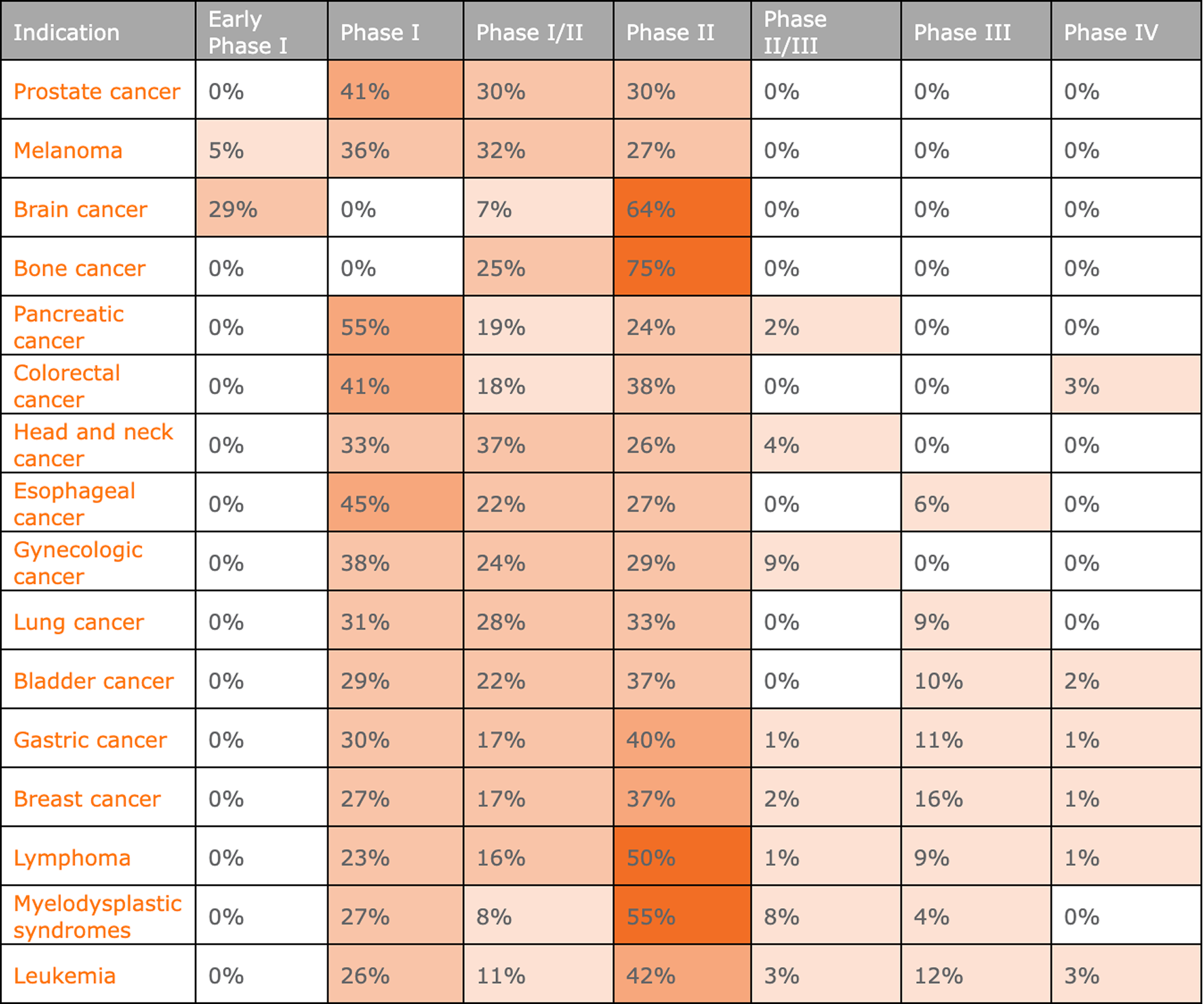
1.2 Table 1 gives a summary of the target treatment areas for ADCs in clinical trials. While most ADC trials are in the initial stages between early phase I and phase II, a few areas of concentration of trials can be seen. In phase I, pancreatic cancer — followed by esophageal cancer — shows the highest percentage of trials. In phase I/II, head and neck cancer and melanoma (hematological target) show a higher percentage of trials. In phase II, bone and brain cancer carry the vast majority of ADCs. Details on promising ADC drugs in the late stages of clinical trials are covered in Section VII. Combination therapy that integrates ADCs with other targeted therapies is another key area of interest for cancer treatment. It has the potential to synergize the effects of working mechanisms of different treatments to deal with complex targets and prolong patient survival. The various types of combination therapies currently being explored are:
ADCs and chemotherapy The mechanism includes targeting different cell cycle phases or modulating tumor cell surface antigen expression. While there are the highest number of clinical trials ongoing for this combination, the biggest challenge is related to the overlapping toxicities of the two treatments.
ADCs and endocrine therapy This combination works by targeting hormones associated with tumor growth by inducing cellular effects that impede tumor cell survival and proliferation. This combination reduces the likelihood of tumor cells developing resistance. There are some clinical trials for this combination, but more research is underway.
ADCs and radiotherapy This includes both radionuclide antibody–conjugates (RACs) and external radiation therapy with ADCs. While the radiation induces antigen expression in tumor cells, ADCs increase the sensitivity of tumor cells to radiotherapy, thereby improving treatment efficiency. This is a promising treatment strategy with several clinical trials underway, but there is an urgent need for high-level evidence regarding their safety.
ADCs and molecular targeted cancer therapy This combination improves intratumoral drug delivery, regulates tumor cell surface antigen expression, and helps prevent intratumoral heterogeneity, tumor drug resistance, and loss of synthetic lethality. There have been limited trials for this combination until now, but several studies are underway.
ADCs and immunotherapy The data from initial findings and preclinical trials show improved antitumor effects with this combination, making it a current trend in clinical trials. Research shows that immunotherapy improves the efficacy of ADCs, allowing for lower doses and thereby reducing toxic side effects.
Table 1. Distribution of ADCs in Clinical Trials, by Indication
Adapted from Tenchov et. al. 2023 [1]
1.3 Other than combination therapy, some other ongoing innovations in the ADC space that will drive the market forward include:
Antibody design optimization This encompasses all types of next-generation antibody formats, of which there are many. Bispecific antibody-based formats are currently enjoying clinical success and so it is natural to expect bispecific ADCs to be entering the clinical pipeline in greater numbers. Conditional ADCs that are activated only in the tumor environment either because of the payload design or the antibody design have much promise because they can increase the therapeutic window, which helps reduce off-tumor toxicity. This format has encountered more technical difficulties, however, than the relatively straightforward bispecifics.
Replacing antibody in ADC To reduce ADC molecular weight and improve its target penetration, another promising approach is to replace the monoclonal antibody with a lower molecular weight polypeptide fragment or other small molecule or nanoparticle. These ADCs will have the potential to target inaccessible tumors with poor vascular intervention and central nervous system tumors.
Expanding scope of target antigen selection In recent years, the development of ADC targets has broadened from traditional tumor antigens to include microenvironment and cancer stem cell antigens. Additionally, advancements in bioinformatics and computer-aided drug screening technology have significantly accelerated the process of antigen selection. This will help in discovering new targets and expanding the indications for ADC therapy in the future.
Advances in the linker There are multiple avenues in which researchers are attempting to improve linker stability. The goal is to design a hydrophilic linker that can shield the hydrophobic payload in serum. This would improve the therapeutic window and reduce off-target effects. Other more niche advances, such as photo-responsive cleavable linkers — which employ a near-infrared (NIR) light-locking strategy to release payloads selectively in the irradiated tumor region — may contribute to improved linker designs.
Payload optimization So far, tubulin and DNA alkylating agents have dominated ADC payloads, but the trend is shifting away from cytotoxic drugs to other noncytotoxic mechanistic agents, which mainly include Topo 2 inhibitors, RNA polymerase inhibitors, B-cell lymphoma-extra-large inhibitors, and immunostimulants. Another innovative payload design is prodrug–ADCs, which can only be activated and released after entering tumor cells, further enhancing the drug specificity and therapeutic window.
Conjugation methods Most conjugations of ADCs to date randomly occur at canonical amino acid residues, such as lysine or interchain cysteines, which lack specificity, and lead to heterogeneity of DAR and drug distribution. Site-specific conjugation technology enables antibodies and small molecules to be fixed to a site and quantitatively conjugated, resulting in high homogeneity, good stability, and better activity, and this approach is gradually becoming the choice for the next generation of ADCs.
2 ADCs are a Growing Market
2.1 The pharmaceutical industry has been growing steadily and is expected to continue for the foreseeable future, and biologics are a growing subset of the industry. Within the space of biologics, antibodies have traditionally been the largest class of biologic drugs — in the pipeline and by sales of approved therapies. This trend is expected to continue, though antibody-drug conjugates (ADCs) are an especially fast-growing niche within the antibody market. ADC market growth is occurring across the entire development value chain. Each of these areas is discussed in depth in this report.
Investment Venture capital (VC) and other types of funding have been strong compared to other biotech markets. Because VC is a critical starting point for most of the therapeutics industry, VC investments are considered a harbinger of the market several years into the future.
Clinical trials All therapies, of course, must go through the clinical trial development pathway, so analysis of past and present trials can give us detailed insight into the types of therapies that may eventually hit the market. Our analysis indicates there are many drugs entering this phase of development, indicating that venture investment is successfully translating to viable therapeutic options. Given the current number of trials and the past success rates, we can predict with reasonable confidence that many more ADCs will be approved in the future. Our in-depth analysis of the 1,613 clinical trials underway as of June 13, 2024, can be found in Section VII.
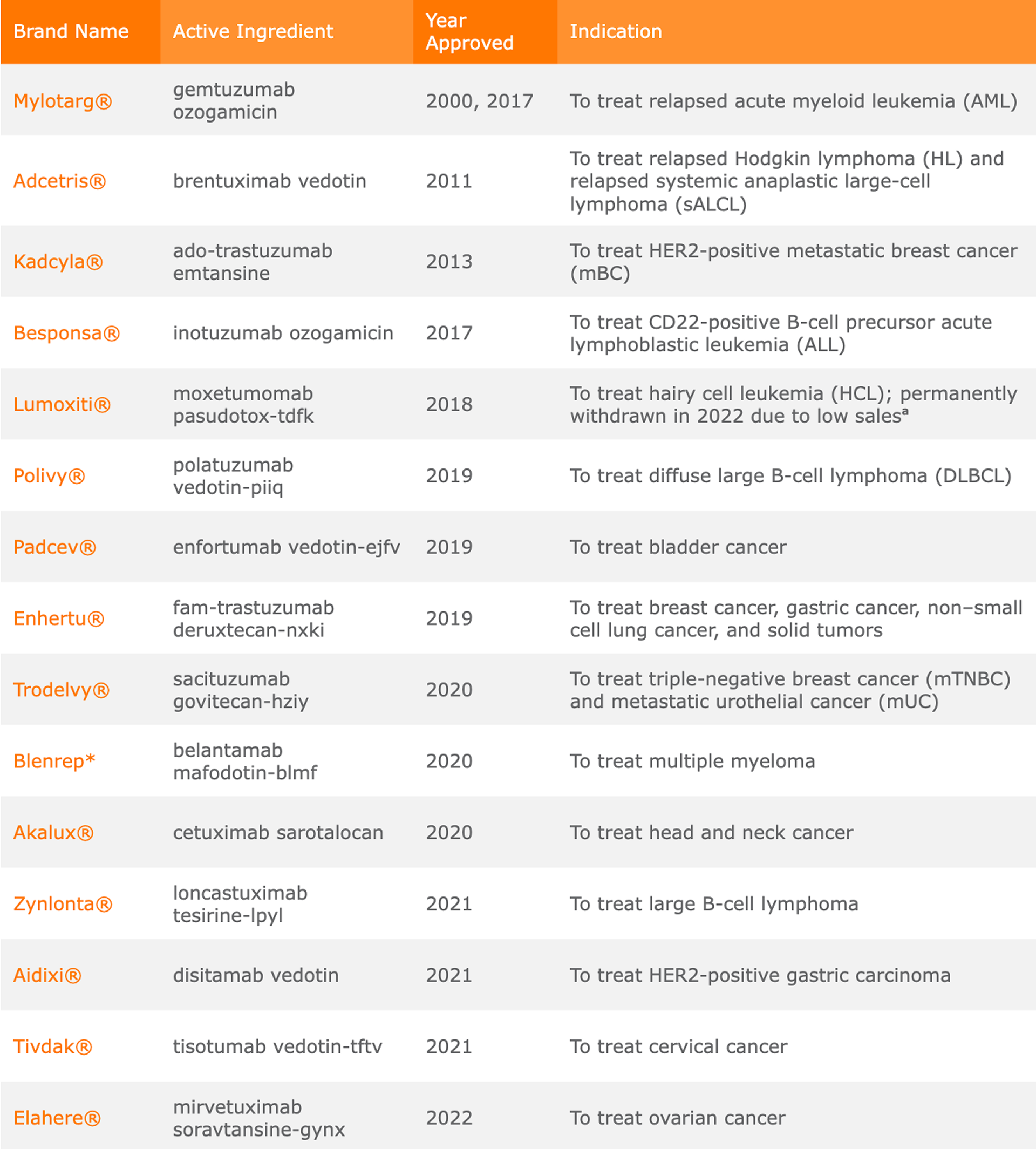
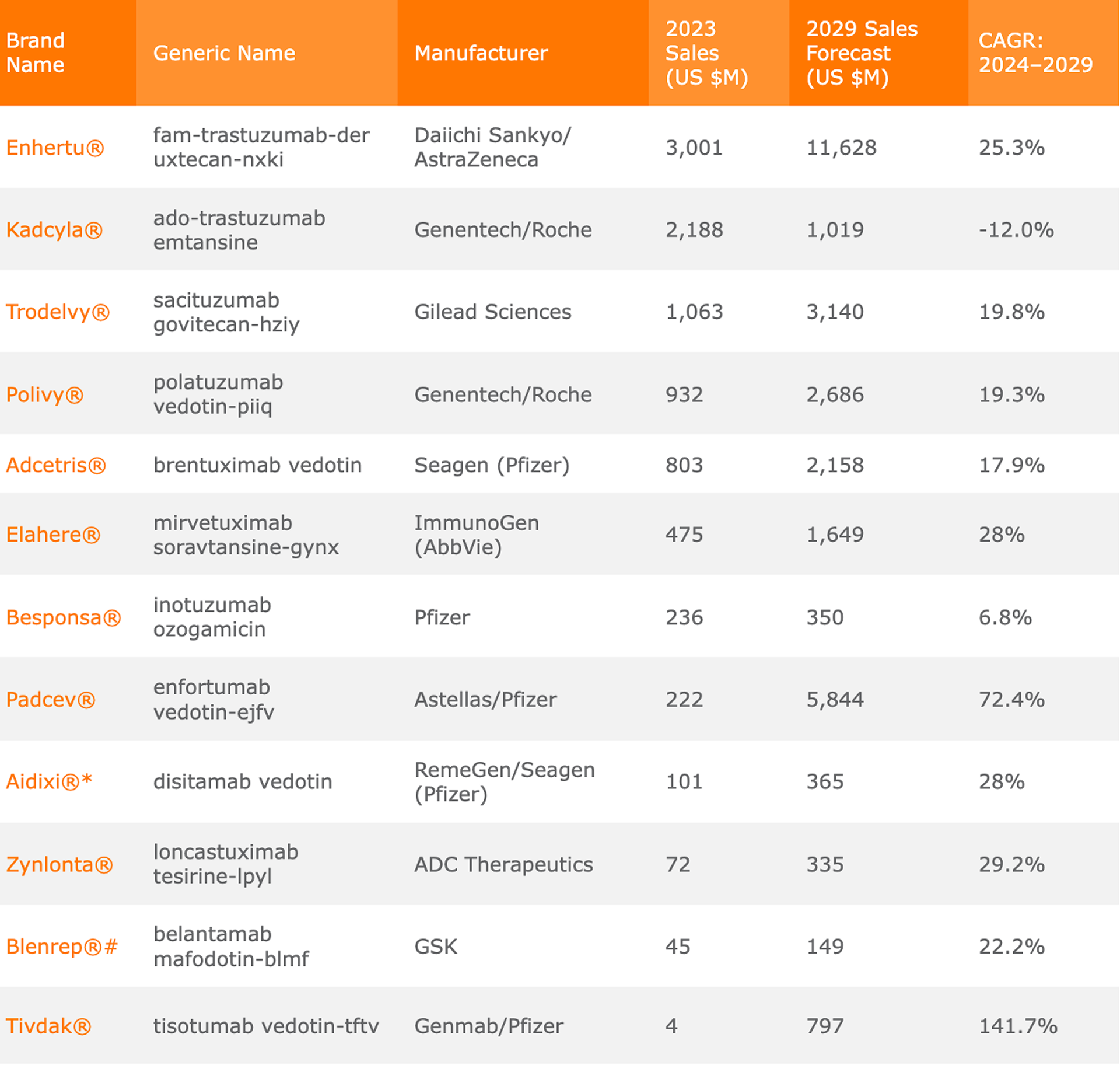
Commercial success There are, as of this writing in September 2024, 15 ADC drugs that have been approved by the FDA although a few have been withdrawn (Table 2). The increasing frequency of ADC drug approvals and the positive sales forecasts (Table 3) together predict continued commercial success, which will, in turn, foster more development investment.
Therapeutic market drivers As the reader is well aware, the fundamental drivers for the pharmaceutical market remain strong. An aging population in developed markets, continued illness across all markets, and increasing access to healthcare all ensure that the potential for commercial success of new therapies remains strong. Our discussion of this topic begins in Section III.
Continued innovation ADCs have been called an “invitation to innovate” because they enjoy a unique blend of features that encourage researchers to investigate new technologies in different fields such as small molecule chemistry and antibody discovery, while benefitting from the relative comfort of a deep history of previous research for guidance. Many of the features being investigated are well understood, and so there is relatively lower risk for combining previously approved components to create new therapies. The healthy patent landscape is a strong indication that researchers will continue to expand the possibilities for ADC development. Our discussion of this topic begins in the final subsection of Section III.
Table 2. FDA-Approved ADCs
*This has since been removed from the market.
Table 3. Top-Selling Antibody–Drug Conjugates (ADCs) in 2023 and Forecasts
#Sales in Japan and the UK. Blenrep is not yet approved in the U.S. Source: GlobalData
3 Global Antibody and ADC Market
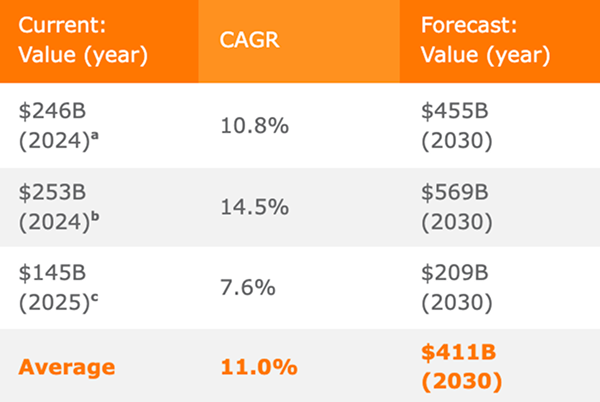
3.1 Antibodies and antibody-based therapies represent the majority of the biopharma market and therefore are driving the growth of the overall market. Again the specific projections differ by source; a few examples are given in Table 4.
Table 4. Market Forecasts: Global Antibodies
Forecasts as of Oct. 2025. Table References: a[2]; b[3]; c[4]
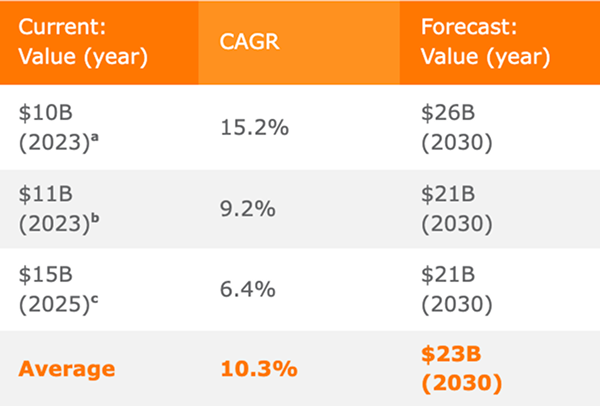
3.2 The ADC market has seen a dramatic uptick in sales since the approval and commercial success of Adcetris, which was launched in 2011, and Kadcyla, which was launched in 2013. A survey of some market projections, given in Table 5, illustrates the consensus that the ADC market will at least match the pace of the overall antibody market, although Evaluate projects the ADC market will continue to grow from its 2023 values by 22% CAGR over the next five years. [5]
Table 5. Market Forecasts: ADCs
Forecasts as of Oct. 2025. References: a[6]; b[7]; c[8]
3.3 The impact of Adcetris and Kadcyla on the market reminds us that the ADC modality is still a small enough niche that the success (or failure) of a relatively few highly visible drugs can have an effect on the overall market. Like other therapeutics, the success or failure of the drug depends on the technical aspects of the drug, and tracing drug sales back to the ADC design can serve as an instructive model.
3.4 A classic lesson in ADC design can be gleaned by comparing Kadcyla and Enhertu. Both employ the same antibody, trastuzumab, which is sold as an unconjugated antibody under the brand name Herceptin, so presumably their targeting and specificity profiles are similar. The two ADCs, however, employ different linkers and different payloads. The combination of cleavable linker with deruxtecan employed in Enhertu proved a more stable drug than Kadcyla. The technical difference, predictably, had a commercial impact: Enhertu generated $3B in 2023, compared to $2B for Kadcyla (Table 3).
3.5 Another lesson can be found in studying the developmental path of Mylotarg. It was initially approved in 2000, but, due to toxicity resulting from an unstable linker, was later withdrawn from the market. It was reintroduced with a cleavable linker in 2017[9] and is still on the market, although Pfizer has not published its sales.
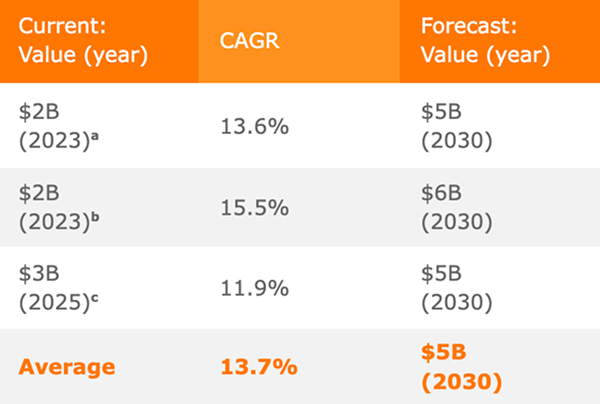
3.6 In the theranostics realm, the 2018 approval of Lutathera, a lutetium (177Lu)–dotatate radiolabeled somatostatin,[10] and the 2022 approval of Pluvicto, a lutetium (177Lu)–vipivotide tetraxetan radiolabeled small molecule,[11] demonstrated the possibility of commercial success using radiolabeled drugs, despite the additional logistical hurdles required for radioisotopes. Due to the high number of ADCs carrying a radioisotope payload, forecasts for theranostics market growth are all very high (Table 6).
Table 6. Market Forecasts: Theranostics
References: a[12]; b[13]; c[14]
4 Market by Therapeutic Area
4.1 Biologics, which include recombinant proteins, antibodies, growth hormones, vaccines, and cell and gene therapies, among others, have traditionally been developed to treat many complex and chronic diseases, such as rheumatoid arthritis, psoriasis, and Crohn’s disease, for which limited effective treatment options have previously been available.
4.2 In the overall pharmaceutical market, the top therapy areas, according to EvaluatePharma, are oncology, antidiabetics, immunosuppressants, vaccines, antirheumatics, and antivirals.[15] Many biologic drugs fall into these categories. Currently, biologic therapies are in development in most therapy areas, including those traditionally based on small molecules.[15]
4.3 The best-selling biologics today are anticancer medicines. This shift reflects the overall trend in the pharmaceutical industry to focus efforts in the oncology space. According to EvaluatePharma, 37% of total pipeline expenditure and 29% of total pipeline FDA approvals are for cancer treatments.[15] Strong growth is expected for oncology revenues, in part due to the growth of the immuno-oncology class, which is set to expand at a CAGR of 20.2% between 2019 and 2026, driven largely by the growth of the programmed cell death protein 1 (PD-1) inhibitors Keytruda and Opdivo, which are both mAbs. In 2026, Keytruda is predicted by EvaluatePharma to be the best-selling drug worldwide.
4.4 The autoimmune sector remains an important therapeutic class in the biopharma market, but it is expected to experience a slight decline in value from 2019 to 2026 due to the entry of biosimilars for Remicade and Humira into the market.[15]
4.5 Many biologic drugs in development target rare diseases, which reflects a second major trend in the industry: the targeting of more specialized diseases with smaller patient populations and the development of candidates with the opportunity to receive orphan drug designation, also facilitated by therapeutic advances, manufacturing efficiencies, and decreasing cost of goods sold (COGS).[15]
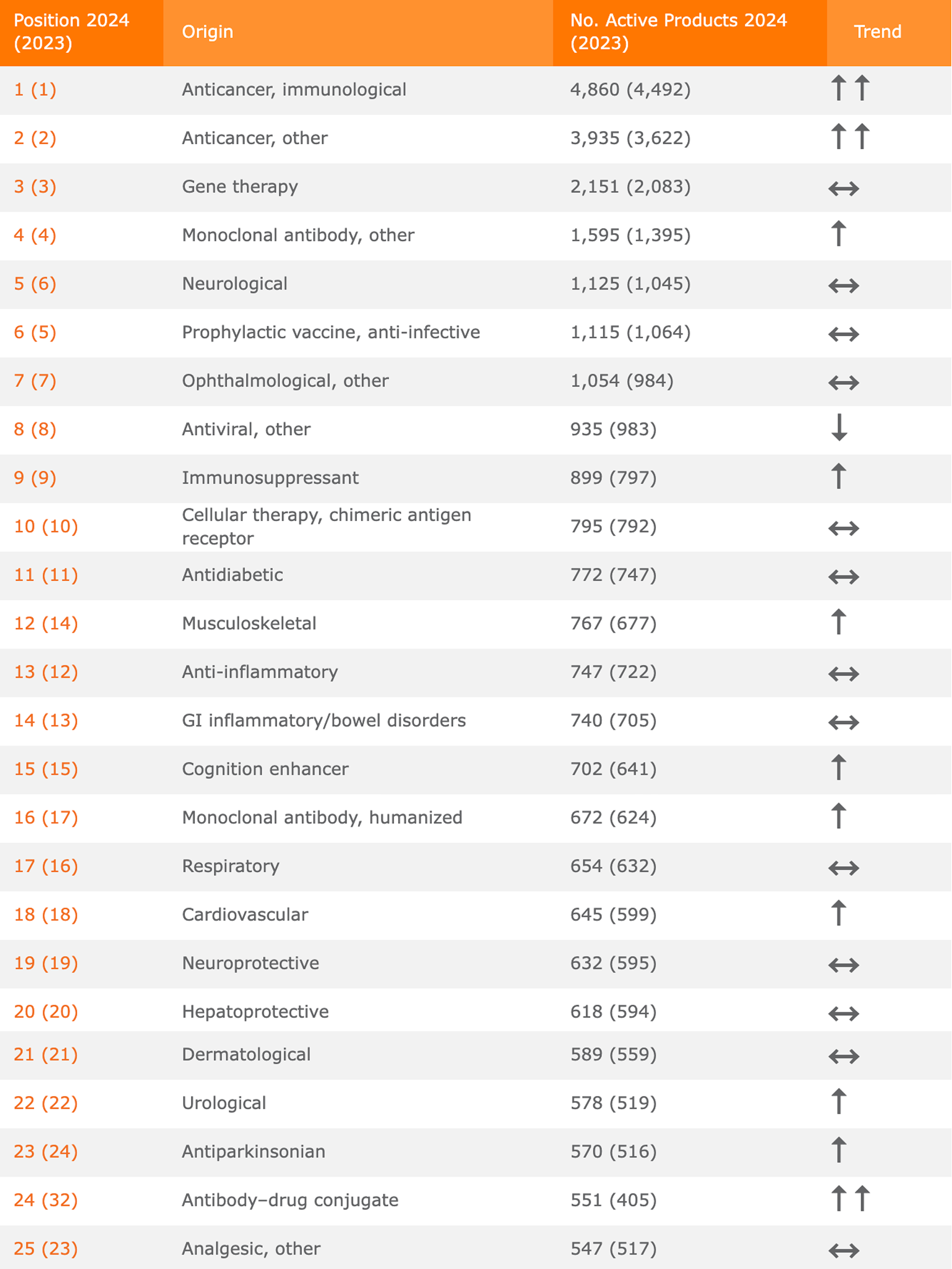
4.6 Citeline’s annual report on the therapeutic pipeline confirms that these trends are continuing for 2024.[16] Their full R&D pipeline by therapeutic class is presented in Table 7.
Table 7. Therapeutic Pipeline: Top Categories
Source: Citeline[16]
FAQ Section: ADC Modalities, Linker Technology, and Market Dynamics
What are the key innovations driving the growth of Antibody-Drug Conjugates (ADCs)?
Antibody-Drug Conjugate (ADC) growth is driven by site-specific conjugation, bispecific antibodies, hydrophilic linkers, and novel noncytotoxic payloads like Topo 2 inhibitors. These technical innovations enhance target specificity, reduce off-target toxicity, and optimize the drug-to-antibody ratio (DAR), enabling biopharmaceutical developers to expand therapeutic indications beyond traditional oncology targets.
How do ADCs compare to traditional small molecules and unconjugated monoclonal antibodies?
Antibody-Drug Conjugates combine the high targeting specificity of monoclonal antibodies with the potent cell-killing capability of small molecule payloads. Unlike non-targeted small molecules or unconjugated antibodies alone, ADCs deliver cytotoxic agents directly to tumor cells, maximizing therapeutic efficacy while minimizing systemic side effects across clinical oncology trials.
What role do linkers play in the stability and commercial success of ADCs?
Linkers determine ADC stability in blood circulation by controlling payload release timing. Cleavable hydrophilic linkers prevent premature drug dissociation in serum, significantly widening the therapeutic window. Comparative commercial clinical data demonstrates that stable cleavable linkers, as seen in Enhertu, yield superior patient outcomes and revenue compared to unstable linkers.
Why are ADC combination therapies becoming a primary clinical strategy in oncology?
ADC combination therapies integrate targeted conjugates with immunotherapies, chemotherapies, or radiotherapies to overcome intratumoral drug resistance and tumor heterogeneity. Combining ADCs with immune checkpoint inhibitors enhances overall antitumor activity, allowing lower dosage levels that reduce systemic overlapping toxicities while prolonging patient survival in late-stage clinical trials.
What are the primary market growth drivers for global ADC biopharmaceuticals?
Global ADC market growth is driven by expanding clinical trial pipelines, increased venture capital investment, high-value FDA approvals, and aging demographic trends. Emerging biopharmaceutical technologies, including radiolabeled theranostics and bispecific antibody constructs, further accelerate commercial market capitalization across major geographic regions including North America and Europe.
Which noncytotoxic payloads are replacing traditional tubulin inhibitors in next-generation ADCs?
Next-generation ADCs utilize noncytotoxic payloads including Topo 2 inhibitors, RNA polymerase inhibitors, immunostimulants, and B-cell lymphoma-extra-large (Bcl-xL) inhibitors. These advanced mechanistic agents replace traditional tubulin and DNA alkylating payloads, improving tumor-specific drug release through prodrug activation strategies that maximize therapeutic index safety profiles.

 Adapted from Tenchov et. al. 2023 [1]
 *This has since been removed from the market.
 #Sales in Japan and the UK. Blenrep is not yet approved in the U.S. Source: GlobalData
 Forecasts as of Oct. 2025. Table References: a[2]; b[3]; c[4]
 Forecasts as of Oct. 2025. References: a[6]; b[7]; c[8]
 References: a[12]; b[13]; c[14]
 Source: Citeline[16]