Originally Published Manufacturing Chemist Dec. 2016
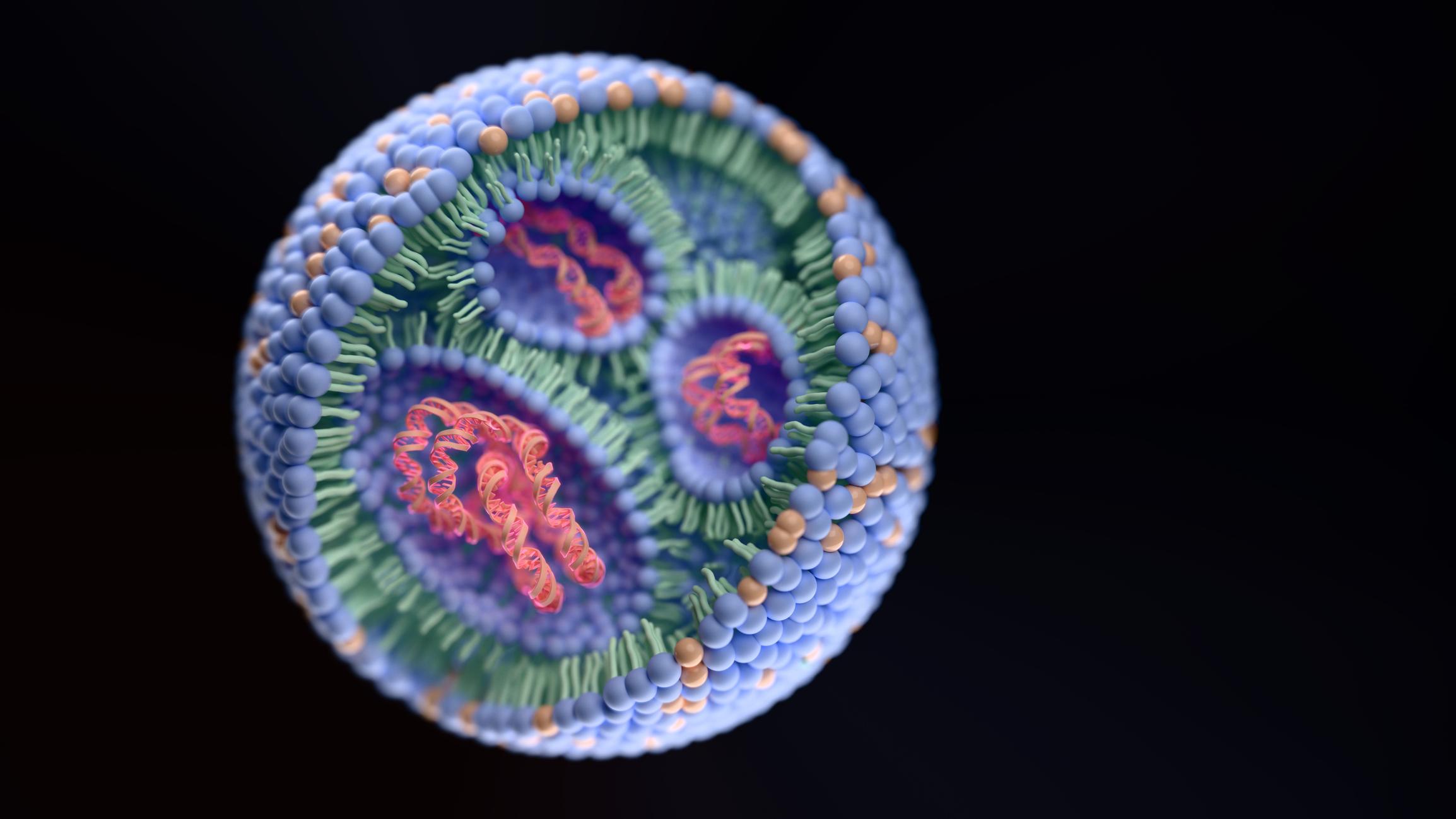
With advances in technology defining the pharmaceutical industry, it seems that the landscape is currently experiencing a state of flux; limitations that once bound drug delivery and discovery are no longer as rigid. Drug companies can now utilise nanotechnology to direct the drug specifically to the target.
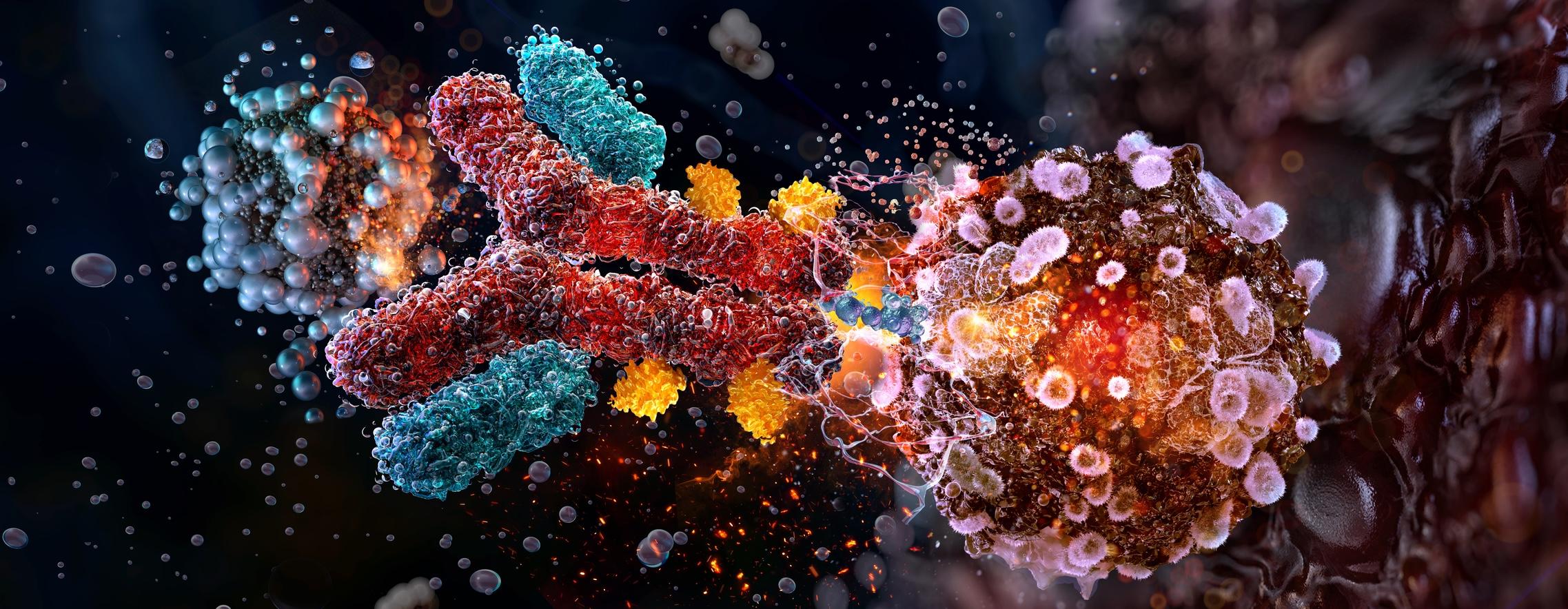
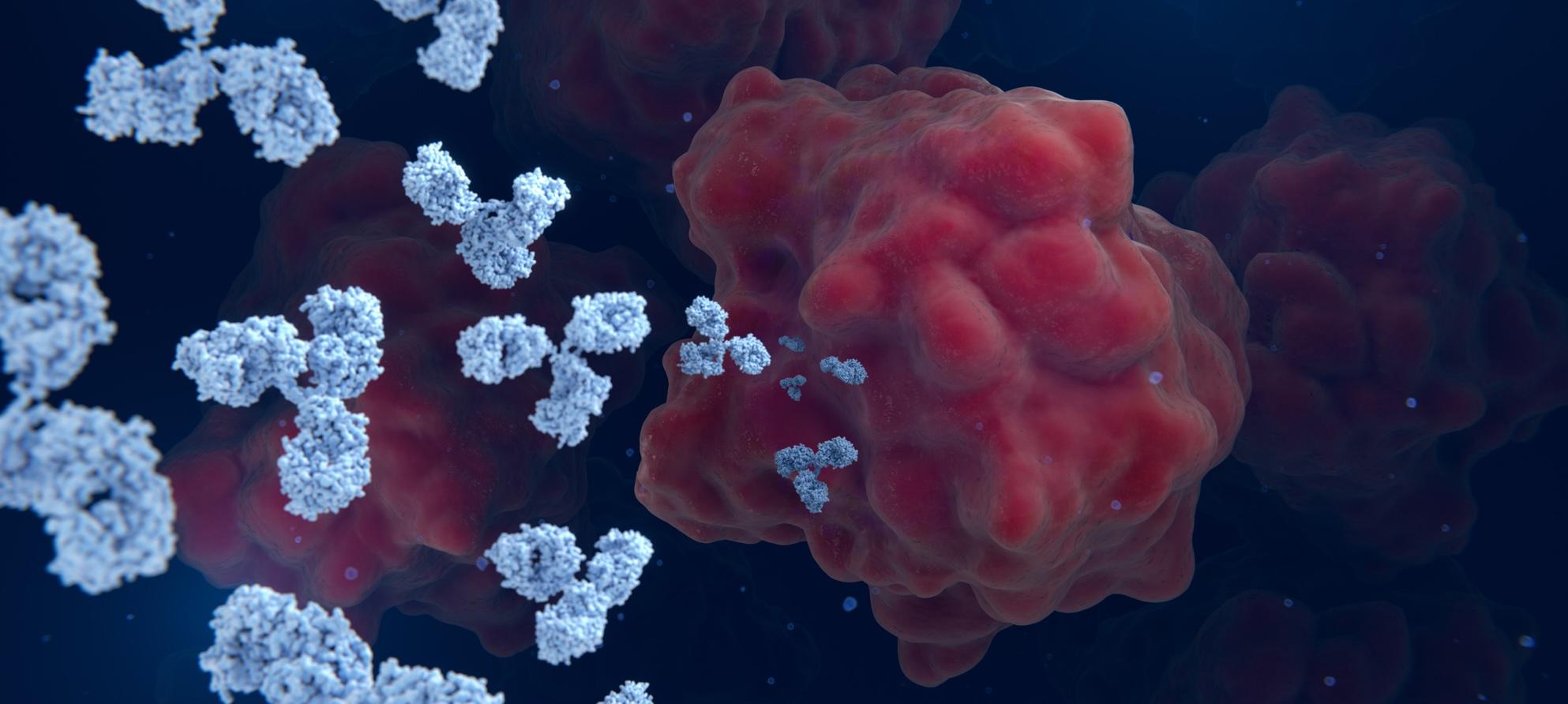
Another promising technology is the use of antibody drug conjugates (ADCs), a class of therapeutics that involves using monoclonal antibodies (mAbs) coupled with cytotoxic agents. The ability of mAbs to selectively bind to cells expressing the target antigen with high affinity leads to a decrease in off-target toxicity, making ADCs a good candidate for cancer treatment.1
Indeed, the need for new modes of delivery and innovative drugs is a priority, not only for the pharma industry, but also at a national level. The US government, for example, has recognised this with President Barack Obama’s 2016 budget, which provides $1.5 billion in funding for the National Nanotechnology Initiative (NNI).2 After the updated nanotechnology standards, FDA has increased pipeline efficiency for certain uniquely designed drugs.
The Case of ADCs
By linking a mAb with a cytotoxic payload, ADCs marry the capabilities of biologics with those of small molecules. ADCs increase a drug’s therapeutic window by improving its efficacy and decreasing its toxicity. However, the development of ADCs has not been straightforward; poor target antigen selection, use of either murine or chimeric antibodies and the use of low potency drugs have been setbacks. For an ADC to work, it is key that a threshold level of free toxic drug reaches the target cell. The target tumour antigen, antibody, linker and the cytotoxic drug all determine the success of an ADC.3
So far, there are only two ADCs approved in the US to treat cancer; however, there are currently more than 50 ADCs in clinical trials and around 23 that have been discontinued. There were 13 new ADCs in clinical trials in 2015, the majority of which targeted solid tumours, with just two targeting haematological cancers.4 These numbers prove that companies are willing to accept risk to develop these drugs. According to the 2016 Nice Insight CDMO Outsourcing Survey, 57% (67% in North America) of buyers currently list an ADC in their pipeline.5
FDA Push And Pull
Combined Effort
ADC Development And Testing
A main concern with ADCs involves heterogeneity in the formulation process. According to Harpeet Kaur, synthetic chemistry team leader with Dalton Pharmaceutical Processes, conjugating the mAb to the small-molecule drug leads to a variety of combinations. It results in a mixture of ADCs with differing drug-to-antibody ratios (DARs), naked antibody and free drug.
However, new technologies are springing up to combat the challenges of ADC development.12 SMARTag technology, developed by Redwood Bioscience, now a part of Catalent Biologics, increases the ADC performance by improving stability and enabling controlled drug release. The technology involves inserting a recognition sequence into the antibody; an enzyme is then used to selectively modify the amino acid at the recognition site to generate aldehyde tags. The mAb is then conjugated with proprietary cytotoxin linkers that react selectively with aldehyde tags. The ADCs are therefore less toxic and more stable.13
References
- http://adcreview.com/articles/doi-10-14229jadc-2014-8-1-001/.
- http://www.nano.gov/node/1326.
- https://www.ncbi.nlm.nih.gov/pmc/articles/PMC3929453/.
- http://worldadc-europe.com/wp- content/uploads/sites/104/2016/03/Beacon-Berlin-2016-Heath ers-presentation.pdf.
- The 2016 Nice Insight Contract Development & Manufacturing Survey.
- www.nature.com/bjc/journal/v114/n4/full/bjc2015435a.html.
- www.cancer.gov/about-cancer/treatment/drugs/fda- brentuximabvedotin.
- www.fda.gov/newsevents/newsroom/ pressannouncements/ucm340704.htm
- The 2016 Nice Insight Contract Research Organization Survey: www.niceinsight.com/articles.aspx?post=3259&title=Nice+Insight+Outsourcing+Trends+in+2016.
- www.immunogenicitysummit.com/ imn_content.aspx?id=131305&libID=131253.
- www.pharmtech.com/cmc-biologics-and-idt-biologika- collaborate-adc-manufacturing.
- www.biopharminternational.com/tackling-analytical- method-development-adcs.
- http://biologics.catalent.com/index.php/offerings/A-Z- Offerings/Antibody-Drug-Conjugates-and-Bioconjugates.
- www.prnewswire.com/news-releases/global-antibody-drug- conjugate-market-outlook-2018-250613781.html.