Key Takeaways
The formulation and fill/finish step in cell therapy manufacturing has a direct impact on product quality, safety, and efficacy.
Cells are fragile and can be damaged by exposure to excessive temperatures and shear stress, so processes must be carefully monitored and controlled. Specialized expertise is needed to ensure the production of robust formulated cell therapy products that remain stable and maintain their potency, viability, and function from the time of production until patient administration.
Excipients including buffers, salts, polymers, proteins, and cryoprotectants must be carefully selected to ensure compatibility with the living cells throughout manufacturing, storage, transport, reconstitution, and administration.
Use of plasma-derived human serum albumin (HSA) as an excipient can be an issue because its quality can vary and it carries a potential risk of transmitting communicable diseases. Recombinant HSA is increasingly used to address these concerns.
Use of DMSO as a cryopreservation agent poses several challenges, including its cytotoxicity to cells and patient safety concerns. Extensive research is underway to identify alternatives.
The manual formulation and fill/finish processes often used during early development phases and initially used even for commercial products are being replaced with automated, closed processes that help minimize opportunities for contamination and human error while also simplifying process development and supporting production of more consistent, higher-quality cell therapy products.
A Critical Step
The formulation and fill/finish step in cell therapy manufacturing has a direct impact on the quality and effectiveness of these advanced medicinal products.1 Specialized expertise is needed to ensure the production of robust formulated cell therapy products that remain stable and maintain their potency, viability, and function from the time of production until patient administration.2 Processes must be conducted in compliance with good manufacturing practice (GMP) requirements and designed to minimize cell damage yet yield consistent formulations with all ingredients evenly mixed and controls to prevent microbial and extraneous particulate contamination.
Often formulation is referred to as a “bridge” connecting the development and clinical phases, and thus is a key enabler of translation.3 On the flip side, inadequate formulations can lead to product failures by reducing efficacy and increasing safety risks.
General to Specific Formulation and Fill/Finish Challenges
Drug products based on living cells present numerous formulation and fill/finish challenges due to the nature of this complex drug substance.1,4–7 Cells are fragile and can be damaged by exposure to excessive temperatures and shear stress. They have the potential to interact with formulation ingredients (buffers, salts, polymers, proteins, and cryopreservatives). Products formulated using patient-derived cells often suffer from high variability, making the development of standard formulations difficult. The need to consider the dosage, pH, and osmolality adds further complexity.
Living-cell drug products cannot undergo sterilizing filtration through conventional 0.2-µm filters, and therefore aseptic processing is essential for sterility assurance, with closed systems helping to minimize contamination risk. Freezing cells requires the addition of cryoprotectants, which can be cytotoxic to cells and negatively affect patients. The precise control of conditions during formulation and fill/finish, particularly cryopreservation, is crucial. Formulations must also be designed to ensure stability throughout manufacturing, storage, shipment, and thawing/reconstitution.
Excipient Selection
Several types of excipients are used in cell therapy formulations to establish optimal conditions for maintaining the viability and potency of the cells.8 Buffer solutions containing various salts are used to achieve the desired pH and osmolality and maintain an appropriate electrolyte balance. Protein, typically human serum albumin (HSA), is added to help stabilize the cells and maintain an appropriate colloidal osmotic environment. Polymers may also be included to help stabilize the cells. Cryoprotectants are the other major class of excipients used in cell therapy formulations and are needed to maintain cell viability and functionality during freezing and thawing, with dimethyl sulfoxide (DMSO) the most commonly used. Its concentration must be optimized for the specific product and cryopreservation process.
Similar excipients are used for many cell therapies regardless of cell type. It is the route of administration, dosage, and storage and transport requirements that have a greater influence on the choice of excipients.8 For instance, excipients may experience different levels of interactions with each other and living cells at different cell concentrations.9
All excipients must meet appropriate quality and purity specifications and be suitable for the intended formulation and route of administration. Ideally, they are chemically defined and, where feasible, free of animal-derived components to reduce variability and the risk of adventitious contamination.8 Plasma-derived HSA, meanwhile, carries a potential risk of transmission of communicable diseases and can suffer from lot-to-lot variability. These concerns can become more significant when moving to larger scales and are driving interest in recombinant HSA.10 Screening experiments are conducted to determine the specific excipients and levels of use that provide optimal performance under the expected use conditions.
The use of each excipient in a cell therapy formulation must be scientifically justified and shown not to negatively impact the living cells in the formulated product. Established excipients with a history of safe use in approved drug products, particularly those with standardized pharmacopeial monographs, are preferred.1 If they are used at different levels or for different routes of administration than previously used in approved products, however, additional safety and toxicological studies may be needed. Novel excipients that have not previously been used in approved products require extensive characterization and toxicity and safety data.
Excipients must be qualified, detailed specifications established, and vendors vetted.1,8 Wherever possible, they should be produced in compliance with GMP requirements with clear quality controls in place. Availability to meet expected demand requirements should be confirmed. Stability testing in the presence and absence of the live cells and other excipients in the final formulation must be conducted, and potential impacts of degraded excipients on safety and efficacy also assessed.
In addition to excipients qualified and tested against compendial monographs, cell therapy formulations may include compounds used as processing aids not completely removed from the product formulation.1 The safety and toxicity of these ancillary materials must be evaluated, and effective assays established to determine their residual levels.
The DMSO Cryopreservation Challenge
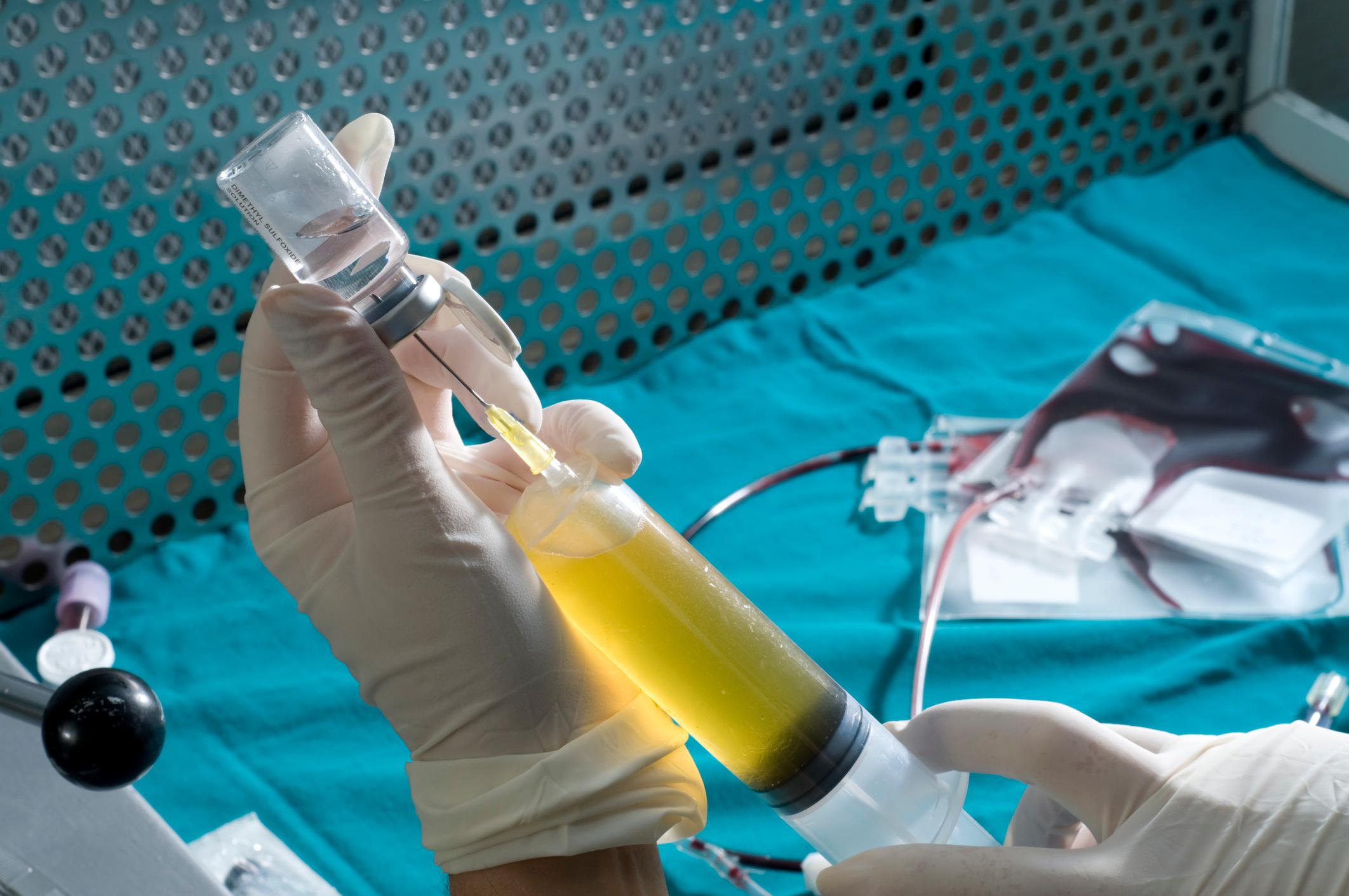
Many cell therapy products have limited stability under refrigerated conditions and require cryopreservation for longer-term storage and shipment, which in turn requires the use of one or more cryoprotectants to limit freezing-related cell damage. Although the most commonly used cryoprotectant because of its effectiveness, DMSO (even compendial-grade) presents challenges to cell therapy formulators due to its toxicity to most cells and its safety issues when given to patients.1 Mixing of DMSO with the buffer solution containing the living cells must also be carefully controlled to achieve even distribution and avoid overheating and osmotic shock, which can damage the cells.6 Furthermore, immediate post-thaw measurement of cell viability does not always reveal damage that becomes apparent later as impaired cell function, attachment, or proliferation.4
For some products, cells are washed after thawing and prior to administration to reduce DMSO exposure, but washing is not always feasible, may result in cell loss, and does not guarantee complete removal. In addition, because DMSO can interact with various polymers, careful selection of packaging materials is essential.4
Given these numerous concerns, efforts are ongoing to identify alternatives to DMSO for protection of living cells during cryopreservation. Examples include polyampholytes and polymers that facilitate the intracellular delivery of non-reducing cryoprotectant sugars. Other combinations under investigation include trehalose, glycerol, and creatine, as well as sucrose, glycerol, and isoleucine. Glycerol can cause intravascular hemolysis, so its residual concentration and potential need for removal must be evaluated for the intended use.4 Some researchers are exploring cryoprotectants that are biomimics of natural antifreeze proteins.8 Use of advanced algorithms (artificial intelligence, machine learning) and multivariate statistical analysis should facilitate the identification of promising new cryoprotectants.
Primary Container Considerations
Cell therapies typically are packaged in ethylene-vinyl acetate (EVA) or polyolefin bags, or in vials made from materials such as polypropylene or cyclic olefin copolymer (COC), that can withstand the conditions required for cryopreservation.4 EVA in particular allows passage of oxygen and carbon dioxide, which can help support cell metabolism and viability during unfrozen holding periods. Bags are placed in a metal cassette during cryopreservation to enable controlled freezing and provide protection during shipment. Bag failures have been reported, with damage involving the ports, tubing, or bag seams, sometimes after extended storage. Such failures can compromise product integrity and require assessment before administration. For both bags and vials, maintaining container closure integrity throughout freezing, storage, shipment, and thawing is essential to ensure maintenance of sterility.
In addition, cell therapies filled into single-use plastic bags must be analyzed for visible and subvisible particulate contaminants and extractables and leachables coming from the single-use systems.4 Data must be gathered demonstrating compatibility of the formulated cell therapy product with the primary packaging during fill/finish, storage, and transport. Approaches may include the use of compendial methods for particulates and industry-developed testing strategies leveraging a combination of extraction, interaction, and toxicology studies. Detecting particulates can be particularly challenging for cell therapies as the cells are themselves subvisible particles.
Move to Automation and Closed Systems
Because living-cell drug products cannot undergo sterilizing filtration through conventional 0.2-µm filters, the fill/finish process must be completed in a manner that maintains sterility from start to finish. Maintaining appropriate temperatures and controlling shear exposure are also crucial to prevent reductions in cell viability and functionality.
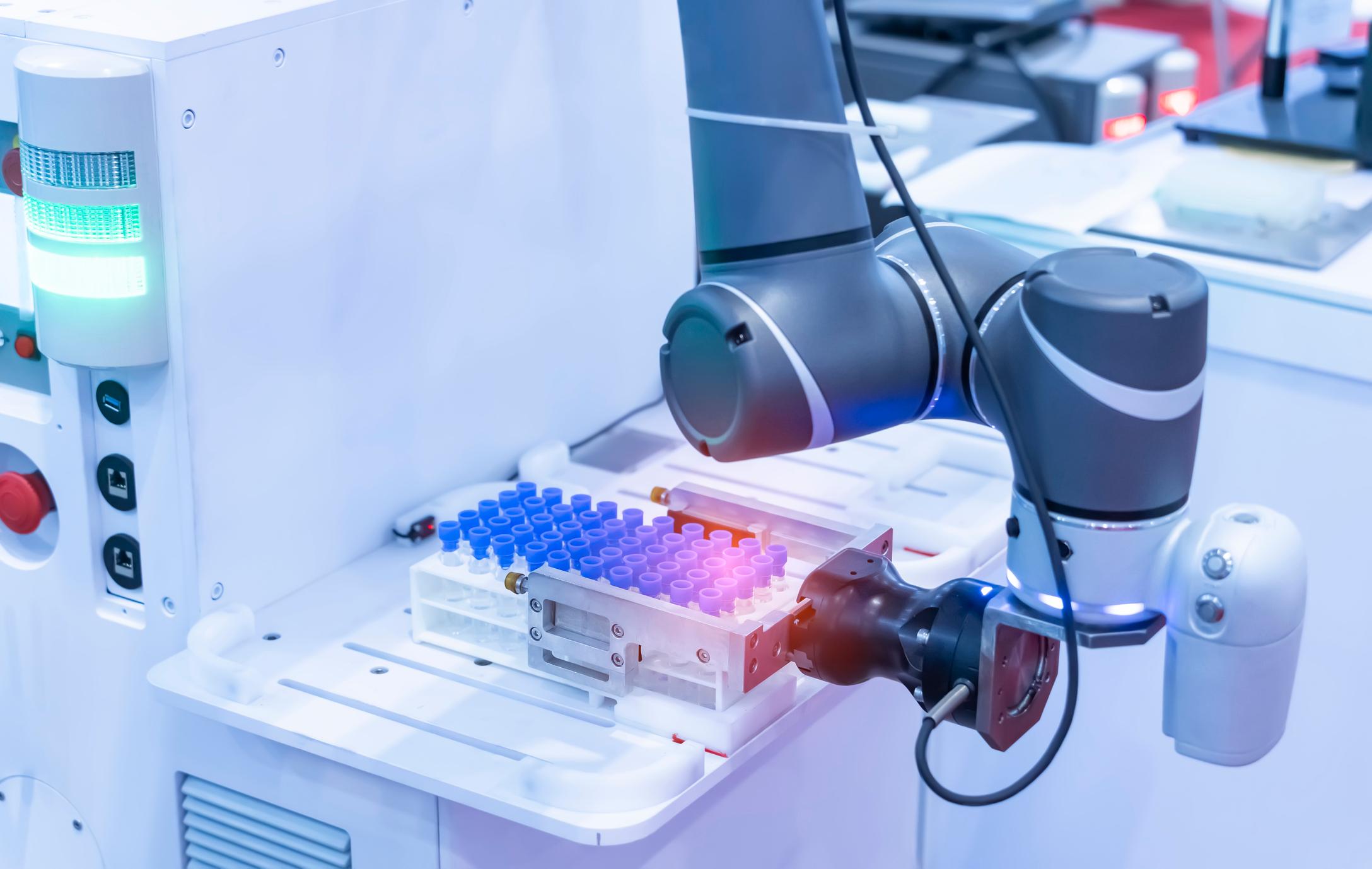
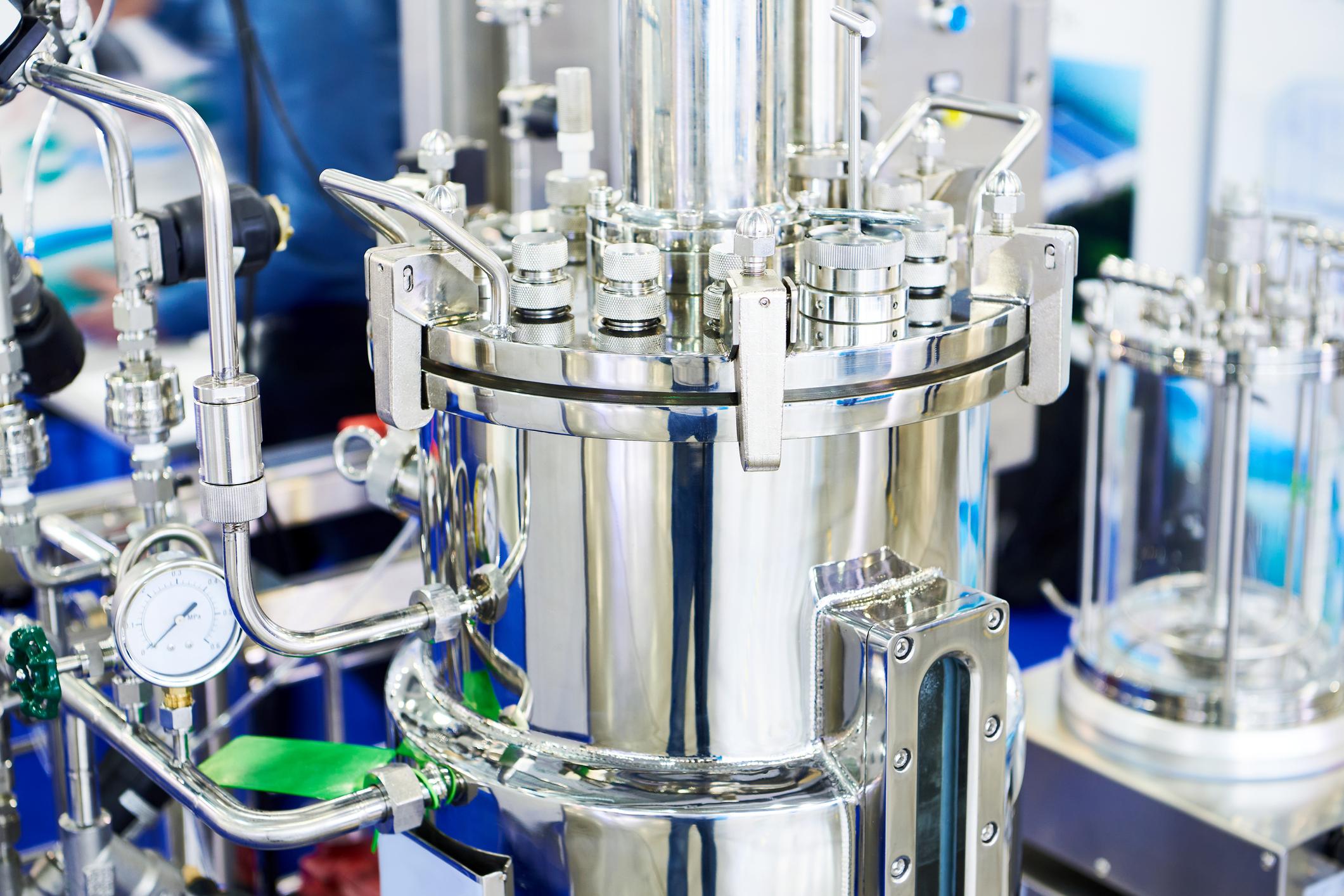
For these reasons, many cell therapy manufacturers have implemented automated, closed processing for the fill/finish step.4–6 This move is encouraged by regulatory agencies, as closed, automated processing reduces manual operations and the risk of contamination, error, and operator variability. Such processes often include cell concentration and washing, resuspension/dilution into the final buffer solution, addition and mixing of excipients, including cryopreservation agents, which must be done in a highly controlled manner, and filling into bags or vials. Automated systems can improve mixing reproducibility and fill-volume accuracy and consistency, while suitable in-line analytics can provide real-time data on cell concentrations and other critical quality attributes.
An additional potential benefit is the ability to perform closed processes in lower-grade manufacturing environments that are less costly to operate, depending on the system design and contamination-control strategy. Automated, closed processes also tend to be simpler with fewer intermediate transfer requirements. As a result, they can allow faster process development and easier technology transfer. Furthermore, automated, closed processes can facilitate transfer from one site to another, subject to site-specific qualification and process verification. Electronic data capture, meanwhile, supports material and process data traceability. Overall, therefore, switching to automated, closed processes for the formulation and fill/finish of cell therapy products can help manufacturers reduce risk, cost, and development time.
Improvements Still Needed
The move to closed and automated processes for cell therapy formulation and fill/finish operations is helping to improve the consistency and quality of these advanced medicines while also shortening development timelines and lowering costs. However, cryopreservation challenges, particularly the use of DMSO and the requirement for controlled freezing, remain product-dependent and require further optimization, and more research is needed to identify better cryopreservation agents and freezing strategies. Further advances in automation solutions, single-use plastics, component and assembly designs, and real-time analytics will also help increase the robustness of these processes while reducing risk and supporting the safety and efficacy of cell therapy products.
References
1. Atouf, Fouad. “Cell-Based Therapies Formulations: Unintended Components.” The AAPS Journal. 18: 844–848 (2016).
2. Mann, Elizabeth. “Cell & Gene Therapy Formulation.” Cell & Gene. Accessed 20 Oct. 2026.
3. Siciliano, Paolo, et al. “Formulation and Delivery Considerations for Cell and Gene Therapies.” Drug Delivery Leader. 25 Nov. 2025.
4. van der Walle, Christopher F, et al. “Formulation Considerations for Autologous T Cell Drug Products.” Pharmaceutics. 13: 1317 (2021).
5. “Managing Formulation, Fill & Finish in the CAR T-Cell Manufacturing Process.” Behind the Bench. Thermo Fisher Scientific. 28 Jul. 2026.
6. Sethi, Dalip, and Annie Cunningham. “De-risking the Final Formulation, Fill and Finish Step in Cell Therapy Manufacturing: Considerations for an Automated Solution.” Cell & Gene Therapy Insights. 6: 1513–1519 (2020).
7. “Formula for Success: Preparing CAR T Cells for Infusion.” Akadeum Blog. 10 Jun. 2025.
8. Challener, Cynthia A. “Choosing the Right Excipients for MSC and iPSC Therapies.” Pharmaceutical Technology. 48: 20–21, 25 (2024).
9. Moñivas, Ester, et al. “Impact of Excipient and Cell Concentration on the Viability, Proliferation, and Adhesion of Mesenchymal Stem Cells: Future Relevance for the Development of a New Advanced Therapy Medicinal Product.” Pharmaceutics. 17: 642 (2025).
10. “How to Build a Translation-Ready Stem Cell Therapy Workflow.” PromoCell Blog. 30 Jun. 2026.