Key Takeaways
Long-acting drug delivery addresses one of the biggest barriers in chronic disease care: medication adherence. Daily dosing requirements, complex treatment regimens, and high pill burdens frequently undermine the real-world effectiveness of therapies for conditions such as diabetes and chronic kidney disease.
Advances in formulation science now allow therapies to maintain stable drug exposure for weeks or months. Technologies, including injectable depots, polymer microspheres, in situ forming systems, and implantable devices enable controlled drug release and reduced dosing frequency.
Metabolic disease is a leading driver of long-acting delivery innovation. Once-weekly GLP-1 receptor agonists and emerging weekly insulin therapies illustrate how extended dosing intervals can simplify treatment and reduce injection burden.
Drug delivery is evolving into integrated therapeutic ecosystems. Connected devices, such as smart insulin pens and wearable pumps, combine pharmacology, delivery hardware, and digital monitoring to support long-term adherence and clinical management.
The Burden of Chronic Disease Management
Chronic metabolic and renal diseases rarely resolve with short courses of therapy. Chronic conditions, such as diabetes, obesity, and chronic kidney disease (CKD), typically require continuous pharmacologic management over years or decades. Modern therapeutics have transformed the clinical outlook for many of these disorders, yet their effectiveness ultimately depends on a more practical factor: whether patients are able to follow treatment regimens consistently over time. Sustained adherence is therefore not simply a behavioral consideration; it is a central determinant of real-world therapeutic success.
Maintaining adherence to long-term medication regimens remains one of the most persistent challenges in chronic disease management. Patients living with lifelong conditions must often integrate multiple medications, devices, and monitoring routines into daily life. Over time, these requirements can create treatment fatigue, logistical barriers, and missed doses. Evidence across chronic disease populations shows that adherence to lifelong medications is difficult to maintain, particularly when therapies must be taken daily or multiple times per day.1,2 Even when medications demonstrate strong efficacy in clinical trials, these practical challenges can erode their effectiveness in routine care.
Daily dosing schedules contribute significantly to this problem. Chronic disease therapies frequently require continuous administration over extended periods, and the cumulative burden of daily injections or oral medications can lead to missed doses or treatment discontinuation. In diseases that already impose heavy self-management demands, such as diabetes or CKD, the complexity of treatment regimens may compound existing challenges for patients and healthcare systems alike.
These realities have increasingly shifted attention toward the role of drug delivery design in improving treatment persistence. Long-acting drug delivery systems aim to reduce dosing frequency, stabilize drug exposure, and simplify treatment schedules, allowing therapies to better align with the realities of chronic disease care.3 By extending dosing intervals from daily administration to weekly, monthly, or even longer periods, these technologies seek to address one of the most practical barriers to effective treatment.
As chronic diseases continue to account for a growing share of global healthcare burden, the design of therapies is evolving alongside advances in pharmacology. Drug discovery alone cannot determine treatment success. How medicines are delivered, how often they must be administered, and how well they fit into patients’ lives increasingly shape the real-world impact of modern therapeutics.
The Design Logic of Long-Acting Drug Delivery
Long-acting drug delivery systems are designed with a straightforward objective: extend the duration of therapeutic drug exposure while reducing how often patients must receive treatment. Instead of requiring frequent dosing to maintain effective drug concentrations, these systems are engineered to release medications gradually over extended periods. By maintaining therapeutic exposure over weeks or months, long-acting delivery strategies aim to simplify treatment regimens while preserving clinical efficacy.
Traditional dosing approaches often produce fluctuating drug concentrations in the body. After administration, drug levels typically rise to a peak before gradually declining until the next dose is taken. This pattern can produce significant peak-to-trough variability, particularly for therapies that require frequent administration. Long-acting delivery systems are designed to smooth these fluctuations by releasing drugs more steadily over time, maintaining more consistent plasma concentrations and reducing the sharp oscillations associated with conventional dosing schedules. Stabilizing exposure in this way may also reduce the need for frequent administration while maintaining therapeutic activity.
To achieve these pharmacokinetic goals, drug delivery technologies increasingly rely on engineered materials and controlled-release mechanisms. Injectable depot formulations are a widely used strategy. In these systems, drugs are embedded within a biodegradable matrix that gradually releases active molecules as the material dissolves or degrades within the body. Polymer microspheres, including systems based on poly(lactic-co-glycolic acid) (PLGA), are frequently used to encapsulate drugs and control their release over extended intervals.2 As the polymer matrix breaks down, the drug is released in a controlled manner that prolongs therapeutic exposure.
Other approaches rely on formulations that form depots directly after administration. In situ forming systems are injected as liquids that solidify or gel once inside the body, creating localized reservoirs that release drug over time. These platforms offer flexibility for designing sustained delivery without requiring surgical implantation. Advances in materials science have also supported the development of long-acting gels and hydrogel-based systems that can regulate drug diffusion through their internal network structures.
Implantable delivery devices represent another strategy for achieving extended drug exposure. These systems are placed beneath the skin or within specific anatomical sites and release medication continuously over long durations. Although implantation procedures introduce additional considerations related to placement and removal, such devices can sustain drug delivery for months or even years, depending on the design of the system.
Drug delivery is no longer limited to simply administering active pharmaceutical ingredients. Instead, modern formulation strategies increasingly aim to engineer pharmacokinetic behavior itself, shaping how drugs are released, distributed, and maintained in the body over time.
Platform Technologies Enabling Long-Acting Therapies
A range of formulation and device platforms support the development of long-acting therapeutics. Although the specific engineering strategies differ, these systems share a common objective: maintain therapeutic drug exposure over extended periods by controlling how quickly active molecules are released into the body. Advances in polymer chemistry, materials science, and device engineering have expanded the range of technologies capable of achieving this controlled release.
One of the most widely used approaches involves injectable depot formulations. In these systems, the drug is embedded within a material matrix that slowly releases the active compound after administration. Oil-based injections represent one of the earliest examples of this strategy, using hydrophobic vehicles to slow drug diffusion and prolong exposure. More advanced systems use biodegradable polymer carriers that regulate drug release as the matrix gradually breaks down. Microspheres composed of polymers, such as PLGA, have become a common platform for sustained delivery, encapsulating drugs within microscopic particles that degrade over time and release the active ingredient in a controlled manner. Polymer depots operate on similar principles, forming localized reservoirs in tissue that maintain drug release as the surrounding material gradually dissolves.
In situ forming systems offer a related approach that emphasizes formulation flexibility. Rather than administering pre-formed particles, these systems are delivered as injectable liquids that transform into semi-solid depots once inside the body. After injection, changes in temperature, solvent diffusion, or polymer precipitation trigger the formation of a gel or solid matrix at the administration site. The resulting structure acts as a local drug reservoir that releases medication gradually through diffusion and matrix degradation. Because the depot forms directly at the injection site, in situ systems can provide sustained release without requiring surgical placement of a device.
Implantable delivery devices extend the duration of therapy even further. These systems are physically placed beneath the skin or within targeted anatomical locations and release medication continuously over long periods. Subdermal implants can provide months of sustained delivery, while specialized devices designed for particular tissues, such as ocular implants, can maintain therapeutic exposure through controlled release mechanisms built into the device structure. Although these systems can offer very long dosing intervals, they typically require minor surgical procedures for implantation and, in some cases, removal or replacement.
Hydrogel-based delivery systems are another emerging platform for long-acting therapeutics. Hydrogels consist of polymer networks capable of absorbing large amounts of water while maintaining a structured matrix. Drugs can be incorporated within these networks and released gradually as molecules diffuse through the gel structure. Because the physical properties of hydrogels can be precisely tuned, these materials offer considerable flexibility for designing controlled release profiles suited to chronic disease therapies.
Despite the progress of these technologies, technical challenges remain. Sustained delivery of hydrophilic drugs can be particularly difficult, as these molecules tend to diffuse rapidly through many polymer matrices, limiting the duration of controlled release. Some implantable systems also introduce procedural considerations related to device placement, monitoring, and removal. Addressing these limitations continues to drive innovation in long-acting drug delivery platforms as developers seek to extend dosing intervals while maintaining safety, reliability, and patient convenience.
Long-Acting Delivery in Metabolic Disease
Metabolic diseases have emerged as one of the most active areas for innovation in long-acting drug delivery. Conditions like type 2 diabetes require sustained pharmacologic management and often involve complex treatment regimens that include multiple medications, injections, and monitoring requirements. In this context, therapies that reduce dosing frequency while maintaining stable pharmacologic activity have attracted significant attention. Advances in formulation science and molecular engineering have enabled the development of longer-acting treatments designed to simplify therapy and support long-term disease management.
One prominent example is the class of glucagon-like peptide-1 (GLP-1) receptor agonists, which are widely used in the treatment of type 2 diabetes, related metabolic conditions, and beyond. These therapies improve glycemic control through mechanisms that include stimulation of insulin secretion and modulation of glucose metabolism. Many GLP-1 receptor agonists are administered by subcutaneous injection, but advances in drug design have allowed several products to be formulated for once-weekly administration rather than daily dosing.4 Examples include semaglutide, dulaglutide, and extended-release formulations of exenatide.
Extending the duration of activity for GLP-1 receptor agonists has relied on structural modifications that slow drug clearance and prolong systemic exposure. One widely used strategy involves attaching fatty-acid side chains or other molecular components that increase the molecule’s interaction with serum proteins, thereby extending its circulating half-life.4 These modifications allow the drug to remain active for longer periods after administration, enabling weekly dosing schedules while maintaining therapeutic activity.
Several currently marketed therapies reflect these advances. Semaglutide is administered as a once-weekly injection following an initial dose-escalation period, while dulaglutide is similarly designed for once-weekly subcutaneous administration. Extended-release exenatide formulations use microsphere-based delivery systems to release drug gradually after injection, allowing the therapy to be administered once every seven days. Together, these products illustrate how both molecular design and controlled-release formulations can be used to extend dosing intervals in metabolic disease therapies.
Research is also progressing toward longer-acting insulin formulations that could further reduce the burden of treatment for patients with diabetes. Insulin therapy has traditionally required multiple daily injections, which can present challenges for long-term adherence. Investigational approaches seek to extend insulin activity so that basal insulin can be administered weekly rather than daily. One example is insulin icodec, a basal insulin analog designed with a pharmacokinetic profile that supports once-weekly dosing. Reviews of the compound report a half-life of approximately 196 hours, or about seven days, allowing the drug to maintain stable therapeutic levels across an extended dosing interval.5
The potential advantages of these longer-acting formulations extend beyond pharmacology. Insulin adherence remains a challenge in diabetes care, with analyses suggesting that roughly one-third of individuals receiving insulin therapy do not fully adhere to prescribed regimens.5 Reducing injection frequency may help address this barrier by simplifying treatment schedules and decreasing the number of administration events required each week.
Long-Acting Strategies in Renal Disease
CKD presents a distinct set of challenges for long-term pharmacologic management. As kidney function declines, patients frequently require multiple medications to manage complications, such as anemia, mineral and bone disorders, electrolyte imbalances, and cardiovascular risk. These therapies are often layered onto treatment regimens for other chronic conditions, creating substantial medication burdens that can complicate adherence and long-term disease control.
High pill burden is one of the most widely documented obstacles in CKD care. Patients undergoing dialysis may be prescribed large numbers of medications each day as part of their routine management. Phosphate binders illustrate the scope of this challenge. These medications, used to control elevated phosphate levels associated with impaired kidney function, are often taken multiple times daily with meals. Studies examining treatment patterns in dialysis populations have reported average phosphate-binder pill burdens ranging from roughly four to more than seven pills per day depending on geographic region.6 For patients already navigating demanding treatment schedules that include dialysis sessions, dietary restrictions, and other medications, these requirements can create substantial regimen complexity.
Unsurprisingly, adherence difficulties are common in this setting. Research examining medication use among patients with end-stage kidney disease has estimated adherence rates of roughly 50% in both dialysis and broader CKD populations.7 In the case of phosphate binders specifically, observational data suggest that nearly half of patients report skipping at least one dose during a given month.6 These patterns highlight how regimen complexity and pill burden can undermine treatment effectiveness even when therapies are clinically well established.
Long-acting therapeutic strategies offer one potential approach for addressing these challenges. By extending dosing intervals and reducing the number of administration events required, these therapies aim to simplify treatment regimens and support more consistent medication use. In CKD, one example can be seen in erythropoiesis-stimulating agents (ESAs) used to treat anemia associated with reduced kidney function. Methoxy polyethylene glycol–epoetin beta, marketed as Mircera, is designed to maintain therapeutic activity with less frequent dosing. For patients whose hemoglobin levels have stabilized during treatment, the drug may be administered once every two weeks or even once monthly, depending on the clinical situation.
While such therapies address only one component of CKD treatment, they illustrate the broader potential of long-acting delivery strategies in renal disease. By reducing dosing frequency and simplifying treatment schedules, long-acting therapies may help alleviate some of the logistical burdens that contribute to nonadherence. In a therapeutic area where medication regimens can be particularly complex, efforts to streamline therapy may play an important role in improving long-term treatment persistence and patient outcomes.
Cross-Therapeutic Proof of Concept
While long-acting drug delivery is gaining increasing attention in metabolic and renal disease, the broader concept has already been validated across several other therapeutic areas. Over the past decade, a growing number of long-duration delivery systems have entered clinical practice, demonstrating that sustained pharmacologic exposure over months or even years is technically feasible and clinically practical. These examples provide a useful proof of concept for how drug delivery engineering can reshape treatment paradigms across a wide range of diseases.
In infectious disease, long-acting injectable antiretroviral therapy has introduced a new model for managing chronic viral infections. CABENUVA, a combination regimen containing cabotegravir and rilpivirine, was developed as an injectable alternative to daily oral HIV therapy. The treatment is administered intramuscularly either once monthly or once every two months after an initiation period, allowing patients to maintain viral suppression with far fewer dosing events than traditional daily regimens. The prescribing information emphasizes the importance of adherence to the injection schedule, highlighting both the advantages and responsibilities associated with long-acting treatment models.
Addiction medicine offers another example of extended-duration pharmacologic delivery. Probuphine is a subdermal implant designed to provide continuous delivery of buprenorphine for up to six months in patients receiving treatment for opioid use disorder. Instead of requiring daily or frequent dosing, the implant releases medication gradually over time, maintaining therapeutic levels that support long-term treatment stability. By reducing the need for repeated dosing, implant-based therapies can help address adherence challenges that often complicate the management of substance use disorders.
Ophthalmology has also adopted implantable delivery technologies to address diseases that previously required frequent injections. Susvimo, an implantable device designed to deliver ranibizumab for retinal diseases, provides continuous drug delivery within the eye through a refillable reservoir system. Following surgical implantation, the device is designed to maintain therapeutic exposure with refill-exchange procedures occurring approximately every 24 weeks. This approach reduces the frequency of intravitreal injections that would otherwise be required to maintain disease control.
Long-acting implants have also been widely used in reproductive health. The contraceptive implant NEXPLANON provides sustained hormone release through a small device placed beneath the skin of the upper arm. Once inserted, the implant can provide effective contraception for multiple years before replacement is required. The longevity of these systems demonstrates the durability that implantable drug delivery platforms can achieve when the pharmacology and device design are appropriately matched.
Across infectious disease, addiction medicine, ophthalmology, and reproductive health, technologies that sustain drug exposure over months or years have moved from experimental concepts to routine clinical practice. As similar approaches continue to advance in metabolic and renal disease, these cross-therapeutic successes provide compelling evidence that very long-duration pharmacologic delivery is not only possible but increasingly practical for chronic disease management.
Digital and Device-Enabled Adherence Technologies
Advances in drug delivery are not limited to extended-release formulations or implantable depots. Increasingly, therapeutic systems incorporate digital monitoring capabilities and connected devices that help patients and clinicians track medication use, identify adherence gaps, and adjust treatment strategies over time. These technologies reflect a broader shift in how drug delivery is conceptualized. Instead of focusing solely on pharmacology and formulation, developers are beginning to integrate devices and data systems that support long-term treatment management.
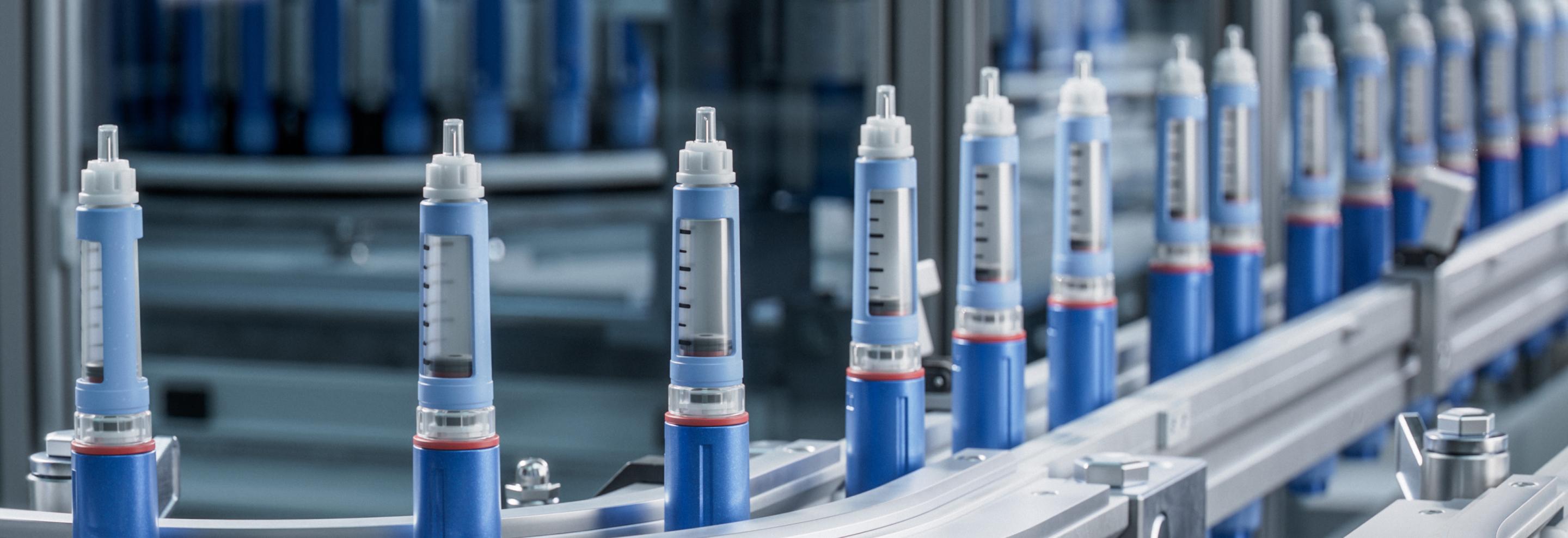
Smart insulin pens illustrate this trend in metabolic disease care. These devices function similarly to conventional insulin pens but incorporate digital capabilities that record dosing events automatically. Systems like the InPen reusable insulin pen can log the timing and amount of each injection, helping patients maintain more accurate records of insulin administration. Many platforms also provide features, such as dose reminders and calculators that account for active insulin remaining in the body, which can help patients avoid missed or duplicated doses.
These devices also generate data sets that can be shared with healthcare providers. Connected insulin pen systems can provide clinicians with detailed insights into dosing patterns, including how frequently injections occur and whether prescribed regimens are followed consistently. Analyses of these digital records can support more individualized treatment adjustments, allowing clinicians to tailor therapy based on real-world dosing behavior rather than relying solely on patient recall. In this way, connected delivery systems function not only as administration tools but also as monitoring platforms that contribute to ongoing disease management.
Wearable insulin delivery technologies extend this concept further by automating aspects of drug administration. Tubeless insulin pumps, such as the Omnipod system, provide continuous subcutaneous insulin infusion through a wearable device that delivers insulin at programmed basal rates and adjustable bolus doses. The pump pod can provide continuous delivery for up to three days before replacement is required. Continuous infusion systems reduce the need for multiple daily injections and allow insulin delivery to be adjusted dynamically in response to individual patient needs.
In chronic diseases that require continuous management, this emerging model — linking drug, device, and data — offers new opportunities to improve treatment persistence and clinical outcomes by aligning therapy more closely with patients’ daily lives.
Key Technical Challenges Remain
Despite substantial progress in long-acting drug delivery, several technical and practical challenges continue to shape the development of these systems. One of the most persistent scientific obstacles involves sustaining the release of hydrophilic drugs over extended periods. Many polymer-based depot systems rely on diffusion and matrix degradation to control drug release, but hydrophilic molecules tend to diffuse rapidly through these materials, making it difficult to maintain stable delivery beyond relatively short durations. Addressing this limitation is an important focus of ongoing research, particularly for biologics and other large molecules that are increasingly central to chronic disease therapy.
Another challenge lies in managing the so-called burst release phenomenon that can occur immediately after administration. In some depot systems, a portion of the drug may be released rapidly before the sustained release phase begins. Although formulation strategies can reduce this effect, excessive early release may increase the risk of adverse effects or reduce the duration of therapeutic exposure. Designing systems that deliver consistent release profiles without large initial spikes remains a key objective in formulation engineering.
Long-acting delivery systems must also balance convenience with safety. Technologies that reduce dosing frequency can simplify treatment schedules, but extended exposure introduces additional considerations if adverse reactions occur or if dosing adjustments are needed. Once an implant or long-acting depot is administered, removing or modifying the therapy may be more complex than discontinuing a conventional medication. As a result, developers must carefully consider reversibility, safety margins, and the ability to monitor patients during long-duration therapy.
Manufacturing and regulatory considerations also play important roles in shaping the development of these systems. Long-acting formulations often require specialized manufacturing processes to produce controlled-release materials, such as polymer microspheres or implantable devices. Ensuring consistent release characteristics across production batches can be technically demanding. Regulatory evaluation must therefore address both the pharmacology of the drug and the performance of the delivery system itself. Because long-acting products combine aspects of pharmaceuticals and medical devices, their development frequently involves multidisciplinary expertise spanning formulation science, device engineering, and clinical pharmacology.
Future Directions
The continued evolution of long-acting drug delivery technologies suggests that dosing intervals may continue to expand as new materials and engineering strategies emerge. Researchers are exploring a variety of approaches designed to further extend therapeutic exposure while maintaining safety and flexibility in treatment management. Many of these efforts focus on improving how drugs are stored, released, and controlled within the body.
Biodegradable implants are a promising area of investigation. These systems are designed to provide sustained drug delivery over extended periods before gradually dissolving, eliminating the need for device removal. By integrating drug molecules directly into biodegradable matrices, such implants may provide durable therapeutic exposure without requiring repeated procedures. Refining the degradation characteristics of these materials remains a key area of research as developers seek to maintain stable release profiles while minimizing unwanted side effects.
Refillable depot systems also offer a potential path toward longer treatment intervals. Rather than replacing an implant entirely, refillable systems allow clinicians to replenish the drug reservoir through minimally invasive procedures. Such approaches may enable continuous therapy while reducing the need for frequent device replacements. Similar concepts have already been explored in implantable ophthalmic delivery systems that maintain drug exposure through periodic refill exchanges.
Programmable delivery devices present another tantalizing possibility. Advances in microelectronics and device engineering have made it possible to design systems capable of adjusting dosing rates dynamically in response to patient needs. These devices could potentially integrate drug delivery with digital monitoring platforms, allowing therapies to respond to physiological signals or clinical data.
As these technologies mature, the boundaries of long-acting therapy may continue to expand. Many current products operate on weekly or monthly dosing schedules, but future systems may aim for even longer durations. In some cases, developers are already exploring platforms capable of maintaining drug exposure for many months at a time. Continued progress in materials science, pharmacokinetics, and device engineering may eventually enable therapies that approach year-long dosing intervals, further transforming how chronic diseases are treated.
Designing Therapies for the Real World
The management of chronic metabolic and renal diseases illustrates a broader truth about modern medicine: the effectiveness of therapy depends not only on pharmacologic potency but also on whether treatments can be sustained in everyday life. Patients living with diabetes, CKD, and related disorders often face treatment regimens that extend across decades. When these regimens involve frequent injections, complex dosing schedules, or high pill burdens, adherence can become one of the most important determinants of clinical outcomes.
Long-acting drug delivery technologies represent a growing effort to address this challenge by aligning therapeutic design with the realities of chronic disease management. By extending dosing intervals and stabilizing pharmacokinetic profiles, long-acting formulations can reduce the number of administration events required to maintain effective therapy. Weekly GLP-1 receptor agonists, investigational weekly insulin analogs, and longer-acting anemia therapies in CKD illustrate how these strategies are already reshaping treatment patterns in metabolic and renal disease.
At the same time, developments in connected devices and wearable delivery systems demonstrate that improvements in adherence do not depend solely on formulation science. Smart insulin pens, digital monitoring tools, and automated delivery platforms increasingly combine medication administration with real-time data and clinical insight, creating integrated therapeutic ecosystems that support ongoing disease management.
Examples from other therapeutic areas further reinforce the feasibility of sustained pharmacologic delivery. Long-acting injectables, implantable drug reservoirs, and multi-year contraceptive implants demonstrate that therapies capable of maintaining drug exposure for months or years can function effectively in routine clinical practice.
The future of chronic disease treatment will be shaped as much by delivery design as by molecular discovery. As drug developers continue to refine long-acting formulations, implantable systems, and digitally enabled delivery platforms, therapies may increasingly be engineered not only to treat disease but also to fit more naturally into the lives of the patients who rely on them.
References
1. Lee, Sohyung, et al. “Ultra-Long-Term Delivery of Hydrophilic Drugs Using Injectable In Situ Cross Linked Depots.” bioRxiv. 28 Aug. 2024.
2. Jindal, Anil B, et al. “Long-acting parenteral drug delivery systems for the treatment of chronic diseases.” Adv. Drug Deliv. Rev. 198: 114862 (2023).
3. Rathore, Gulshan, and Ravindra Pal Singh. “Transforming disease management: The clinical benefits of long-acting injectable drug delivery systems.” Intelligent Hospital. 1: 100001 (2025).
4. Peri, Ravi Vamsi, et al. “Designing GLP-1 delivery: structural perspectives and formulation approaches for optimized therapy.” Nutr. Diabetes. 15: 53 (2025).
5. Goldman, Jennifer, Curtis Triplitt, and Diana Isaacs. “Icodec: A Novel Once-Weekly Basal Insulin for Diabetes Management.” Ann. Pharmacother. 59: 554–569 (2024).
6. Fissell, Rachel B, et al. “Phosphate Binder Pill Burden, Patient-Reported Non-Adherence, and Mineral Bone Disorder Markers: Findings from the DOPPS.” Hemodial Int. 20: 38–49 (2015).
7. Parker, Kathrine, et al. “Medication burden in CKD-5D: impact of dialysis modality and setting.” Clin. Kindey J. 7: 557–561 (2015).