Key Takeaways
Delivery remains the primary bottleneck in oligonucleotide therapeutics, particularly beyond liver-targeted applications.
Lipid-based systems and GalNAc conjugates have enabled clinically validated hepatic delivery.
Extrahepatic targeting strategies such as receptor-mediated conjugates and AOCs are advancing but remain unresolved.
Manufacturing challenges, including purification bottlenecks and complex characterization requirements, are central to platform viability.
Delivery platforms are increasingly treated as reusable CMC and regulatory frameworks, not just targeting strategies.
Introduction: Delivery Defines the Modality
Oligonucleotide therapeutics have moved from a specialized research area into an increasingly important drug class, with multiple approved antisense and small interfering RNA (siRNA) therapies and many additional candidates in development.1 Their appeal is clear: by acting at the RNA level, these molecules can modulate disease biology with a degree of specificity that is difficult to achieve through many conventional small molecule or protein-based approaches.
However, the continued expansion of the field depends on more than the ability to design potent sequences or optimize chemical modifications. Oligonucleotide therapeutics differ in their backbone chemistry, mechanism of action, route of administration and delivery strategy, and each of those variables can influence how a product behaves clinically.1 Among them, delivery has become one of the most decisive. A molecule may be highly active in principle, but its clinical value depends on whether it can reach the right tissue, enter the right cells, and remain sufficiently available to engage its target.
That challenge has shaped the field’s early successes. Delivery to the liver has proven more tractable than delivery to many other tissues, enabling the development of clinically validated approaches, such as lipid-based systems and GalNAc conjugates. Beyond the liver, however, efficient delivery remains a major translational limitation.2 This has made delivery a central determinant of which targets, tissues and indications are currently accessible to oligonucleotide drug developers.
As a result, the future trajectory of oligonucleotide therapeutics will be determined not only by advances in molecular design but by the ability to deliver these molecules precisely, reproducibly and safely in vivo. Delivery now defines the boundaries of the modality.
Delivery Determines What is Clinically Possible
Efforts to address delivery have followed several parallel paths. Broadly, the field has converged on three complementary strategies: chemical modification of oligonucleotides to improve stability and pharmacokinetics, bioconjugation approaches that attach targeting ligands to direct uptake into specific cell types, and nanocarrier systems that encapsulate and transport nucleic acids into tissues.2 Each of these approaches addresses a different aspect of the delivery problem, from protecting molecules in circulation to facilitating cellular uptake and intracellular release.
Even with these advances, delivery remains uneven across tissues. While certain organs, particularly the liver, have proven accessible, extending delivery to other tissues continues to present significant challenges. Extrahepatic targeting is still described as a major unmet need, reflecting the difficulty of achieving efficient and selective uptake in more complex or less permissive biological environments.3 Barriers like tissue-specific vascular structure, cellular uptake mechanisms and intracellular trafficking all contribute to this gap.
This uneven progress has had a direct impact on the clinical landscape. The current set of approved oligonucleotide therapies and late-stage programs is concentrated in areas where delivery has already been solved or made tractable. As a result, the distribution of therapeutic indications reflects practical delivery feasibility as much as underlying disease biology.
Liver As the First Solved Delivery Problem
Lipid-Based Delivery Systems
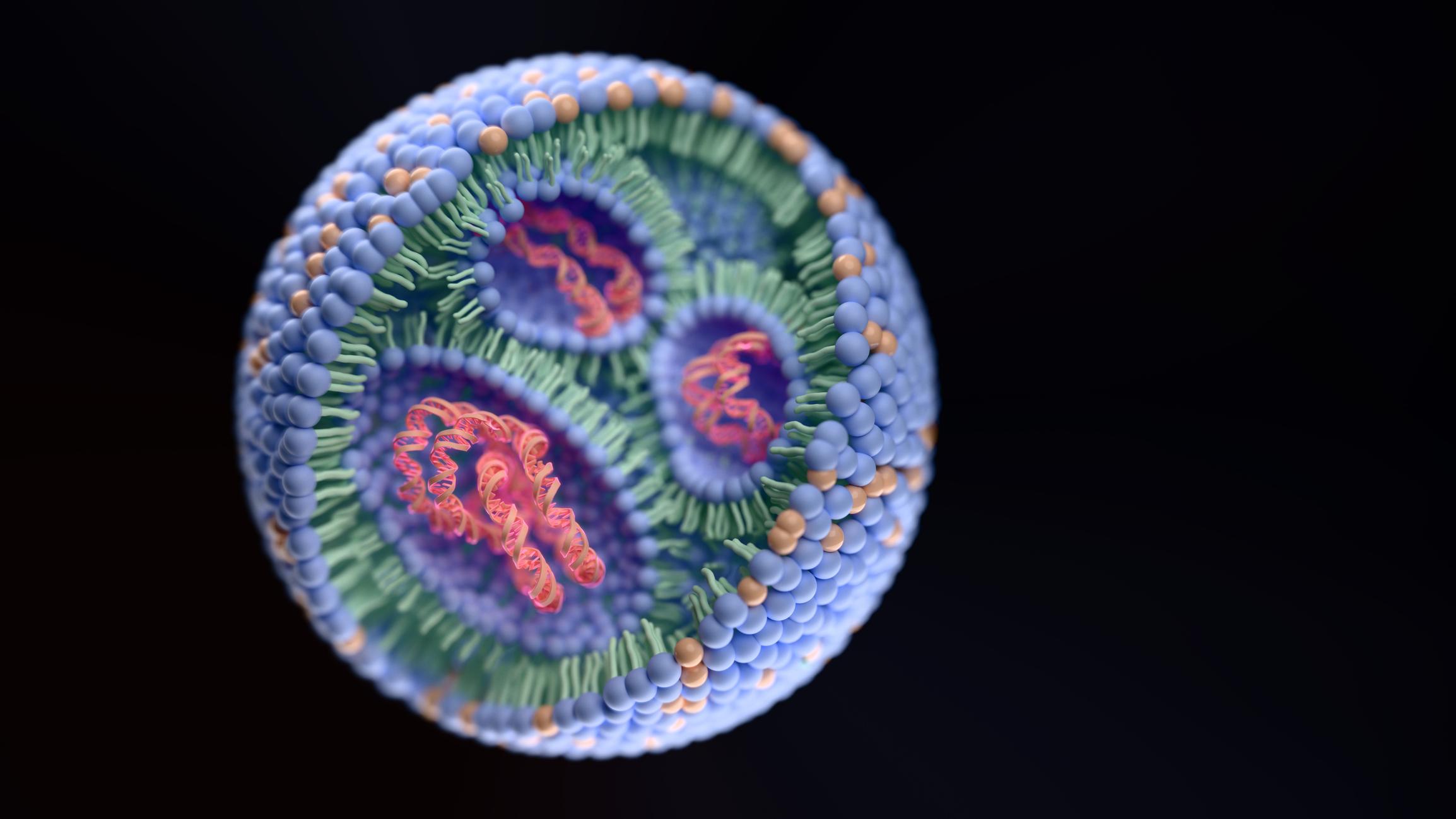
The earliest clinically validated solutions to the delivery problem have centered on the liver, where physiological features such as fenestrated vasculature and high endocytic activity create a more permissive environment for uptake. Lipid-based delivery systems played a central role in establishing this first wave of success. The FDA label for ONPATTRO (patisiran) confirms that the drug is formulated as a lipid complex designed to deliver small interfering RNA (siRNA) to hepatocytes. In this context, the lipid nanoparticle (LNP) functions as both a protective carrier and a delivery vehicle, enabling systemic administration while facilitating uptake into liver cells.
This approach demonstrated that complex nucleic acid therapeutics could be delivered in vivo with sufficient efficiency and consistency to support clinical use. It also established LNP-based delivery as a viable platform strategy, with implications extending beyond a single product.
GalNAc Conjugation
In parallel with lipid-based systems, a second hepatic delivery strategy has emerged based on receptor-mediated targeting. The FDA label for LEQVIO (inclisiran) confirms that the molecule incorporates triantennary N-acetylgalactosamine (GalNAc) residues that facilitate delivery to hepatocytes. This targeting mechanism relies on binding to the asialoglycoprotein receptor (ASGPR), which is highly expressed on liver cells and enables efficient uptake of the conjugated oligonucleotide.
Unlike LNP-based systems, which rely on encapsulation, GalNAc conjugation embeds the targeting function directly into the molecular design of the therapeutic. Over time, this approach has progressed from early research into clinically validated products, demonstrating its robustness as a delivery strategy.5
Beyond the Liver: The Next Frontier in Targeting
The progress achieved in hepatic delivery has also clarified the limits of current technology. Efficient delivery beyond the liver remains a major barrier to broader clinical application, with multiple reviews identifying extrahepatic targeting as one of the central unresolved challenges in the field.2 This gap is not simply technical; it defines the boundary between established therapeutic applications and those that remain largely aspirational. The need for effective delivery systems capable of reaching other tissues is therefore described as a significant unmet medical need.3
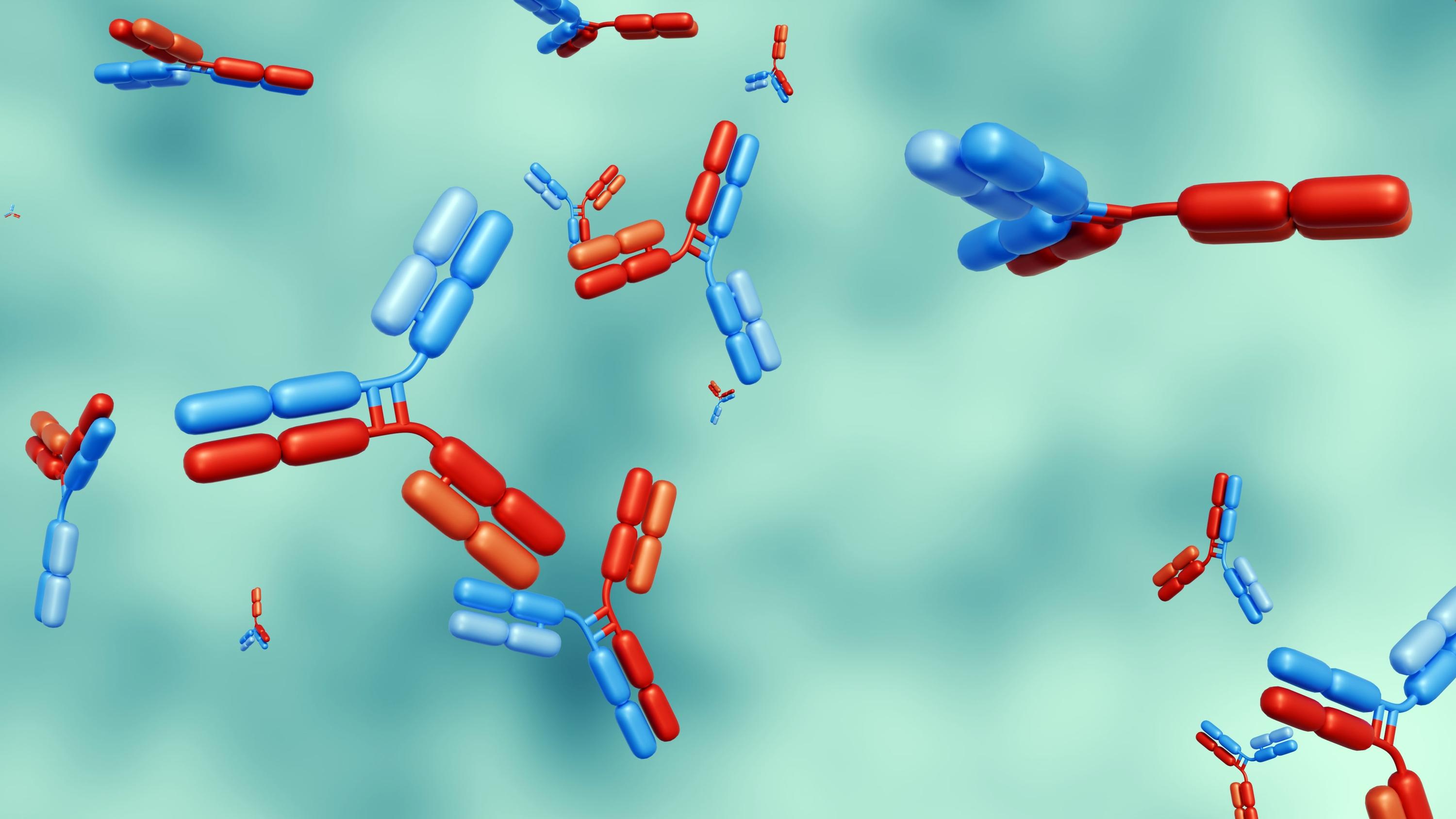
A range of strategies is being explored to address this challenge, many of which build on the concept of receptor-mediated targeting. By leveraging cell surface receptors that are selectively expressed in particular tissues, these approaches aim to improve uptake and intracellular delivery in a more controlled and tissue-specific manner.6 Among these, antibody–oligonucleotide conjugates (AOCs) represent the more advanced strategy, combining the targeting specificity of antibodies with the functional activity of oligonucleotides.7
Other efforts focus on identifying receptors that can support delivery into tissues that have historically been difficult to access. Targeting the transferrin receptor 1 (TfR1), for example, has been investigated as a way to enable delivery to skeletal and cardiac muscle, where efficient uptake has been particularly challenging.8 At the same time, newer platform approaches designed specifically for muscle delivery continue to emerge, underscoring the degree to which this area remains under active development.9
Despite this growing body of work, extrahepatic delivery has not yet reached the level of reliability or consistency seen with liver-targeted strategies. The field continues to expand its toolkit, but the transition from promising targeting concepts to clinically validated delivery platforms remains incomplete.
Delivery is Also a Manufacturing Architecture Decision
As delivery strategies have evolved, it has become increasingly clear that they do more than determine where an oligonucleotide drug goes in the body. They also shape how that drug must be made. Therapeutic oligonucleotide production must be scalable and economically sustainable to support clinical and commercial use, placing immediate constraints on process design and infrastructure.10 While the core synthesis of oligonucleotides is relatively well established, relying on automated phosphoramidite chemistry on solid support, this upstream step represents only part of the manufacturing challenge.
Downstream processing introduces additional complexity. Purification and isolation are often regarded as the bottleneck of oligonucleotide production, as they must resolve closely related impurities while maintaining yield, scalability, and cost efficiency. These constraints exist even before delivery systems are incorporated. Once a delivery platform is added, whether in the form of an LNP or a targeted conjugate, the manufacturing process must accommodate additional materials, unit operations, and quality attributes.
This linkage between delivery and manufacturing is structural. Delivery platforms do not simply enable biological targeting; they determine what must be synthesized, how it must be purified, and which parameters must be controlled throughout development and scale-up.
Manufacturing Realities of Oligonucleotide Drug Substances
Even before delivery systems are introduced, oligonucleotide drug substances present a distinct set of manufacturing and quality challenges. Product quality depends on careful control of impurity profiles as well as robust characterization of both the drug substance and the final drug product. Sterilization requirements add another layer of complexity, particularly given the need to maintain molecular integrity while ensuring safety.11
Although oligonucleotides are produced through chemical synthesis rather than biological processes, which reduces certain contamination risks, microbiological control remains essential. Manufacturing processes still require stringent contamination control strategies to ensure product quality and patient safety.12 At the same time, the regulatory landscape for oligonucleotide therapeutics continues to evolve. With limited guidance specific to this modality, manufacturers must rely heavily on risk-based approaches and established best practices when designing control strategies.
Analytical complexity is further increased by the structural behavior of oligonucleotides themselves. These molecules can form higher-order structures, supramolecular assemblies, and aggregates, all of which may influence different stages of drug substance and drug product manufacturing.13 The absence of standardized guidance for characterizing these structural features adds to the burden on developers to define appropriate analytical frameworks.
Manufacturing Realities of Lipid Nanoparticle Systems
LNP-based delivery adds a distinct layer of manufacturing complexity on top of the oligonucleotide drug substance. Regulatory perspective reflects this shift. FDA draft guidance treats LNPs as platform technologies with defined elements that include lipid composition, raw material manufacture, process parameters, in-process controls, equipment, and impurity clearance considerations.14 This framing underscores that LNPs are not simply formulations but integrated systems whose performance depends on tightly controlled manufacturing conditions.
At the process level, LNP formation is closely tied to mixing and assembly dynamics. Microfluidic mixing has become a common method for encapsulating nucleic acids within lipid particles, offering a controlled way to combine aqueous and organic phases.15 However, even within this framework, different mixing approaches can lead to measurable differences in particle characteristics and in vitro performance, indicating a strong coupling between process conditions and product attributes.
Despite the apparent simplicity of combining lipids and nucleic acids into particles, the underlying formation process is not fully understood. Mechanistic descriptions remain incomplete, and this lack of detailed understanding becomes more consequential during scale-up, where maintaining consistent particle size, composition, and functionality can be challenging.16 As a result, modeling approaches are increasingly used to connect process parameters with critical quality attributes, providing a pathway toward more predictable process control and optimization.
These factors reinforce the idea that LNP systems introduce additional manufacturing considerations beyond those associated with the oligonucleotide itself. Achieving consistent performance requires careful coordination of formulation design, process development, and analytical characterization, all within a framework that supports reproducibility at scale.
Manufacturing Realities of Targeted Conjugate and Next-Generation Delivery Platforms
Targeted conjugate strategies introduce a distinct manufacturing paradigm in which delivery functionality is integrated directly into the molecular structure of the drug substance. Regulatory perspective reflects this shift. U.S. Food and Drug Administration (FDA) draft guidance recognizes platforms built around chemically defined targeting moieties conjugated to well-characterized synthetic oligonucleotides, treating these combinations as coherent development frameworks rather than one-off constructs.14 In this model, the targeting element is not an external formulation component but an intrinsic part of the drug substance itself.
This architecture brings specific manufacturing requirements. The targeting moiety must be synthesized, incorporated into the oligonucleotide, and controlled as part of the overall product definition, with corresponding expectations for quality control and characterization. These requirements extend traditional oligonucleotide manufacturing to include additional chemical and analytical considerations, particularly around conjugation efficiency, structural integrity, and batch-to-batch consistency.
At the same time, this chemically defined approach can offer advantages. Some platforms may enable more streamlined downstream characterization and support reuse across multiple products with limited modification, creating the potential for platform-based development in which core elements of synthesis, purification, and control strategies can be leveraged repeatedly. In this sense, targeted conjugates are not only delivery tools but also emerging modular frameworks that align targeting, manufacturability, and regulatory strategy.
As the field pushes beyond liver-directed approaches, however, delivery systems are becoming more structurally complex. AOCs illustrate this progression. By combining a targeting antibody with an oligonucleotide payload, these constructs bring together multiple molecular components, each with its own manufacturing and quality requirements. This introduces additional layers of complexity across synthesis, conjugation, purification, and characterization, and has been identified as a central development challenge.17
This evolution reflects a broader pattern. As delivery strategies become more sophisticated in order to reach less accessible tissues, manufacturing systems must accommodate additional variables and tighter control over product attributes. Each increment in targeting capability is accompanied by a corresponding increase in manufacturing complexity, reinforcing the close coupling between delivery innovation and process development.
At this point, it becomes difficult to separate delivery strategy from manufacturing architecture, and the field begins to reorganize around these combined systems rather than traditional modality distinctions. Where LNP systems concentrate complexity in formulation, mixing, and particle formation, targeted conjugates shift that complexity into molecular design, conjugation chemistry, and analytical control. These differences are not incremental; they define fundamentally different manufacturing architectures.
Delivery Platforms as the Organizing Principle of the Field
As the field has matured, the traditional way of categorizing oligonucleotide therapeutics by modality — antisense oligonucleotides (ASOs) versus small interfering RNA (siRNA) — has become less informative as a guide to development strategy. While these distinctions still matter mechanistically, they do not fully capture how products behave in vivo or how they are ultimately translated into viable therapies.
In practice, the field is increasingly organized around delivery architecture. LNP systems, GalNAc conjugates, and emerging targeted platforms each define not only how oligonucleotides reach their intended tissues, but also how they are manufactured, characterized, and scaled. FDA draft guidance reinforces this perspective by recognizing both nanoparticle-based systems and chemically defined targeting-moiety platforms as reusable development frameworks with shared manufacturing and control strategies.14 As a result, delivery platforms are becoming the primary lens through which developers, regulators, and CDMOs evaluate oligonucleotide therapeutics, shaping decisions from early design through commercialization.
Strategic Implications for Developers and CDMOs
As delivery has moved to the center of oligonucleotide therapeutics, it has also become a primary point of differentiation across programs. Regulatory guidance makes clear that delivery strategy is not a secondary consideration but a defining characteristic of how these products are designed, evaluated, and ultimately brought to market. This has direct implications for how developers and contract development and manufacturing organizations (CDMOs) structure their capabilities and investments. This reframes a central strategic question: not simply how to manufacture oligonucleotides, but which delivery architectures an organization is equipped to support.
At the same time, emerging regulatory frameworks point toward a more platform-oriented future. FDA draft guidance on platform technologies identifies both LNP systems and chemically defined targeting-moiety approaches as candidates for platform designation, with the potential to leverage prior knowledge across multiple products.14 This introduces a new development paradigm in which delivery systems are not rebuilt from scratch for each program but instead refined and reused, with established manufacturing processes and control strategies carried forward.
In practice, this means that delivery platforms increasingly shape the entire development pathway. Process development must align with the specific requirements of the delivery system, whether that involves particle formation and encapsulation for LNPs or conjugation chemistry and ligand control for targeted approaches. Analytical methods must be capable of characterizing not only the oligonucleotide itself but also the associated delivery components and their interactions. As a result, manufacturing capability becomes closely linked to delivery modality, and organizations that can integrate these elements effectively are better positioned to support a growing and increasingly diverse pipeline of oligonucleotide therapeutics.
Conclusion: Delivery as the Central Challenge
The first wave of oligonucleotide therapeutics has been built on delivery strategies that work reliably in the liver. Lipid-based systems and GalNAc conjugates have demonstrated that targeted delivery to hepatocytes can support clinically viable products, establishing a foundation for the modality. These successes have validated the broader concept of RNA-targeted therapeutics, while also highlighting the constraints that remain.
Beyond the liver, those constraints become more apparent. Efficient extrahepatic delivery continues to represent a major limitation, with significant unmet need across tissues that are less accessible or lack well-defined uptake pathway. Expanding the reach of oligonucleotide drugs will depend on overcoming these barriers in a consistent and reproducible way.
Delivery, however, is not solely a question of biological targeting. It also shapes the manufacturing and regulatory frameworks that support these therapies. Requirements for scalable production, purification, characterization, and process control all intersect with the choice of delivery platform, influencing how products are developed and brought to market.
The next phase of growth for oligonucleotide therapeutics will depend on aligning these dimensions. Advances in targeting must be matched by equally robust advances in manufacturing and control, so that new delivery strategies can be translated into viable products. The scope of the modality will ultimately be defined by what can be delivered effectively and produced at scale.
References
1. Clinical Pharmacology Considerations for the Development of Oligonucleotide Therapeutics: Guidance for Industry. U.S. Food and Drug Administration. Jun. 2024.
2. Roberts, Thomas C, Robert Langer, and Matthew JA Wood. “Advances in oligonucleotide drug delivery.” Nat. Rev. Drug Discov. 19: 673–694 (2020).
3. Lee, Jong Won, et al. “RNAi therapies: Expanding applications for extrahepatic diseases and overcoming delivery challenges.” Advanced Drug Delivery Reviews. 201: 115073 (2023). h
4. Inclisiran Prescribing Information.
5. Debacker, Alexandre J, et al. “Delivery of Oligonucleotides to the Liver with GalNAc: From Research to Registered Therapeutic Drug.” Mol. Ther. 28: 1759–1771 (2020).
6. Gökirmak, Tufan, et al. “Overcoming the challenges of tissue delivery for oligonucleotide therapeutics.” Trends Pharmacol. Sci. 42: 588–604 (2021).
7. Malecova, Barbora, et al. “Targeted tissue delivery of RNA therapeutics using antibody-oligonucleotide conjugates (AOCs).” Nucleic Acids Res. 51: 5901–5910 (2023).
8. Østergaard, Michael E, et al. “Conjugation to a transferrin receptor 1-binding Bicycle peptide enhances ASO and siRNA potency in skeletal and cardiac muscles.” Nucleic Acids Research. 53: gkaf270 (2025).
9. Anand, Puneet, et al. “Metabolic Stability and Targeted Delivery of Oligonucleotides: Advancing RNA Therapeutics Beyond The Liver.” Journal of Medicinal Chemistry. 68: 6870–6896 (2025).
10. Abe, Aljaž, and Zdenko Časar. “Overview and Recent Advances in the Purification and Isolation of Therapeutic Oligonucleotides.” Organic Process Research & Development. 29: 15–33 (2025).
11. Azari, Sara, et al. “Relevant factors to guarantee quality of oligonucleotide-based products.” International Journal of Pharmaceutics. 687: 126393 (2025).
12. Allen, Deborah, et al. “Considerations for Microbiological Control Strategy during Oligonucleotide Drug Substance Manufacturing.” Organic Process Research & Development. 29: 3013–3027 (2025).
13. Carloni, Laure-Elie, et al. “Strategies for the evaluation and characterization of higher-order structures, supramolecular higher-order structures, and aggregates in oligonucleotide therapeutics.” Journal of Pharmaceutical Sciences. 114: 103885 (2025).
14. Platform Technology Designation Program for Drug Development: Guidance for Industry (Draft). U.S. Food and Drug Administration. May 2024.
15. Jürgens, David C, et al. “Lab-scale siRNA and mRNA LNP manufacturing by various microfluidic mixing techniques – an evaluation of particle properties and efficiency.” OpenNano. 12: 100161 (2023).
16. Inguva, Pavah K, et al. “Mechanistic modeling of lipid nanoparticle formation for the delivery of nucleic acid therapeutics.” Biotechnology Advances. 84: 108643 (2025).
17. Jiao, Jinlan, et al. “Overcoming limitations and advancing the therapeutic potential of antibody-oligonucleotide conjugates (AOCs): Current status and future perspectives.” Pharmacological Research. 209: 107469 (2024).