
Key Takeaways
Therapeutic vaccines are being developed for cancer, Alzheimer’s disease, hypertension, and type 1 diabetes.
Cancer vaccines may target shared tumor antigens or patient-specific neoantigens using cellular, peptide, or mRNA platforms.
Personalized cancer vaccines require integrated sequencing, bioinformatics, manufacturing, and clinical logistics.
Some chronic disease vaccines aim to generate antibodies against endogenous targets, while tolerogenic vaccines seek to suppress specific autoimmune responses.
Clinical progress depends on translating immune responses into durable patient benefit and scalable manufacturing processes.
Expanding the Definition of Vaccination
Vaccines are most often understood as preventive tools that prepare the immune system to recognize an infectious threat before exposure leads to disease. A growing range of therapeutic strategies seeks to apply the same broad principle after disease has already developed. Rather than preventing infection, these approaches attempt to direct immunity against tumor cells, generate antibodies against disease-associated molecules, or restore tolerance to antigens that have become the targets of an autoimmune response.
The word “vaccine” therefore encompasses a much wider set of therapeutic objectives than it once did. Some candidates are designed to intensify immune activity, while others seek to redirect it with greater precision. In autoimmune disease, the desired outcome may even be a reduction in the immune response to a specific target. These approaches also span very different product formats, including peptides, proteins, messenger RNA (mRNA), engineered microbial vectors, dendritic cells, and other genetically modified cellular products.1
The level of clinical validation varies considerably. The prostate cancer vaccine sipuleucel-T has demonstrated that an immune-based therapeutic vaccine can reach the market, while many other programs remain in early clinical studies focused primarily on safety, immunogenicity, and biological proof of concept. The emerging field is therefore defined both by genuine therapeutic progress and by substantial uncertainty regarding which targets, platforms, and development models will translate into consistent clinical benefit.
Turning Immunization into Treatment
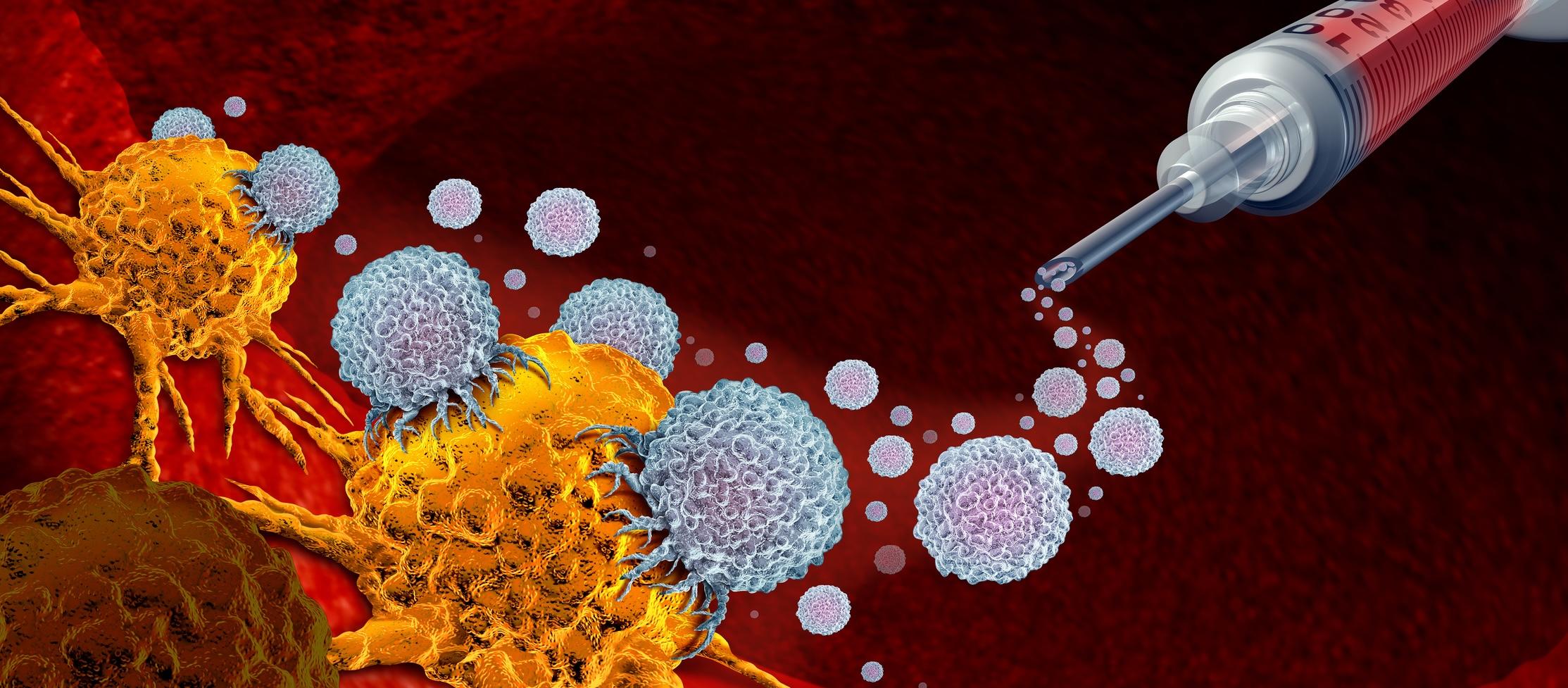
Cancer treatment vaccines provide the clearest starting point for understanding how immunization can move beyond disease prevention. Unlike preventive vaccines directed against infectious agents, cancer treatment vaccines are administered to people who already have cancer and are intended to stimulate an immune response against malignant cells. They may use material derived from an individual patient’s tumor, target antigens shared across tumors, or rely on dendritic cells that have been exposed to tumor-associated antigens.2
The distinction is important because the immune system faces a different challenge when the target is an established cancer rather than an external pathogen. Tumor cells arise from the body’s own tissues, and many of their components are not entirely foreign. A successful cancer vaccine must help the immune system recognize sufficiently distinctive tumor-associated or tumor-specific antigens while also overcoming conditions that may limit the strength or persistence of the response. Antigen selection and suppression within the tumor immune microenvironment remain central challenges for therapeutic cancer vaccine development.3
Sipuleucel-T illustrates one way of addressing that challenge. The U.S. Food and Drug Administration (FDA) has approved the product for patients with asymptomatic or minimally symptomatic metastatic castration-resistant prostate cancer. It is an autologous cellular therapy, meaning that the starting material is collected from the individual patient. The patient’s immune cells are exposed to a protein designed to direct an immune response against prostate cancer and are then administered back to the same patient.4
That manufacturing model differs substantially from the production of a standardized preventive vaccine distributed from a common batch. Each sipuleucel-T dose is linked to one patient and depends on the coordinated collection, processing, release, and return of patient-specific material. Its approval establishes that therapeutic vaccination is not solely an experimental concept, but it does not imply that a single product model will suit every cancer or every immune target.
The broader cancer vaccine pipeline includes approaches ranging from autologous cellular products to standardized peptides and individually designed mRNA constructs. The biological objective may be similar across these formats, but their development and manufacturing requirements differ sharply. The selection of the antigen, the method used to present it to the immune system, and the degree of product personalization become interconnected decisions rather than separate technical considerations.
Personalize the Vaccine or Standardize the Target
One of the most consequential decisions in cancer vaccine development is whether to target antigens unique to an individual tumor or an alteration shared across a larger patient population. These strategies reflect different assumptions about tumor biology, patient selection, manufacturing scale, and the amount of customization required to produce a relevant immune response.
An individualized neoantigen vaccine begins with the specific mutations present in one patient’s cancer. In a phase I study in pancreatic cancer, investigators used surgically resected tumor tissue to develop a patient-specific uridine mRNA–lipoplex vaccine. The process involved whole-exome sequencing of tumor and normal tissue, tumor RNA sequencing, bioinformatic selection of candidate antigens, and good manufacturing practice production of a vaccine designed for the individual participant.5
This approach attempts to focus immunity on mutations that distinguish the tumor from healthy tissue. Because the selected neoantigens differ among patients, the product cannot be fully defined before the tumor has been collected and analyzed. Manufacturing therefore begins only after surgery and must proceed within a period that remains compatible with the patient’s treatment plan.
The pancreatic cancer study established operational benchmarks of no more than six weeks for vaccine production and no more than nine weeks between surgery and the first vaccine dose. Eight of the 16 treated participants developed de novo, high-magnitude T cell responses against vaccine neoantigens. These findings demonstrate that individualized antigen selection and manufacturing can generate measurable immune responses within a defined clinical workflow, although the small, early-phase study did not establish broad clinical efficacy.5
For developers and manufacturing partners, this model changes the meaning of scalability. Conventional scale often refers to producing larger quantities of the same product. Personalized vaccination may instead require the ability to execute many small, distinct manufacturing campaigns with consistent quality, reliable data transfer, and tight control of patient identity. Sequencing, computational analysis, manufacturing, testing, and clinical scheduling become parts of a single operational chain.
A shared-antigen strategy offers a different route. A phase I glioma study evaluated a peptide vaccine targeting the IDH1 R132H mutation, a shared clonal neoepitope found in a defined group of tumors. The primary safety endpoint was met, vaccine-related adverse events were limited to grade 1, and vaccine-induced immune responses were observed in 93.3% of participants across multiple major histocompatibility complex alleles. The uncontrolled study provided evidence of safety and immunogenicity but did not establish clinical efficacy.6
Because the targeted mutation is shared, the same vaccine concept can be administered to multiple eligible patients. Development still depends on identifying the appropriate population and confirming the presence of the target, but the product itself does not require the same degree of patient-specific design and manufacture. This creates the possibility of a more standardized manufacturing model, provided that the selected antigen is sufficiently prevalent, biologically important, and immunogenic.
Neither strategy eliminates complexity. Personalized vaccines may capture mutations that are highly specific to one tumor but require rapid, individualized production. Shared-antigen vaccines can support broader standardization but depend on the availability of a target common to a meaningful patient subgroup. The choice between them is therefore not simply a scientific preference. It influences clinical enrollment, analytical strategy, manufacturing architecture, supply-chain design, and the type of infrastructure needed to deliver the final product.
Teaching the Immune System to Target Disease Biology
The therapeutic vaccine concept extends beyond cancer. In some chronic diseases, investigators have attempted to induce antibodies against endogenous molecules associated with disease progression or physiological dysfunction. Instead of administering a monoclonal antibody or repeatedly dosing a conventional medicine against the target, the vaccine is intended to stimulate the patient’s immune system to produce a sustained antibody response.
Alzheimer’s disease has been one area of investigation. ABvac40 was developed to induce an immune response against the C-terminal end of amyloid-β40. In a randomized, double-blind, placebo-controlled phase I study, 24 participants with mild-to-moderate Alzheimer’s disease received the investigational vaccine or placebo. Eleven of the 12 participants who received three vaccine injections developed specific antibodies against the target. The findings supported the safety and immunogenicity of the candidate, but the study was not designed to establish clinical efficacy.7
The distinction between immunogenicity and therapeutic benefit is particularly important in this setting. Demonstrating that a vaccine generates antibodies confirms that the immune system has responded to the selected antigen. It does not establish that the response alters disease progression, improves cognition, or produces a clinically meaningful outcome. The target must be biologically relevant, and the induced antibodies must reach the appropriate tissues, engage the target effectively, and do so without creating unacceptable safety risks.
A similar principle has been explored in cardiovascular disease. A phase IIa study evaluated CYT006-AngQb, a virus-like particle vaccine targeting angiotensin II, in 72 patients with hypertension. The 300-μg dose was associated with reductions in ambulatory blood pressure, and the accessible study abstract reported no treatment-related serious adverse events.8
The study shows that active immunization against an endogenous cardiovascular target has been tested in humans and can produce measurable physiological effects. It does not establish that therapeutic vaccination can replace existing antihypertensive treatment, nor does it provide evidence of regulatory approval, long-term clinical benefit, or subsequent commercial development. Its value within the broader field lies in demonstrating that the immune system can be directed against a noninfectious physiological mediator, not in proving that vaccination is already a practical treatment strategy for hypertension.
These programs also expose a fundamental development challenge. When the target is an endogenous molecule, the immune response must be strong enough to influence disease biology but sufficiently controlled to avoid excessive or irreversible disruption of normal physiology. Developers must define not only whether antibodies are generated but also their magnitude, durability, functional activity, and potential consequences beyond the intended therapeutic effect.
The product format may influence each of those characteristics. ABvac40 and CYT006-AngQb were designed around different antigens and disease mechanisms, yet both relied on active immunization to produce antibodies within the patient. This distinguishes them from cancer vaccines intended primarily to generate tumor-directed T cell responses and from passive immunotherapies in which externally manufactured antibodies are administered directly.
Not Every Vaccine Is Designed to Intensify Immunity
Therapeutic immunization becomes more conceptually complex in autoimmune disease. In cancer, the objective is generally to strengthen recognition of a harmful target. In autoimmunity, the immune system is already responding to the body’s own components, and greater immune activation could worsen the disease. The therapeutic goal may instead be to establish tolerance to a specific antigen while preserving the rest of the immune system’s function.
AG019 was developed as an antigen-specific approach for recent-onset type 1 diabetes. The candidate consisted of genetically modified, food-grade Lactococcus lactis engineered to express human proinsulin and interleukin-10. Delivered orally, the construct was intended to expose the immune system to a pancreatic β-cell antigen in a tolerizing context.9
This model differs sharply from vaccines designed to provoke antibodies or cytotoxic T cells. Rather than teaching the immune system to attack a target, it attempts to reduce an unwanted response to one. The use of proinsulin provides the antigen-specific component, while interleukin-10 is incorporated to support the intended tolerogenic environment.9
The phase Ib/IIa clinical program included 42 people with recent-onset type 1 diabetes. AG019 was evaluated as a monotherapy and in combination with teplizumab. No serious adverse events were reported, and the study identified preliminary changes in preproinsulin-specific T cells and metabolic measures that supported continued investigation. The findings did not establish preservation of β-cell function or long-term modification of the disease.9
The importance of the approach lies in its precision. Broad immunosuppression can reduce harmful immune activity, but it may also weaken responses that protect against infection and other threats. An antigen-specific strategy seeks to intervene more selectively by retraining the immune response to a defined disease-relevant target. Whether that selectivity can be achieved consistently and translated into durable clinical benefit remains an open question.
The program also illustrates how the term “vaccine” can describe products with opposite immunological intentions. Cancer vaccines may seek stronger immune recognition. Vaccines targeting amyloid-β40 or angiotensin II seek antibody production against endogenous molecules. A tolerogenic construct for type 1 diabetes seeks to quiet a specific immune response. What links these products is not a single direction of immune activity but the deliberate presentation of an antigen to reshape how the immune system behaves.
A Modality Defined by Biology Rather than Format
Therapeutic vaccines do not constitute one manufacturing platform. They include peptide and protein vaccines, DNA and mRNA vaccines, bacterial, viral, and yeast vectors, dendritic cell vaccines, and genetically modified cellular vaccines.1
The examples already in clinical development demonstrate the breadth of this category. Sipuleucel-T is an autologous cellular product. The pancreatic cancer candidate uses individualized mRNA. The IDH1 vaccine is a peptide-based product. CYT006-AngQb uses a virus-like particle, and AG019 relies on an engineered bacterial vector. Each format provides a different way to deliver an antigen and influence the resulting immune response.
For manufacturing organizations, that diversity limits the value of treating therapeutic vaccines as a single technical market. A facility designed for peptide synthesis will not automatically support autologous cell processing. An mRNA production platform will not resolve the challenges of cultivating, characterizing, and controlling a genetically modified bacterial vector. Even within one platform class, a standardized product and an individually manufactured vaccine may require very different operating models.
The antigen itself also shapes the process. A shared peptide vaccine can be manufactured in batches for multiple patients, while an individualized neoantigen product depends on a sequence of patient-specific analytical and manufacturing steps. A cellular vaccine may require the collection and return of patient material, while a microbial vector requires control of a living engineered organism. These are not secondary implementation details. They determine how the product is characterized, tested, released, stored, transported, and administered.
Personalized mRNA vaccines make the connection between clinical development and manufacturing particularly visible. The vaccine cannot be produced until tumor material has been sequenced, candidate neoantigens have been selected, and the patient-specific construct has been designed. Delays or errors in any stage can affect the treatment schedule. The manufacturing network must therefore integrate molecular analysis, bioinformatics, production, quality control, and clinical coordination.5
This model also places unusual demands on data integrity. The chain of information linking the tumor sample, sequencing output, selected antigen set, manufactured construct, and treated patient is as important as the physical chain of custody. The process must preserve identity throughout a workflow in which both the biological input and the product design differ from one patient to the next.
Standardized therapeutic vaccines present a more familiar scaling model, but they still require careful control of antigen quality and immune function. A chemically well-characterized peptide or protein does not automatically produce a therapeutically useful response. Formulation, delivery, dose, schedule, and the biological context in which the antigen is presented can all influence immunogenicity. The analytical strategy must therefore address both conventional product quality and the intended immune activity.
The diversity of platforms also creates opportunities for specialized contract development and manufacturing organizations (CDMOs). Drug developers may need support that combines modality-specific manufacturing expertise with an understanding of antigen design, potency testing, clinical logistics, and regulatory expectations. A partner capable of producing the platform but unable to connect process decisions to the desired immune response may not be sufficient for a therapeutic vaccine program.
At the same time, few organizations are likely to possess equal depth across cellular products, nucleic acids, peptides, viral particles, and engineered microorganisms. The field may therefore depend on coordinated networks of specialists rather than a single universal manufacturing solution. For personalized products, those networks must also operate within treatment-specific timelines and exchange data without compromising identity or traceability.
Matching Scientific Promise with Clinical Evidence
The expansion of vaccination into cancer and chronic disease has produced compelling examples of immune engineering, but the available evidence must be interpreted according to the stage and design of each program. Sipuleucel-T represents an FDA-approved therapeutic cellular product. The pancreatic neoantigen vaccine, IDH1 peptide vaccine, ABvac40, CYT006-AngQb, and AG019 remain investigational examples evaluated in relatively small clinical studies.4–9
Early-phase studies often focus on safety, tolerability, and immunogenicity. Those endpoints answer essential questions. They can establish whether the product can be administered, whether it produces unacceptable adverse effects, and whether the immune system responds to the selected antigen. They cannot, on their own, demonstrate that the immune response improves survival, slows disease progression, preserves organ function, or produces a durable clinical benefit.
This distinction is especially important because immunogenicity can appear highly encouraging. The IDH1 vaccine generated immune responses in most participants, and the pancreatic cancer vaccine produced de novo T cell responses in half of the treated group. ABvac40 generated specific antibodies in nearly all participants who received three injections. Each result confirms biological activity, but none should be interpreted as definitive evidence of clinical efficacy.5–7
Cancer vaccines face additional barriers even when a target is well selected and an immune response is detected. The tumor immune microenvironment may suppress or exclude the responding immune cells, and the relationship between measured immune activity and clinical outcome may be difficult to establish. Accelerating manufacturing, selecting optimal antigens, evaluating immune responses, and overcoming immune suppression remain major development challenges.3
Chronic-disease vaccines introduce a different set of uncertainties. An immune response against an endogenous target may need to persist for months or years, yet excessive duration could be difficult to reverse. The appropriate level of response may vary among patients, and the biological role of the target may extend beyond the disease pathway being treated. Clinical development must therefore examine not only whether the vaccine works initially but also whether its effects remain controllable over time.
Tolerogenic vaccines face the complementary challenge of proving that a reduction in antigen-specific immune activity is sufficient to change disease progression. Detecting changes in relevant T cell populations can support the proposed mechanism, but meaningful treatment will ultimately depend on preservation or recovery of clinical function. The AG019 study provided a basis for further investigation, not confirmation that antigen-specific tolerance had altered the long-term course of type 1 diabetes.9
The future of therapeutic vaccination will depend on the alignment of several factors: a biologically meaningful antigen, a platform capable of presenting it appropriately, an immune response suited to the disease, a manufacturing process compatible with the treatment model, and a clinical program able to connect immune activity with patient benefit. Weakness in any one of these areas can limit the value of the others.
The field is therefore unlikely to advance through one dominant vaccine format or a single development strategy. Cancer, neurodegeneration, cardiovascular disease, and autoimmunity demand different types of immune intervention. Some products will need to activate T cells, some will seek durable antibody responses, and others will attempt to establish tolerance. Their common foundation is the use of antigen-specific immunization to influence disease after it has already begun.
Vaccines beyond infectious disease are no longer a purely hypothetical category. An approved cellular therapy has established one viable path, and early clinical studies have demonstrated that therapeutic immunization can be personalized, directed against shared mutations, applied to endogenous disease targets, and adapted to tolerogenic objectives. The remaining challenge is to convert those immune responses into reproducible clinical benefit through product designs, manufacturing systems, and development programs suited to the distinct biology of each disease.
References
1. Tian, Yaomei, et al. “Development of therapeutic vaccines for the treatment of diseases.” Molecular Biomedicine. 3: 40 (2022).
2. “Cancer Treatment Vaccines.” National Cancer Institute. 24 Sep. 2019.
3. Fan, Ting, et al. “Therapeutic cancer vaccines: advancements, challenges and prospects.” Signal Transduction and Targeted Therapy. 8: 450 (2023).
4. “PROVENGE (sipuleucel-T).” U.S. Food and Drug Administration. Accessed 3 Aug. 2026.
5. Rojas, Luis A, et al. “Personalized RNA neoantigen vaccines stimulate T cells in pancreatic cancer.” Nature. 618: 144–150 (2023).
6. Platten, Michael, et al. “A vaccine targeting mutant IDH1 in newly diagnosed glioma.” Nature. 592: 463–468 (2021).
7. Lacosta, Ana-María, et al. “Safety, tolerability and immunogenicity of an active anti-Aβ40 vaccine (ABvac40) in patients with Alzheimer’s disease: a randomised, double-blind, placebo-controlled, phase I trial.” Alzheimer’s Research & Therapy. 10: 12 (2018).
8. Tissot, Alain C, et al. “Effect of immunisation against angiotensin II with CYT006-AngQb on ambulatory blood pressure: a double-blind, randomised, placebo-controlled phase IIa study.” The Lancet. 371: 821–827 (2008).
9. Mathieu, Chantal, et al. “A first-in-human, open-label Phase 1b and a randomised, double-blind Phase 2a clinical trial in recent-onset type 1 diabetes with AG019 as monotherapy and in combination with teplizumab.” Diabetologia. 67: 27–41 (2024).