Key Takeaways
Vaccine developers now have a broader toolbox that includes mRNA, saRNA, protein subunits, VLPs, viral vectors, DNA, and other technologies.
Platform selection must account for the intended immune response, antigen format, administration route, delivery system, storage profile, and manufacturing process.
mRNA and saRNA enable cell-free vaccine production but require careful control of RNA synthesis, purification, lipid nanoparticle formulation, stability, and delivery.
Protein subunits, nanoparticles, and virus-like particles expand the possibilities for engineered antigen presentation while introducing expression-system, purification, particle-assembly, and adjuvant considerations.
No vaccine platform eliminates the need for product-specific analytical development, scale-up, comparability, and integration of biological and manufacturing strategies.
How mRNA, saRNA, Protein Subunits, Viral Vectors, and Other Technologies Are Expanding the Vaccine Toolbox
Vaccine development is being reshaped by the availability of a broader range of technologies for encoding, producing, displaying, and delivering antigens. Alongside whole-pathogen vaccines, toxoids, polysaccharides, and conjugates, developers can now draw from recombinant proteins, virus-like particles (VLPs), protein nanoparticles, viral vectors, plasmid DNA, messenger RNA (mRNA), and self-amplifying RNA (saRNA). Each platform offers a different way to present an immune target and creates its own requirements for formulation, delivery, manufacturing, analytical control, storage, and administration.
This expanding toolbox should not be understood as a linear progression in which one new modality displaces all that came before it. Recent advances span structure-based immunogen design, gene-based vaccines, recombinant antigens, engineered particles, and increasingly sophisticated adjuvant systems. These technologies can also overlap within a single vaccine. A recombinant antigen may be displayed on a nanoparticle and formulated with an adjuvant, while an RNA vaccine depends on both the encoded antigen and the delivery system that carries the construct into cells.1–3
The central development question is not which platform is newest but which combination of antigen design, immune presentation, formulation, route of administration, and production process is best suited to the intended product. A platform can provide a repeatable technological foundation, but it does not determine every property of the finished vaccine. The specific construct, delivery system, process, presentation, and stability profile remain product-dependent.
These differences have direct consequences for chemistry, manufacturing, and controls (CMC). An mRNA vaccine requires cell-free RNA synthesis, purification, encapsulation, and control of the interactions between the RNA and its lipid nanoparticle (LNP) formulation. A recombinant protein vaccine requires an expression system, a downstream purification process, and often an adjuvant. A VLP vaccine adds the challenge of reproducibly assembling and characterizing the particle. A viral vector vaccine depends on cell-based vector propagation and purification. A DNA vaccine requires plasmid production and an effective method of cellular delivery. The expansion of the vaccine toolbox has thus increased the range of manufacturing architectures that sponsors may need to evaluate rather than converging the field around a single model.4–7
The Platform Is Only Part of the Vaccine
The term “platform” can suggest that once a technology has been established, subsequent products can move through development as variations on a standardized process. Platform knowledge can provide a valuable starting point, particularly when a new candidate retains similar manufacturing steps, materials, analytical methods, and formulation principles. However, it cannot remove the need to understand the attributes of the individual product.
This distinction is critical for gene-based vaccines. The nucleotide sequence determines which antigen is expressed, but changes to the construct can also affect the physical behavior of the drug substance and formulated product. In mRNA vaccines, RNA length and secondary structure can influence interactions with the LNP, including particle size, morphology, surface properties, and encapsulation efficiency. For saRNA, the larger construct and the addition of replication machinery introduce further questions involving expression efficiency, impurities, innate immune activation, RNA half-life, and particle characteristics.4
Protein vaccines present a different form of interdependence. The expression host, antigen design, purification process, particle architecture, and adjuvant can all influence the resulting product. Protein-based vaccine manufacturing can use bacterial, yeast, insect, mammalian, or plant systems, while the antigen may be delivered as a soluble protein, assembled into a VLP, or displayed on a separate nanoparticle scaffold.2,5
The practical value of a platform lies in the knowledge that can be reused without assuming that every product will behave identically. A familiar process may shorten development work, support method selection, or provide prior experience with specific raw materials and unit operations. The drug developer must still establish whether changes to the antigen, construct, formulation, manufacturing site, scale, or purification process have altered the final vaccine.4
mRNA Shifts Vaccine Production to a Cell-Free Process
The appeal of mRNA begins with the speed with which a candidate sequence can be designed and introduced into a manufacturing process. The drug substance can be produced through template-directed, cell-free enzymatic synthesis rather than by growing the final antigen or a complete pathogen in a production cell. In vitro transcription uses a DNA template to generate the RNA that will later direct antigen production inside the recipient’s cells.7,8
This manufacturing model offers flexibility, but it does not eliminate complexity. mRNA has historically faced challenges involving instability and inefficient delivery in vivo. Improvements in RNA design have increased translation and altered innate and adaptive immune activation, while advances in delivery have helped protect the construct and facilitate cellular uptake.9
The process must control more than the identity of the encoded antigen. RNA synthesis can generate product-related impurities that require characterization and removal, while the formulated vaccine must maintain the integrity of both the RNA and the delivery system. Regulatory expectations extend across starting materials, raw materials, excipients, intermediates, drug substance, LNPs, encapsulation, and the finished drug product. Release and characterization programs may need to assess identity, content, purity, potency, quality and safety attributes, and stability.4
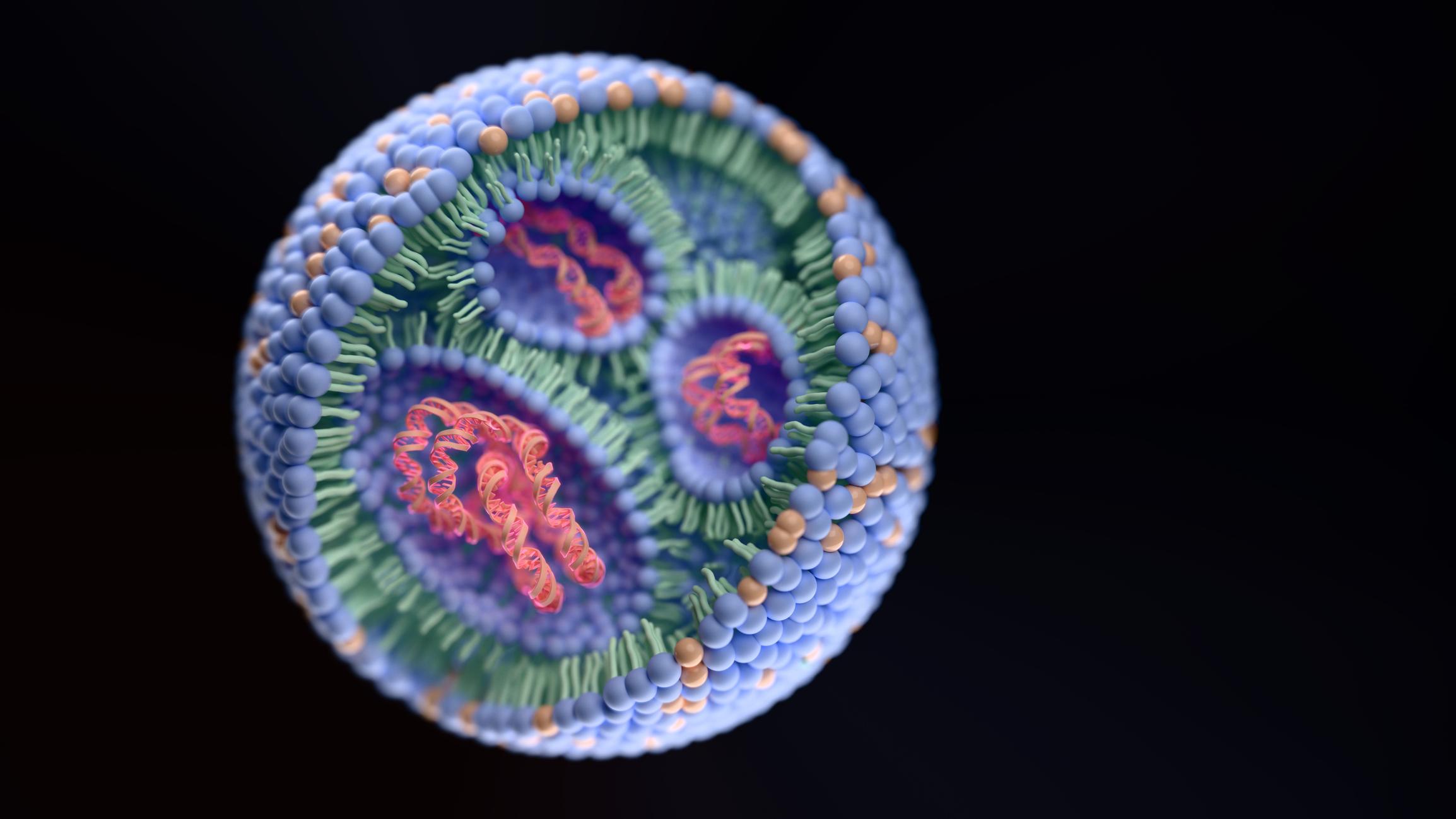
The LNP is central to the function of the product, not simply a packaging material added after the RNA has been manufactured. Its design must account for physiological barriers, the intended route of administration, and the need to deliver the construct to the appropriate cells. The characteristics of the RNA and lipid composition can affect encapsulation efficiency and particle properties, making formulation development an extension of construct development rather than a separate downstream exercise.4,10
The intended level, duration, and location of protein expression can also shape formulation and delivery requirements. An approach designed to generate transient expression at an injection site may not require the same delivery profile as one intended for a different tissue or route. Manufacturing and formulation decisions must therefore reflect the biological objective of the candidate rather than relying only on prior experience with the broader modality.11
mRNA has demonstrated that a cell-free platform can support rapid vaccine development, but the technology’s success depends on the integration of construct design, RNA synthesis, purification, particle formation, fill–finish, storage, and administration. The platform changes where the major development challenges occur. It does not remove them.
saRNA Extends the RNA Concept
saRNA builds on the mRNA model by incorporating genetic instructions for replication machinery. After the construct enters a cell, that machinery can produce additional copies of the antigen-encoding RNA, increasing intracellular expression from the delivered material.
The same feature that creates the potential for amplification also increases the size and complexity of the construct. Larger RNA can present challenges involving synthesis yield, purification, physical degradation, formulation, and delivery. Construct design can affect the size and morphology of the resulting LNP, while differences in impurities, expression efficiency, innate immune response, and RNA persistence require product-specific assessment.4,7
Kostaive is a recent example of saRNA progressing into an authorized vaccine. The product contains zapomeran, an saRNA construct that encodes both the target antigen and a replicase, and the RNA is encapsulated in LNPs.12 It also illustrates why stability claims must remain product-specific. Kostaive is supplied as a lyophilized product that requires reconstitution, but unopened vials are stored at –15 °C to –25 °C. After reconstitution, the vaccine can be held at 2 °C to 25 °C for up to six hours. Lyophilization has not eliminated frozen long-term storage in this product, and room-temperature distribution is not an intrinsic benefit of saRNA.
The development promise of saRNA lies in amplification, but the commercial challenge lies in controlling a larger and more complex RNA product. Its success will depend on whether the potential dose and expression advantages can be realized alongside reproducible synthesis, purification, encapsulation, stability, and delivery.
Protein Subunits Remain a Diverse Technology Class
Recombinant protein vaccines are often grouped together as a mature alternative to nucleic acid platforms, but the category contains substantial technological diversity. The antigen may be produced in bacteria, yeast, insect cells, mammalian cells, or plants. It may be formulated as a soluble protein, assembled into a larger structure, or attached to a nanoparticle scaffold. It may also be paired with an adjuvant selected to shape or strengthen the immune response.2,3,5
Expression-system selection establishes the basic manufacturing architecture. A microbial process may rely on fermentation and recovery of an intracellular or secreted product, while insect- or mammalian-cell production requires different media, bioreactors, impurity controls, and downstream operations. The chosen host must support production of the antigen in an appropriate form, and the purification process must consistently remove host-derived impurities while preserving the intended structure.
NUVAXOVID demonstrates how a recombinant protein vaccine can combine distinct antigen and adjuvant technologies. Its spike protein is produced in Sf9 insect cells using a baculovirus expression system and formulated with Matrix-M, a saponin-based adjuvant. The antigen-production process and the adjuvant system are separate development streams that converge in the final product.13
The adjuvant cannot be treated as a generic additive. Current adjuvant technologies include mineral salts, microbial products, emulsions, saponins, small molecule agonists, polymers, nanoparticles, and liposomes. These materials act through different mechanisms and create different formulation, manufacturing, and analytical requirements.3
Protein-subunit development therefore involves more than expressing an antigen at acceptable yield. The developer must establish that the expression host produces the intended structure, that purification preserves relevant attributes, that the formulation maintains stability, and that the adjuvant and antigen can be manufactured and combined reproducibly. The familiarity of recombinant protein manufacturing should not obscure the number of critical product-specific choices that remain.
VLPs and Nanoparticles Engineer Antigen Presentation
VLPs and protein nanoparticles extend protein-vaccine development from antigen production into the deliberate engineering of antigen presentation. Protein nanoparticles can display repetitive arrays of antigens and may improve uptake by antigen-presenting cells, trafficking to lymph nodes, and B cell activation. Their performance can be influenced by particle size, antigen density, valency, spacing, orientation, and scaffold composition.2
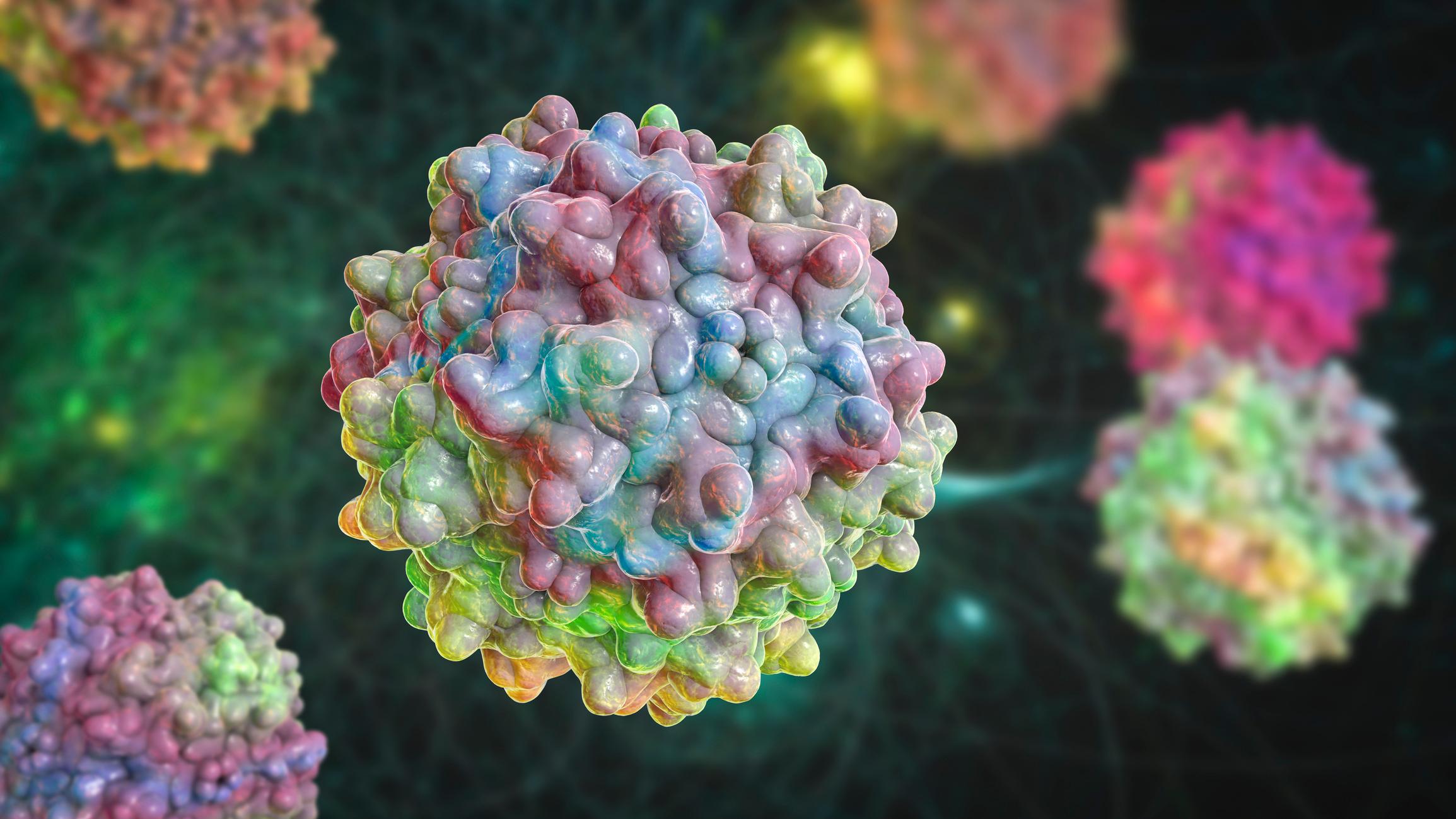
VLPs reproduce selected structural features of viruses while remaining replication-incompetent. They can present viral proteins in an organized, particle-based form without containing the complete genetic machinery needed for replication. Their development still requires control of expression, assembly, purification, formulation, delivery, and storage. VLP production may use insect, yeast, bacterial, plant, or mammalian systems, each of which creates a different process and impurity profile.7,14
VIMKUNYA illustrates this manufacturing model. Its chikungunya VLPs are produced by transfecting an expression plasmid into HEK293 cells. The particles are harvested from the culture medium, purified, sterile-filtered, formulated, and adsorbed onto aluminum hydroxide.15
The critical product is the assembled particle rather than any individual protein component considered in isolation. Analytical control must therefore address whether the proteins have formed the intended structure and whether that structure remains consistent through purification, formulation, storage, and administration. This requirement distinguishes VLP manufacturing from production of a conventional soluble recombinant antigen, even when both begin with cell-based protein expression.
VLPs and nanoparticles also show how platform categories can overlap. A product may involve recombinant expression, self-assembly, particle characterization, adjuvant formulation, and sterile fill–finish. The manufacturing strategy must integrate these operations around the attributes of the finished particle.
Viral Vectors Combine Delivery with Vector Biology
Viral vector vaccines use engineered viruses to deliver genes encoding vaccine antigens. After transduction, the recipient’s cells produce the antigen, allowing the platform to combine genetic delivery with the immunological characteristics of the vector. Viral vectors can induce antibody and cellular responses, and some vectors provide inherent immunostimulation without a separate adjuvant.6
These properties vary among vector families and constructs. Replicating and replication-deficient vectors can differ in antigen-expression patterns, dosing requirements, and suitability for particular applications. Some products may still require an adjuvant or a prime–boost regimen. The term “viral vector” really describes a broad strategy rather than a uniform product class.6
Anti-vector immunity is a distinctive consideration. Pre-existing immunity to the selected vector can affect the response to vaccination, and immunity generated after an initial dose may complicate subsequent administration. This issue becomes especially relevant when a development program anticipates repeat dosing.6,7
ERVEBO illustrates such a licensed viral vector manufacturing process. It uses a recombinant vesicular stomatitis virus backbone and is grown in serum-free Vero-cell culture. The vaccine virus is harvested, purified, formulated with a stabilizer, filled, and stored frozen.16
This cell-based architecture differs substantially from in vitro RNA transcription and recombinant protein expression. The manufacturer must control the cell substrate, vector identity, propagation process, harvest, purification, potency, and consistency of the final viral product. Experience with one vector may be relevant to another, but differences in vector biology, cell line, construct, and process can limit how much knowledge transfers directly.
Viral vectors may also support intranasal, oral, intradermal, or aerosol delivery in addition to intramuscular administration. These routes create opportunities to generate responses at mucosal sites, but they introduce additional requirements for formulation, delivery devices, dosing, and local immune assessment.6
DNA Offers Another Gene-Based Route
Plasmid DNA vaccines provide cells with genetic instructions for producing an antigen. Their manufacturing process generally involves plasmid construction, microbial fermentation, recovery, purification, and formulation. DNA may offer useful manufacturing, lyophilization, thermostability, and storage characteristics.7
The principal challenge is delivery. DNA does not enter cells efficiently without assistance, so the vaccine must be paired with a strategy that improves cellular uptake. The drug substance may be comparatively stable, but that advantage does not resolve the need to deliver the plasmid to the appropriate cells and support sufficient antigen expression.7
DNA reinforces a recurring theme across vaccine platforms: manufacturability cannot be judged solely by how readily the active material can be produced. The complete product must also be formulated, delivered, administered, and shown to function reproducibly.
Route, Formulation, and Storage Shape the Final Product
The administration route is often discussed after platform and antigen selection, but it can alter the entire development strategy. This is particularly evident in respiratory mucosal vaccination.
Systemic neutralizing antibodies may not accurately represent immunity at mucosal surfaces. Secretory immunoglobulin A and tissue-resident memory T cells have been proposed as local immune markers, but reliable correlates of protection remain unresolved. Mucosal programs may therefore require different sampling methods, assays, formulations, devices, and clinical endpoints than injected vaccines.17
The route also affects delivery-system requirements. An LNP, viral vector, or protein formulation developed for intramuscular injection cannot be assumed to perform similarly after intranasal or aerosol administration. Physiological barriers, tissue exposure, dose deposition, and local tolerability differ, making route, formulation, and device selection interconnected development decisions.10,17
Storage requirements are equally product-specific. NUVAXOVID is stored at 2 °C to 8 °C and must not be frozen. Current COMIRNATY presentations include refrigerated prefilled syringes, while single-dose vials may arrive under ultra-cold conditions and can later be held under refrigeration for a defined period. Kostaive is lyophilized but stored frozen before reconstitution.13,18,19
These examples do not support a simple stability hierarchy in which one platform is inherently suited to conventional distribution and another always requires ultra-cold storage. The final profile depends on the construct, formulation, concentration, container, presentation, and stability data. Vaccine developers must design for the intended supply chain rather than assuming that the platform will dictate the result.
Manufacturing and Analytical Strategies Must Follow the Modality
Each platform creates a different set of critical quality attributes (CQAs) and process controls. For mRNA and saRNA, the analytical package extends across the template, RNA identity and integrity, process-related impurities, LNP composition, encapsulation, particle characteristics, potency, and stability. World Health Organization (WHO) guidance also calls for control of raw materials, excipients, intermediates, drug substance, and the final vaccine.4
Protein- and particle-based vaccines require different methods. A recombinant protein program must characterize the antigen produced by the selected host and demonstrate control of purity, structure, potency, and formulation. A VLP or nanoparticle program must also evaluate assembly and particle attributes. A viral vector program must control the vector, cell substrate, infectivity or functional potency, purification process, and consistency of the final preparation.
Robust CQA testing supports more than batch release. Rapid, quantitative, and reproducible methods are important for process development, scale-up, analytical bridging, and technology transfer between manufacturing sites or partners.20
These requirements become especially important when development moves from early clinical production to commercial scale. Changes in equipment, site, scale, purification, materials, or product composition can affect the final vaccine. The use of a familiar platform does not automatically establish comparability after such changes.4
Prior platform data may support a new mRNA candidate when the manufacturing process, tests, specifications, RNA characteristics, and RNA–LNP interactions remain sufficiently similar. When those elements change, additional evaluation may be required. WHO guidance also states that comparability should be established when scale-up or process changes occur and between material used in pivotal studies and material produced through the intended commercial process.4
The same principle extends across modalities even when the specific analytical tools differ. A process is not merely a means of generating material. It helps define the product that enters clinical studies and, ultimately, the market.
Selecting the Right Platform Requires an Integrated Strategy
The growing range of technologies gives vaccine developers more ways to tailor a product to the pathogen, antigen, population, route, and intended immune response. It also requires more consequential decisions early in development.
A developer must determine whether the antigen should be manufactured in advance or expressed inside the recipient’s cells, whether soluble antigen is sufficient or particle display is desirable, whether an adjuvant is needed, whether repeat dosing may be affected by anti-vector immunity, whether mucosal delivery is relevant, and what storage and administration profile the product must achieve. Each answer narrows the set of viable manufacturing and formulation strategies.
These decisions should be made with an understanding of the infrastructure required to support them. Cell-free RNA synthesis, microbial fermentation, insect- or mammalian-cell protein expression, VLP assembly, plasmid production, and viral-vector propagation depend on different facilities, raw materials, analytical capabilities, and process expertise.
Development and manufacturing partners must therefore contribute more than capacity. They need experience with the interactions among the construct, process, formulation, analytical strategy, scale-up plan, and commercial presentation. Platform knowledge is valuable when it accelerates learning and reduces unnecessary reinvention, but it must be paired with product-specific understanding.
The next generation of vaccine development will be defined by this ability to select among technologies rather than rely on a single preferred modality. mRNA provides a cell-free route to antigen encoding. saRNA adds intracellular amplification. Recombinant proteins draw on multiple expression systems and adjuvant strategies. VLPs and nanoparticles engineer antigen presentation. Viral vectors combine delivery with vector biology, and DNA offers another route to in vivo antigen expression.
The expanding toolbox creates opportunities to match vaccine design more closely to the intended product profile. It also relocates complexity across delivery, formulation, manufacturing, analytics, stability, administration, scale-up, and comparability. The most successful programs will be those that recognize these tradeoffs early and build the biological and manufacturing strategy together.
References
1. Mascola, John R, and Anthony S Fauci. “Novel Vaccine Technologies for the 21st Century.” Nature Reviews Immunology. 20: 87–88 (2020).
2. Nguyen, Brian, and Niraj H Tolia. “Protein-Based Antigen Presentation Platforms for Nanoparticle Vaccines.” npj Vaccines. 6: 70 (2021).
3. Zhao, Tingmei, et al. “Vaccine Adjuvants: Mechanisms and Platforms.” Signal Transduction and Targeted Therapy. 8: 283 (2023).
4. “Evaluation of the Quality, Safety, and Efficacy of Messenger RNA Vaccines for the Prevention of Infectious Diseases: Regulatory Considerations.” Annex 3, TRS No. 1039. World Health Organization. 15 Apr. 2022.
5. Cid, Raquel, and Jorge Bolívar. “Platforms for Production of Protein-Based Vaccines: From Classical to Next-Generation Strategies.” Biomolecules. 11: 1072 (2021).
6. Travieso, Tatianna, et al. “The Use of Viral Vectors in Vaccine Development.” npj Vaccines. 7: 75 (2022).
7. Ghattas, Majed, et al. “Vaccine Technologies and Platforms for Infectious Diseases: Current Progress, Challenges, and Opportunities.” Vaccines. 9: 1490 (2021).
8. “Messenger RNA Vaccines.” World Health Organization. Accessed 22 Jul. 2026
9. Pardi, Norbert, et al. “mRNA Vaccines — A New Era in Vaccinology.” Nature Reviews Drug Discovery. 17: 261–279 (2018).
10. Hou, Xucheng, et al. “Lipid Nanoparticles for mRNA Delivery.” Nature Reviews Materials. 6: 1078–1094 (2021). https://doi.org/10.1038/s41578-021-00358-0
11. Barbier, Ann J, et al. “The Clinical Progress of mRNA Vaccines and Immunotherapies.” Nature Biotechnology. 40: 840–854 (2022).
12. “Kostaive.” European Medicines Agency. 13 Jul. 2026.
13. “Package Insert and Patient Package Insert — NUVAXOVID.” U.S. Food and Drug Administration. 2025.
14. Donaldson, Braeden, et al. “Virus-Like Particle Vaccines: Immunology and Formulation for Clinical Translation.” Expert Review of Vaccines. 17: 833–849 (2018).
15. “Package Insert — VIMKUNYA.” U.S. Food and Drug Administration. Accessed 22 Jul. 2026.
16. “Package Insert — ERVEBO.” U.S. Food and Drug Administration. Apr. 2026.
17. Li, Jiaxuan, et al. “Advances and Prospects of Respiratory Mucosal Vaccines: Mechanisms, Technologies, and Clinical Applications.” npj Vaccines. 10: 230 (2025).
18. “Package Insert and Patient Package Insert — COMIRNATY.” U.S. Food and Drug Administration. Feb. 2026.
19. “Kostaive, INN-Zapomeran: Product Information.” European Medicines Agency. 20 Jan. 2026.
20. Sanyal, Gautam, Anna Särnefält, and Arun Kumar. “Considerations for Bioanalytical Characterization and Batch Release of COVID-19 Vaccines.” npj Vaccines. 6: 53 (2021).