
Key Takeaways
Sustainable drug delivery devices require more than reduced plastic or lighter packaging; companies need life cycle assessment to understand where environmental impacts occur.
Inhalers, autoinjectors, pens, and prefilled syringes each present different sustainability challenges related to materials, manufacturing, use, and end-of-life handling.
Environmental improvements in drug delivery devices must preserve dose delivery, patient usability, product quality, and regulatory compliance.
CDMOs, device partners, and suppliers can help sponsors integrate sustainability earlier into formulation, device design, manufacturing, packaging, and life cycle strategy.
The future of sustainable drug delivery will depend on evidence-backed design changes that reduce waste while maintaining safe and reliable therapy delivery.
A New Design Imperative for Drug Delivery Devices
Sustainability in drug delivery devices is becoming a product development issue rather than simply a question of packaging, disposal, or corporate environmental reporting. Inhalers, pens, autoinjectors, prefilled syringes, and related systems are increasingly important to how therapies are administered, but they also concentrate a range of environmental challenges in a single product: engineered materials, manufacturing requirements, distribution, patient use, and end-of-life handling. Current models for designing, producing, distributing, and processing drug delivery devices at end of life miss opportunities to embed circularity and sustainability more directly into the value chain.1
The central challenge is that a drug delivery device cannot be evaluated only by its environmental profile. It must also be safe, usable, reliable, and appropriate for the patient population and therapy. Sustainability efforts across the life cycle must therefore maintain patient safety as the priority.2 That creates a more demanding standard than simply reducing the amount of material in a device or selecting a lower-carbon component. A sustainable drug delivery system must reduce environmental burden while preserving the device’s essential role in therapy delivery.
That balance is becoming more important as drug delivery systems grow more complex and more central to treatment. Injectable delivery devices, including prefilled syringes, multi-chamber syringes, and reusable systems, have been identified as an area of growing interest because of their environmental, economic, and public health implications.3 The absence of clear sustainability standards and guidance from health systems and governments also poses a practical barrier. Without consistent expectations, sponsors, device developers, manufacturers, and healthcare stakeholders may find it difficult to compare options or determine when a design change meaningfully improves sustainability.
For the pharmaceutical industry, this creates a familiar but increasingly urgent development question: how can companies make better environmental decisions without creating new risks for patients, regulators, healthcare providers, or supply chains? The answer begins with life cycle thinking. Drug delivery device sustainability cannot be solved at one point in the product’s life. It must be considered from design and material selection through manufacturing, distribution, use, maintenance, recovery, and disposal.
Why Life Cycle Thinking Matters
A life cycle perspective is essential because environmental impact can be shifted rather than reduced. A device that uses less plastic may require a more energy-intensive manufacturing process. A reusable design may reduce disposal burden but introduce additional materials, electronics, or cleaning and handling considerations. A recyclable component may be technically recyclable but still fail to reach a viable recovery pathway. These possibilities are why sustainability claims need to be grounded in life cycle evidence rather than isolated design attributes.
BioPhorum divides the life of a generic autoinjector into three broad phases: beginning of life, including design, procurement, and manufacturing; middle of life, including distribution, use, and maintenance; and end of life, including recovery and disposal.1 This view shows how decisions made early in development can determine what is possible later. Material choices can affect manufacturing efficiency, assembly, sterilization approaches, device robustness, disassembly, and recovery. Design decisions can influence patient handling, packaging needs, transport burden, and the feasibility of reuse or recycling.
A holistic, total-value-chain approach has been recommended for measuring and reducing the environmental impact of drug delivery devices.2 That approach matters because no single stakeholder controls the full life cycle. A sponsor may make the product strategy decision, a device partner may control platform architecture, suppliers may determine material availability and traceability, manufacturers may influence process efficiency and waste, healthcare systems may shape procurement and disposal practices, and patients or caregivers may determine how devices are actually used and discarded. If those decisions are made separately, the final device may carry avoidable environmental burden even when individual participants have made reasonable choices.
Life cycle assessment (LCA) provides one way to bring structure to those decisions. For inhalers, LCA evidence shows that environmental profiles differ not only between device categories but also across life cycle stages. Pressurized metered-dose inhalers (pMDIs) and dry powder inhalers (DPIs) do not have the same environmental drivers. In one review, pMDI carbon footprints were driven mainly by the use and end-of-life stages, while DPI and soft mist inhaler (SMI) carbon footprints were driven more by active pharmaceutical ingredient (API) production and manufacturing stages.4 That distinction is important because it discourages broad, category-level assumptions. Even within a lower-carbon category, device design, material choice, manufacturing, and formulation factors can influence the result.
DPIs also generally have lower carbon footprints than pMDIs from a climate perspective, but the broader environmental impact depends on device design, materials, and manufacturing process.4 To put it another way: a change in device category may reduce one type of impact while leaving other questions unresolved. A strong sustainability strategy therefore needs to ask which environmental burden is being reduced, where in the life cycle the reduction occurs, and whether another burden is being created elsewhere.
Inhalers as a Case Study in Complexity
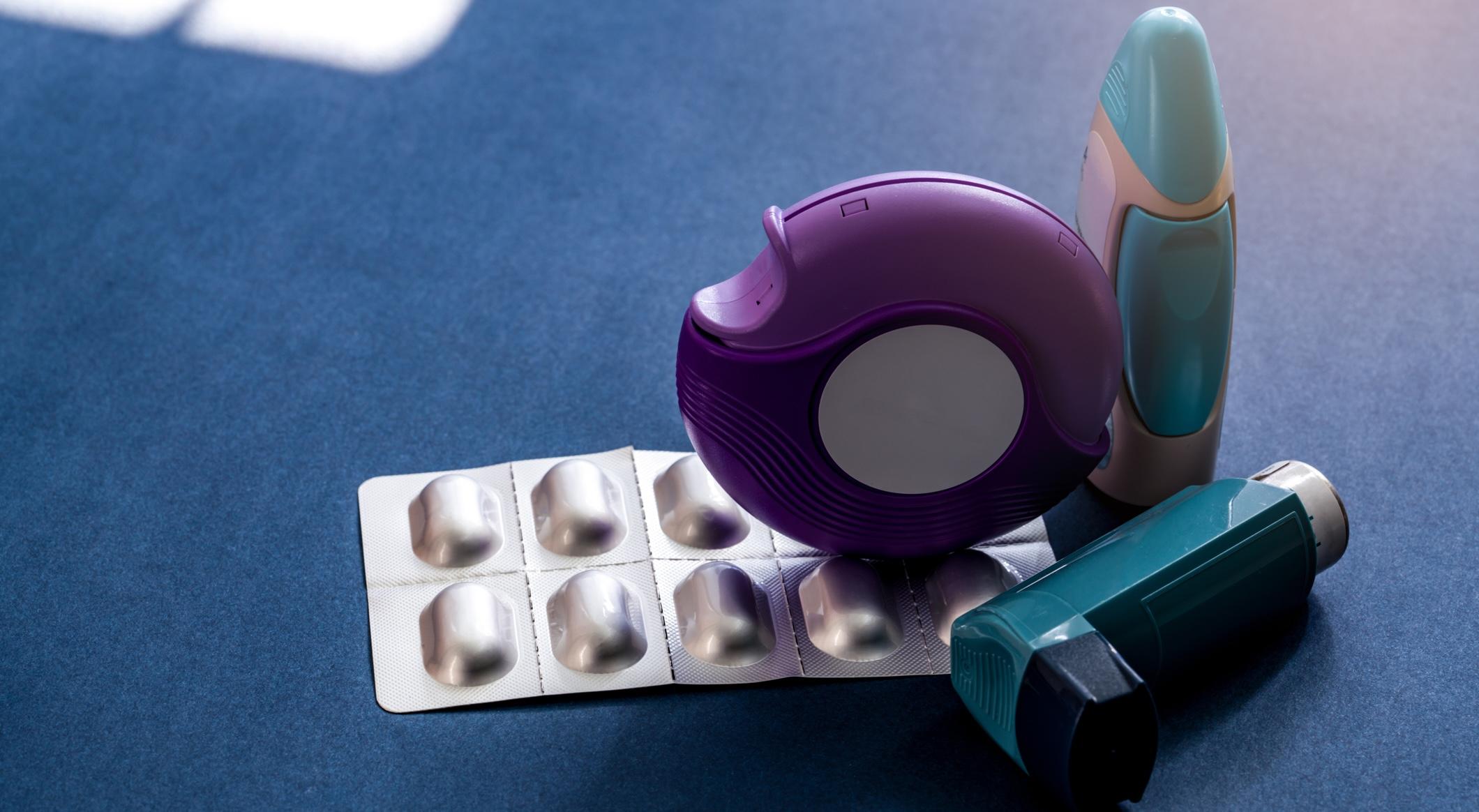
Inhalers provide one of the clearest examples of why sustainable drug delivery is both necessary and complicated. They are widely used drug delivery systems, and their environmental impact has received sustained attention because different inhaler types can have very different carbon footprints. However, the inhaler example also shows the limits of a simple substitution mindset. Environmental factors, including carbon footprints, are increasingly relevant in inhaler choice once medical considerations have been addressed.4 That sequence is critical. Clinical appropriateness comes first.
The environmental differences between inhaler types can be substantial. The reviewed LCA evidence reported DPI examples ranging from 359 gCO₂e per inhaler to 1,250 gCO₂e per inhaler.4 A separate inhaler sustainability review reported an example in which long-acting muscarinic antagonist SMI devices emitted about 4–4.5 kg CO₂e per device, compared with 14.6 kg CO₂e per device for a pMDI, with propellant emissions during use and disposal driving the higher pMDI footprint.5 Product-specific DPI evidence has also shown that repeated assessment over time can identify reductions: one Easyhaler LCA reported an average carbon footprint of 547 gCO₂e and an 11.2% decrease over time across repeated assessments.6
These data support the idea that inhaler sustainability can improve through product-specific choices, but they do not support a blanket conclusion that one device format is always preferable for every patient or therapy. The device must fit the medicine, the disease, the required dose, the patient’s ability to use it correctly, and the clinical context in which it is prescribed. A lower-carbon option that a patient cannot use effectively would not be a sustainable outcome in any meaningful sense, because the purpose of the device is to deliver therapy safely and reliably.
The inhaler case also highlights the importance of looking beyond device weight or visible waste. For pMDIs, propellant-related emissions during use and end of life can dominate the carbon footprint.4,5 For DPIs and SMIs, the environmental drivers may sit elsewhere, including API and manufacturing stages.4 That difference changes where improvement efforts should be focused. For a pMDI, propellant transition and end-of-life handling may carry particular importance. For a DPI, attention may shift more toward formulation, manufacturing, materials, and device architecture.
The inhaler category is a useful model for broader device sustainability because it shows that environmental impact is not always visible to the user. The greatest burden may come from a propellant, a manufacturing stage, a material choice, a supply chain decision, or disposal behavior. It also shows that environmental improvement must be tied to evidence. Without product-specific data, it is difficult to know whether a proposed change will reduce total impact or only improve one visible part of the product.
Regulatory Expectations for Sustainability-Driven Change
Sustainability-driven changes to drug delivery systems still need to satisfy the same basic principle that governs other product changes: the product must continue to perform as intended. When a change affects the formulation, device construction, delivery characteristics, or patient interaction, the environmental rationale does not remove the need for evidence. The transition to low global-warming potential (LGWP) propellants in oral pMDIs illustrates this point.
The European Medicines Agency (EMA) has issued a question-and-answer document addressing data requirements for replacing hydrofluorocarbon (HFC) propellants in oral pMDIs with LGWP propellants.7 The scope covers oral pMDIs intended to deliver active substance into the lungs for diseases affecting the lungs and airways, including asthma and chronic obstructive pulmonary disease. The document treats propellant replacement as a significant product change rather than a simple environmental substitution.
That regulatory perspective reflects the role of the propellant in the product. Replacing a pMDI propellant is considered a major change to the finished product formulation that may affect inhaler construction and requires data confirming adequate product performance.8 The EMA document identifies potential data needs related to toxicity, local tolerance, aerodynamic particle size distribution, emitted cloud properties, and possible clinical implications for local and systemic exposure. These requirements reinforce a broader point for sustainable device development: changes made for environmental reasons can still affect quality, performance, and clinical use.
For developers, this has practical implications. A lower-impact material, propellant, component, or device format cannot be evaluated only against environmental criteria. It must be assessed for compatibility with the formulation, manufacturing process, dose delivery, stability, human factors, and regulatory strategy. The more integral the device is to the delivery of the drug, the more careful that assessment must be.
This does not mean sustainability changes are discouraged. It means they need to be developed with the same discipline as other product changes. In many cases, the most efficient path will be to consider sustainability early enough that evidence generation, device selection, manufacturing development, and regulatory planning can proceed together. When sustainability is introduced late, companies may face a more difficult question: whether the environmental improvement is significant enough to justify the additional development work, comparability evidence, or regulatory submission burden that may be required.
Injectable Devices and the Next Wave of Sustainability Pressure
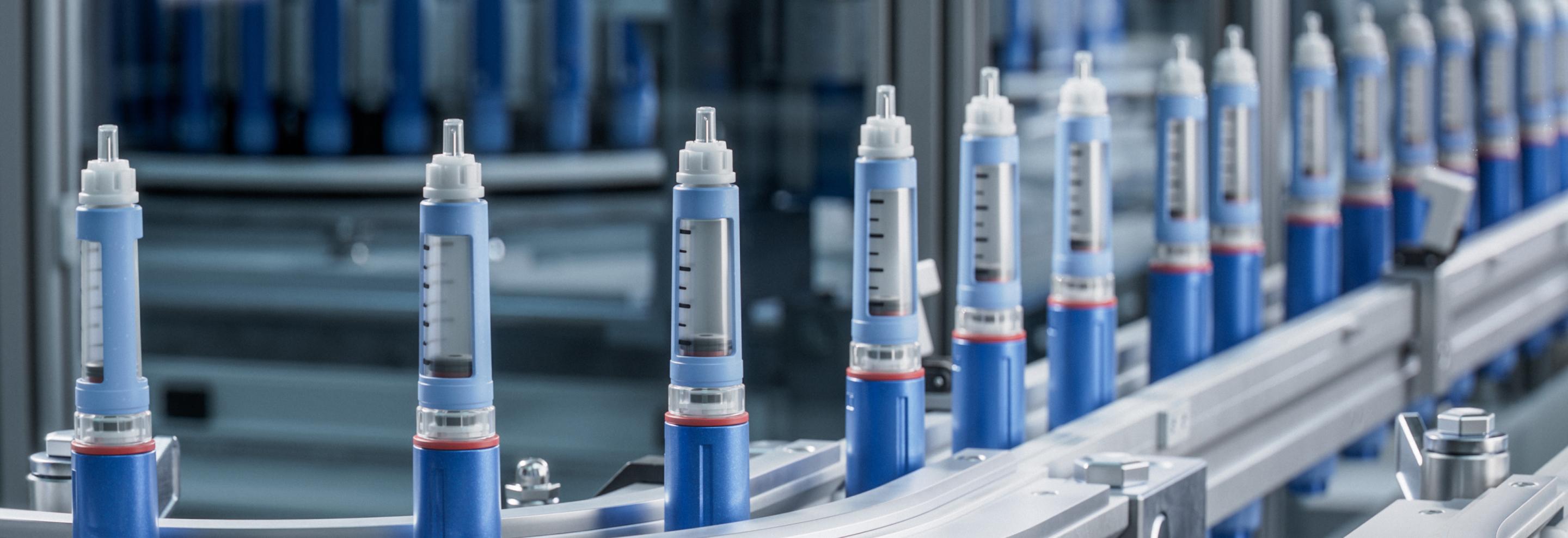
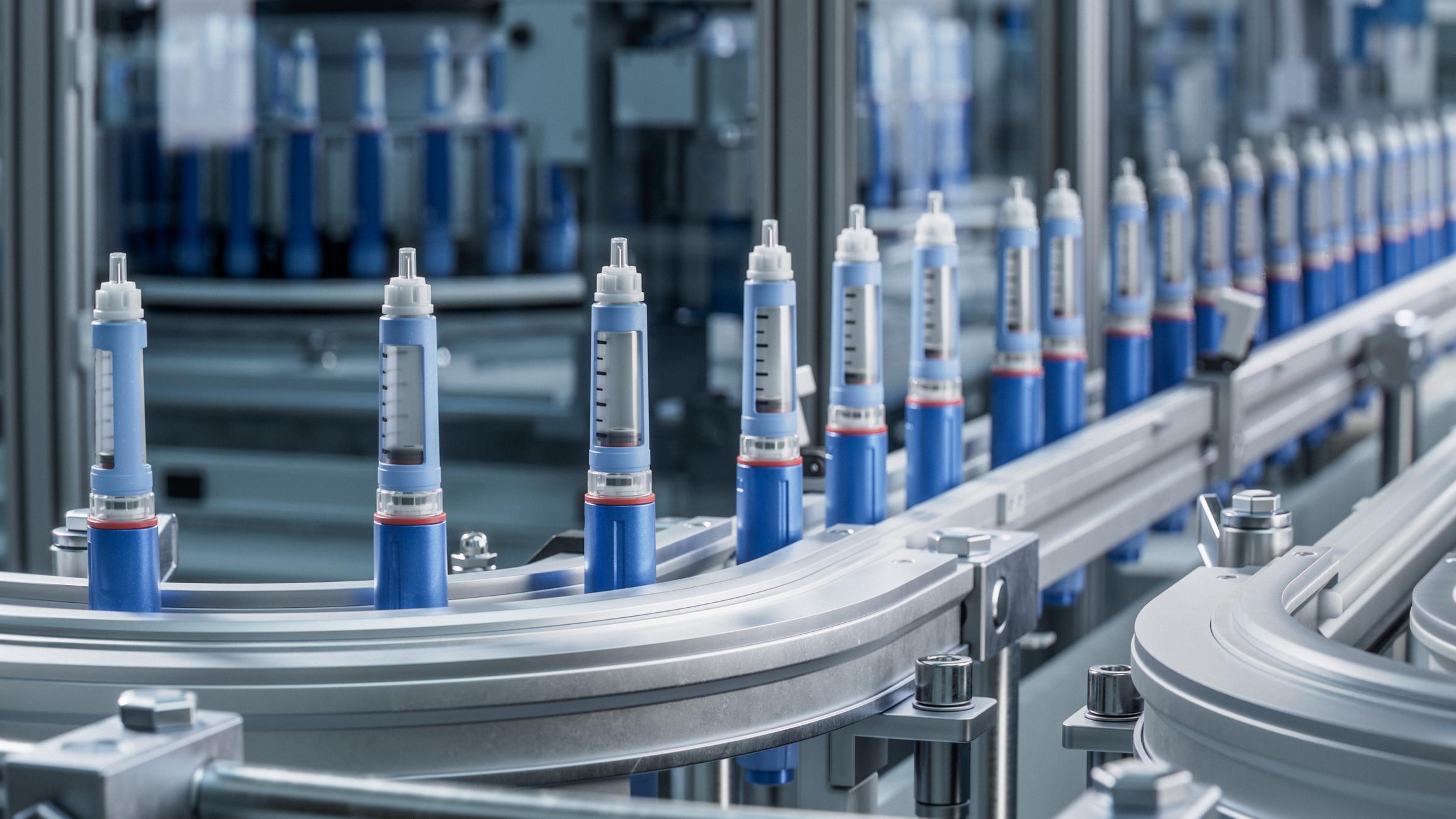
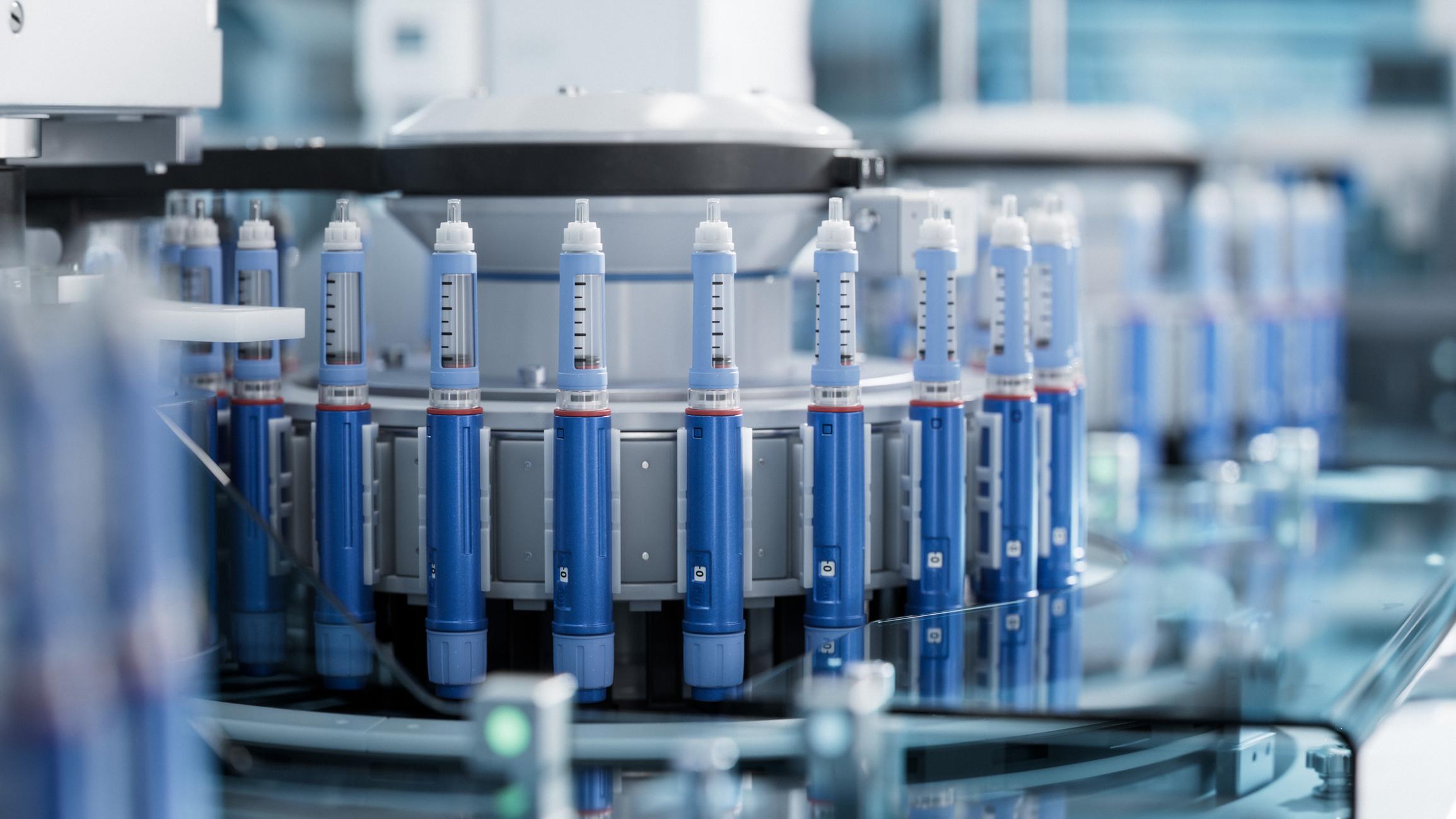
Injectable drug delivery devices present a different but equally important sustainability challenge. Prefilled syringes, autoinjectors, pens, multi-chamber systems, and reusable devices can improve convenience and support care outside traditional clinical settings, but they also involve materials, sterile packaging, sharps disposal, and, in some cases, mechanical or electronic components. For injectable devices, waste management, carbon footprint, recyclability, life cycle management, safety, and economic considerations are central to the sustainability discussion.3
Unlike inhalers, where pMDI propellants create a particularly visible carbon issue, injectables often raise a broader set of life cycle questions. What materials are used in the device? How much packaging is required to preserve sterility and product integrity? Can any components be reused, recycled, or recovered? Does a reusable system create new burdens through added components or more complex manufacturing? Does the device remain intuitive and acceptable for patients who may need to self-administer treatment?
A systematic review of sustainable injectable drug delivery devices identified 2,384 unique articles, with 24 studies meeting the inclusion criteria.3 That number suggests that interest exists, but the evidence base remains selective relative to the breadth of products and use cases in the market. The same review identified the lack of clear sustainability standards and guidance from health systems and governments as a barrier. For developers, this creates uncertainty around how to prioritize design trade-offs and how to compare environmental claims across different device types.
Reusable systems are often discussed as one possible route to lower environmental impact, but they also demonstrate why product-specific assessment is necessary. A reusable device may reduce the number of full devices discarded, but its total environmental profile depends on materials, durability, number of uses, replaceable components, manufacturing, distribution, cleaning or handling requirements, and end-of-life recovery. A reusable system also has to preserve patient confidence and ease of use over time. If it introduces confusion, maintenance burden, or reliability concerns, the sustainability rationale may be weakened by practical usability risks.
Prefilled syringes and autoinjectors raise another set of questions. They may support convenient and consistent dosing, but they can also increase the amount of device and packaging material associated with each administration. Changes intended to reduce that burden must account for the safety and sterility expectations of injectable products. A smaller package, different material, or altered device architecture has to protect the product, support handling, and avoid introducing new risks.
The injectable-device sector needs more than a general commitment to waste reduction — it needs sustainability assessment that is specific to device type, therapy, patient population, distribution model, and end-of-life pathway. Until standards become clearer, companies will need to build their own evidence base carefully and avoid claims that exceed what their data can support.
Designing for Sustainability Without Shifting Risk to Patients
A sustainable drug delivery device should make the preferred behavior easy for the patient. If a lower-impact design requires additional steps, special disposal behavior, component separation, charging, cleaning, or return logistics, those requirements must be evaluated as part of the product experience. The device may perform well in principle but fail in practice if patients or caregivers cannot use it consistently.
This is especially important because drug delivery devices are often used outside controlled clinical environments. Patients may use them at home, while traveling, during acute symptoms, or with limited training. A sustainability feature that adds cognitive burden can create new usability concerns. A device that is harder to grip, activate, clean, store, or dispose of may reduce confidence or increase the risk of error. For sustainability to succeed in real-world use, it must be integrated into the design in a way that supports, rather than complicates, the treatment routine.
The principle that patient safety remains the priority is central to industry recommendations for reducing environmental impact across the life cycle of drug delivery devices.2 In inhaler selection, environmental considerations are gaining importance once medical considerations have been addressed.4 These two points should guide sustainability strategy across device categories. Environmental improvement is meaningful only when the device remains appropriate for the patient and therapy.
For development teams, this means usability and sustainability cannot be treated as separate activities. A recyclable or reusable design may require changes to shape, labeling, part count, assembly, tactile feedback, or disposal instructions. Each of those changes can influence user behavior. If a device includes a return or recovery model, developers need to consider whether patients will understand and follow it. If a system relies on reuse, the device must remain reliable and understandable across repeated use.
This patient-centered view also affects how companies communicate sustainability. Environmental claims can be appealing, but patients and healthcare providers may reasonably prioritize safety, effectiveness, and ease of use. The strongest sustainability messages will therefore be those supported by evidence that the device performs as expected and does not ask users to manage unnecessary complexity. In practice, that means device developers should design sustainability features to be as invisible as possible to the patient unless user action is essential.
Manufacturing, Materials, and the Practical Limits of Device Redesign
Sustainability goals often begin with materials, but material substitution is rarely simple in drug delivery. A component material may influence mechanical performance, compatibility, manufacturability, assembly, labeling, transportation, shelf life, disposal, and regulatory documentation. In combination products, material or component changes may also affect the relationship between the drug formulation and the delivery system. These considerations make sustainability a cross-functional issue involving device engineering, formulation, manufacturing, quality, regulatory affairs, supply chain, and human factors.
The need for a value-chain approach reflects these interdependencies. BioPhorum identifies design optimization, material selection, reuse, recycling, life cycle analysis data, standardization, transparency, and data sharing as important elements in reducing environmental impact.1 Those elements are connected. A material that appears favorable in isolation may not be the best choice if it reduces manufacturing yield, complicates assembly, weakens device performance, or lacks a viable recovery route. Conversely, a design that reduces part count or simplifies assembly may support both sustainability and manufacturability if it can be validated without compromising use.
Manufacturing considerations are especially important because some environmental impacts may be generated before the device ever reaches a patient. The inhaler evidence shows that DPI and SMI carbon footprints can be driven more by API and manufacturing stages than by use or end of life.4 That finding should caution developers against focusing only on visible waste. A device may look environmentally efficient at the point of use while carrying a larger upstream burden.
Packaging is another area where sustainability and product requirements must be balanced carefully. Drug delivery devices may require packaging that protects sterility, mechanical integrity, labeling, and usability. Reducing packaging can be valuable, but only if product protection and safe use are preserved. Packaging also interacts with distribution and end-of-life strategy. A package that uses less material but is harder to recycle, less protective, or less compatible with existing logistics may not deliver the expected benefit.
For manufacturers and development partners, the practical question is how early these considerations can be evaluated. Waiting until a device is otherwise locked may leave only marginal sustainability options. Considering environmental performance alongside manufacturability, human factors, and regulatory requirements can create more room for meaningful design choices. That does not guarantee a lower-impact device, but it improves the chances that sustainability decisions will be technically and commercially realistic.
The Role of CDMOs and Device Partners
Contract development and manufacturing organizations (CDMOs), device partners, and suppliers can play an important role in making sustainable drug delivery practical. Many sponsors, especially smaller or emerging companies, may not have deep in-house expertise across device engineering, materials, manufacturing, packaging, human factors, life cycle assessment, and regulatory strategy. A development partner that sees multiple programs and platforms can help identify sustainability opportunities earlier and test whether they are feasible.
The value-chain nature of the problem makes collaboration essential. Industry recommendations call for stakeholder collaboration and a total-value-chain approach to measuring environmental impact.2 The call to action on drug delivery devices also emphasizes that current models miss opportunities across design, production, distribution, and end-of-life processing.1 Development partners sit at several of those intersections. They may not control every decision, but they can help sponsors understand how early design choices affect manufacturing, assembly, packaging, validation, and life cycle options.
For CDMOs, sustainability can become part of development strategy rather than a separate service offering. During device selection, they can help sponsors ask whether the selected format supports the intended patient population, formulation, dose, manufacturing scale, and life cycle goals. During process development, they can evaluate waste, yield, material use, packaging configuration, and supply chain implications. During life cycle management, they can support changes that reduce environmental impact while maintaining product performance and regulatory compliance.
Device partners may also help generate more comparable data. The lack of clear sustainability standards and guidance remains a barrier for injectable delivery devices.3 In that environment, companies need careful, transparent evidence to support claims. Partners that can produce or interpret LCA data, document assumptions, and connect environmental findings to design decisions will be better positioned to help sponsors avoid unsupported or overly broad claims.
The most useful development partner will not simply recommend the lowest-impact material or smallest device. It will help determine whether a sustainability option is compatible with the product’s clinical use, regulatory pathway, manufacturing process, and patient needs. That role is particularly important when environmental improvements require changes to an established device, formulation, packaging configuration, or supply chain.
Evidence-Based Sustainability as a Development Discipline
The path forward for sustainable drug delivery devices will depend on evidence, not intention. Companies will need to show that a design reduces environmental impact, explain where in the life cycle the reduction occurs, and demonstrate that performance, safety, usability, and product quality are preserved. That standard is demanding, but it is consistent with how pharmaceutical products are already developed and controlled.
Inhalers show how product-specific LCA can reveal meaningful differences between device types and life cycle stages.4 The EMA’s LGWP propellant guidance shows that even environmentally motivated changes may require detailed evidence to support product performance and safety.7,8 Injectable-device literature shows that sustainability interest is increasing, while clearer standards and guidance are still needed.3 Industry recommendations emphasize life cycle thinking, value-chain collaboration, and patient safety.2
These points lead to a practical conclusion for drug delivery developers: sustainability should be built into early decision-making, not added as a late-stage adjustment. The strongest strategies will start with product-specific questions. What are the main environmental drivers for this device and therapy? Which life cycle stage matters most? What design options could reduce impact? What evidence would be needed to support the change? How would the patient experience be affected? Can the manufacturing process, supply chain, and end-of-life pathway support the intended benefit?
Answering those questions requires a broader definition of device performance. A successful drug delivery device must still deliver therapy accurately and reliably, but future expectations will increasingly include whether it does so with avoidable waste and environmental burden reduced. The companies that make progress will be those that treat sustainability as part of integrated product development: connected to formulation, device engineering, manufacturing, human factors, regulatory strategy, and life cycle management from the beginning.
Conclusion
Sustainable drug delivery devices will not be defined by a single material, platform, or disposal model. They will be defined by evidence that lower-impact choices preserve what matters most: safe, effective, reliable, and patient-appropriate therapy delivery. That is why sustainability in this field requires more than visible waste reduction. It requires life cycle assessment, regulatory discipline, usability focus, manufacturing realism, and collaboration across the value chain.
The opportunity is significant. Better design can reduce environmental burden, and more consistent evidence can help sponsors, manufacturers, healthcare systems, and patients understand which changes matter. But the core responsibility remains unchanged. A drug delivery device exists to support treatment. The most durable sustainability strategies will be those that reduce waste and environmental impact without asking patients, providers, or regulators to accept compromise in usability, safety, or therapeutic performance.
References
1. “Reducing the environmental impact of drug delivery devices – a call to action.” BioPhorum. 6 Sep. 2024.
2. “Sustainability for drug delivery devices: Recommendations for industry along the value chain.” BioPhorum. 28 Jul. 2024.
3. Borrelli, Eric P, et al. “Sustainability in Injectable Drug Delivery Devices: A Systematic Literature Review of Environmental, Economic, and Public Health Impacts.” Environmental Health Insights. 20: 11786302261416998 (2026).
4. Fulford, Brett, et al. “Carbon Footprints and Life Cycle Assessments of Inhalers: A Review of Published Evidence.” Sustainability. 14: 7106 (2022).
5. Onasanya, Adeola A, et al. “Inhaler Sustainability in Asthma and COPD Care: A Systematic Review.” BMJ Open. 15: e098052 (2025).
6. Inget, Matleena, et al. “Cradle-to-Grave Emission Reduction for Easyhaler Dry Powder Inhaler Product Portfolio.” Pulmonary Therapy. 9: 527–533 (2023).
7. “Questions and answers on data requirements when transitioning to low global warming potential (LGWP) propellants in oral pressurised metered dose inhalers.” European Medicines Agency. 5 Apr. 2023; last updated 3 Oct. 2024.
8. “Questions and answers on data requirements when transitioning to low global warming potential (LGWP) propellants in oral pressurised metered dose inhalers.” European Medicines Agency. 5 Apr. 2023.