By transforming a screening initiative into a predictive process-design platform, Recipharm Advanced Bio is redefining how RNA vaccines and therapeutics are manufactured. Its refined T7 polymerase library now guides construct-specific enzyme selection that lowers dsRNA impurities, cuts capping reagent costs, and streamlines GMP implementation — advancing the next generation of scalable, data-driven RNA production.
From Proof of Concept to Platform: Building the T7 Polymerase Library
The success of messenger RNA (mRNA) vaccines during the COVID-19 pandemic demonstrated the power of RNA as a therapeutic modality, inspiring development of a new generation of self-amplifying RNA (saRNA), circular RNA (circRNA), and therapeutic mRNA constructs for applications in gene editing, cancer immunotherapy, and protein replacement. Yet as these modalities expand, manufacturing them at scale remains challenging. In vitro transcription (IVT) — the pivotal step in which a DNA template is converted into RNA — is central to the process, but its performance depends heavily on the T7 RNA polymerase that catalyzes the reaction. Variability in enzyme behavior contributes to three persistent issues: inconsistent yield, formation of double-stranded RNA (dsRNA) impurities, and the high cost of capping reagents needed to produce translationally competent transcripts.
Recognizing that these challenges could not be solved through downstream optimization alone, Recipharm Advanced Bio pursued an upstream strategy focused on understanding and improving the enzyme itself. The company initiated a systematic effort to characterize and compare the growing array of T7 RNA polymerase variants on the market, establishing a comprehensive screening library to empirically map enzyme performance across different RNA constructs. The aim was to conduct the foundational analysis before process development: to anticipate variability and design around it rather than troubleshoot it later. This mindset reframed the enzyme as an engineering parameter that could be tuned for performance, purity, and cost.
The initial phase of the program involved assembling a broad panel of approximately 21 T7 polymerases, including both wild-type and engineered variants sourced from multiple suppliers. At the time, commercial availability was uneven, and few variants were produced at scales suitable for good manufacturing practice (GMP) work, but the diversity of options offered a unique opportunity to uncover meaningful differences in transcription efficiency, capping compatibility, and dsRNA generation. Each enzyme was evaluated under standardized IVT conditions using representative RNA templates of varying lengths and structural complexity.
From these early screens, clear trends emerged. Some polymerases consistently delivered high yields but also generated more impurities, while others produced cleaner transcripts at the cost of lower productivity. The data confirmed what had been theorized but rarely quantified: no single T7 enzyme performs optimally for every construct. Over successive rounds of screening, the library was refined to a focused subset of 13–14 polymerases that demonstrated reproducible, scalable behavior under industrially relevant conditions.
To manage the growing data set, our team implemented a construct-driven screening workflow (Figure 1). Each polymerase was tested against multiple RNA templates in a high-throughput 96-well format, allowing scientists to correlate enzyme performance with sequence motifs and untranslated region (UTR) architecture. This iterative process enabled rapid identification of the most compatible enzyme for each construct, improving process predictability and reducing the need for downstream intervention. The result was a decision-support tool that allows Recipharm Advanced Bio’s teams — and our clients — to select the best enzyme for each project based on empirical data rather than assumption.
Today, the T7 library has evolved from a research exercise into a practical foundation for RNA process design. It represents a shift from reactive process troubleshooting to proactive, data-guided optimization, a shift that has since driven measurable advances in purity, cost-efficiency, and scalability across Recipharm Advanced Bio’s RNA programs.
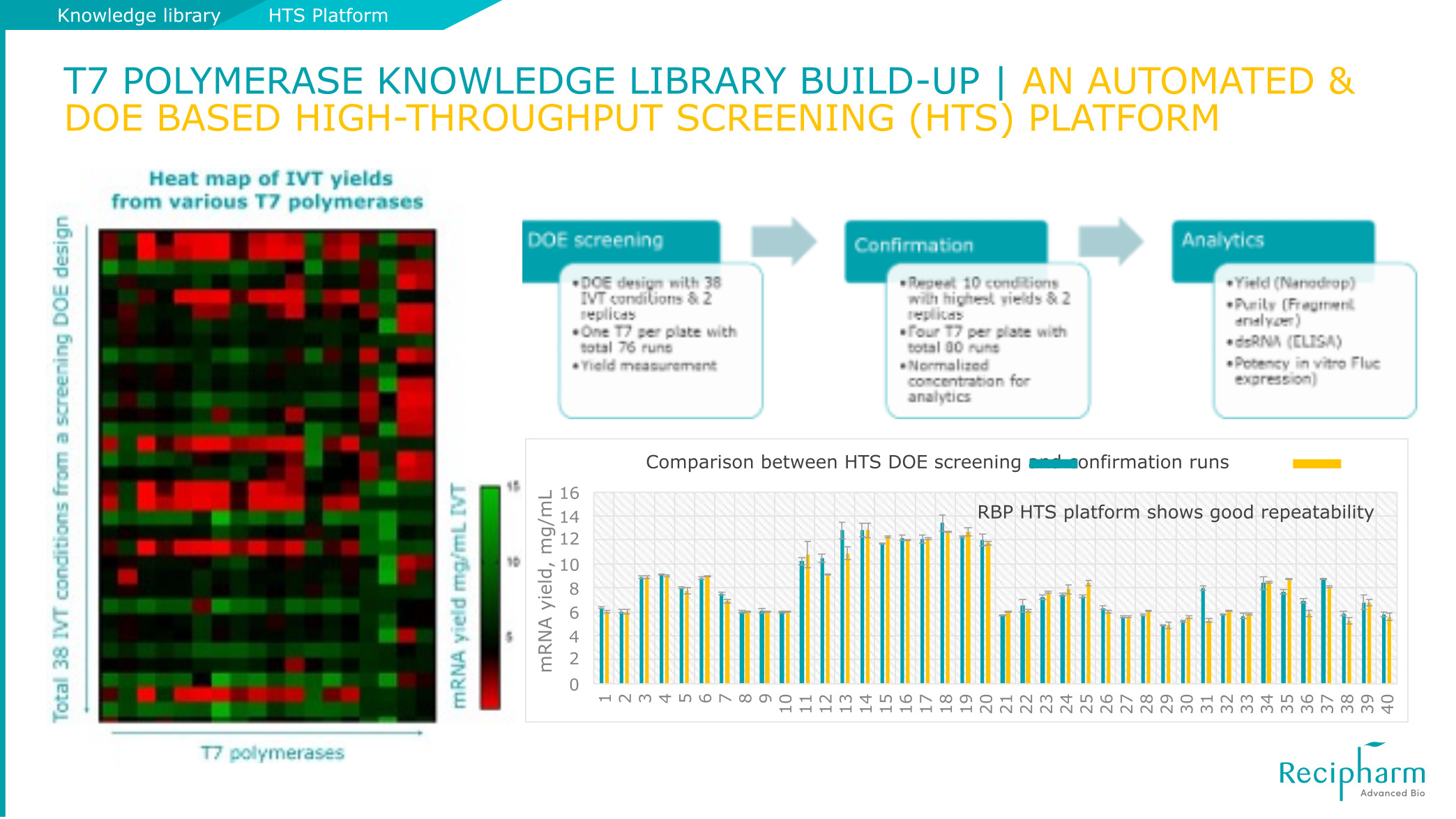 Figure 1: Updated T7 Polymerase Library — Screening and Selection Workflow.
Reducing Double-Stranded RNA: Cleaner Transcripts Through Enzyme Choice
In RNA manufacturing, success is measured not only by yield but also by purity. One of the most persistent challenges in IVT is the generation of double-stranded RNA (dsRNA), a by-product that can provoke immune activation, reduce translation efficiency, and complicate downstream purification. For therapeutic messenger RNA (mRNA) and gene-editing applications, even trace levels of dsRNA can trigger an unwanted innate immune response, leading to dose-limiting inflammation or inconsistent pharmacological activity. As regulatory expectations for RNA product purity become increasingly stringent, manufacturers are being pushed to find cleaner, more robust solutions.
Traditionally, the industry has addressed the dsRNA problem through a combination of process and purification strategies. These include optimizing IVT parameters and applying selective chromatographic polishing to remove the duplex impurities. While effective to varying degrees, each of these interventions adds cost, time, and process complexity — challenges that become magnified as programs move from clinical to commercial scale.
By systematically comparing the behavior of different T7 RNA polymerase variants, our team discovered that dsRNA formation is strongly influenced by enzyme characteristics, such as promoter affinity and elongation dynamics. Through iterative screening within our T7 library, we identified a subset of polymerases capable of dramatically reducing dsRNA generation without requiring any modifications to the IVT reaction setup or downstream purification process.
In one representative case, substitution of the wild-type enzyme with an optimized T7 variant reduced dsRNA content by roughly 100-fold (from approximately 0.1% to as little as 0.001%). Such an improvement not only minimizes the immunogenic risk of RNA therapeutics but also simplifies purification and enhances lot-to-lot reproducibility. To quantify these differences with confidence, we developed and validated a specialized assay sensitive enough to detect dsRNA at these very low abundance levels, providing the analytical rigor needed to support regulatory expectations and client assurance.
The implications of this finding extend far beyond the enzyme bench. By achieving cleaner transcripts through enzyme selection alone, Recipharm Advanced Bio enables clients to design more streamlined, cost-effective manufacturing workflows with fewer downstream interventions. This approach aligns with the company’s broader philosophy: that innovation in RNA manufacturing should prioritize both simplicity and control.
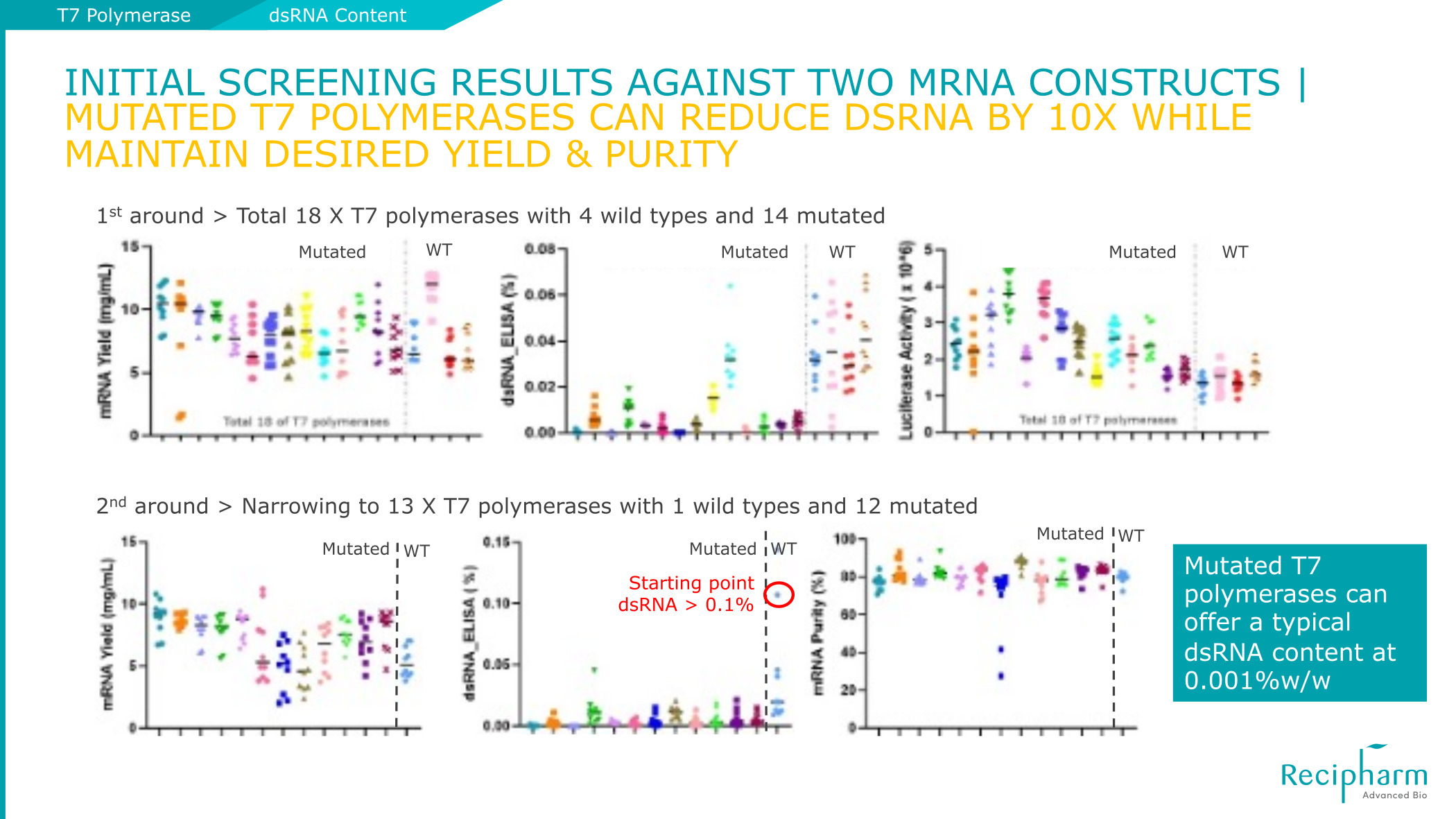 Figure 2: Comparative dsRNA Profiles for Wild-Type vs. Engineered T7 Variants (log-scale).
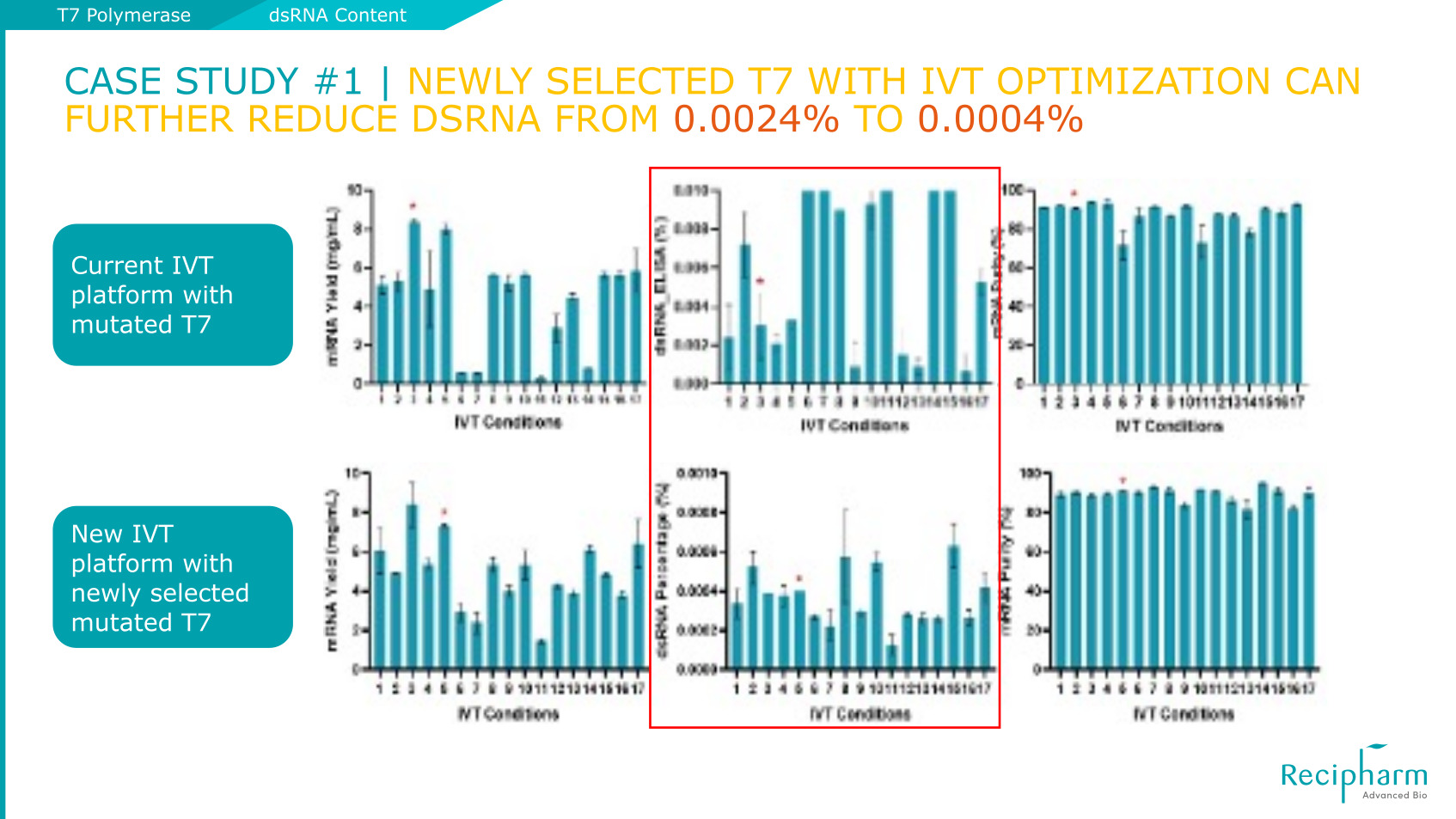
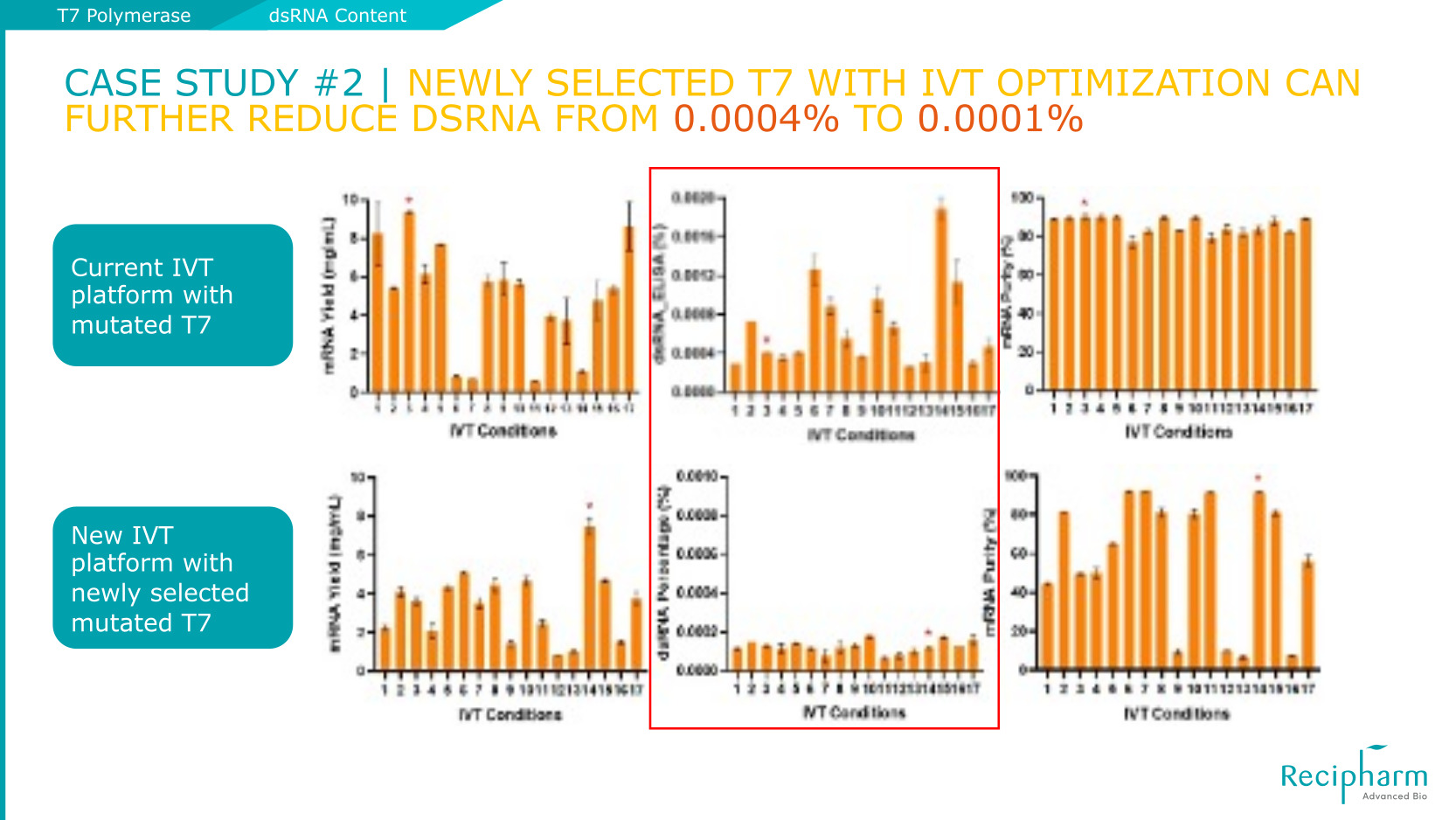 Figure 3. Case studies demonstrating the impact of T7 polymerase selection on double-stranded RNA (dsRNA) formation across multiple IVT conditions. For two independent mRNA constructs, replacing the previously used mutated T7 with a newly selected variant resulted in further reductions in dsRNA levels (from ~0.0024% to ~0.0004% and from ~0.0004% to ~0.0001%) while maintaining comparable mRNA yield and purity. Data shown across representative IVT conditions for each construct.
Beyond the initial demonstration that enzyme choice alone can lower dsRNA levels, two recent case studies further underscore the magnitude and consistency of the effect. In the first program, replacing the previously used mutated T7 with a newly selected variant reduced dsRNA from approximately 0.0024% to 0.0004% across a wide range of IVT conditions — representing roughly a six-fold improvement — while maintaining comparable mRNA yield and purity. A second construct showed an even stronger response: dsRNA levels fell from about 0.0004% to 0.0001% simply by swapping the polymerase, again without altering the upstream template or downstream purification strategy. In both cases, the reduction was consistent across multiple process parameters, indicating that the benefit is intrinsic to the enzyme rather than dependent on narrow operating windows. These findings reinforce that polymerase selection is one of the most direct and scalable levers for achieving ultra-low dsRNA targets, particularly as specifications trend toward the 0.0001% range in gene-editing and other sensitive applications.
Addressing the Cost Equation: Capping Efficiency and Economic Impact
Even as the field of RNA manufacturing matures, the economics of production remain a critical constraint. Beyond the challenges of yield and purity, one of the most significant cost drivers in large-scale IVT is the 5′ capping reagent. The cap analog, essential for stabilizing RNA transcripts and ensuring efficient translation in vivo, is a complex and expensive molecule. At production scales of 10 liters or more, the reagent alone can account for millions of dollars in consumable costs, often representing a substantial share of the total materials budget for a manufacturing run.
Recipharm Advanced Bio approached this challenge with the same philosophy that guided the T7 screening work: rather than modifying the downstream process or accepting high reagent consumption as unavoidable, the team asked whether the enzyme itself could hold the key to greater efficiency. We identified a variant with a transcription profile that suggested improved capping compatibility and designed a systematic study to evaluate whether capping efficiency could be maintained at significantly lower cap analog concentrations.
Three mRNA constructs of different lengths — approximately 2 kilobases (kb), 4 kb, and 6 kb — were transcribed using the T7 variant under controlled IVT conditions (Figure 4). The team varied the concentration of the cap analog across several orders of magnitude to determine the point at which performance would begin to decline. Remarkably, the optimized enzyme maintained consistent capping efficiency even as the cap analog concentration was reduced from the conventional range of 8–10 mM to just 0.5 mM. This represents roughly a 16-fold reduction in reagent use without compromising transcript integrity or translational readiness.
The implications of that result are significant. For a typical 100-liter IVT batch, the cost of capping reagents alone can approach multiple millions of dollars. Achieving a 10-fold to 16-fold reduction in cap analog requirements could save several million dollars per run, potentially transforming the commercial viability of RNA-based therapeutics, particularly as programs scale toward late-stage clinical and market production.
Mechanistically, the improved efficiency appears to reflect a productive interplay between enzyme configuration and mRNA sequence design. We observed that performance varied somewhat by construct length and the architecture of the untranslated region (UTR), suggesting that the interaction between the polymerase and template influences how effectively the cap analog is incorporated during transcription initiation. In one case, a longer (6 kb) construct initially produced suboptimal results, but performance was restored — and even improved — after a UTR modification. These findings point to a new frontier in IVT optimization, where enzyme selection and sequence engineering can be co-optimized to achieve both technical and economic gains.
Ultimately, this study demonstrates how a strategic focus on enzyme behavior can yield outsized financial benefits. By treating the polymerase not as a commodity reagent but as a controllable variable, Recipharm Advanced Bio has shown that process innovation can directly translate into commercial scalability. The ability to maintain capping efficiency at dramatically reduced reagent loads strengthens the overall cost structure of RNA manufacturing, making advanced modalities more accessible to developers and, eventually, to patients.
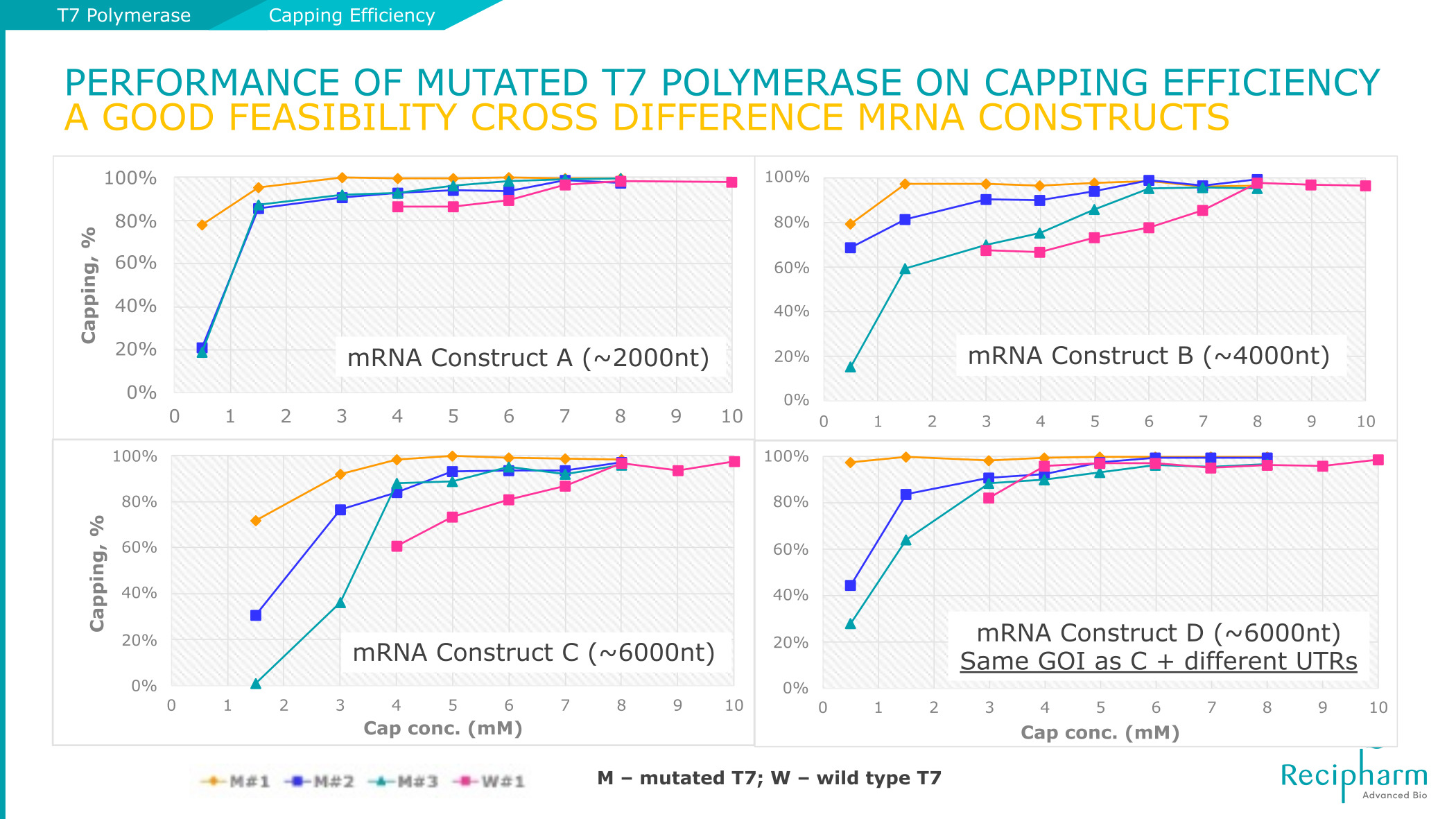 Figure 4: Capping Efficiency vs. Cap Analog Concentration for Three Construct Lengths.
From Research Tool to GMP Implementation
The journey from laboratory discovery to good manufacturing practice (GMP) application is where promising ideas are tested against the realities of scale, regulation, and risk. For Recipharm Advanced Bio, the T7 RNA polymerase library began as a research tool for understanding and improving enzyme behavior in vitro. Today, it has evolved into a practical asset within the company’s commercial operations. One of the optimized T7 variants identified through the screening program has now been implemented in a GMP manufacturing process, marking an important milestone in translating enzyme innovation into real-world production.
That transition was made possible in part by changes in the broader market landscape. When Recipharm Advanced Bio first began evaluating engineered T7 polymerases, supply was inconsistent and manufacturing at GMP grade was limited. Cost differentials between standard and modified variants were significant, often discouraging adoption even when performance benefits were clear. In the last two years, however, suppliers have scaled up production and improved pricing parity, narrowing the gap between conventional and enhanced enzymes. This shift has made it increasingly feasible for contract development and manufacturing organizations (CDMOs) and their clients to adopt optimized variants without incurring prohibitive costs or supply chain risk.
At the same time, client attitudes have evolved. Early-stage biotechnology companies, typically focused on demonstrating proof of concept, tend to be receptive to new approaches if the supporting data are strong. For these innovators, a modest investment in a higher-performing enzyme can pay dividends in yield, quality, and downstream simplification. Larger pharmaceutical companies, by contrast, typically take a more cautious stance, preferring to work within established regulatory precedents. Yet even in this group, perspectives are shifting. As specifications for dsRNA impurities have tightened — some clients now requiring thresholds as low as 0.001 percent — the limitations of wild-type polymerases have become more apparent.
Our messaging to clients emphasizes the holistic value of improved enzyme performance. The marginal cost difference between polymerases is outweighed by savings in downstream processing, risk mitigation, and quality assurance. By adopting a more advanced T7 variant, developers can achieve cleaner product profiles and greater regulatory confidence without fundamentally altering the manufacturing process. This pragmatic balance between innovation and reliability has allowed Recipharm Advanced Bio to bring its research insights into GMP reality, bridging the gap between experimental optimization and routine production.
Extending the Screening Philosophy: Beyond T7
The systematic approach that Recipharm Advanced Bio applied to T7 polymerase screening has become a model for how the company approaches process optimization more broadly. Rather than treating the IVT workflow as a fixed sequence of steps, we view it as an integrated system in which every component — template, enzyme, reagent, and reaction condition — can be empirically interrogated and refined. The success of the T7 initiative demonstrated the power of data-driven experimentation to reveal hidden dependencies within that system, leading to measurable improvements in both performance and cost.
Recipharm Advanced Bio is now extending its data-driven screening philosophy beyond polymerases to other key inputs in the IVT process, including DNA template strategies and capping technologies. Both are recognized as important determinants of RNA performance, but neither has been systematically evaluated across constructs and conditions. The team has begun generating the foundational data needed to understand their impact on yield, purity, and scalability, with results to be shared as the work progresses. As with the T7 program, the objective is to enable informed, evidence-based choices that enhance process control and support the evolving needs of RNA developers.
These experiences reinforced a key lesson from the T7 program: the most meaningful opportunities for improvement lie not in incremental reagent substitutions but in the intelligent engineering of the core biocatalyst. Enzyme optimization influences multiple aspects of the IVT process simultaneously (yield, purity, and cost) without requiring disruptive changes to materials or workflows. As Recipharm Advanced Bio continues to refine its manufacturing platform, this philosophy of empirical screening and holistic process design remains central to its strategy for advancing RNA therapeutics efficiently and sustainably.
Outlook: Toward Smarter, Scalable, and Affordable RNA Therapeutics
Recipharm Advanced Bio’s systematic work on T7 RNA polymerases has shown that even small, well-targeted process innovations can produce transformative results. By focusing on enzyme behavior rather than adding layers of process complexity, the company has achieved measurable gains in purity, yield, and cost-efficiency, each directly improving the manufacturability of RNA therapeutics. The insights from this research have turned the T7 library from a screening experiment into a functional toolbox: a curated set of enzyme solutions that can be adapted to virtually any construct type, giving developers a faster and more confident path from design to drug substance.
As the RNA sector moves into a new phase marked by later-stage clinical programs, regulatory scrutiny, and commercial-scale manufacturing, enzyme engineering will become an increasingly important lever of success. The ability to fine-tune reactions at the molecular level — to minimize impurities, optimize resource use, and ensure consistent performance — will separate scalable production platforms from experimental ones. Recipharm Advanced Bio’s approach, combining empirical screening with digital data integration and cross-functional collaboration, provides a blueprint for how the industry can achieve that balance.
Ultimately, the company’s work reflects a broader vision: that the next evolution in xRNA manufacturing will be driven not by size or speed alone, but by intelligence — processes designed to think ahead, anticipate challenges, and continuously improve. By uniting scientific rigor with practical scalability, Recipharm Advanced Bio is helping transform RNA therapeutics from an extraordinary innovation into a sustainable, accessible class of medicines for the long term.