The global center of gravity in biotech innovation is shifting, and China has become the most consequential new force reshaping the landscape. Once known primarily for generics and biosimilars, China now leads in AI-enabled discovery, oncology innovation, cell and gene therapy, and rapid small-molecule development, supported by massive government investment, returning scientific talent, and a uniquely dense R&D infrastructure. Chinese companies are expanding aggressively into Southeast Asia, Europe, Latin America, and even U.S. clinical trial networks, accelerating their global footprint despite rising geopolitical scrutiny. At the same time, U.S. policymakers are increasingly concerned about supply-chain dependence, data security, and the erosion of longstanding American leadership. China’s ascent creates both competitive pressure and new opportunities for partnership, signaling a future in which global biotech innovation is multipolar rather than U.S.-centric.
A Global Power Shift in Biotech
The global biotechnology landscape is undergoing its most consequential transformation since the rise of the U.S. biotech sector in the 1980s. Innovation — once overwhelmingly concentrated within U.S. companies, research universities, and regulatory systems — is now dispersing across borders, with China emerging as the most significant new center of gravity. Analysts increasingly point to a rapid, measurable redistribution of scientific capacity, investment, and commercial momentum, marking a turning point in how and where breakthrough therapeutics are discovered and developed. What was once a peripheral ecosystem oriented around generics, biosimilars, and contract manufacturing has evolved into a sophisticated innovation engine capable of producing de novo drug candidates, advanced modalities, and artificial intelligence (AI)-enabled discovery platforms
This accelerated rise is attracting heightened geopolitical and policy attention. U.S. lawmakers and federal agencies have responded to China’s expanding capabilities with a mix of concern and strategic caution, including export controls, restrictions on research collaborations, and proposed legislation to limit the federal government’s engagement with select Chinese biotech firms. These actions reflect not only national security considerations but also a broader anxiety about the erosion of longstanding U.S. dominance in life sciences innovation, a pillar of economic competitiveness and global leadership.
China’s ascent is therefore more than a regional success story; it represents a fundamental shift in the structure of the global biopharmaceutical industry. The implications are profound. Greater competition may accelerate scientific progress, diversify global pipelines, and create new opportunities for partnership. At the same time, differences in regulatory systems, political tensions, and market structures introduce uncertainty that could reshape supply chains, investment patterns, and commercialization strategies. The rise of China as a biotech power thus presents both promise and friction, signaling a new era in which the future of global life sciences innovation will be shaped by multiple centers of excellence rather than a single dominant nation.
How China Went from Copycat to Competitor
China’s current position as a rising biotech innovator is the result of a layered evolution that unfolded over two decades. The earliest phase was driven not by breakthrough science but by scale, infrastructure, and cost advantages. Supported by coordinated government policies, favorable industrial zoning, and a rapidly expanding manufacturing workforce, China became a global hub for generics, biosimilars, and contract manufacturing during the 2000s and early 2010s. This foundation enabled domestic firms to build technical proficiency in biologics production, quality systems, and regulatory compliance, skills that would later underpin the shift toward innovation.1
The inflection point arrived in the mid-2010s through the early 2020s, catalyzed by a series of regulatory and market reforms that reshaped the industry’s trajectory. The introduction of the Marketing Authorization Holder (MAH) system, reforms aimed at expediting clinical trial reviews, and greater alignment with international regulatory standards created a more predictable pathway for companies seeking to develop novel therapeutics.1 At the same time, a surge in venture capital flowed into the sector, fueled in part by expanded biotech listing rules in Hong Kong and Shanghai and the enthusiasm of global investors seeking exposure to a rapidly modernizing market. This period also saw significant “reverse migration” as U.S.-trained scientists, executives, and entrepreneurs returned to China, drawn by abundant capital, faster decision cycles, and government incentives for innovation-led enterprises.2
These transitions laid the groundwork for China’s current innovation-first era. The country’s biotech pipeline now includes a growing number of first-in-class and best-in-class candidates, with particular momentum in oncology, cell and gene therapy, synthetic biology, and AI-native drug discovery.3,4 Chinese companies are increasingly building proprietary platforms rather than licensing Western technology, and the volume of patents filed in key biotech subfields now surpasses that of the United States in several categories, an indicator of both scientific ambition and rapidly expanding technical capacity.5 Together, these developments illustrate how China has progressed from a producer of follow-on products to a formidable competitor in cutting-edge biopharmaceutical innovation.
The Catalysts Behind China’s Acceleration
China’s rapid ascent in biotechnology is not the product of a single factor but rather a convergence of structural, economic, and scientific forces that have compounded over time. Together, these forces have created an operating environment unusually conducive to fast-cycle innovation and large-scale industrial growth.
A central driver has been sustained government investment paired with deliberate industrial policy. Through mechanisms embedded in the 14th Five-Year Plan and reinforced by regional development agendas, China has built extensive funding pipelines that support everything from basic research to late-stage clinical development.5,6 Municipal biotech clusters in Shanghai, Suzhou, Shenzhen, and Guangzhou offer subsidies, tax incentives, and access to state-backed venture capital, creating a dense ecosystem where academic institutions, biotech startups, and manufacturing facilities co-locate. This level of coordinated public investment — spanning infrastructure, talent, and financing — has no direct equivalent in the United States or Europe.
Talent has been equally pivotal. Over the past decade, a steady flow of U.S.-trained Ph.Ds., postdocs, and biotechnology executives has returned to China, many of them educated or employed at leading American institutions. These returnees often cite China’s speed of decision-making, generous funding environment, and regulatory openness to emerging modalities as compelling advantages compared to more conservative Western systems.2 Their presence has helped accelerate the maturation of China’s scientific culture, bridging global best practices with domestic R&D ambitions.
China’s physical infrastructure has also been uniquely enabling. Biotech-focused zones in the Yangtze River Delta, the Greater Bay Area, and the Beijing–Tianjin corridor house an unmatched density of R&D centers, GMP manufacturing facilities, contract research organizations (CROs), AI research institutes, and logistics hubs. This clustering enables rapid iteration, close collaboration across disciplines, and efficient movement from concept to prototype to clinical trial.1 Few other regions globally offer this scale of integrated biopharmaceutical infrastructure.
Regulation — historically a bottleneck — has transformed into a catalyst. Reforms by the National Medical Products Administration (NMPA) have streamlined clinical trial authorization, accelerated review timelines, and increased transparency in regulatory decision-making. These changes have dramatically shortened development cycles and encouraged companies to pursue more ambitious programs, knowing that approval pathways are clearer and more predictable.3
Finally, China was unusually early in recognizing the potential of AI-driven drug discovery. A generation of startups has emerged with “AI-first” business models, building proprietary machine learning architectures, structural biology engines, and generative design platforms that integrate directly into pharmaceutical pipelines. These AI-native companies benefit from close collaboration with traditional pharma companies and from an abundant pool of AI talent shaped by China’s broader technology sector. Breakthroughs such as DeepSeek highlight how advanced computational approaches are accelerating discovery timelines and drawing global attention to China’s leadership in algorithmic innovation.4,7
Together, these catalysts — policy, talent, infrastructure, regulatory modernization, and AI leadership — explain not only the speed but also the depth of China’s biotech acceleration. They form a reinforcing system that continues to attract capital, expertise, and international collaboration, positioning China as a central force in the future of global biopharmaceutical innovation.
The Areas Where China Now Leads (or Is Rapidly Catching Up)
China’s biotechnology explosion is most visible in the domains where it has either overtaken global peers or is approaching parity at remarkable speed. These strengths reflect the country’s combined advantages in computational science, engineering capacity, regulatory agility, and sheer scale, factors that together support accelerated innovation cycles.
In AI-enabled drug discovery, China has emerged as a global leader. The country now produces the highest volume of scientific publications in AI drug discovery, underscoring both the technical depth and the rapid expansion of its computational biology ecosystem.4 Breakthroughs, such as DeepSeek, which garnered international attention for its ability to generate high-quality biological insights at unprecedented speed and cost, highlight how China’s AI-first biotechs are scaling capability faster than many Western competitors.7 These platforms sit at the intersection of machine learning, structural biology, and high-throughput experimentation, areas where China’s technology sector, cloud infrastructure, and data-processing capacity create systemic advantages.
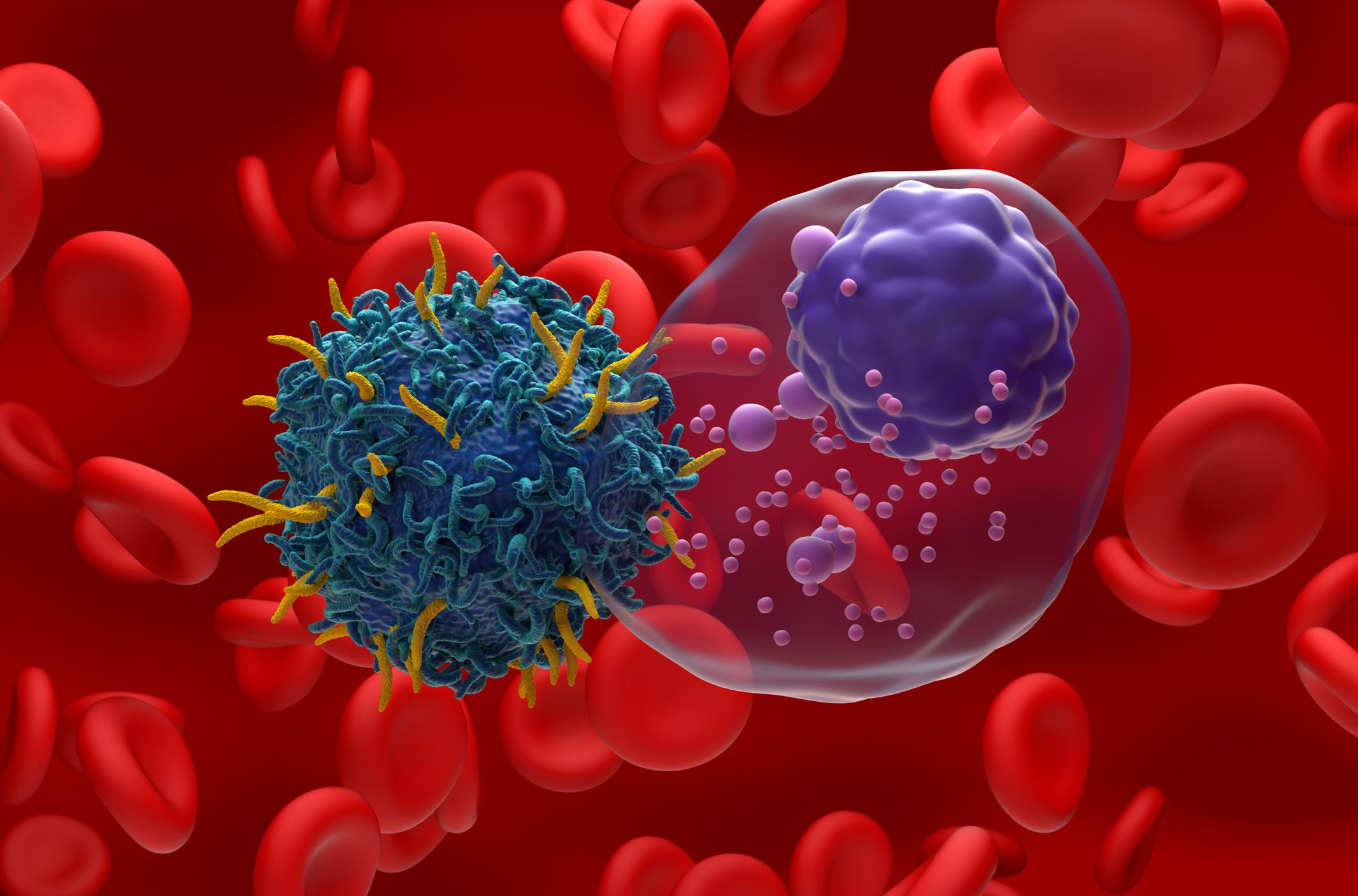
China is also advancing rapidly in cell and gene therapy (CGT). The country now maintains one of the world’s largest pipelines of chimeric antigen receptor (CAR) T cell products, gene-edited therapies, and regenerative medicine candidates. Domestic manufacturing infrastructure for viral vectors, plasmids, and cell-processing systems has expanded significantly, allowing Chinese biotechs to support large-scale CGT development at competitive costs.8 This breadth of activity positions China to play an increasingly prominent role in the next wave of global advanced therapy innovation.
Oncology remains another major strength. Chinese companies are developing novel targeted therapies, immuno-oncology agents, and precision medicine platforms that increasingly rival the portfolios of mid-sized U.S. biotechs. A growing number of first-in-class or best-in-class oncology candidates originate from Chinese pipelines, reflecting both the depth of domestic clinical expertise and the speed with which companies iterate on new targets and modalities.3,9 As large multinationals seek to replenish their own oncology pipelines, China’s rising output is becoming an important source of external innovation.
Even in small molecule drug development — a domain long dominated by the United States and Europe — Chinese companies are distinguishing themselves through exceptional operational speed. Many domestic firms are recognized for their ultra-fast medicinal chemistry cycles, supported by dense clusters of CROs, automated synthesis platforms, and integrated preclinical testing environments.10 This ability to compress early-stage discovery timelines strengthens China’s competitiveness in both internal R&D and global partnerships.
Finally, China’s clinical development capabilities now extend well beyond domestic needs. The country accounts for an increasing share of global phase I and II trials, supported by large patient populations, experienced investigators, and clinical networks capable of enrolling studies at scale.11,12 These capabilities not only accelerate domestic drug development but also attract foreign companies seeking efficient early-stage trial execution. As Chinese firms increasingly pursue multinational pivotal trials, their global ambitions — and global credibility — continue to grow.
Global Expansion: How Chinese Biotechs Are Going Outward
China’s biotech sector is no longer oriented primarily toward domestic markets or inward-focused development. Having established strong scientific and manufacturing capabilities at home, Chinese biotechs are now executing increasingly sophisticated global expansion strategies, integrating themselves into multinational clinical, commercial, and financial ecosystems. These outward-facing efforts reflect both ambition and necessity: with domestic competition intensifying and pricing pressures rising, global markets offer scale, revenue diversification, and pathways to scientific credibility.
A major pillar of this outward expansion is China’s growing presence in Southeast Asia. Chinese biotechs are rapidly deepening their activities across ASEAN countries, where regulatory environments are more flexible and patient populations are diverse. Companies are establishing clinical trial sites, forming manufacturing partnerships, and even setting up regional commercial operations to build early footholds in markets that are geographically proximate and economically dynamic.13 This pivot also helps Chinese firms mitigate geopolitical risk by expanding into regions less affected by U.S.–China tensions.
China’s reach also extends into Europe and Latin America, where cross-border licensing and co-development strategies have accelerated. Rather than relying solely on exports of finished products, Chinese companies are increasingly striking deals to co-develop novel therapeutics, share platform technologies, and pursue parallel regulatory filings. These partnerships reflect a maturation of capabilities: foreign firms now increasingly see Chinese companies not only as cost-efficient collaborators but also as valuable sources of competitive science, especially in oncology, AI-enabled discovery, and cell therapy.14
Despite shifting political dynamics, Chinese biotechs remain active participants in the U.S. clinical research landscape. A significant share of early-stage U.S. clinical trials now involve Chinese-origin drugs or Chinese sponsors, illustrating the continued scientific and commercial incentive to test products in the world’s most influential regulatory and clinical market.11,15 Even with rising scrutiny, these trials provide essential validation for global commercialization, and many Chinese companies view U.S. data as a prerequisite for building international legitimacy.
Capital market strategy is another facet of this global posture. Chinese biotechs routinely pursue dual listings across the Hong Kong Stock Exchange (HKEX), Nasdaq, and China’s STAR Market, enabling them to diversify capital sources and attract both domestic and international investors. This structure provides access to deeper liquidity pools and allows companies to retain strategic autonomy while benefiting from global investor confidence.2 The flexibility of multiple listing venues also helps mitigate volatility arising from regulatory shifts in any single jurisdiction.
Together, these global expansion pathways signal a fundamental shift: China’s biotechs are not merely scaling domestically but embedding themselves into the global life sciences economy. Their increasingly international footprint underscores the sector’s ambitions and foreshadows a future in which Chinese innovation plays an even more influential role in global drug development.
U.S. Concerns and Political Backlash
China’s rapid ascent in biotechnology has not gone unnoticed in Washington. As Chinese firms expand their scientific capabilities, global clinical footprints, and commercial ambitions, U.S. policymakers have grown increasingly uneasy about the strategic implications. The result is a policy environment defined by escalating scrutiny, legislative proposals, and geopolitical framing that positions biotechnology as a domain of national competition rather than purely scientific progress.
A central theme in the U.S. response is national security. Proposed legislation would restrict federal agencies from contracting with certain Chinese biotechs, particularly companies viewed as closely aligned with state interests or operating in genomics, sequencing, and data-intensive life sciences sectors.16 These measures reflect concerns that commercial partnerships could create dependencies in critical medical supply chains or expose sensitive health data to foreign entities. The fact that biotech — in contrast to semiconductors or telecommunications — was once considered an apolitical sector underscores how dramatically the U.S. risk calculus has shifted.
This anxiety is heightened by fears of losing innovation leadership. Analysts increasingly warn that China could surpass the United States in key biotechnology categories by the early 2030s, particularly in AI-enabled drug discovery, oncology, and advanced modalities such as gene editing and cell therapy.17,18 The possibility that China could become a global standard-setter for next-generation therapeutics raises strategic questions about long-term competitiveness, intellectual property frameworks, and the future orientation of the U.S. life sciences workforce.
Data security and genomics represent additional flashpoints. U.S. policymakers and security agencies have raised alarms about China’s dominance in genomic sequencing, large-scale data processing, and associated biotechnology infrastructure.15 Concerns center on the potential misuse of genetic data, vulnerabilities in cloud-based platforms, and the implications of allowing foreign entities to handle sensitive biospecimens. These issues have led to heightened scrutiny of Chinese sequencing firms and intensified debate about how to safeguard biomedical data without impeding global research collaboration.
Finally, the expanding role of Chinese sponsors in U.S. clinical trials has become a topic of increasing political concern. As Chinese-origin drugs and Chinese biotechs participate in a rising share of U.S.-based early-stage trials, some lawmakers question whether this trend creates risks for intellectual property, data integrity, or long-term strategic dependence.11 While these collaborations have historically been viewed as mutually beneficial, linking global science to the world’s most sophisticated regulatory ecosystem, the geopolitical environment is reframing them through a national security lens.
Collectively, these concerns illustrate how China’s biotechnology rise is reshaping U.S. policy thinking. What might once have been interpreted simply as global scientific progress is now entangled with questions of economic rivalry, strategic independence, and technological sovereignty.
The U.S.–China Innovation Interdependence Paradox
Despite the intensifying geopolitical rhetoric, the relationship between the United States and Chinese biotech sectors remains defined as much by mutual dependence as by rivalry. The scientific reality is far more intertwined than the political narratives suggest, creating a paradox in which collaboration and competition unfold simultaneously across the global life sciences ecosystem.
Many Chinese biotechs continue to rely heavily on U.S. regulatory expertise, CROs, and clinical networks as they advance innovative therapies toward global approval. For companies aiming to commercialize in the United States or Europe, early engagement with experienced U.S.-based CROs and regulatory consultants remains essential, providing guidance on trial design, compliance expectations, and quality standards that are still most deeply rooted in Western regulatory frameworks.2,14 This dependence extends to scientific validation as well: conducting trials in the United States or working with Western clinical investigators remains a powerful signal of credibility for global investors and partners.
At the same time, U.S. pharmaceutical companies depend on China’s scale, speed, and cost efficiency. China’s manufacturing infrastructure for active pharmaceutical ingredients (APIs), biologics, and advanced modalities allows U.S. firms to access capabilities that would be far more expensive or slower to build domestically. Medicinal chemistry, process development, and pilot manufacturing are routinely outsourced to Chinese partners that offer deep technical expertise supported by dense industrial clusters.1 These efficiencies are woven into U.S. drug development timelines and supply chains, even as policymakers express concern about reliance on foreign production.
The result is an unusual form of interdependence: the two most significant biotech ecosystems in the world are simultaneously strategic competitors and indispensable collaborators. U.S. regulations, clinical excellence, and capital markets remain foundational to China’s global ambitions, while China’s manufacturing capacity, discovery engines, and growing innovation pipelines increasingly support U.S. scientific and commercial objectives. This duality complicates efforts to decouple the sectors, suggesting that even as geopolitical tensions rise, the scientific and economic logic driving cross-border cooperation will remain difficult to unwind.
In practice, the U.S.–China biotechnology relationship functions less like a zero-sum contest and more like a tightly coupled system shaped by shared incentives, complementary strengths, and parallel strategic objectives. Understanding this paradox is essential to interpreting how global biotech will evolve in the decade ahead and why neither country can fully chart its course without the other.
Market Implications for Global Biopharma
China’s biotech acceleration is not only reshaping its domestic industry; it is altering competitive dynamics, pricing expectations, and partnership strategies across the global biopharmaceutical sector. As Chinese companies develop innovative assets at lower cost and faster speed, multinational firms must reassess long-standing assumptions about where scientific leadership originates and how global pipelines will be constructed in the years ahead.
One of the most immediate implications is mounting pricing pressure. China’s ability to advance high-quality programs at significantly lower cost — owing to integrated R&D clusters, competitive labor markets, and streamlined early development — creates downward pressure on global pricing expectations.12 If Chinese-origin therapies enter Western markets at more competitive price points, they could shift payer and policymaker expectations around what constitutes reasonable pricing for innovative drugs. In parallel, faster discovery and development cycles shorten the period during which any one therapy can command premium pricing before competitors emerge.
A second major consequence is the rise of cross-border deals and outlicensing. The number of Western pharmaceutical companies licensing China-origin assets has grown sharply, particularly in oncology, immunology, and precision medicine.6,15 These partnerships reflect a recognition that China’s pipelines now contain differentiated, commercially viable assets, not merely follow-on products. Big Pharma is also increasingly partnering with Chinese companies in AI-driven drug discovery and CGT, tapping into uniquely fast or technically advanced platforms that augment internal capabilities.8 As these relationships proliferate, global pipelines may become more dependent on Chinese-origin science, altering the flow of innovation across continents.
A third implication is the acceleration of advanced modalities worldwide. Chinese companies have demonstrated exceptional speed in fields such as CAR-T, engineered cell therapies, gene editing, and immuno-oncology. Their rapid preclinical and clinical iteration cycles put pressure on global competitors to compress their own development timelines to avoid falling behind.3 As a result, companies in the United States, Europe, and elsewhere may need to adopt more agile development models leveraging automation, AI, and more integrated discovery-to-manufacturing workflows to remain competitive.
Challenges Facing China’s Biotech Sector
For all its momentum, China’s biotechnology sector faces meaningful structural and geopolitical challenges that complicate its path to sustained global leadership. These constraints do not diminish the country’s impressive progress, but they do reveal pressure points that could slow expansion or limit the ability of Chinese biotechs to convert domestic innovation into durable global success.
One persistent challenge is dependence on external CROs and contract development and manufacturing organizations (CDMOs) for specialized capabilities. Despite China’s deep manufacturing base, certain modalities, especially complex biologics requiring highly specialized analytics, regulatory-grade assay development, or GMP infrastructure tailored to U.S. and EU standards, still rely heavily on Western partners.14 For Chinese companies advancing innovative therapies intended for multinational approval, collaboration with U.S. and European service providers remains essential. This reliance introduces bottlenecks, increases costs, and limits the degree to which China can operate as a fully self-sufficient innovation ecosystem.
Regulatory and pricing pressures at home also pose significant hurdles. China’s volume-based procurement (VBP) policy has successfully reduced drug prices for patients but has also compressed margins for both innovators and manufacturers.1 These pricing pressures can reduce incentives for long-term R&D investment, particularly in therapeutic areas where returns depend on premium pricing or extended market exclusivity. Moreover, while the National Medical Products Administration (NMPA) has made substantial strides in aligning with international standards, regulatory unpredictability remains a concern for companies planning global development strategies.
Geopolitical risk is another structural constraint. Rising U.S. scrutiny, ranging from proposed restrictions on federal partnerships with Chinese biotechs to broader biotechnology export controls, could impede China’s integration with Western clinical research infrastructures.16 Such policies threaten access to U.S. clinical networks, specialized technologies, and the data-rich environments that many Chinese companies consider essential for global validation. Even the perception of geopolitical risk can deter cross-border investment and complicate regulatory planning.
Finally, Chinese companies face real difficulty commercializing globally. Breaking into regulated markets like the United States and Europe requires not only strong science but also deep regulatory experience, robust intellectual property strategies, established commercial networks, and reputational trust, areas where Chinese biotechs, despite significant progress, still lag behind their Western peers.2 Issues such as data integrity, clinical trial transparency, and IP enforcement can pose barriers to acceptance by foreign regulators and partners. As a result, many innovative Chinese therapies continue to be out-licensed rather than commercialized directly abroad, limiting the global visibility and market leverage of Chinese biopharma.
Together, these challenges illustrate that China’s biotech rise, while dramatic, is not frictionless. The sector’s long-term trajectory will depend on its ability to reduce reliance on foreign infrastructure, navigate domestic economic and regulatory pressures, adapt to geopolitical constraints, and build global trust while sustaining the scientific momentum that has fueled its ascent.
Open Questions
Despite China’s accelerating influence in global biotechnology, several unresolved questions will shape how its role evolves over the next decade. A central uncertainty is whether U.S. restrictions, which could range from procurement bans to potential limits on clinical collaboration, will meaningfully constrain China’s ability to operate in Western markets. Much will depend on how aggressively these policies are implemented and whether other regions follow suit. At the same time, China faces its own economic headwinds, raising the question of whether its pace of innovation can be sustained as capital becomes more selective and domestic pricing pressures intensify.
Another open issue is the commercial viability of Chinese-origin first-in-class drugs in highly regulated markets, such as the United States and Europe. While pipelines are increasingly differentiated, global commercialization requires regulatory fluency, strong IP positioning, and credibility with clinicians and payers, capabilities that many Chinese companies are still developing. How successfully these companies bridge that gap will determine whether their breakthroughs become global blockbusters or remain regionally concentrated.
Finally, Big Pharma’s response remains a powerful variable. Some multinationals may deepen partnerships with Chinese biotechs to access cutting-edge science, others may view the sector as a competitive threat, and still others may pursue acquisitions to secure assets or capabilities. The balance among these strategies will influence not only China’s trajectory but also the broader structure of global biopharma.
Conclusion — The Future Is Multipolar
The global biotechnology landscape has entered a fundamentally new phase in which innovation is no longer anchored predominantly in the United States but is distributed across multiple, fast-growing centers of excellence. China’s rise represents the most significant rebalancing of biotech power since the emergence of the U.S. biotech sector in the 1980s, reshaping expectations about where breakthrough science originates and how rapidly new modalities can advance. Although geopolitical tensions complicate collaboration and amplify concerns about technological sovereignty, the underlying scientific momentum driving China’s ascent is unmistakable.
What remains uncertain is the shape of the global system that will emerge from this transition. The next decade will reveal whether biotechnology evolves toward a competitive, collaborative, or fragmented landscape and whether the United States can adapt quickly enough to operate effectively within a multipolar innovation environment. Whatever path emerges, China’s position as a central force in global biotech is now firmly established, ensuring that the future of life sciences will be defined by a far wider constellation of scientific and industrial actors than ever before.
References
1. van der Akker, Roel. “China’s rise as a biotech innovation hub: 4 key strategic questions for U.S. biopharma executives.” PricewaterhouseCoopers. 8 May 2025.
2. Armstrong, Annalee. “Deep Dive: Chinese Biotech Innovation Can’t Be Stopped.” BioSpace. 27 Oct. 2025.
3. Oldach, Laurel. “Why Chinese biotech is attracting more global attention." Chemical & Engineering News. 4 Dec. 2024.
4. Liang, Leslie. “China’s AI drug discovery companies land huge deals with Big Pharma.” Rest of World. 6 Aug 2025.
5. Barbosu, Sandra. “How Innovative Is China in Biotechnology?” Information Technology & Innovation Foundation. 30 Jul. 2024.
6. Olcott. Eleanor. “The relentless rise of China’s biotechs.” Financial Times. 26 Oct. 2025.
7. “Chinese biotech is having a ‘DeepSeek moment.’” ThinkChina. 20 Jun. 2025.
8. Ng, Eric and Julie Zhang. “China’s biotech renaissance: rising drug-creation prowess attracts global notice.” South China Morning Post. 4 Oct. 2025.
9. “The Innovation Boom in China Biotech.” Morgan Stanley. 10 Sep. 2025.
10. Ben-Achour, Sabri. “China’s pharma star is rising.” Marketplace. 27 Jun. 2025.
11. Bettelheim, Adriel and Maya Goldman. “China’s biotech boom leaves U.S. playing catch-up.” Axios. 28 May 2025.
12. Cheng, Evelyn. “It’s not just AI — China’s gaining an edge over the U.S. in biotech." CNBC. 5 Jun. 2025.
13. Gong, Xue. “Biopharmaceuticals Rising: China’s Strategic Pivot to Southeast Asia Amid Great Power Tech Competition.” Carnegie Endowment for International Peace.” 23 Jan. 2025.
14. Gordon, Trent. “Exploring the US–China Biotech Boom.” Back Bay Life Science Advisors. 20 Jan. 2025.
15. Fidler, Ben. “’The bar has risen’: China’s biotech gains push US companies to adapt." Biopharma Dive. 16 Jan. 2025.
16. Service, Robert F. “Congress close to passing law that would freeze out certain Chinese biotechs.” Science. 27 Oct. 2025.
17. Tully, Emily Clise. “China is poised to dominate biotechnology in the 21st century." The Hill. 9 Mar. 2025.
18. Dreyer, Jacob. “China’s Biotech is Cheaper and Faster.” New York Times. 17 Aug. 2025.