Key Takeaways
Oral delivery of biologics is limited by fundamental gastrointestinal barriers, including enzymatic degradation and extremely low intestinal permeability.
Decades of research have produced partial successes, but most strategies improve stability or protection without achieving reliable systemic absorption.
Receptor-mediated transport and nanoparticle systems demonstrate promise in controlled settings but remain narrowly applicable and difficult to generalize.
Device-based approaches, such as microneedle and convective-force capsules, achieve higher bioavailability by mechanically bypassing biology, effectively turning oral dosing into internal injection.
The success of oral GLP-1 therapies reflects molecule-specific conditions and should not be interpreted as a broad breakthrough for oral biologic delivery.
Introduction: A Problem That Refuses to Yield
For decades, oral delivery has been the preferred route of administration for most medicines, offering convenience, adherence, and scalability that injectable therapies struggle to match. However, for biologics — large, structurally complex molecules, such as peptides, proteins, and antibodies — this preference has collided with a stubborn biological reality. The gastrointestinal (GI) tract presents a combination of harsh chemical conditions and formidable physical barriers that severely limit the survival and absorption of these molecules after oral administration. As a result, the promise of oral biologics has remained largely unfulfilled despite sustained and sophisticated research efforts.
The problem is not subtle. Biologics entering the GI tract are exposed to acidic pH, proteolytic enzymes, and a sequence of anatomical barriers designed to prevent the passage of large foreign molecules into systemic circulation. Even when degradation can be mitigated, absorption across the intestinal epithelium remains exceptionally inefficient. Across multiple reviews and experimental contexts, typical oral bioavailability for biologics is reported to be on the order of 1% or less, a level that is rarely compatible with reliable systemic therapy.1,2 This constraint has shaped clinical practice: with few, highly specific exceptions, biologics continue to be administered parenterally, not orally.
Importantly, this persistent rarity should not be mistaken for a lack of innovation. On the contrary, the field has produced a wide range of formulation strategies, carrier systems, and device-based approaches aimed at protecting biologics from degradation, enhancing permeability, or bypassing biological barriers altogether. The enduring challenge of oral biologic delivery reflects a structural mismatch between the properties of these molecules and the physiological function of the GI tract, which evolved to digest proteins rather than absorb them intact. Framed this way, the limited success of oral biologics is less a story of scientific failure than one of biological constraint, a theme that underpins every subsequent attempt to make oral delivery work.
Why the GI Tract Is Such an Effective Gatekeeper
Any serious discussion of oral biologic delivery must begin with the biological role of the GI tract itself. The GI tract is not a passive conduit for drug absorption; it is an active, highly evolved system designed to break down complex macromolecules and limit their entry into systemic circulation. From digestion through absorption, multiple layers of chemical and physical defense operate in concert, making the intact uptake of biologics fundamentally difficult rather than merely technically challenging.
At the chemical level, proteolysis represents the first major obstacle. Biologics entering the stomach and intestine are exposed to acidic conditions and a dense array of digestive enzymes that rapidly cleave proteins and peptides into smaller fragments. This enzyme-driven breakdown, which is essential for normal nutrient processing, is highly effective against therapeutic biologics as well. Even short residence times in the GI lumen can result in substantial loss of structural integrity and biological activity, sharply reducing the amount of intact drug available for absorption.1,3
Beyond chemical degradation, biologics that survive the luminal environment must still pass through a sequence of physical and anatomical barriers. The mucus layer lining the intestinal epithelium acts as a viscoelastic filter that impedes the diffusion of large, hydrophilic macromolecules. Beneath this layer, the intestinal epithelium itself forms a tightly regulated cellular barrier that severely restricts paracellular transport and offers limited transcellular pathways for large proteins. Additional resistance is imposed by the basement membrane and the capillary endothelium, which further restrict movement from the intestinal lumen into systemic circulation. These barriers are not incidental; they are central to the GI tract’s protective function.
Molecular size compounds these challenges. Most biologics are orders of magnitude larger than the small molecules typically absorbed through the intestinal wall. Their high molecular weight and structural complexity translate into extremely poor mucosal permeability, even in the absence of significant enzymatic degradation. As a result, intact biologics have little inherent capacity to cross the intestinal barrier in therapeutically meaningful amounts, a limitation that persists regardless of formulation refinements.1,4
Taken together, these chemical, physical, and molecular constraints explain why oral delivery of biologics fails at a fundamental level. Before any engineering solution is applied, the GI tract has already done what it is designed to do: dismantle proteins and prevent their entry into the body. Understanding this biological reality is essential, because it clarifies why incremental formulation improvements alone have rarely translated into clinical success and why more radical strategies have been pursued in the decades that followed.
A Century of Work, Minimal Clinical Translation
Given the depth of the biological barriers involved, it is perhaps unsurprising that progress in oral biologic delivery has been slow. What is more striking is the length of time the field has been actively engaged with the problem. Research into oral administration of biologics extends back nearly a century, with sustained efforts to translate laboratory concepts into clinically viable therapies. Despite this long history, the practical reality of how biologics are administered in the clinic has changed very little over that period, with parenteral delivery remaining the dominant (and often the only) option.
Over the past several decades, research intensity has increased rather than diminished. The rapid expansion of the biologics market, driven by advances in biotechnology and a growing reliance on complex protein-based therapies, has only heightened interest in oral delivery as a potential way to improve patient experience and reduce healthcare burden. This surge in attention has produced a large and diverse body of experimental work, spanning formulation science, carrier systems, and device-based approaches. However, even with decades of intensive investigation, oral delivery is only beginning to appear feasible in narrowly defined experimental contexts, rather than as a broadly applicable clinical strategy.5
The disconnect between effort and adoption highlights a central tension in the field. Scientific ingenuity has repeatedly generated partial solutions: proofs of concept that demonstrate improved stability, localized absorption, or short-term pharmacokinetic gains. However, these advances have rarely translated into changes in routine clinical practice. The growth of biologics has accelerated research activity, but it has not overcome the fundamental physiological constraints that limit systemic uptake after oral administration.
Oral delivery of biologics has proven to be technically intriguing but clinically stubborn. The persistence of this gap suggests that the challenge is not a lack of creativity or commitment, but rather the cumulative weight of biological barriers that resist incremental progress. Understanding this mismatch between scientific progress and clinical translation is essential for evaluating why subsequent strategies, often more invasive or unconventional, have been pursued in an effort to finally move the field forward.
Incremental Wins That Haven’t Scaled
In response to the formidable biological barriers of the GI tract, much of the early and ongoing work in oral biologic delivery has focused on addressing individual points of failure. These efforts have yielded measurable improvements in specific domains, but they have also revealed why incremental gains have not translated into standard clinical practice.
One of the most established strategies has been to improve stability in the upper GI tract. Enteric coatings and related formulation approaches can shield biologics from acidic gastric conditions, delaying release until the dosage form reaches the more neutral pH of the intestine. This approach can meaningfully reduce acid-mediated degradation and is widely used in small molecule drug delivery. However, while enteric protection may preserve molecular integrity, it does not address the subsequent challenge of crossing the intestinal epithelium. As a result, improved stability alone has not led to reliable systemic absorption of biologics.3
A second line of investigation has aimed to increase the time that biologics spend in contact with absorptive surfaces. Mucoadhesive systems, which rely on polymers that interact with intestinal mucus, can prolong residence time at the epithelial interface and, in some cases, enhance local drug concentration. These approaches have demonstrated promise in experimental settings, particularly for smaller peptides. However, for larger biologics, including many protein therapeutics, increased residence time has not translated into meaningful transport across the epithelial barrier. The fundamental limitation of low permeability remains, even when contact time is extended.1
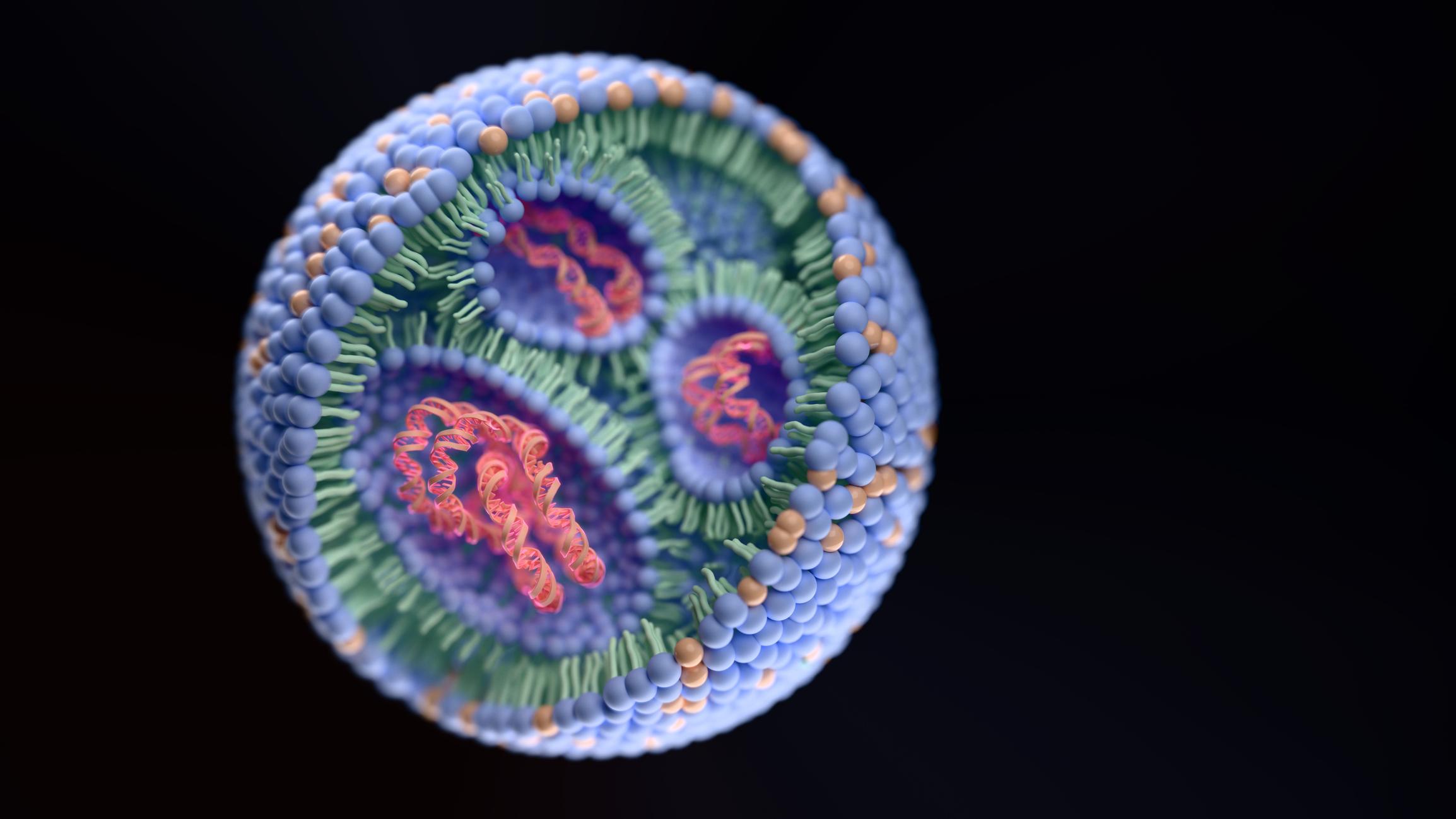
Nanoparticle-based delivery systems represent another widely explored strategy. By encapsulating biologics within protective carriers, these systems can reduce exposure to degradative enzymes and harsh luminal conditions. In some cases, nanoparticles have also been designed to interact with specific transport pathways. Despite these advances, permeability across the intestinal barrier continues to be the rate-limiting step. Protection from degradation does not guarantee passage into systemic circulation, and improvements in stability have often outpaced gains in absorption.
The recurring lesson from these approaches is clear: addressing a single barrier in isolation is rarely sufficient. Stability without permeability, residence time without transport, and protection without passage all fall short of the integrated solution required for clinically viable oral biologic delivery.
Receptor-Mediated Transport: Borrowing Biology’s Own Machinery
Recognizing the limitations of purely protective or formulation-based strategies, some approaches to oral biologic delivery have sought to work with, rather than against, the biology of the intestinal barrier. Receptor-mediated transport represents one such strategy, aiming to exploit endogenous pathways that naturally shuttle specific macromolecules across epithelial cells. By engaging receptors involved in transcytosis, these approaches attempt to create an active route for biologics to cross the intestinal epithelium, bypassing the constraints of passive diffusion.
A prominent example of this concept is the use of protein shuttles designed to bind intestinal receptors and trigger receptor-mediated transcytosis. In one proof-of-concept system, engineered Nanofitins targeting the leptin receptor (LepR) were shown to transport functional cargo across an ex vivo porcine intestinal model. These Nanofitins were selected for their ability to bind LepR without competing with endogenous leptin and for their cross-reactivity across human, mouse, and pig receptors, supporting their use in translational experimental systems.6 The work demonstrated that biologically active molecules could be delivered across the intestinal mucosa when fused to an appropriate receptor-targeting scaffold.
Despite their conceptual elegance, receptor-mediated approaches remain tightly bounded in scope. The evidence to date is largely preclinical, relying on ex vivo or early experimental models rather than in vivo human data. These systems are best understood as enabling technologies — tools that demonstrate what may be biologically possible under controlled conditions — rather than as established solutions ready for clinical deployment. As such, receptor-mediated transport has clarified important principles about intestinal permeability, while also underscoring how narrow the path to practical oral delivery remains.6
Mechanical Bypass: When Chemistry Isn’t Enough
As it has become increasingly clear that chemical protection and biological engagement alone may be insufficient, some efforts in oral biologic delivery have shifted toward a more radical premise: bypassing the GI tract’s biological defenses altogether through mechanical intervention. These approaches treat the intestinal barrier not as a system to be negotiated at the molecular level but instead as a physical obstacle that can be transiently crossed using devices designed to deliver biologics directly into or across the intestinal wall.
One of the most prominent examples of this strategy involves microneedle-based and robotic capsule systems. In these designs, ingestible devices are engineered to respond to intestinal conditions and peristaltic motion, deploying microneedles that inject biologics directly into the intestinal tissue. Peristalsis-actuated microneedle robots, for example, have been shown to use natural gut contractions to drive needle penetration into the intestinal wall, releasing drug payloads beyond the luminal environment.2 In experimental studies using minipig models, insulin delivered through such systems achieved pharmacokinetic profiles comparable to those obtained via subcutaneous injection, a notable departure from the low bioavailability typically associated with oral administration.2 Reported experimental bioavailability in these contexts has exceeded 10%, far above the levels observed with conventional oral formulations of biologics.
A related but distinct class of devices relies on convective force rather than needles. Convective-force capsules, such as the OSPRAE system, are designed to mechanically eject drug formulations across the intestinal mucosa using controlled physical propulsion. These devices aim to deliver biologics past the epithelial barrier by briefly overcoming it through localized mechanical action, rather than relying on diffusion or receptor-mediated transport.7 Histological analyses in experimental settings have indicated that tissue effects are localized and superficial, suggesting that delivery can be achieved without widespread disruption of the intestinal lining.
While these device-based strategies have produced some of the most striking gains in experimental bioavailability, they do so by sidestepping the biology of the GI tract rather than resolving it. In effect, they transform oral delivery into a form of internal injection, leveraging physics and engineering to overcome barriers that chemistry and biology have struggled to breach. This distinction is critical for understanding both the promise and the limitations of mechanical bypass approaches as the field continues to search for scalable, patient-friendly solutions.
Solid-State and Colon-Targeted Strategies
Alongside biological and device-based approaches, a substantial body of work has focused on formulation-centric strategies intended to make biologics more compatible with oral dosage forms. Solid-state approaches, in particular, have been explored as a way to improve stability, enable scalable manufacturing, and support targeted delivery to specific regions of the GI tract, including the colon. These efforts reflect a pragmatic recognition that any viable oral biologic must ultimately be compatible with robust pharmaceutical processing and storage requirements.
Solidification techniques, such as spray drying, freeze drying, and bead coating, have been investigated to convert biologics into stable solid dosage forms. By reducing molecular mobility and limiting exposure to degradative conditions, these approaches can improve shelf life and handling characteristics relative to liquid formulations. In some cases, solid-state formats also facilitate incorporation into enteric or region-specific delivery systems intended to release drug payloads beyond the stomach.8
However, solidification is not a neutral process for biologics. The physical and chemical stresses associated with drying, compression, and thermal exposure can compromise molecular integrity, leading to aggregation or loss of activity. As a result, stabilizing excipients are often required to mitigate these stresses and preserve biological function during processing and storage.8 While these measures can be effective from a formulation standpoint, they add complexity and do not fundamentally alter the biological barriers that limit absorption.
As a consequence, solid-state and colon-targeted strategies have tended to deliver greater gains in manufacturability and product robustness than in systemic bioavailability. They address important practical considerations, such as stability, scalability, and dose consistency, but do little to overcome the intrinsic permeability limitations of the intestinal epithelium. In this sense, these approaches illustrate a recurring pattern in oral biologic development: meaningful progress in formulation science that nonetheless stops short of solving the central problem of efficient intestinal uptake.
The Exception That Proves the Rule: Oral GLP-1s
Against the broader backdrop of limited clinical translation, recent progress with oral glucagon-like peptide-1 (GLP-1) therapies stands out as a notable exception. The U.S. Food and Drug Administration (FDA) has approved an oral tablet formulation of Wegovy for weight management, marking a rare instance in which an orally administered peptide therapy has reached the market.9 In reporting on the approval, outcomes from a phase III clinical trial were cited indicating an average weight loss of approximately 16% over 64 weeks, a result that approaches the efficacy of injectable formulations.9
This success, however, warrants careful interpretation. GLP-1s occupy a narrow therapeutic niche that differs in important ways from many other biologics. They are relatively small peptides compared with monoclonal antibodies or complex recombinant proteins, are effective at low systemic concentrations, and can tolerate limited bioavailability while still achieving clinical benefit. In this context, oral delivery does not require efficient, high-percentage absorption to be therapeutically meaningful.
Seen in this light, oral GLP-1s do not signal a general breakthrough in oral biologic delivery. Rather, they illustrate the specific conditions under which oral administration can work: select molecules, modest dosing requirements, and carefully engineered formulations tailored to those constraints. Far from overturning the prevailing challenges, the success of oral GLP-1s reinforces the broader lesson that oral delivery remains feasible only within tightly defined biological and pharmacological boundaries.
What “Realistic Success” Actually Looks Like
Taken together, the evidence across decades of research points to a more constrained and pragmatic definition of success for oral biologic delivery. Rather than a broadly applicable replacement for injections, meaningful progress has emerged only under specific, carefully managed conditions. These conditions reflect the cumulative impact of the biological barriers described earlier, as well as the trade-offs inherent in the strategies used to circumvent them.
In practice, successful oral delivery has been highly molecule-specific. Smaller peptides with favorable stability profiles and potent biological activity have proven far more amenable to oral administration than larger, more complex biologics. Even in these cases, achievable exposure levels are typically limited, placing natural constraints on dosing strategies and therapeutic scope. For many biologics, oral administration is viable only when low systemic concentrations are sufficient to produce a clinical effect.
Moreover, some of the most promising advances have relied on device-assisted delivery rather than traditional pharmaceutical formulations. Microneedle capsules and convective-force systems demonstrate that high bioavailability can be achieved experimentally, but they do so by transforming oral dosing into a mechanically mediated process. While effective in controlled settings, such approaches are difficult to generalize across drug classes, indications, and patient populations.
The cumulative lesson is that oral biologic delivery has not failed; it has simply revealed its boundaries. Success today is defined not by universality, but by careful alignment between molecule, dose, delivery mechanism, and clinical need. Recognizing these constraints is essential for setting realistic expectations and for guiding future investment toward applications where oral delivery is not just technically possible, but clinically and practically justified.
Conclusion: Why Rarity Is Not Failure
The persistent rarity of orally delivered biologics is often framed as a shortcoming of pharmaceutical innovation. Yet the evidence assembled across decades of research suggests a different interpretation. The primary barriers to oral biologic delivery are biological in nature, rooted in the fundamental design and function of the gastrointestinal tract. Chemical degradation, physical exclusion, and intrinsically low permeability are not engineering oversights; they are core features of a system evolved to digest proteins and restrict their systemic entry.
Viewed through this lens, the extensive body of work devoted to oral biologics reflects persistence in the face of genuine difficulty rather than neglect or lack of imagination. Research activity has expanded in parallel with the growth of biologics as a therapeutic class, producing a diverse array of strategies that have clarified what is possible and, equally important, what is not.1,5 While these efforts have not transformed routine clinical practice, they have established clear boundaries for success.
Within those boundaries, progress has been real. Receptor-mediated transport systems, advanced formulations, and device-assisted delivery platforms have demonstrated that oral administration can be achieved under specific conditions and for select molecules. At the same time, these advances underscore a common theme: the most effective solutions increasingly work around the biology of the GI tract rather than attempting to overcome it directly.
Taken together, the rarity of oral biologics should not be read as failure. Instead, it reflects an honest reckoning with biological constraints that cannot be wished away by incremental innovation. By acknowledging those constraints, the field is better positioned to focus on applications where oral delivery is truly viable and to avoid overpromising in areas where the biology itself sets hard limits on what can be achieved.
References
1. Ramya, J, Y Samkhya, and G Snehalatha. “Recent developments in oral delivery of biologics.” International Journal for Research Trends and Innovation. 7: IJRTI2209112 (2022).
2. Gao, Zize, et al. “Pain-free oral delivery of biologic drugs using intestinal peristalsis–actuated microneedle robots.” Science Advances. 5 Jan. 2024.
3. Peachey, Caroline and Talat Imran. “Moving towards oral delivery of biologics.” European Pharmaceutical Review. 22 Feb. 2023.
4. Mantaj, Julia and Driton Vllasaliu. “Recent advances in the oral delivery of biologics.” The Pharmaceutical Journal. 10 Jan. 2020.
5. New, Roger. “Oral Delivery of Biologics via the Intestine.” Pharmaceutics. 13: 18 (2020).
6. Masloh, Solene, et al. “Enhancing Oral Delivery of Biologics: A Non-Competitive and Cross-Reactive Anti-Leptin Receptor Nanofitin Demonstrates a Gut-Crossing Capacity in an Ex Vivo Porcine Intestinal Model.” Pharmaceutics. 16: 116 (2024).
7. Palacios, Joshua I, et al. “High-velocity delivery of biologics via the gastrointestinal tract by self-pressurized oral capsules.” Journal of Controlled Release. 385: 113963 (2025).
8. Kopp, Katharina Tatjana, et al. “Solidification and oral delivery of biologics to the colon- A review.” European Journal of Phamaceutical Sciences. 190: 106523 (2023).
9. Mills, David. “FDA Approves Wegovy Weight Loss Pill: How It Compares to Injectables.” Healthline. 6 Jan. 2026.