Key Takeaways:
Neurological conditions are becoming one of the most common disease classes around the world
Despite being widespread, existing treatments are often ineffective due to the complexity of these diseases and the lack of knowledge of brain functioning and disease biology.
Advances in technology, such as next-generation sequencing and other genomic techniques, artificial intelligence–driven diagnostics, brain–computer interfaces, and implantable devices, are helping researchers address these gaps.
New therapies and non-invasive treatments, such as deep brain stimulation, are helping patients suffering from many different neurological diseases, such as Alzheimer’s, Parkinson’s, stroke, depression, and more.
Ongoing research and innovation are expected to lead to lead even better therapeutic solutions that enable improved disease annexment and annexment potentially disease prevention.
The Breadth and Complexity of Neurological Disorders
Neurological diseases affect brain health, which the World Health Organization defines as encompassing cognitive, sensory, social-emotional, behavioral, and motor functions.1 These conditions can disrupt any of these domains by impacting not only the brain itself but also the spinal cord and peripheral nervous system.2 The spectrum of neurological disorders is broad, spanning rare genetic conditions and more common diseases such as stroke (a cerebrovascular disorder) and epilepsy (a seizure disorder), as well as neurodegenerative diseases including dementia, Alzheimer’s disease, and Parkinson’s disease. Additional categories include neuromuscular disorders, such as amyotrophic lateral sclerosis (ALS) and demyelinating diseases such as multiple sclerosis (MS), among others.
Barriers to Translating Neuroscience into Effective Treatments
Although neurological diseases affect more than 100 million people worldwide, the development of effective therapies has remained challenging. A limited understanding of brain function, combined with the inherent complexity of these conditions, continues to hinder progress.3 For example, while newer therapies for Alzheimer’s disease can slow cognitive decline, no treatments yet address the underlying causes of the disease.
This complexity also complicates diagnosis. Understanding disease mechanisms and pathways remains difficult, and accurate early detection often depends on advanced imaging technologies that may be costly or inaccessible for many patients.3 As a result, clinicians frequently rely on subjective cognitive assessments, which are not sensitive enough to detect mild cognitive impairment, leaving many patients undiagnosed until the disease has significantly progressed.
Diagnostic limitations also have downstream effects on clinical development. Challenges in identifying appropriate patient populations and selecting meaningful endpoints complicate trial design and the evaluation of therapeutic efficacy.2 These issues are further compounded by significant variability in how neurological diseases manifest and progress, particularly in slowly advancing conditions.
Emerging Therapeutic Strategies and Technological Advances
Advances in technology are enabling deeper insight into brain function and the underlying biology of neurological diseases.3,4 Next-generation sequencing and other genomic tools, artificial intelligence–driven diagnostics, brain–computer interfaces, and implantable devices are generating new data on how these diseases alter brain chemistry and function.3–5 These insights are helping to identify novel therapeutic targets across both pharmacologic and device-based approaches. At the same time, growing understanding of neuroinflammation, genetic mutations, and the roles of autophagy and mitochondrial dysfunction is reshaping how neurological diseases are conceptualized and treated.4
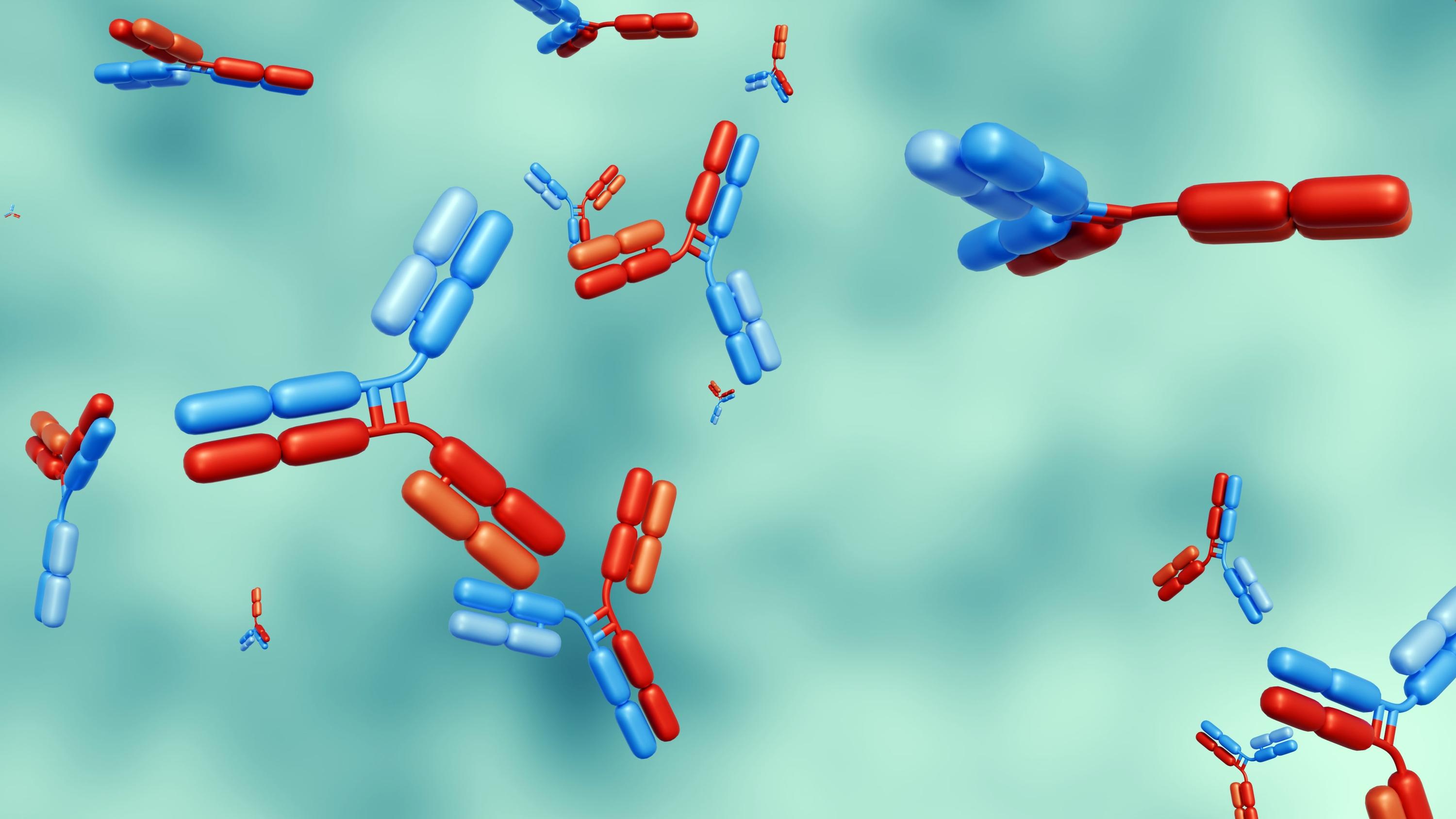
Recognition of the role of protein aggregation in the brain has been particularly influential, enabling the development of new diagnostics and targeted therapies for Alzheimer’s disease, Parkinson’s disease, and related conditions.3 Two prominent examples are lecanemab (Leqembi®, Eisai/Biogen) and donanemab (Kisunla™, Eli Lilly), monoclonal antibodies designed to reduce amyloid plaque burden and slow cognitive decline in patients with Alzheimer’s disease.
The clinical pipeline for neurological diseases is now more extensive than at any previous time.4 Recent years have seen the introduction of novel anti-seizure medications, multiple sclerosis (MS) therapies, and migraine treatments.2,4 Calcitonin gene-related peptide (CGRP) inhibitors, for example, target a key mediator of inflammation and pain to prevent migraines, while MS therapies such as ocrelizumab and ofatumumab selectively deplete B cells to slow disease progression.6 In Parkinson’s disease, multiple clinical programs are targeting α-synuclein, with additional efforts focused on LRRK2 (leucine-rich repeat kinase 2) and GBA (glucocerebrosidase), both implicated in pathogenic protein accumulation.7
Device-based and physical interventions are also playing an increasingly important role. Deep brain stimulation (DBS) is now used to treat conditions ranging from Parkinson’s disease to treatment-resistant depression, while focused ultrasound has shown efficacy in tremor-dominant Parkinson’s disease. Responsive neurostimulation (RNS) systems further expand this category by detecting and correcting abnormal electrical activity in patients with seizure disorders.2,4
Next-generation therapies have also been developed to treat various neurologic diseases.1,4–6 In vivo gene therapies and ex vivo gene-modified cell therapies using adeno-associated viral (AAV) and lentiviral (LV) vectors, RNA-based therapies, and stem cell therapies are prime examples. For instance, anti-sense oligonucleotides (ASOs) therapies are used to silence aberrant genes. Advances in AAV capsid designs to improve cell targeting, the use of nonviral delivery vehicles, such as lipid nanoparticles, and gene editing approaches are all being investigated in current clinical trials.
Theranostics and Nanomedicine in Neurological Disease
Theranostics — integrated platforms that combine therapeutic and diagnostic capabilities — enable both treatment and real-time monitoring of disease, ideally at early stages.8 In neurology, many theranostic approaches rely on nanoparticles (NPs) engineered to cross the blood–brain barrier (BBB) and selectively target specific cell types, supporting more precise intervention.9 These systems have been used to image amyloid plaque formation in Alzheimer’s disease and to deliver compounds, such as curcumin, directly to affected regions.
A wide range of nanoparticle formulations are under investigation, including polymer–drug conjugates, dendrimers, polymeric and solid lipid particles, magnetic nanoparticles, gold nanoparticles, carbon-based nanomaterials, and exosomes.8,9 These platforms are being explored for both the diagnosis and treatment of brain and spinal tumors, neurodegenerative diseases, seizure disorders, and cerebrovascular conditions. Beyond imaging, nanoparticles have been used to deliver antioxidants, anti-inflammatory agents, neurotrophic factors, and other therapeutic payloads, including small molecules, peptides, and nucleic acids.
Despite their promise, several challenges must be addressed to enable broader clinical adoption, including concerns related to toxicity, manufacturing complexity, and cost. Ongoing efforts to integrate artificial intelligence into nanoparticle design and optimization are expected to improve targeting accuracy, sensitivity, and overall therapeutic performance.
Technology- Driven Advances in Neurological Care
Technological innovation is driving progress in neurology well beyond the development of new therapeutics. Artificial intelligence (AI), advanced imaging modalities, and wearable devices are reshaping how neurological diseases are detected, monitored, and managed.1,10 AI enables earlier and more accurate disease detection through detailed analysis of brain imaging, supports preoperative planning, and improves prediction of disease progression, facilitating more personalized treatment strategies.
Wearable technologies provide continuous, real-world monitoring of patient symptoms, allowing for more proactive management of chronic neurological conditions. At the same time, advances in magnetic resonance imaging (MRI) and computed tomography (CT) are delivering higher-resolution brain images, enabling more precise diagnoses while reducing reliance on invasive procedures. Functional imaging techniques further enhance understanding by capturing brain activity in real time during neurological events.
Additional technologies are expanding therapeutic possibilities. Virtual and augmented reality are being used in rehabilitation to help patients recovering from stroke or brain injury regain motor function and cognitive abilities. Brain–computer interfaces are restoring communication pathways disrupted by neurological damage, enabling patients to control prosthetics and other assistive devices through neural signals.
The Next Wave of Neurological Discovery and Therapy
As understanding of the biological underpinnings of neurological diseases continues to deepen, there is growing expectation that meaningful advances in treatment may emerge in the near future.4 The identification of genetic risk factors is enabling more targeted therapeutic strategies, including efforts to develop treatments tailored to specific patient subpopulations, particularly in Alzheimer’s disease. At the same time, advances in neural circuit mapping are improving understanding of how communication between brain regions is disrupted in disease, informing the development of noninvasive interventions such as transcranial magnetic stimulation (TMS) and transcranial direct current stimulation (tDCS), which leverage the brain’s neuroplasticity.
Significant progress is also being made in elucidating the mechanisms underlying neuronal injury and death. Pathways such as ferroptosis, apoptosis, pyroptosis, necroptosis, and autophagy are being studied alongside neuroprotective processes and the roles of glial cells, astrocytes, RNA biology, protein modifications, and epigenetic regulation in disease pathogenesis.11 In parallel, researchers are advancing analytical techniques, identifying new biomarkers, and exploring innovative delivery strategies to improve therapeutic precision and efficacy.
A range of early-stage investigational therapies further highlights the breadth of innovation in the field. These include approaches such as low-dose whole-brain radiation and low-intensity focused ultrasound for Alzheimer’s disease, as well as stem cell therapies and convection-enhanced gene delivery strategies for neurodegenerative conditions.1
Recent announcements from academic and industry groups underscore the pace of progress. In 2026, researchers at Vanderbilt University reported the development of a selective inhibitor of TAO kinase-1 (TAOK1), along with compounds that activate related TAOK pathways implicated in Alzheimer’s disease.12 That same year, Johns Hopkins University received National Institutes of Health funding to develop the Drug Research Organoid Intelligence Development Platform (DROIDp), which integrates brain organoids, advanced sensors, and artificial intelligence to model neural function.13 Researchers at the University of Essex also reported the use of AI to convert hundreds of antibodies into intracellular “intrabodies” targeting proteins associated with neurodegenerative diseases.14
Additional advances include research demonstrating that pharmacologic enhancement of the glymphatic system may facilitate the clearance of neurotoxic proteins linked to Alzheimer’s disease.15 In parallel, AbbVie reported positive clinical trial results for tavapadon, a selective dopamine D1/D5 partial agonist for Parkinson’s disease.16 Earlier work from the Walter and Eliza Hall Institute identified a small-molecule inhibitor of cell death with potential neuroprotective effects,17 while researchers at Oregon State University developed peptide-functionalized nanocarriers capable of crossing the blood–brain barrier and delivering therapeutics in preclinical models.18
Toward Improved Disease Management and Prevention
Neurological conditions are becoming one of the most prevalent disease classes worldwide. Encouragingly, rapid advances in technology are deepening understanding of their underlying biology and revealing new therapeutic targets, including both pharmacologic and device-based interventions. At the same time, improved diagnostic tools are enabling earlier and more accurate detection, as well as more reliable monitoring and prediction of disease progression. Together, these advances are expected to support more effective disease management and, ultimately, the possibility of prevention.
References
1. Meglio, Marco. “Exciting Innovations in Neurology to Come in 2025: Insights From Baptist Health.” NeurologyLive. 20 Feb. 2025.
2. George, Leon. “Advances in Treatment of Neurological Disorders Through Evidence from Clinical Trials.” J. Clin. Trials. 15: 589 (2025).
3. McDonough, John. “Opinion: Bringing Neurological Disease Into the Age of Precision Medicine.” Biospace. 12 May 2025.
4. “Advances in Neurology: Latest Treatments and Breakthroughs for Brain Disorders.” Lone Star Neurology. 3 Mar. 2026.
5. Porcari, Giulia Stefania, et al. “Current Advances and Challenges in Gene Therapies for Neurologic Disorders: A Review for the Clinician.” Neurology Genetics. 11: e200229 (2025).
6. Gao, Wenyong et al. “Advancements in neurodegenerative diseases: Pathogenesis and novel neurorestorative interventions.” Journal of Neurorestoratology. 13: 100176 (2025).
7. Ledingham, David, and Nicola Pavese. “Novel Therapies and Targets for Parkinson’s Disease.” Neurol. AMJ. 2:71–82 (2025).
8. Awuah, Wireko Andrew, et al. “Theranostics Advances in the Treatment and Diagnosis of Neurological and Neurosurgical Diseases.” Archives of Medical Research. 56: 103085 (2025).
9. Chauhan, Neha, Aparna Chauhan, and Smita Jain. “Advancements in Nanomedicine for Neurodegenerative Diseases: A Comprehensive Review (Preprint).” 25 Oct. 2024
10. Thurrott, Stephanie. “How Innovative Technology Is Transforming Neurological Care.” Banner Health Teach Me Blog. 30 May 2025.
11. Zhao, Kaiyue, et al. “Editorial: Novel therapeutic target and drug discovery for neurological diseases, volume II.” Front. Pharmacol. Sec. Neuropharmacology. 16:1566950 (2025).
12. Lara, Lorena Infante. “Novel compounds open new research avenues for Alzheimer's disease therapeutics.” Vanderbilt University News. 12 Mar. 2026.
13. Johns Hopkins awarded $15M to develop platform to study neurological diseases, screen chemicals. Johns Hopkins University. 10 Mar. 2026.
14. Intrabodies unlock new treatments for MND and Alzheimer's. University of Essex. 27 Mar. 2026.
15. Wong, Carissa. “The brain's cleaning system can be boosted to rid Alzheimer's proteins.” NewScientist. 25 Mar. 2026.
16. Borreli, Lizette. “Novel Medication Improves Motor Symptoms in Early and Advanced Parkinson’s Disease.” Medscape. 1 Apr. 2026.
17. Breakthrough discovery offers hope for treating neurodegenerative diseases. Walter and Eliza Hall Institute. 12 May 2025.
18. Lundeberg, Steve. “Novel drug delivery platform paves way to potential new treatments for Alzheimer’s, other brain-related disorders.” Oregon State University News. 8 Apr. 2025.