Antibodies and antibody–drug conjugates (ADCs) can deliver highly potent anticancer activity, but their effectiveness is often constrained by the difficulty of distinguishing tumor tissue from normal cells that express the same target. Masking offers a way to improve that balance by keeping a therapeutic largely inactive in circulation and enabling its activation within the tumor microenvironment. CytomX Therapeutics built its Probody® platform around the elevated and dysregulated protease activity found in tumors, using protease-cleavable masks to expand the therapeutic window for otherwise challenging targets. Over more than 15 years, the company has financed, partnered, and clinically validated the platform and is now advancing Varseta-M, an EpCAM-directed ADC designed for colorectal cancer, while exploring additional applications in T cell engagers and cytokines. Here, CytomX CEO Sean McCarthy discusses the scientific origins and evolution of the Probody platform, the calculated risks required to develop it, the strategy behind Varseta-M, and the company’s transition toward late-stage development and commercialization, with Pharma’s Almanac editor David Alvaro, Ph.D.
David Alvaro (DA): To begin, can you share a bit of your personal history that led you to the work you are doing at CytomX?
Sean McCarthy (SM): I trained in the UK at King’s College London and Oxford University as a cancer biologist and came to the United States in 1994 for a postdoc. My first biotech role was at Millennium Pharmaceuticals, and that experience was transformational. Millennium was an exciting genomics company leveraging platform technology and dealmaking to build the company.
I later spent time in venture capital learning about biotech investing. I sometimes refer to that time as my “Ph.D. in VC.” That brought me into contact with Third Rock Ventures, which had been founded by leaders from Millennium. Third Rock had invested in CytomX, at that time a seven-person Bay Area startup company with $7 million in the bank and a bold idea: the masked, protease-activated antibody that we call the Probody® therapeutic. I thought the opportunity was too big to pass up. I joined as chief business officer in late 2010, became CEO about eight months later, and have been running the company ever since.
DA: How did the founders arrive at the Probody concept, and what convinced the early team and investors that such a novel, high-risk platform was worth pursuing?
SM: CytomX has always had a unique risk profile. We have been comfortable on the outer edge of the innovation curve because that is where we believe we can make the biggest difference, and we have stayed true to the original masked-antibody technology.
Our founding scientist, Patrick Daugherty, was at UC Santa Barbara studying peptides that could block protein–protein interactions and peptide substrates that could be cleaved by proteases. The three founders — Patrick Daugherty, Nancy Stagliano, and Fred Gluck — made the intuitive leap to combine those concepts. A peptide could block an antibody–target interaction, becoming the mask, while a protease-cleavable peptide could make the construct conditional on protease activity.
It was a brilliant idea that was definitely ahead of its time. The company licensed the technology from UCSB, and Third Rock Ventures and the Roche Venture Fund became the original investors. I joined shortly after the $30 million initial financing, when the company was just getting going.
DA: What is different about protease activity in tumors, and how can the same masking strategy work across tumor types without causing off-target activation?
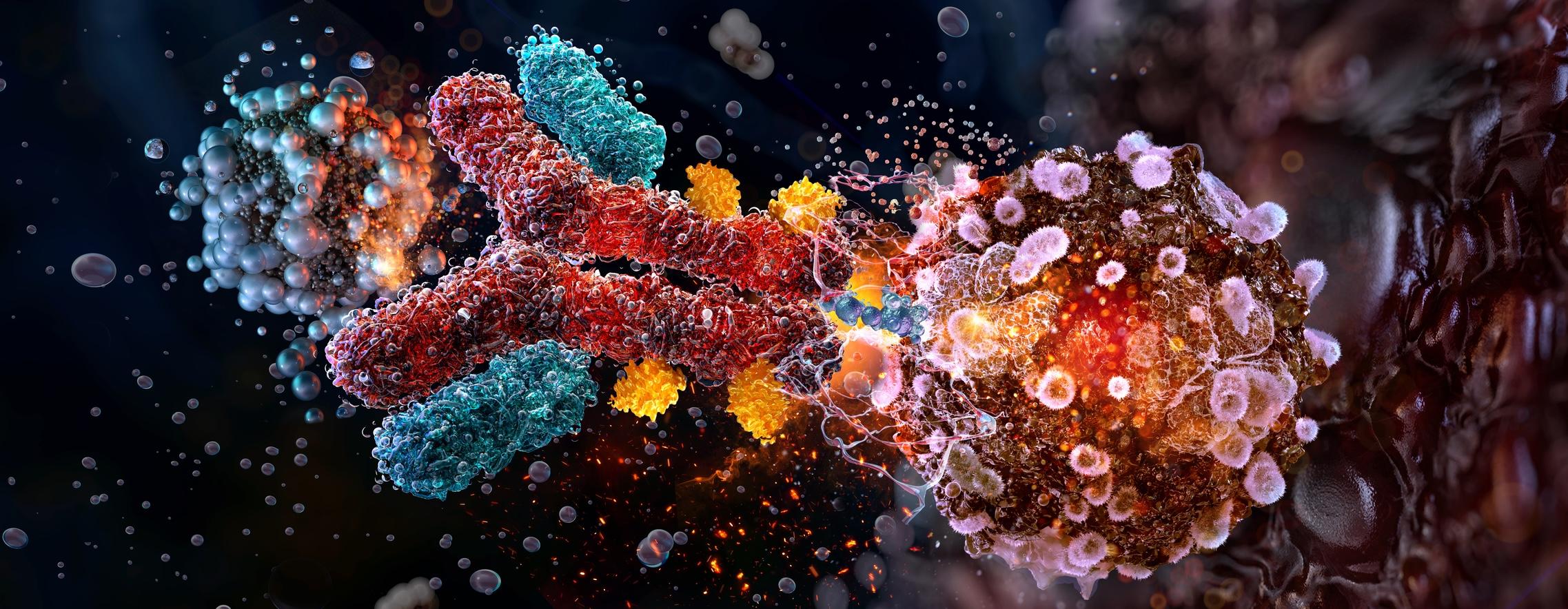
SM: The strategy rests on a fundamental biological difference between normal and tumor tissue. Proteases are enzymes that process other proteins into smaller pieces and variants, so their activity is tightly controlled in healthy tissues and in the context of normal physiology. As tumor cells transform, their protease biology becomes dysregulated and enables the processes of invasion, migration, and metastasis. That elevated activity in the tumor microenvironment gives us a way to selectively remove the mask and open the therapeutic window for targets that were previously difficult or impossible to drug.
At our first scientific advisory board meeting, we asked how a single masked drug might address multiple tumor types. One option was to design the mask around a single protease and select patients whose tumors expressed it. That sounded attractive on paper, but it would have been difficult to implement and might create an easier path to resistance if the tumor simply downregulated that protease.
Instead, we developed what we call a multi-selective strategy. More than 500 proteases are encoded in the human genome, and many can become activated in the tumor microenvironment. We designed protease-cleavable substrates that can be cut by more than one protease. That gives the mask multiple routes to activation and reduces the chance that a tumor can escape by downregulating a single protease. Tumors cells are very smart; when you put them under selective pressure, they immediately try to evade it. Our very first clinical program showed comparable activity across multiple tumor types and patients, supporting the multi-selective approach.
DA: Although the concept is both elegant and straightforward, I imagine that each molecule still requires careful engineering. How difficult is it to optimize the mask, substrate, stability, and target together?
SM: That complexity is not unique to masking — bispecifics and other complex molecules also require extensive engineering — but masking adds another design dimension and is our core expertise. We spent several years in preclinical models finding the right balance between the mask and protease substrate before entering the clinic. That work gave us the confidence to take the platform into patients. For a decade, we were the pioneer in this field, and there were very few others doing this. We helped create an entirely new approach that many organizations are now exploring.
DA: When you joined as chief business officer, how did you consider the unique risk calculus of such a novel approach and the approach needed for success? How have partnerships helped CytomX de-risk the platform?
SM: Drawing on my Millennium experience, I felt early on that a platform this novel and broad would require two things: we would need to raise a ton of money to really go deep with the technology, and we would need to find partners for our platform to share some of the early risk. Alnylam was an important model for us: CEO John Maraganore used to say that if the company was going to make RNA interference work, it would need to raise an enormous amount of money and that’s what they did, extremely successfully. That thinking has stayed with us throughout our journey.
Partnerships have therefore been central to our business strategy from the beginning. We have generated more than $600 million through collaborations, beginning with Pfizer and followed by Bristol Myers Squibb, ImmunoGen, Amgen, AbbVie, Astellas, Moderna, and Regeneron. Most recently, Regeneron paid an additional $37 million to expand their access to our technology. These relationships not only strengthen the balance sheet; they also allowed us to broaden the technology and run many more experiments in the laboratory and, increasingly, the clinic.
We have raised more than $1.5 billion in total since company formation, and we took CytomX public in 2015. However, raising capital is only part of the job. You must allocate it intentionally and diversify risk as you keep learning.
Our earlier clinical programs were designed around lower-risk, validated targets and built the foundation for the larger step we have now taken with the EpCAM drug in colorectal cancer, which is the culmination of 15 years of work.
DA: How did your first wholly owned clinical program establish that masking could work in patients?
SM: Our first clinical candidate, CX-072, was a masked PD-L1 antibody. At the time, PD-1/PD-L1 and CTLA-4 immunotherapies were producing remarkable antitumor activity, but they also caused a new and unpredictable set of immune-related adverse events — colitis, pneumonitis, and many other “itises.” We began working on CTLA-4 with Bristol Myers Squibb, while our first wholly owned program sought to preserve PD-L1 antitumor activity while reducing systemic immune toxicity.
The PD-L1 target itself was very well validated and carried little risk; the central question was whether the platform would work in patients, which was appropriate for a first clinical test. CX-072 demonstrated potent activity across several PD-1/PD-L1–responsive tumor types, including triple-negative breast cancer and cutaneous squamous cell carcinoma, with activity similar to an unmasked antibody. Tumor biopsies directly demonstrated unmasking, more than 90% target occupancy, and low rates of systemic immune-related adverse events.
Those results exceeded our expectations and provided the first clinical demonstration that a masked, protease-activated antibody could broaden the therapeutic window. After we published the work, other companies began pursuing similar antibody-masking strategies, helping establish masking as a broader field of development.
The masking strategy used for Varseta-M, our EpCAM antibody–drug conjugate, is similar to the one validated in that first Probody. The difference is the target and the addition of a potent cytotoxic payload to drive antitumor activity.
DA: Clearly, the Probody technology creates opportunities to revisit and potentially rescue programs that were promising but could not achieve the appropriate therapeutic window without masking. Where do you see the most promise?
SM: EpCAM (epithelial cell adhesion molecule) is a terrific example — one of the killer applications if you like of our technology. EpCAM was first described back in 1979 as a protein extraordinarily abundant on colorectal cancer cells. Many groups then tried to drug it with conventional antibodies, but high-affinity antibodies caused severe toxicity, including acute pancreatitis, because EpCAM is also present in normal tissues. Lower-affinity antibodies were better tolerated but lacked activity.
The field then tried bispecifics. The EpCAM–CD3 bispecific, solitomab, showed some anticancer activity, but it drove activated immune cells into normal EpCAM-expressing tissues, including the liver and gastrointestinal tract, and could not achieve a therapeutic window. However, other EpCAM drugs have produced activity when delivered locally. One is used intraperitoneally for malignant ascites and was recently approved and relaunched in Europe as KORJUNY; another, oportuzumab monatox, had a successful phase III trial with local administration in bladder cancer. Those experiences provided two important clues: EpCAM could be an effective target, and potent EpCAM-directed therapies could shrink tumors if they reached the target without intolerable systemic exposure.
In collaboration with ImmunoGen, we embarked on a project to make a masked EpCAM ADC that could be administered systemically. The target had intrinsic validation and high tumor expression; what was missing was a therapeutic window. That led to Varseta-M, or varsetatug masetecan, which has produced early but really exciting results in colorectal cancer.
DA: From that experience, are you able to generate criteria that make a target a strong candidate for the platform? Is abundant but nonselective expression the sweet spot?
SM: Target selection is always multi-faceted, and our technology opens new opportunities. We look for some evidence that the target can work with an antibody, ADC, T cell engager, or another modality. Abundant tumor expression is desirable. The most abundant tumor antigens though are often also present in normal tissue; perfectly tumor-selective targets are rare. Wherever a target is not sufficiently selective, our technology may add value. EpCAM is a terrific example, and its clinical success is helping us identify the next targets where masking might bring unique differentiation.
DA: Given EpCAM’s expression across many cancers, why did you initially focus Varseta-M entirely on colorectal cancer rather than conducting a conventional multi-tumor phase I study?
SM: EpCAM is highly expressed in essentially every colorectal cancer patient, but it is also present in pancreatic, gastric, biliary tract, lung, and many other cancers. When we designed the phase I clinical study for Varseta-M, we debated whether to enroll patients across multiple tumor histologies, as is typical in oncology, or focus entirely on colorectal cancer, where every patient had the target and no biomarker selection should be necessary.
The drug candidate itself had also evolved around that decision. An earlier version we had made used an ImmunoGen maytansine payload, but colorectal cancer is not responsive to that class of microtubule inhibitors. As topoisomerase-1 ADC payloads emerged in drugs like Enhertu and Trodelvy, ImmunoGen developed next-generation chemistry, and we switched payloads so that the EpCAM-ADC was now intentionally designed for colorectal cancer.
We then committed the phase I study entirely to colorectal cancer. It was a big decision because the indication has been really challenging for new therapy development. That focus paid off. We dose escalated and expanded in a target-rich population without requiring patient selection, and the data we have shared to date have exceeded our expectations, so far exceeding the current late-line colorectal cancer benchmarks.
We always knew the broader potential was there. We are now expanding the program into additional tumor types, including gastric and pancreatic cancers, and are optimizing an assay that can select patients for EpCAM expression where necessary. That assay could ultimately create a path toward tumor-agnostic development of Varseta-M.
DA: Do you see applications for the masking technology outside of antibodies and antibody-based modalities like ADCs?
SM: We have always viewed the technology as multimodality. Having sufficient capital allowed us to explore several avenues and keep searching for the killer applications. In addition to masked antibodies, we conducted exploratory clinical work with an EGFR/CD3 T cell engager, which taught us a great deal about designing complex molecules.
T cell engagers have enormous potential to redirect cytotoxic T cells against solid tumors, but the field is at least 10 years behind ADCs. One central challenge is systemic toxicity, including cytokine release syndrome caused by T cell engagement and activation in the periphery. In the EGFR program, we showed that masking could dampen that toxicity effectively. That is one reason companies focused on bispecific immunotherapies, including Regeneron, are working with us. The potential is enormous, although it will take time. For our lead wholly owned programs right now, ADCs are the logical primary focus because the field understands more of the design rules.
Cytokines are another exciting application. We are developing a masked interferon alpha-2b, CX-801. Interferon alpha was the first approved immunotherapy, but its monotherapy activity was limited and its systemic toxicities — including immune, psychiatric, and flu-like effects — made it difficult to use. Masking is intended to reduce those systemic effects while maximizing intratumoral activity.
Our preliminary melanoma data presented at the 2025 Society for Immunotherapy of Cancer annual meeting showed that CX-801 was well tolerated at the initial doses evaluated and produced powerful immune activation in tumors. The goal is to reprogram the tumor microenvironment and restore sensitivity to checkpoint inhibitors. It is early days, but we are excited about the application. Again, we are not taking target risk: we understand what interferon should do if we can activate it selectively. Although the platform operates on the outer edge of innovation, we try to be surgical in applying it to problems we understand and for which we can readily define what success looks like.
DA: Among those other masked drugs in development, is protease cleavage the dominant masking approach, or are other activation strategies also being explored?
SM: Protease cleavage is by far the dominant strategy. Another approach seeks to exploit the lower pH of the tumor microenvironment. Antibody binding sites can be engineered so that affinity increases under acidic conditions.
Bispecific localization offers another strategy: one arm can bind something in the tumor microenvironment while the other binds the tumor cell, creating localization through combined affinity. Many approaches are being tested because localizing these potent drugs could be so valuable, but we feel very good about where we have arrived with the Probody platform.
DA: Although CX-801 is initially being evaluated in melanoma, could the interferon program ultimately have broader applicability?
SM: Yes. Interferon has demonstrated activity in melanoma, bladder cancer, renal cancer, and other tumor types, and we believe CX-801 could potentially become a centerpiece of combination immunotherapy. For now, however, we have chosen to focus on one tumor type. That reflects an important lesson from the EpCAM program: focused clinical development can sometimes be more powerful than broad signal seeking.
DA: How has CytomX evolved as it has moved from being a platform company centered on protease biology into the clinical-stage oncology company with an expanding internal pipeline it is today?
SM: Today, we are first and foremost a drug development company, and we are becoming a late-stage organization as we drive Varseta-M forward. Our goal is to begin the first registrational trial for Varseta-M in the first half of next year, put the drug on a path toward approval, and build the capabilities to launch it ourselves.
You can feel the company moving downstream every day. Our team, advisory boards, key opinion leaders, and operating priorities are evolving around late-stage Varseta-M development and commercialization, while also bringing additional products into the pipeline. We will always be passionate about the underlying platform and science, but our main focus now is becoming an integrated, commercial-stage company.
DA: Does a masked Probody ADC create unique CMC or manufacturing challenges beyond those already associated with ADCs?
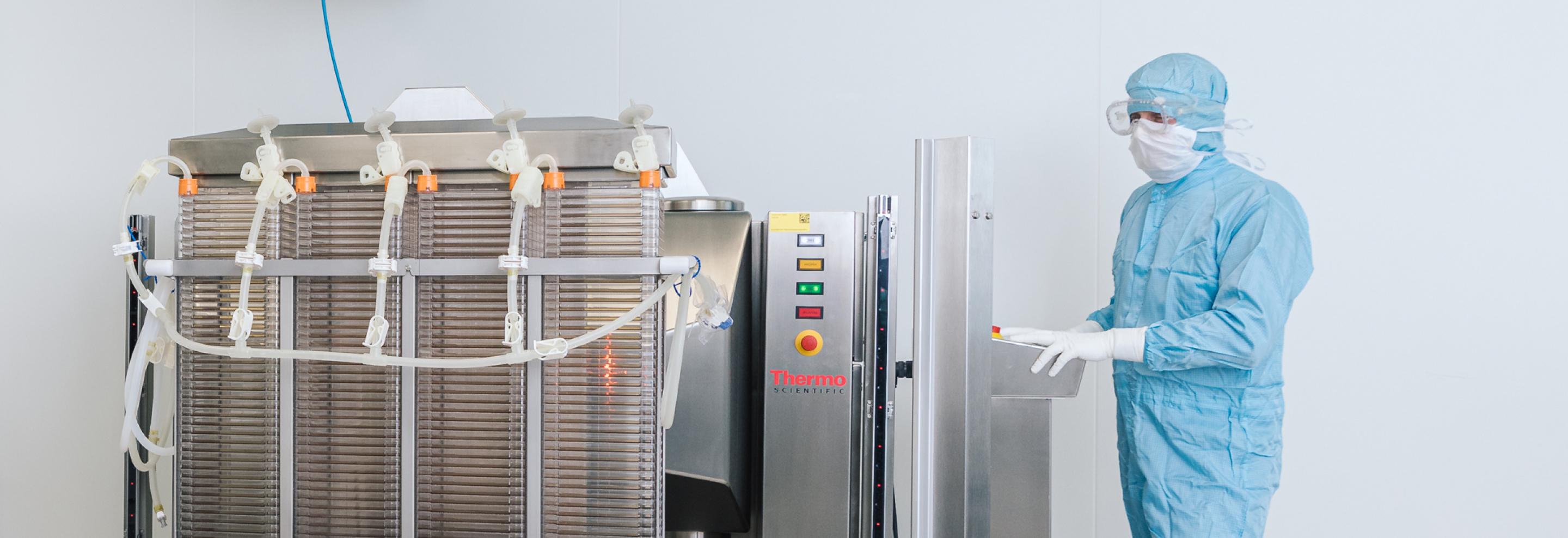
SM: Our foundational design work significantly derisked manufacturing early on in our development of the platform. The masked antibody is made as a single recombinant protein, using a process substantially similar to conventional antibody manufacturing; for an ADC, conjugation of the payload follows.
The Varseta-M manufacturing program is in very good shape, and we are progressing toward commercial-scale production in preparation for a potential future drug launch. We have excellent manufacturing partners and expect to continue working with outside CDMOs for the long term.
DA: What would success mean for CytomX, patients, and the broader field of masked therapeutics?
SM: Getting here required difficult choices. During the challenging post-COVID period, when biotech financial markets were largely closed, we needed to downsize the organization and stop some early-stage work so we could prioritize the colorectal cancer program. We now have greater access to capital again and can begin rebuilding the pipeline around the long-term goal of a multiproduct commercial-stage oncology company.
More broadly, I expect multiple masked drugs to reach the market across the industry over time. Companies like Janux and Vir Biotechnology are pursuing masked T cell engagers, and many others are finding their own places to apply the concept. We have created something meaningful with masking, and the field is now figuring out where it can deliver the greatest value for patients.
DA: The work really feels like a logical next chapter in oncology drug development: after seeing so many promising drugs defeated by the challenge of penetrating the tumor microenvironment, your approach leverages that unique environment for better targeting and to minimize off-target effects.
SM: That’s right — attacking cancer’s Achilles’ heel, if you like. The technology is highly innovative and therefore carries intrinsic risk, but we have been methodical and calculated in how we take that risk. Our ability to do so has depended directly on continually financing the company and allocating that capital thoughtfully. This work by the team has brought us to Varseta-M. Our job now is to focus on this drug, move it through clinical development, and move the company downstream, while bringing other programs along behind it as resources allow. Now, our opportunity is to build toward becoming a commercial-stage company.