Key Takeaways:
There are thousands of smaller proteins in the “dark proteome” that play important roles in human biology — both healthy and diseased.
In 2026, the TransCODE Consortium assigned a name to these dark or microproteins, referring to them as peptideins.
Thes small size of peptideins is thought to allow them to fit within larger proteins and behave as channels and receptors.
Functional peptideins have significant potential in both diagnostic and therapeutic applications as biomarkers, for imaging when conjugated to fluorescent dyes, and as drug targets.
As more is learned about dark proteins and peptideins, researchers are gaining a much greater understanding of the genome and biological mechanisms.
Discovery of Dark Proteins
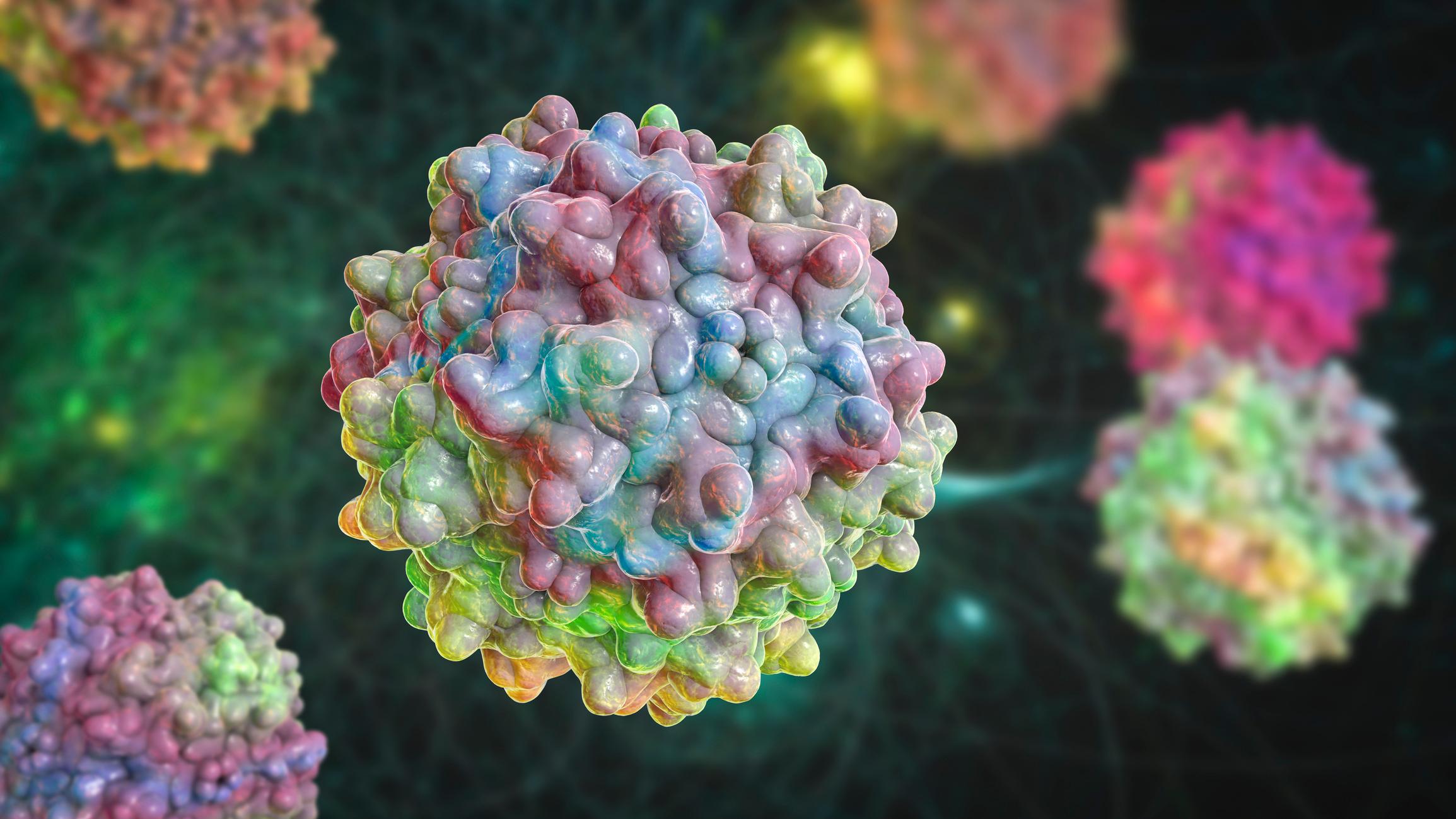
When the human genome was sequenced approximately two decades ago, researchers only considered genes with open reading frames (ORFs, DNA sequences that provide protein-making instructions to ribosomes) that result in the production of large proteins. Since then, scientists have come to realize that there are thousands of smaller proteins in the “dark proteome” that play important roles in human biology — both healthy and diseased.1,2 These “dark proteins,” also called microproteins or miniproteins, comprise less than 100 amino acids and potentially as few as 10–15.
The first inklings of the number of dark proteins previously ignored was revealed in a study of the fruit fly genome in 2011.2 Researchers identified more than 600,000 short ORFs. By analyzing a second fruit fly genome and comparing the different short ORFs, they found 401 present in both species and thus considered them likely to produce microproteins of some use.
Also in 2011, another group of researchers sequenced mRNAs attached to ribosomes (Ribo-seq) in mouse embryonic stem cells and determined that thousands of unknown proteins were produced, many of which were less than 100 amino acids long.2 In 2013, a third group of scientists reported using mass spectrometry (MS) to evaluate protein mixtures from human cells. When they subtracted the signatures of known proteins, they found 86 previously unknown microproteins.2
In 2019, a group of researchers evaluated the genomes of microbes found in the human gut and on the skin and found ORFs encoding approximately 4,000 families of proteins between five and 50 amino acids long, about half of which were completely unknown.2
Also in 2019, large numbers of microproteins were found in heart tissue, and in 2021 researchers uncovered the presence of hundreds of microproteins in cancer cells.1 A consortium of researchers was then formed to determine the total number of human noncanonical ORFs by evaluating ribosome profiling papers. The group had identified over 7,250 in the human genome by 2022. The BAGS complex, which was discovered in 2023 after analyzing about 10,000 human noncoding genetic sequences and millions of synthesized random sequences, was found to be responsible for the degradation of many nonfunctional proteins.3 Breakdown of these dark proteins can lead to the generation of antigens that appear on the surfaces of cancer cells. In addition, the production of nonfunctional proteins increases as people age, and these dark proteins may play a role in neurogenerative disorders and other diseases.
In 2024, researchers expanded the definition of an ORF to include noncanonical ORFs that encode for microproteins.4 These scientists, who had uncovered the 7250+ noncanonical ORFs in the human genome, by working with the Human Proteome Organization and the Peptide Atlas and using proteomics, immunopeptidomics, Ribo-seq, and other techniques to analyze data from over 95.000 experiments, determined that at least 25% of those ORFs encode proteins — over 3,000 previously ignored peptides/proteins.4,5
Official Recognition of Dark Proteins
In a 2026 Nature article, the TransCODE Consortium (Princess Máxima Center for pediatric oncology, the University of Michigan Medical School, the EMBL European Bioinformatics Institute, and the Institute for Systems Biology) published additional results of their analysis of the 7,264 DNA sequences suspected to encode dark proteins.6,7 They also assigned a name to these dark or microproteins, referring to them as peptideins — a mashup of peptide and protein. Shortly thereafter, the researchers reported the identification of 1,700 new protein-like molecules among the 7250+ previously identified in the dark proteome with potential roles in human disease pathways.8 These 1,700 are now officially recognized as a new type of molecule present in human cells. Of the 1,700, only about a dozen resemble traditional proteins, and the roles of the rest remain unknown. The scientists showed that thousands of peptideins are produced in every cell of the human body, and some are essential to cell survival.7
Getting to Know Dark Proteins
In addition to comprising short amino acid chains, dark proteins or peptideins tend to be encoded by genes located near to or even overlapping with genes known to code for traditional proteins.6 Detecting and characterizing microproteins using standard protein analysis methods is difficult owing to their small size. That is why researchers often search databases of DNA sequences for noncanonical or small ORFs.9 They also rely on next-gen protein sequencing (NGPS) technology to directly sequence intact peptides, which can be used to evaluate unknown peptides and proteins.5
A “systematic survey” of proteomes in eukaryotes (animals, plants, and fungi with cells that have membranes, nuclei, and organelles) using 546,000 sequences from the highly curated Swiss-Prot database revealed that close to 50% is “dark,” and nearly half of the dark proteomes consist of dark proteins having no similarity to proteins in the Protein Data Bank. The studied dark proteomes tended to be associated with “secretory tissues, disulfide bonding, low evolutionary conservation, and very few known interactions with other proteins.”10 In addition, most dark proteins had low disorder, and the transmembrane fraction decreased as darkness increased. In fact, 45–70% if the studied dark proteins are “unknown unknowns” that cannot be conventionally explained. They also have unknown locations and unknown functions.
These results were confirmed in another investigation of the dark proteomes in various species.11 These researchers also showed that dark proteins can be functional and participate in various activities depending on the organism in which they are found.
Different from Peptides but Still Functionally Important
Peptideins are different from other peptides and polypeptides because they are created small, rather than being products of the degradation of large proteins.2 While many of these dark proteins appear to be nonfunctional, some have been found to play crucial biological roles. A pair of microproteins named myoregulin and DWORF found in the muscles of mice have big impacts on muscle contraction. Other microproteins have been shown to impact the functioning of the immune system, participate in the removal of faulty RNA molecules (a 68-amino acid protein named NoBody), determine when plants flower, protect bacteria from extreme temperatures, and make venom toxic. The microprotein AcrZ helps Escherichia coli bacteria survive antibiotics.
It is thought that because peptideins are so small, they likely do not fold and therefore do not act as enzymes or structural proteins.2 On the other hand, their size is thought to allow them to fit within larger proteins and behave as channels and receptors. In fact, many of them have short amino acid sequences similar to those found in larger proteins, making it possible for them to bind to and influence the activity of their larger cousins and help then enter cells.
Sorting Functional and Nonfunctional Dark Proteins
In addition to microproteins being difficult to detect, determining their functionality can be challenging. Researchers at the Salk Institute tackled the latter problem and developed ShortStop, a machine learning–based tool for identifying DNA sequences within genetic databases that have a high likelihood of encoding peptideins and predicting which ones will be biologically active.9 The team initially used the program to identify 210 potential new microproteins in a database of lung cancer–related genetic sequences. One was validated and may be a possible drug target.
ShortStop differentiates between functional and nonfunctional peptideins by comparing detected small ORFs (smORFs) to a set of negative controls (computer-generated random smORFs). The result is not definitive, but it pairs down the number of microproteins that require physical investigation by prioritizing candidates, which can accelerate characterization. Importantly, the tool can be used with a wide variety of common genetic data sets, including those already used in the field and those covering both healthy and diseased tissues.
New Understanding of the Genome
One exciting result of the discovery of the large number of dark proteins is the new perspective this knowledge provides regarding the genome. Not only does the dark proteome account for a significant portion of the entire proteome of many species, the DNA sequences encoding dark proteins occur in unusual locations, including near or nested within ORFs that encode larger proteins.2
Some have proposed that these locations may indicate that microproteins are produced by new genes — or protogenes — formed when mutations result in the generation of new start and stop signals in a noncoding portion of the genome.2 Examples include intron retention, frameshifted internal ORFs, and alternative splicing.12 If the microproteins they encode have desirable functionality, protogenes may eventually evolve into larger genes that encode larger proteins.2
Therapeutic Potential
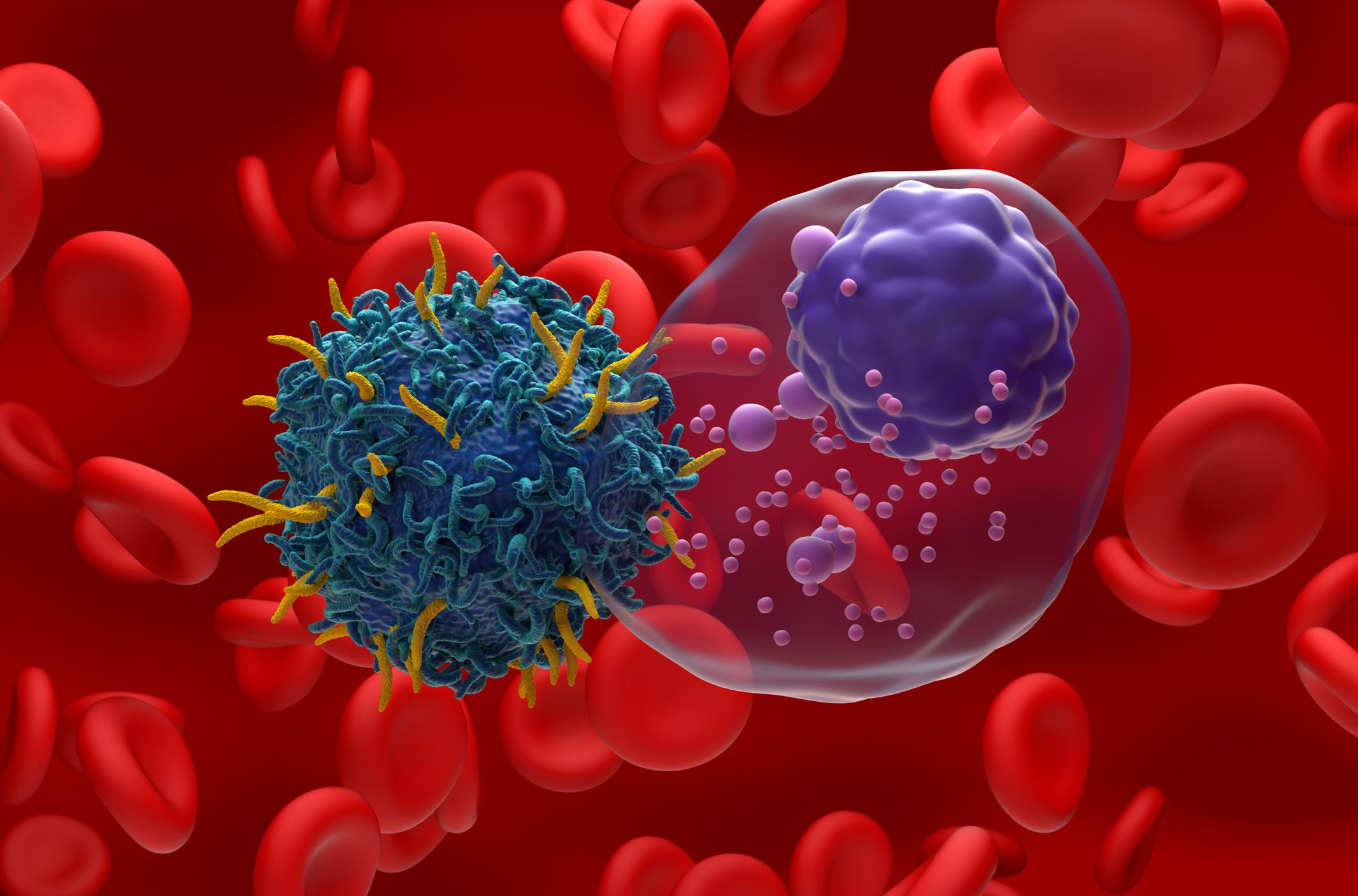
What may be even more exciting about microproteins — and functional peptideins in particular — is their potential therapeutic applications. A microprotein found in the venom of the deathstalker scorpion is attracted to tumors. Researchers are attaching it to a fluorescent dye to outline the borders of brain tumors for surgeons.2 Another microprotein found to be important for the survival of medulloblastoma tumors, a childhood brain cancer, could prove to be a promising new drug target or biomarker.1,8 Microproteins identified that play roles in pancreatic cancer and metabolic diseases are also being investigated as biomarkers and drug targets.
Six peptideins identified by the TransCODE Consortium appear to have promising therapeutic potential.8 One produced by a genetic sequence thought not to encode proteins when inhibited impairs the survival of over 400 out of 485 investigated cancer cell lines. Others are antigens on cancer cell surfaces and thus represent possible immunotherapy targets, with some already under development.
Because many microproteins/peptideins play regulatory roles by interacting with other proteins in ways not seen before, there is significant excitement about their potential to open up new diagnostic and therapeutic avenues for the treatment of not just cancer but neurodegenerative diseases and genetic disorders.5 In fact, a Cancer Grand Challenge to investigate the dark proteome was issued in 2025.13 The goal is to “define the mechanisms underlying the induction” of dark proteins, “understand their relationship with the oncogenic state of the cancer cell,” and “use them as therapeutic targets.”
A few companies are pursuing therapeutic candidates based on the dark proteome and dark proteins. Examples include Velia Therapeutics, NonExomics, and ProFound Therapeutics.3 ProFound Therapeutics is partnering with Pfizer to develop anti-obesity drugs based on microprotein targets.
The Dark vs. the Ghost Proteome
With the knowledge of microproteins/dark proteins just two decades old, there is much more work to do to gain a full understanding of the dark proteome and the role it and its encoded proteins play in the biological activity of all species on earth, not just humans. In addition to learning more about the genome and its functioning, scientists anticipate gaining greater understanding of the mechanisms involved in many healthy and diseases biological pathways.
Debates are also underway regarding what should be considered dark proteins and the dark proteome. One group of researchers has, for instance, proposed the term ghost proteome to include functional microproteins, or peptideins, leaving the dark proteome to refer to genes that encode nonfunctional microproteins/dark proteins.12 The ghost proteome would encode proteins that “modulate fundamental cellular processes, including metabolic flux and epigenetic regulation,” while the dark protein would encompass “regions of canonical proteins lacking structural, functional, or experimental annotation.”
The researchers believe that separating the ghost proteome from the dark proteome “expands the boundary of what is considered protein coding, demands harmonized nomenclature and database integration, and motivates systematic discovery and functional characterization” and “compels a re-evaluation of genome annotation and reveals new opportunities to interrogate biology and disease.”
Regardless of what they are called, it appears that noneconomical small proteins are involved in many different cellular activities with their functionality determined by complex structures, post-translational modifications, and “context-specific translation initiation “that reflects an interesting mix of “deep conservation and de novo emergence.”12 The challenge going forward will be developing effective tools and techniques for reliable, efficient, and effective detection, annotation, and functional validation of peptideins.
References
1. Pennisi, Elizabeth. “‘Dark proteome’ survey reveals thousands of new human genes.” Science. 386: 951–952 (2024).
2. Leslie, Mitch. “New universe of miniproteins is upending cell biology and genetics.” Science. 17 Oct. 2019.
3. Illuminating tumor cells with dark proteins. Columbia University. 14 Apr. 2023.
4. Deutsch, Eric W., et al. “Expanding the human proteome with microproteins and peptideins.” Nature. (2026).
5. Carpenter, Meredith. “Microproteins and the Dark Proteome: Tiny Molecules with Big Potential.” Quantum-SI.com. 22 Jan. 2025.
6. Callaway, Ewen. “Revealed: the mysterious ‘dark’ proteins that might play a big role in biology.” Nature. 6 May 2026.
7. Cowing, Keith. “Thousands Of Previously Unknown Proteins Discovered.” Astrobiology.com. 11 May 2026.
8. Princess Máxima Center for Pediatric Oncology. “Dark proteome yields 1,785 new microproteins that could reshape disease research.” Phys.org, May 6, 2026.
9. New AI tool illuminates ‘dark side’ of the human genome. Salk Institute. 31 Jul. 2025.
10. Perdigão, Nelson, et al. “Unexpected features of the dark proteome.” Proceedings of the National Academy of Sciences of the United States of America. 112(52): 15898–15903 (2015).
11. Perdigão, Nelson, et al. “Dark Proteome Database: Studies on Dark Proteins.” High-Throughput. 8: 8 (2019).
12. Cardon, Tristan, Isabelle Fournier and Michel Salzet. “Chasing the Ghost Proteome in the Dark Matter.” Molecular & Cellular Proteomics. 24: 101076 (2025).
13. “The dark proteome.” Cancer Grand Challenges. Accessed 22 May 2026.