Commercial success for biologic drugs depends on decisions made long before commercialization, because every development project must ultimately produce a product and process that can be manufactured according to GMP guidelines. Even when early clinical priorities require speed, CMC strategy should establish a foundation for later development, scale-up, cost-effective production, supply chain resilience, and commercial readiness. For complex modalities, including vaccines, viral vectors, cell and gene therapies, and oncolytic viruses, early alignment around manufacturability, technical feasibility, materials, analytics, and end-to-end execution can help reduce risk and avoid costly delays. Mathias Kahl, Head of Research and Development at IDT Biologika, discusses why commercial thinking should begin in clinical phases and how IDT Biologika’s end-to-end capabilities, modality experience, and in-house technologies support that approach with Pharma’s Almanac Editor in Chief David Alvaro, Ph.D.
David Alvaro (DA): How would you describe IDT Biologika today to someone who may still think of the company primarily in terms of vaccines and fill/finish from several years ago?
Mathias Kahl (MK): There have been many important changes and improvements at IDT Biologika. We have built upon our foundation by continuing to strengthen our capabilities. We have new buildings and new manufacturing lines for drug substance and drug product, and we have expanding projects with our commercial customers.
Another important change was the acquisition by SK bioscience in 2024, which acquired 60% of the shares of IDT Biologika. We still operate as an independent CDMO company, but the partnership opens up new opportunities and future collaborations. It strengthens our position in the biopharmaceutical market and gives us access to a broader network of resources.
DA: As you mentioned, IDT Biologika has a legacy that stretches back over a century. How does the company balance that history with the need to keep evolving for the future?
MK: Our legacy is very important because that foundation continues to many of the areas where we work and the way that we approach challenges. We have long-term partnerships across a large number of fields, which reflects our strong commitment to our partners. As we have expanded in multiple directions, we have maintained a strong focus on epidemic preparedness and in tackling epidemic events and a sense of responsibility over that field.
At the same time, IDT Biologika continues to engage with emerging modalities, including cell and gene therapies and oncolytic viruses. These are not entirely new areas for the company, but they are fields where we are currently advancing our capabilities through new partnerships and helping support the next generation of medical applications.
DA: IDT Biologika has very deep roots in vaccines but has also built strong capabilities for newer modalities. How does that breadth of experience inform the way you help customers prepare for commercial success from the earliest clinical stages?
MK: Vaccines remain a broad and important business for IDT Biologika, and we have a strong footprint there because it is part of our legacy. At the same time, we are seeing significant interest in newer modalities, including oncolytic viruses and cell and gene therapies, where customers often come to us with programs that are moving from first clinical evaluation toward an eventual commercial path.
That is an important point where IDT Biologika can step in. We have long-term experience not only in development, but in supporting products through commercialization. Even when a program begins as a highly innovative product concept, the endpoint is the same: the product must ultimately meet regulatory expectations, be manufactured under GMP, and be suitable for commercial supply. For innovative companies, including smaller companies, that transition can be a major step. They are often looking for an experienced partner with the technical capabilities, global network, and reputation needed to help build confidence as they move toward commercial manufacturing.
DA: How do conversations about commercial thinking differ between early-stage companies that may be focused primarily on the science and larger or later-stage companies that already have experience preparing for commercialization?
MK: These discussions must be tailored to each customer, because the starting point can be very different. A company entering an early clinical phase from a primarily scientific perspective may have very different needs and concerns from a company bringing a late-stage or commercialization project to IDT Biologika with a large pharma organization behind it.
In early clinical development, the priority is often to move quickly into clinical evaluation. That is understandable, but the work should still establish a foundation for future growth. Technical changes or improvements may be needed later, but the goal is to avoid creating issues that could slow development and to build the basis for late-stage development from the beginning.
It also depends on how the company is structured. If the team is focused mainly on the product’s mode of action, they may not have deep experience with CMC activities. In those cases, we may need to guide them through the requirements and explain why early investment in CMC and process development is important from a long-term perspective. For startups, this can be especially important, because they may later need to demonstrate to a larger pharma partner or acquirer that the product is supported by a robust manufacturing process.
DA: How do you see the company’s role in addressing manufacturing issues during process development before a program advances too far?
MK: At IDT Biologika, when we talk about development, we are not referring to product development in the way an innovator company might. Our focus is on developing the manufacturing process: the process that can support clinical supply, meet GMP requirements, and provide a foundation for later-stage development.
Every newly developed product ultimately has to be manufactured according to GMP guidelines. The modalities may differ, but there is a common foundation for making that possible. At the end, the key question is whether the product can be manufactured in a reliable and suitable way.
That can sometimes be underestimated. A product may have low yields, high cost of goods, complex or specialized technologies, a narrow process window, limited stability, or other constraints. Those issues are not just technical details; they can determine whether the product can move efficiently through development and toward commercialization. That is why manufacturability needs to be part of CMC thinking from the beginning.
DA: During onboarding, what are the most important technical and strategic questions you need to answer so the process can be developed with the right future requirements in mind?
MK: From the perspective of a CDMO, the technical elements are very important. We need to understand the status of the current phase, whether production has already been performed internally or with another company, and what the current limitations are.
We also need to understand the overall goal and the specifications the customer wants to reach. If clinical studies are ongoing, the outcome may define the next steps, and in early phases there can be some uncertainty. That makes good technical alignment, risk evaluation, and risk mitigation critical to ensure that the project moves in the right direction for the customer.
For example, if the product will ultimately require a very large amount of material, it is not meaningful to build the process around technologies with intrinsic limitations in the future. We also consider whether materials may have regulatory or scalability limitations.
Cost of goods is another example. It may be more important for a blockbuster or competitive product than for a highly innovative product where the number of batches is not expected to be very large. It is a balance between different parameters that define success for the product at the end.
DA: Have the effects of the COVID-19 pandemic changed how companies think about risk and supply chain planning across the product life cycle?
MK: There is greater awareness that markets and supply chains can be limited. This is especially relevant for a CDMO in Europe, because many critical products are not manufactured in Europe. That is why we discuss material needs with customers from the early beginning and begin procurement planning for specific materials early.
We also talk with different suppliers, set up contracts, and establish risk-mitigation strategies to support timely production and service execution. These considerations became much more visible after COVID, and I think they will remain important in the future. The geopolitical situation also affects European supply chains, so we regularly evaluate how those dynamics could affect our production and our ability to supply customers. The goal is to mitigate risks as much as possible, because, at the end, we are delivering products that are intended to save lives.
For IDT Biologika, one of the major areas of focus is single-use materials. During COVID, single-use and plastic materials were often limited, and those risks remain important to consider. Semiconductor technologies can also sometimes be a constraint, particularly where probes or sensors are integrated into single-use systems.
It is not always immediately clear whether the limitation is the probe, the single-use material itself, or the qualification of that material. The supply chain behind single-use materials can be complex, so we spend significant time discussing with suppliers which materials are more or less risky. That risk profile has become a more important parameter in selecting the right materials for a given product and process.
DA: Given the need to think about commercial needs earlier, is it increasingly important to view drug substance, drug product, final packaging, and release as a connected system?
MK: From our point of view, end-to-end service does not end with drug product. It begins with development and drug substance, continues through drug product, and goes through final product release and packaging.
We see a strong advantage in having everything under one roof. It saves effort, but more importantly it reduces the complexity of the connections between different steps. Even internally, the handover from one department to another is much easier than managing separate service providers. This is a strength of IDT Biologika.
It is also valuable for troubleshooting and other evaluations. For example, incoming goods can have an impact on drug product, and drug product slots can be managed more efficiently when the activities are connected. Some customers may come to IDT Biologika for one specific capability, but when a program involves repeated or ongoing manufacturing activities, having everything onsite can be an appropriate and efficient way to manufacture.
DA: IDT Biologika works across vaccines, viral vectors, cell and gene therapies, oncolytic viruses, and other biologic modalities. How does that breadth of experience help your teams recognize common manufacturability challenges while still accounting for the specific requirements of each product type?
MK: There are many similarities between the different modalities, and learning from one modality can support work in another. This knowledge sharing is one of IDT Biologika’s strengths.
In vaccines and viral vectors, for example, the work was never fully standardized. There has always been a need to share knowledge. With cell and gene therapy, vectors and platforms have become more standardized in some ways, and customers often ask whether we have specific experience with a certain modality, cell line, or viral vaccine.
When you evaluate these projects more generally, there are many similarities between processes and behaviors. That knowledge is important for improving work across other modalities. At the same time, each modality has specific requirements that should not be underestimated. Having experience with a high number of modalities is beneficial because we learn from different products and different behaviors, and that creates a higher awareness of what can be critical, such as intermediate product stability. That awareness improves the focus of our thinking in process development and manufacturing development.
DA: When you evaluate potential projects, how do you determine whether they are the right fit for what IDT Biologika can best support?
MK: IDT Biologika supports a broad set of modalities, but some projects may not fit our technical capabilities. One of the first things we check in a conversation with a potential partner is how the process looks, what the current status is, and whether the project is technically feasible for us to support.
We also look at whether the required components and equipment are available. We have a strong evaluation system to streamline requests and select projects that fit well from our perspective. That also has an impact on the timeline for the customer and on the cost behind the project.
DA: What do you view as the criteria that enable a CDMO to be a true long-term strategic partner that supports commercialization goals from the beginning?
MK: Reliability is very important. True collaboration is also essential. That means being open in discussions, working together to find solutions, and supporting each other.
Communication is key. It is important to have the same teams interacting with each other, to know each other, and to have strong alignment on what we want to achieve. It is also important to be open to feedback, to celebrate the positive things, and to go into the details when something is not working so that we can improve.
DA: Beyond technical capabilities, what does your team bring to customer relationships, especially when each project may involve different science, expectations, and ways of working?
MK: In my department, we have a strong scientific background and are deeply driven by customer success. Our mission is “to bring pharmaceutical solutions to life,” and that is how we approach our work.
That means we do not simply execute a fixed set of tasks. We try to understand what each customer needs, what requirements must be met, and what options or opportunities could help move the project forward. We make suggestions, provide guidance, and work with customers to identify a practical path to success.
Our teams are small, but they include subject matter experts who work closely with customers. That close collaboration is important because every project is different — not only scientifically, but also in terms of the customer’s culture, background, priorities, and preferred way of working. Some customers want IDT Biologika to take the lead and deliver against defined requirements. Others, especially highly scientific teams, want to be deeply involved in the development process. Both approaches can work. Our role is to find the right model of collaboration for each project and support the customer in bringing it to a successful conclusion.
DA: What do you see as IDT Biologika’s most compelling differentiator today and into the future?
MK: The major advantage is the end-to-end capability we have and the ability to reduce complexity by having everything under one roof. That is also why we are well positioned to handle products that are not the easiest or most standardized and that may require more attention in development and CMC activities.
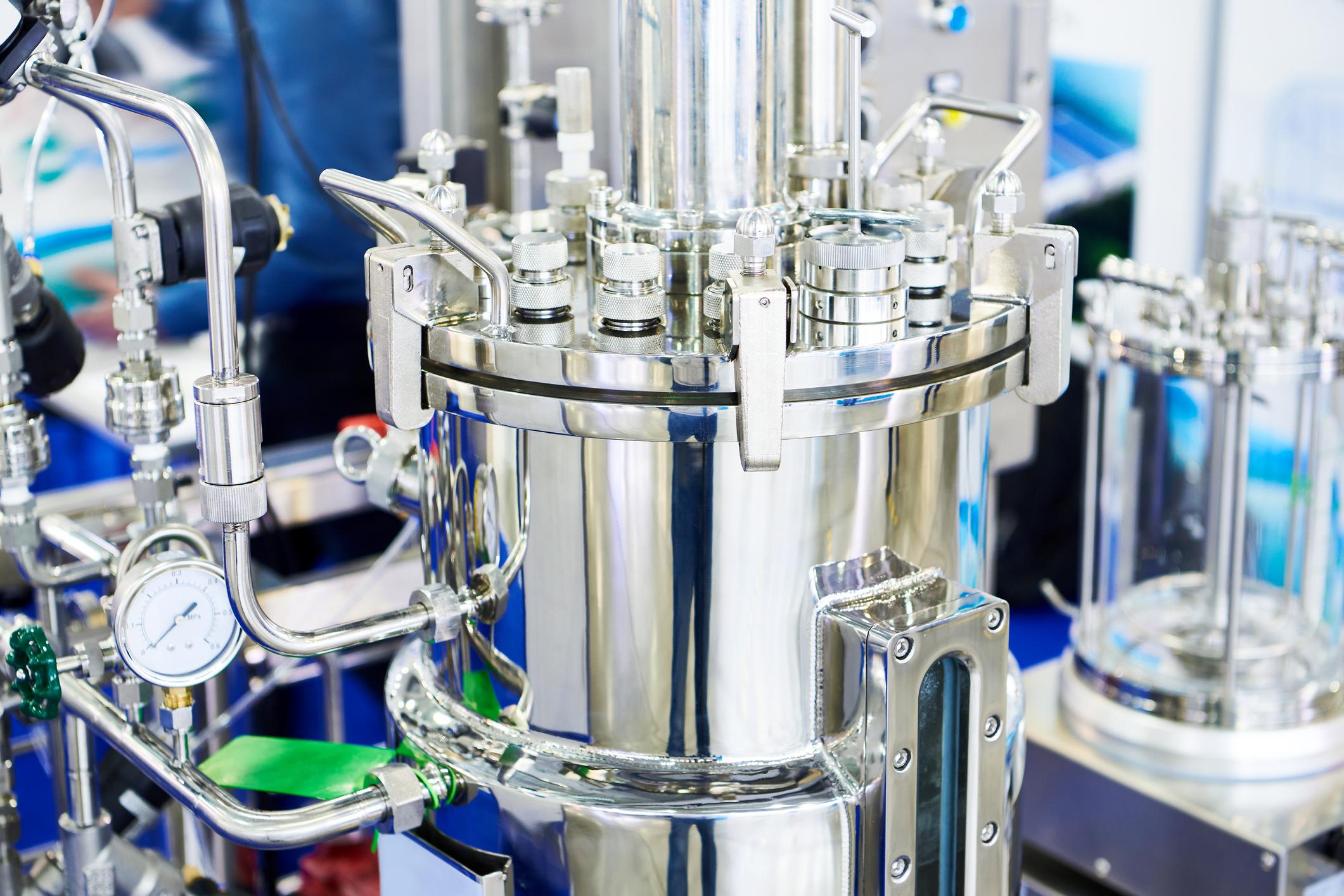
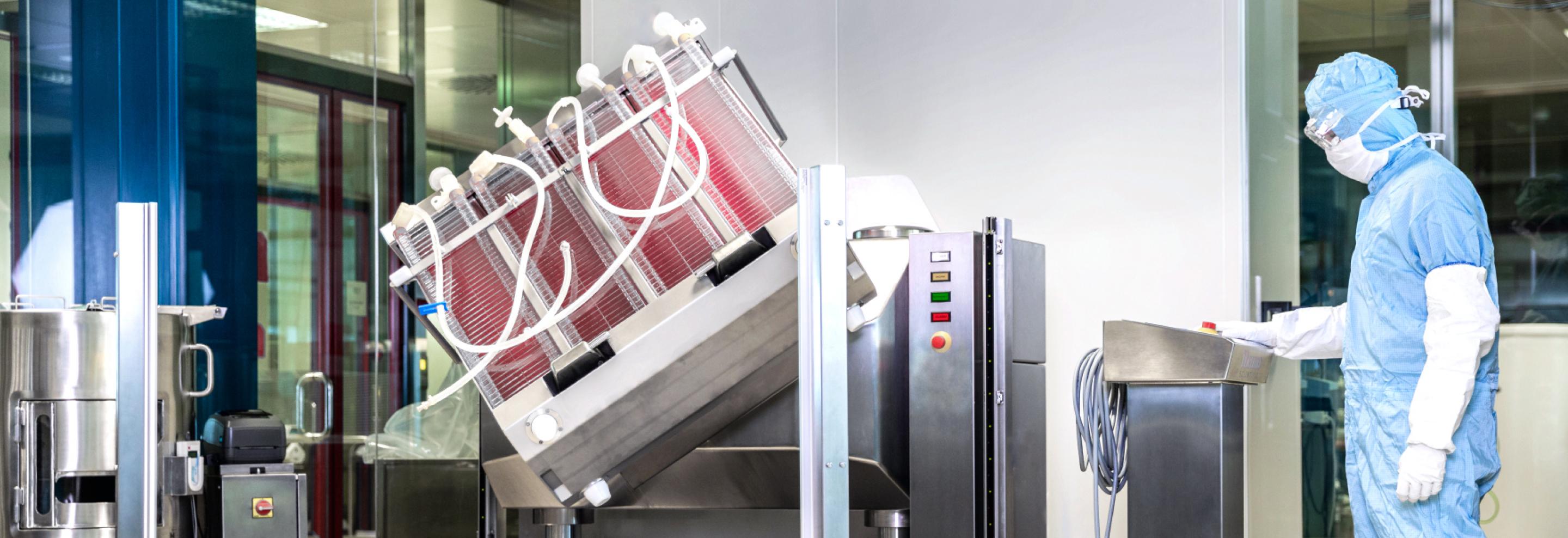
Some of IDT Biologika’s technologies are not common in the pharmaceutical field, which creates a specific fit for certain customers. Fixed-bed bioreactors are one example of a technology where the company has long-term experience. The vaccine and viral vector business itself is also not fully standardized, and IDT Biologika has a strong understanding of many vaccine formats. In the oncolytic virus field, there are still many things going on, and the fundamental technologies are still being established.
Another important point is IDT Biologika’s track record with regulatory approvals, especially for less standardized products where there is not always a well-established path. Across different modalities, we have a strong understanding of what is required.
DA: As you continue to build on this foundation, are there specific capabilities or technologies that the company is looking to add to make its end-to-end offering even more robust?
MK: We are observing trends across the field. Manufacturing technologies continue to evolve, but some of the strongest near-term movement is in the analytical field, especially with respect to future regulatory requirements.
IDT Biologika started quite early to implement next-generation sequencing for adventitious virus testing, and we continue to evaluate future trends from both the regulatory and scientific points of view. We are investing in innovations that can complete our portfolio for future demands.
We are also in contact with many innovator companies that want to introduce new manufacturing technologies or application tools. These can be promising, but we often explore them together with partners. We also have available space and opportunities to expand. If there is alignment with customers, we are open to adapting our manufacturing sites according to their technical needs.
DA: To close, is there a central message you would want drug developers to take away from this conversation?
MK: CMC should not be underestimated. From the beginning of product development, it is important to understand the overall goal for the product. What is the product intended to do? What patient population will it serve? Could it become a high-volume blockbuster product, or is it a more specialized therapy against a rare disease? Those questions should guide decisions in CMC development and manufacturing.
There are many possible paths in CMC. Different cell lines, manufacturing technologies, downstream processes, analytical methods, and process strategies may all be available. Having the right direction from the early beginning helps define the right CMC strategy and supports decisions around risk, scalability, cost of goods, and future supply. It can also help streamline development by avoiding choices that may create problems later.
The key point is simple: you cannot sell a product that you cannot manufacture. Once you have shown that the product works, the next question is how to produce enough material, at the right quality, in a suitable and reliable way. That is why commercial thinking has to begin early. IDT Biologika has experience across many different modalities, and we can help developers identify the right CMC and manufacturing strategy to move their products forward.