Key Takeaways
Oral delivery remains a major unmet goal for antibody therapeutics. Monoclonal antibodies have transformed treatment across many diseases but still require injection due to poor gastrointestinal stability and extremely low oral bioavailability.
Multiple technological strategies are being explored to overcome biological barriers. Approaches include functional excipients, nanoparticle encapsulation, structural antibody modifications, ingestible delivery devices, and microbiome-based therapeutic platforms.
Nanotechnology and device-based delivery systems are gaining significant attention. Nanoparticles, liposomes, and robotic ingestible capsules aim to protect antibodies in the GI tract and facilitate absorption across the intestinal epithelium.
Alternative antibody formats may offer a more practical path to oral delivery. Smaller single-domain antibodies (nanobodies) exhibit improved stability and permeability compared with full-length mAbs and are advancing in early clinical development.
Industry partnerships and recent deals signal continued commercial interest. Collaborations focused on oral biologics platforms and novel delivery technologies indicate sustained investment in making oral antibody therapies a viable reality.
Why Oral Delivery of Monoclonal Antibodies Matters
Monoclonal antibody (mAb) therapies have been a gamechanger for the pharmaceutical industry and patients worldwide. These drugs have enabled treatment of many diseases for which small molecule drugs have been insufficient. However, mAb therapies need to be administered via injection. Although increasing numbers of mAbs therapies are becoming available in advanced delivery systems that allow at-home use by patients themselves, others still require in-clinic infusions. In addition, antibody treatments for some diseases must be given on a frequent basis over long periods.1 Over time, that can generate a significant economic and emotional toll.
The overwhelmingly preferred route for drug delivery is oral administration of tablets or capsules (followed by liquids). Oral formulations tend to be easier and less costly to produce and administer, the risk of dosing errors is minimized, dosing can be performed at home, and there is no pain involved.2 The latter two reasons often lead to greater medication adherence / patent compliance, which leads to better outcomes.
Oral delivery of mAb therapies would thus be beneficial for drug developers, physicians, patients, healthcare systems, and society as a whole.
Biological and Physiological Barriers to Oral Antibody Delivery
The nature of mAbs makes delivery via oral administration quite difficult.3–7 Antibodies are large, highly charged molecules that cannot be readily absorbed in the gastrointestinal (GI) tract owing to their inability to diffuse across the epithelial layer. In particular, the mucus layer covering the walls of the small intestine is a significant barrier. The presence of various digestive enzymes and the acidic environment of the GI tract complicate matters further by degrading mAbs, leading to rapid clearance from the liver.
These two issues result in very low bioavailabilities. One study found the oral bioavailability of a non-binding humanized mAb trastuzumab in rats and mice to be 0.027% and 0.014%, respectively, using non-compartmental analysis.8 That corresponds to approximately one in 5000 mAb molecules passing through the gut to reach systemic circulation.
Formulation Strategies: Functional Excipients
Initial (and ongoing) attempts to improve the oral bioavailability of mAbs involve the use of specialized, functional excipients.3–7 Most prominent are permeation enhancers designed to open the tight junctions in the epithelial layer to allow passage of the mAb. Bile salts, medium-chain fatty acids (e.g., sodium caprate), surfactants, salicylates, chelators, chitosans, co-solvents, and Zonula occludens toxin have all been employed for this purpose.9 These excipients must be used with caution, however, as they may damage the mucosa and/or allow undesirable substances from being absorbed as well.3
Stabilizers and antioxidants such as trehalose, mannitol, and vitamin E are often used to minimize degradation.4 Enzyme inhibitors, such as sodium glycocholate, bacitracin, aprotinin, leupeptin, chicken ovomucoid, and soybean trypsin inhibitor,5,9 and some amino acids (e.g., arginine, histidine, and N-acetylcysteine)5 are also employed to prevent mAb hydrolysis. Immunomodulators and adjuvants, such as aluminum hydroxide, MF59, and monophosphoryl lipid A, may be used in oral mAb formulations to minimize potential unwanted immune responses.4
Enteric coatings are also often employed as a means of protection and to achieve sustained release.4 One example comes from the company Intract Pharma, which uses a combination of two proprietary technologies to enable oral delivery of mAbs specifically to the colon.10 Its Phloral® enteric coating relies on two independent but complementary release mechanisms (changes in gastrointestinal pH and the enzymatic activity of the microbiota) to ensure targeted release of the drug substance. Its Stoeria® platform consists of a proprietary formulation of natural amino acids designed to protect mAbs from enzymatic degradation and enhance their uptake in the colon tissue. The company has reported the results of preclinical testing demonstrating its superior performance to traditional permeation enhancers with TH023, an orally delivered infliximab-based candidate in development by Tharimmune, Inc. for treatment of GI diseases, such as inflammatory bowel disease (IBD).11
Molecular Engineering Approaches
Structural modifications to monoclonal antibodies (mAbs) have also been investigated as a strategy for improving their stability and permeability and thus enhancing oral bioavailability.3 Because antibodies are large, hydrophilic molecules that are susceptible to enzymatic degradation in the gastrointestinal tract, modifying their physicochemical properties can help improve their ability to survive and potentially cross intestinal barriers.
One commonly explored approach is the conjugation of lipophilic moieties to the antibody structure. Attachment of fatty acids or polyethylene glycol (PEG) oligomers can increase hydrophobicity and enhance interactions with lipid membranes, which may promote transport across epithelial surfaces.3 Such modifications can also improve resistance to proteolytic degradation and extend the residence time of the antibody within the gastrointestinal tract.
Additional strategies include modifying glycosylation patterns or attaching targeting ligands designed to interact with intestinal transport receptors. These approaches aim to exploit natural uptake mechanisms within intestinal epithelial cells, potentially enabling receptor-mediated transcytosis of antibody molecules across the gut barrier.
Crystallization of antibodies has also been investigated as a means of improving stability during gastrointestinal transit. In crystalline form, proteins may exhibit increased resistance to degradation and improved storage stability. However, controlling crystallization behavior for complex antibody molecules remains challenging, and translating such approaches into scalable manufacturing processes has proven difficult.
Although none of these molecular modification strategies alone has yet enabled highly efficient oral delivery of full-length antibodies, they may play an important role when combined with formulation technologies such as nanoparticles or protective delivery systems.
Nanoparticle-Based Delivery Systems
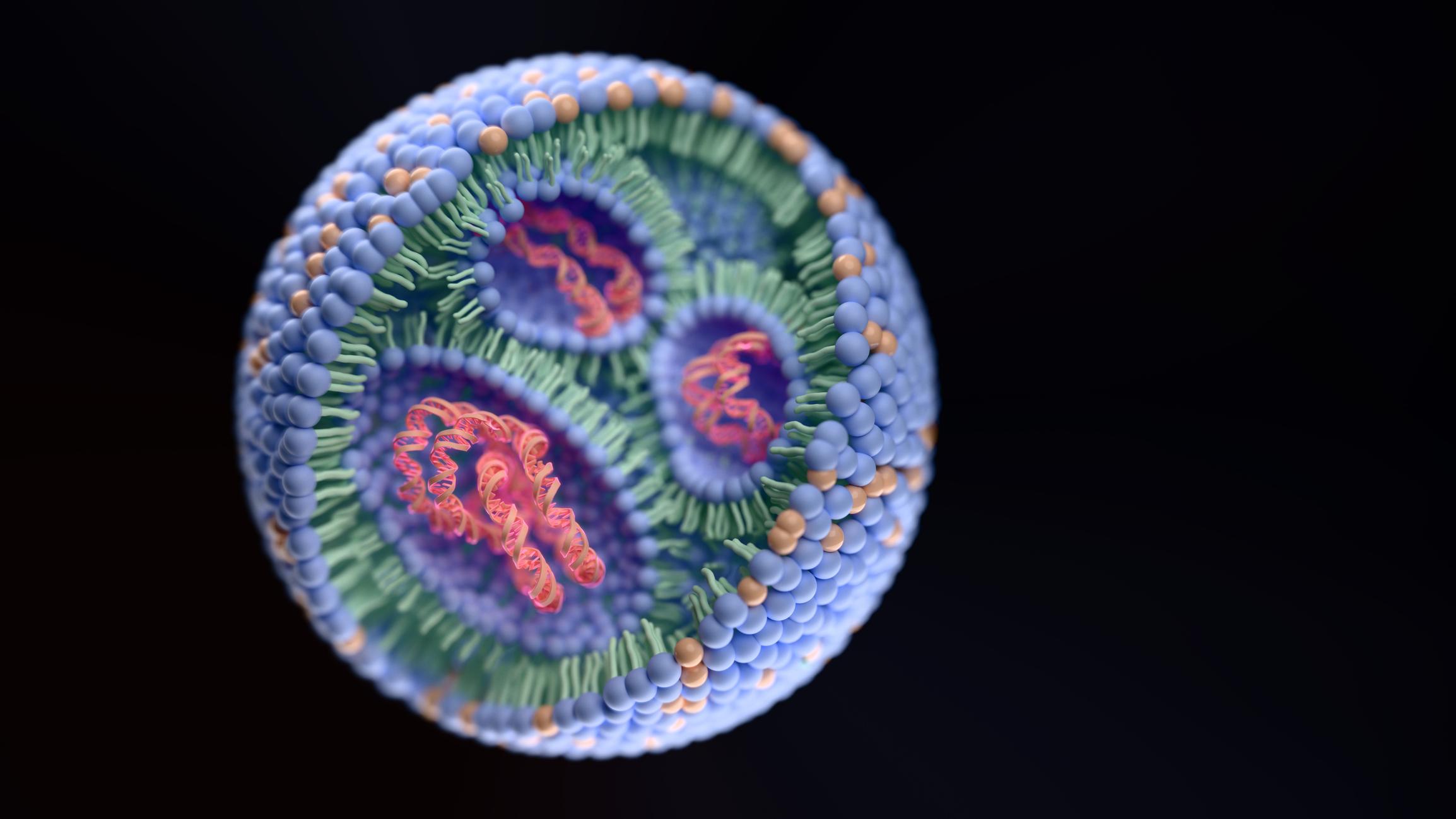
Encapsulating mAbs (along with functional excipients) to form nanoparticles is an approach to oral delivery of biologics that is attracting significant attention, as nano-scale particles exhibit better permeation properties.3,5 The surfaces of nanoparticles can also be modified to enable targeted delivery to the intestinal barrier.3,4 When bound to certain receptors on intestinal epithelial cells, such as the neonatal Fc receptor (FcRn) and megalin-cubilin complex, nanoparticle-containing mAbs have the potential to participate in receptor-mediated transcytosis (RMT) via endocytosis and intracellular trafficking and thus achieve improved absorption and systemic distribution.5
Lipidic, polymeric, and hybrid systems are being explored. Lipid-based solutions are of particular interest since they have been demonstrated to be effective delivery vehicles for small molecule drug substances and have the potential to increase mAb permeability while also providing protection.3 Examples include solid lipid nanoparticles (LNPs) and various liposomal formulations, including polysaccharide-caged liposomes and other modified liposomes, such as 2-monoacylglycerol (2-MAG).5 The latter are taken up by enteroctyes in the intestine, allowing them to enter the intestines' lymphatic system and avoid liver metabolism.
Polymeric nanoparticles based on poly(lactic-co-glycolic acid) (PLGA) and PEG have also been used.5 For instance, anti-TNF-α mAbs encapsulated in PLGA-PEG nanoparticles have been shown to have a measurable effect on TNF-α levels in a murine colitis model.12
Oil-in-water / water-in-oil nanoemulsions have also been shown to improve transcellular and paracellular transport across intestinal epithelia.5
Ingestible Therapeutic Devices and Mucoadhesive Solutions
To overcome the challenge of adsorption into the epithelial layer for oral mAbs, some drug developers have sought to develop active solutions to the problem. These include ingestible devices and mucoadhesive patches contained in capsules to allow oral delivery.2,3 “Robotic pills” comprise small devices that interact with the intestinal wall in some manner. Reported examples include microneedle, microjet, and ultrasound-based systems, such as those from Rani Therapeutics (RaniPill® Capsule)13 and Biograil (BIONDD™ technology).14 Lonza has established specialized offerings to support companies developing smart capsules containing such electronic or mechanical elements for the oral delivery of biologics, including mAbs.15
Delivery of mucoadhesive patches that attach to the intestinal wall and enable directed release of drug substances, studies mostly for peptides and chemical active pharmaceutical ingredients (APIs), may also be useful for mAbs.5 The patches are designed to attached to the mucus layer and stick, providing unidirectional release to the intestinal wall and reducing the risk of mAb degradation, even with longer exposure at the delivery site. The location of attachment (e.g., stomach, small intestine) can also be controlled. Various approaches have been used to create the patches, including a variety of modified natural and synthetic polymers5 and hydrogels.6 Epitomee Medical is one company using the latter approach.6 It has developed a swallowable capsule (the Epitomee Platform) made from two hydrogel layers, one which contains the drug substance and the other a scaffold that expands when exposed to the low pH levels in the intestine and dissolves once the drug substance has all been released.
Single-Domain Antibodies and Alternative Formats
Avoiding the challenges posed by the large size and polarity of mAbs altogether by using modified antibody formats appears to be a promising approach to realizing oral antibody delivery. The focus is largely on single-domain antibodies (sdAbs), specialized antibody fragments that may consist of the light chain or heavy chain variable domains (VLH or VHH, respectively) of conventional antibodies.16 These nanobodies are often derived from sdAbs produced by camelids (camels, llamas, alpacas), but they can be humanized. Because they are up to 10 times smaller than mAbs, they do not face the same absorption challenges.17 They can also be designed to resist degradation in the acidic environment of the GI tract.
Several companies are developing various orally delivered sdAbs. Two are targeting inflammatory bowel disease (IBD, which includes Crohn’s disease and ulcerative colitis), for which mAb treatments are available but suffer from limited effectiveness for many patients.18 Genentech has developed a llama-derived VHH that inhibits interleukin 23 receptor (IL-23R).18 The humanized sdAb has been engineered to increase its affinity and ability to withstand protease digestion. In two different mouse colitis models, it was shown to have similar performance as an intravenously administered mAb therapy. The new VHH also showed promising performance when orally administer to monkeys within an enterically-coated capsule.
Sorriso Pharmaceuticals, meanwhile, has developed an oral bispecific VHH that inhibits both tumor necrosis factor-α (TNF-α) and IL-23R using its Vorabody platform and yeast expression technology.19–21 SOR102 has, like Genentech’s VHH, been engineered to have increased stability and to target diseased tissue. In a phase Ib trial in ulcerative colitis, it was shown to be safe with limited systemic exposure and able to achieve “clinically meaningful impact on rigorous endpoints.”19 A phase II study has been initiated.21
Sanofi is also developing sdAbs for a variety of diseases.22 Their approach involves combining multiple nanobodies in single therapeutics to generate "multivalent" NANOBODY molecules that can bind to several targets simultaneously. They could thus potentially reduce the need for polypharmacy and minimize side effects while increasing ease of use and patient compliance through oral delivery.
Microbiome-Based Therapeutic Delivery
Increasing recognition of the important role that the gut microbiome plays in human health has led researchers to investigate ways in which microbiota may be leveraged to in disease management and treatment. Because many gut bacteria function by binding tightly to intestinal mucosa, some scientists are exploring their potential for aiding in the oral delivery of mAbs.3 One approach is to genetically modify these bacteria so they secrete mAbs in high concentrations once bound to the mucosa.
One example of such an engineered probiotic platform designed for the treatment of immune-mediated inflammatory diseases (IMIDs) is AIDEN (aid for IMIDs: engineered Escherichia coli Nissle 1917 (EcN)) developed by researchers at Xidian University and Fourth Military Medical University in China.1 The platform is based on an engineered strain of E. coli Nissle 1917 that expresses single-chain variable fragments (scFvs) targeting key IMID mediators. In one example, AIDEN-IL17, which targets interleukin-17A (IL-17A), was shown in mouse models of psoriasis and IBD to moderately reduce systemic IL-17A levels and lead to significant amelioration of disease symptoms.”
Commercial Activity and Strategic Partnerships
While much of the initial work on functional excipient, structural, nanoparticle, and ingestible device solutions took place 5–10 years ago, interest remains high in further developing these approaches and identifying new options for enabling oral delivery of mAbs (and other biologics). Two recent large-figure deals make that clear.
In February 2026, Novo Nordisk and Vivtex announced a partnership focused on developing oral biologics for obesity, diabetes, and associated comorbidities that will leverage Novo Nordisk’s expertise in peptide and protein therapeutics and Vivtex’s proprietary GI screening and formulation platform, which combines GI screening assays using intact human or animal-derived GI tissues with simulation and artificial intelligence.23
Less than a month later, a strategic collaboration to co develop orally delivered mAb-based therapies formulated using goat milk-derived extracellular vesicles (EVs) and exosomes was announced by Liège-based Bio Sourcing and Roanoke-based The Tiny Cargo Company.24 Bio Sourcing’s BioMilk® technology for producing high-quantity, low-cost mAbs and EVs in transgenic goat milk will be combined with Tiny Cargo’s cGMP-ready industrial platform for extracting exosomes from milk and loading them with complex therapeutic payloads. This approach is considered to be promising because milk derived exosomes are naturally designed to survive the GI tract and deliver antibodies to the bloodstream. The companies are initially investigating development of oral formulations of adalimumab and trastuzumab.
Bio-Sourcing and Copenhagen-based drug formulation firm Zerion are also working on development of an oral formulation of trastuzumab using Zerion’s protein-based Dispersome® technology for enhancing the bioavailability of poorly soluble drugs, a partnership that was announced in January 2026.25
References
1. Shao, Shuai, et al. “Engineered probiotics platform for oral delivery of antibody as a high-compliance alternative for immune-mediated inflammatory diseases.” Cell Reports Medicine. 7: 102523 (2026).
2. “Oral delivery of biologics: what developments for the next few years?” Alcimed. 13 Feb. 2023.
3. Challener, Cynthia. “Oral Delivery of Biologic APIs: The Challenge Continues." Pharmaceutical Technology. 2 Mar. 2017.
4. Hanenberg, Uwe. “Cutting-edge Formulation is Needed to Enable the Next Generation of Oral Biologics.” International Pharmaceutical Industry. 15: 46–47 (2023).
5. Saeed, Ashti MH, et al. “Oral Delivery of Monoclonal Antibodies: Challenges, Emerging Strategies, And Future Perspectives: A Review.” Karbala Journal of Pharmaceutical Sciences. 16: 118–134 (2025).
6. “Introducing Ingestible Therapeutic Devices: The Future of Oral Biologics Delivery.” Epitomee Medical. 15 May 2022. /
7. Herzog, Roland W, et al. “Synthetic and Biogenic Materials for Oral Delivery of Biologics: From Bench to Bedside.” Chem. Rev. 125: 4009–4068 (2025).
8. Verma, Ashwni, Shengjia Wu, and Dhaval K Shah. “Oral Bioavailability of Monoclonal Antibody.” Pharmaceutics. 18: 22 (2026).
9. Non-invasive Macromolecule Drug Delivery Guide. Catalent Applied Drug Delivery Institute. Somerset, NJ. 2015.
10. “Technologies.” Intract Pharma. Accessed 25 Mar. 2026.
11. Intract Announces Positive Preclinical Results for its Oral Anti-TNFα Antibody Program. Intract Pharma. March 25, 2025.
12. Zheng, B. et al. “2-Monoacylglycerol Mimetic Liposomes to Promote Intestinal Lymphatic Transport for Improving Oral Bioavailability of Dihydroartemisinin.” International Journal of Nanomedicine. 19: 5273—5295 (2024).
13. Rani Therapeutics Announces Successful Oral Delivery of Monoclonal Antibody via High-Capacity Pill in Preclinical Study. Rani Therapeutics. 19 Oct. 2023.
14. von Gunden, Tom. “Expanding Biologics Delivery Options Via Oral Devices With Biograil's Karsten Lindhardt.” Drug Delivery Leader. Accessed 25 Mar. 2026.
15. “Lonza Expands Smart Capsule Offering for Companies Developing Oral Delivery Solutions for Biologic Drugs.” Gen. Eng. News. 3 Dec. 2024.
16. Henry, Kevin A, and C Roger MacKenzie. “Editorial: Single-Domain Antibodies—Biology, Engineering and Emerging Applications.” Front. Immunol. Sec. Vaccines and Molecular Therapeutics. 22 Jan. 2018.
17. Field, Sandy. “Engineering llama antibodies for oral administration.” Argonne National Laboratory. 5 Dec. 2025.
18. Koerber, James T, et al. “Engineering a protease-stable, oral single-domain antibody to inhibit IL-23 signaling.” PNAS. 122: e2501635122 (2025).
19. Sorriso Announces Data Publication in Lancet Gastroenterology & Hepatology and Presentation of New Findings at UEG 2025. Sorristo Pharmaceuticals. 13 Nov. 2023.
20. Jairath, Vipul, et al. “Safety and pharmacokinetics of SOR102, an oral bispecific inhibitor of TNF and interleukin-23 in healthy participants and patients with ulcerative colitis: a first-in-human, double-blind, randomised, placebo-controlled, phase 1 trial.” Lancet Gastroenterol. Hepatol. 11: 34–45 (2026).
21. Kennedy, Ciara, Marcus Webb, and Brian Dorsey. “Sorriso's Path To Oral Biologics Dosing Is Through The Gut.” BioProcess Online. 30 Jun. 2025.
22. “NANOBODY® Technology Platform.” Sanofi. 26 Aug. 2025.
23. Thomas, Uduak. “Novo Nordisk, Vivtex Ink Up to $2.1B Deal to Develop Oral Biologics for Metabolic Conditions.” Gen. Eng. News. 26 Feb. 2026.
24. “Bio-Sourcing and Tiny Cargo Partner on Orally Delivered mAbs Using Goat Milk Exosomes.” Gen. Eng. News. 19 Mar. 2026.
25. Bio-Sourcing and Zerion Pharma Join Forces to Develop First HER2 Oral Monoclonal Antibody Against Breast Cancer. Bio-Sourcing. 12 Jan. 2026.