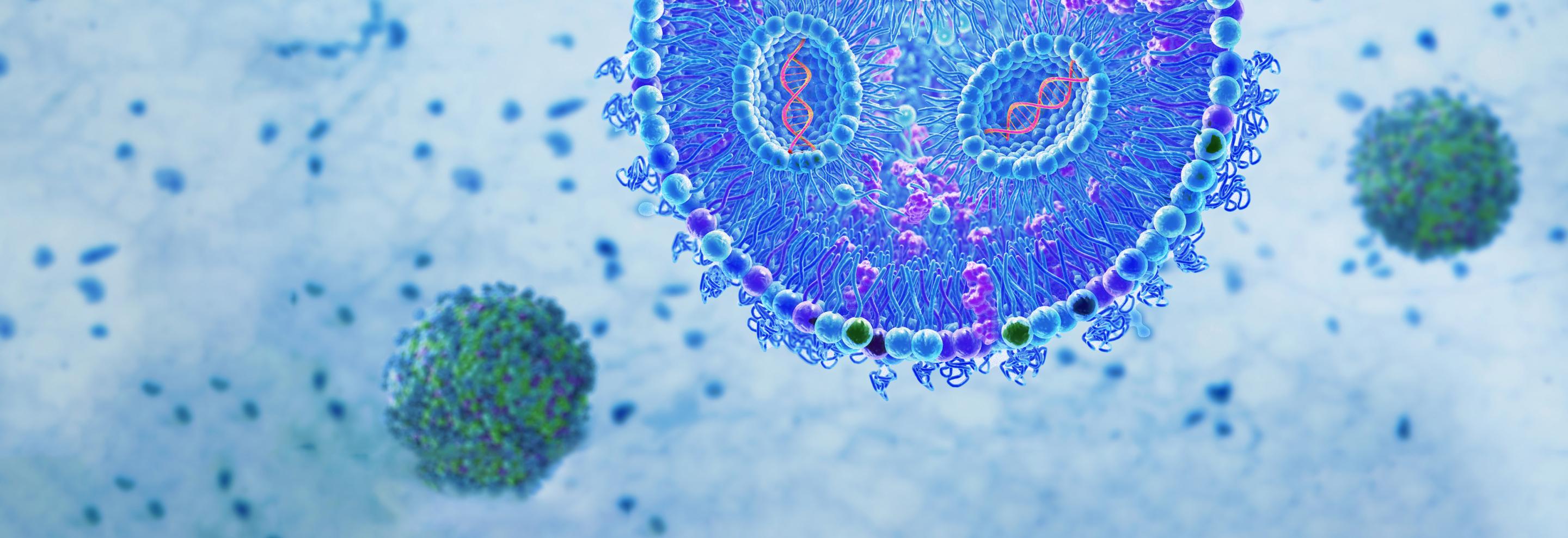
Thousands of messenger RNA (mRNA)-based therapeutics and vaccines are in preclinical and early clinical (phase I) development, and as the sector matures, biopharma companies are seeking CDMO partners that can offer more than just capacity. BioCina combines end-to-end integration, technical depth, and scalable infrastructure to accelerate development of high-quality mRNA–LNP products — ranging from pandemic-scale vaccines to personalized cancer therapies — while reducing cost, complexity, and risk.
Increased Outsourcing Enabling mRNA–LNP Vaccine and Therapy Development
The explosive growth of messenger RNA (mRNA) as a therapeutic modality has spurred a surge of early-stage programs, with thousands of mRNA-based vaccines and treatments now in preclinical or phase I development. Many of these efforts are led by small or emerging biopharma companies that lack in-house manufacturing infrastructure or specialized expertise in nucleic acid therapeutics.
To advance these programs efficiently, developers are increasingly relying on contract development and manufacturing organizations (CDMOs) to support key stages of the journey—from sequence optimization and plasmid DNA (pDNA) production to in vitro transcription (IVT), mRNA purification, and lipid nanoparticle (LNP) encapsulation and formulation. Because these components must work seamlessly together, technical integration and operational alignment are critical to success.
In response to this demand, the CDMO sector has seen both new entrants and incumbent players racing to build capacity. But for mRNA innovators, capability alone isn’t enough. What matters most is finding experienced, end-to-end partners with proven track records, the ability to manage complex modality workflows, and a commitment to quality, speed, and flexibility. The right CDMO can dramatically reduce development risk and accelerate timelines by aligning drug substance and mRNA–LNP drug product workflows under one roof.
Building Forward from Plasmid to mRNA
BioCina’s journey into mRNA-LNP manufacturing builds naturally on its foundation in microbial biologics and plasmid DNA. Prior to its acquisition by Bridgewest Group, the Adelaide facility had already implemented early-phase capabilities for plasmid DNA process and analytical method development. During the COVID-19 pandemic, while still operating under Pfizer, the team gained valuable insights into mRNA technologies, including process development, scale-up, and quality considerations. That period served as a critical inflection point, laying the groundwork for BioCina’s strategic expansion into RNA-based therapeutics.
Following its transition to an independent CDMO, BioCina secured funding through federal and state government grants in Australia to accelerate the buildout of its RNA manufacturing platform. Those funds are now supporting the installation of full GMP capabilities in Adelaide for both clinical and commercial production of mRNA–LNP products.
BioCina’s offering spans from microbial cell line selection and GMP cell banking to GMP-grade plasmid production, IVT, mRNA purification, LNP encapsulation, and aseptic fill-finish. While clients typically provide their own LNP formulations, BioCina contributes technical insights from ongoing sponsored research efforts and offers practical guidance to help improve the stability and manufacturability of encapsulated mRNA products.
By uniting microbial, pDNA, mRNA, and LNP capabilities under one roof, BioCina eliminates handoffs and simplifies the development path, allowing clients to move from concept to clinic with fewer disruptions and more control.
The Case for End-to-End Integration
Partnering with a CDMO that provides fully integrated development and manufacturing services offers tangible advantages, particularly for mRNA–LNP programs, which are technically demanding and time-sensitive. At BioCina’s Adelaide facility, every stage of production takes place at a single site, which eliminates the need to ship intermediates between vendors, saving both time and cost while minimizing risk.
For mRNA-based products, which are inherently unstable and sensitive to temperature fluctuations, this continuity is critical. Avoiding unnecessary freeze–thaw cycles and cold-chain logistics reduces degradation risk and improves the likelihood of delivering high-quality clinical material on schedule.
Equally important is the streamlined project oversight that BioCina offers. Each program is led by a dedicated project manager who remains involved from plasmid to final drug product, ensuring consistent communication, retained process knowledge, and continuity across development phases. Clients also benefit from integrated regulatory support, with end-to-end documentation designed to meet the evolving expectations of global health authorities, supporting both early clinical trial submissions and long-term commercial approvals.
For companies launching first-in-human trials in Australia, BioCina’s model provides additional economic benefits. Sponsors can take advantage of generous tax incentives that reduce the cost burden of early development, a critical factor in today’s constrained funding environment. This combination of technical integration, regulatory alignment, and financial efficiency makes BioCina a powerful partner helping mRNA–LNP developers reach early project milestones rapidly and with confidence.
Seamless Project Continuity, Backed by Scientific Depth
At BioCina, continuity isn’t just a feature of the integrated manufacturing model; it defines how the company supports clients throughout their development journey. Each project is anchored by a dedicated project manager who stays involved from the earliest planning stages through to clinical and commercial production. But consistent support goes beyond project management.
Many of the technical experts working on mRNA and LNP programs have been with BioCina for more than 15 years. Their depth of experience across multiple modalities, combined with long-standing tenure, ensures that process knowledge is retained and transferred across development stages. Clients can trust that the individuals who help design their early-phase processes will remain engaged as their programs progress through scale-up and regulatory submission.
As BioCina expands its capabilities and capacity, the company continues to invest in the next generation of talent. BioCina’s strong relationship with a leading local university’s chemical engineering department provides a direct pipeline to highly skilled graduates with hands-on experience in mRNA process development and LNP encapsulation. Two major collaborative research programs focused on enabling technologies for mRNA–LNP manufacturing are currently underway, involving numerous Ph.D. students who work directly on challenges relevant to BioCina’s platform.
In addition, a structured internship program allows undergraduates to contribute to real-world operational projects, gaining exposure to BioCina’s culture and technologies. For many, it serves as a launchpad into full-time roles, helping ensure they sustain their high-quality workforce as client demand grows. This blend of institutional knowledge and fresh academic insight enables BioCina to deliver stable, expert-driven service across every phase of the development life cycle.
Anticipating the Shift to Personalized mRNA Therapies and Vaccines
Although traditionally cautious, the pharmaceutical industry is increasingly embracing personalized approaches. Among the most promising frontiers is the development of individualized neoantigen mRNA cancer vaccines. These therapies, tailored to the genetic profile of a patient’s tumor, have the potential to transform oncology. However, their promise comes with significant manufacturing and regulatory hurdles.
Because each vaccine is uniquely designed for an individual, it differs from all others in sequence and possibly formulation. As a result, even with frameworks for regulatory standardization, each toxicology study and early-phase clinical trial must accommodate meaningful variations. This complexity challenges conventional GMP strategies that rely on uniform product specifications and process validation at scale.
Manufacturing presents an equally steep challenge. The rapid development of mRNA platforms during the COVID-19 pandemic prioritized population-scale production, but that infrastructure is poorly suited to the ultra-small batch sizes required for personalized therapeutics. Even recent investments in smaller GMP-scale systems do not adequately address the need to manufacture low-milligram quantities of mRNA–LNP products tailored to individuals.
Recognizing this emerging need, BioCina has invested in forward-looking technology development in collaboration with a leading local university’s chemical engineering department. One of two major joint research programs is focused specifically on the design of an integrated microfluidics-based manufacturing platform for personalized mRNA cancer vaccines. This sterile, closed system incorporates robotics, precision pumps, and automated quality control modules to enable template-to-dose production, beginning with plasmid DNA and ending with encapsulated mRNA–LNP product.
Ongoing optimization, validation, and scale-up efforts aim to extend this capability to later-phase clinical programs and ultimately commercial deployment. By investing in purpose-built infrastructure for individualized therapies today, BioCina is helping pave the path toward a more personalized future in medicine.
Beyond mRNA: A Platform for Next-Gen Modalities
Beyond conventional large-scale mRNA vaccines and small-batch personalized therapies, BioCina has built the flexibility to support an expanding array of LNP–based products. These include an expanding range of products that rely on LNPs, liposomes, and similar delivery vehicles for targeted and efficient delivery.
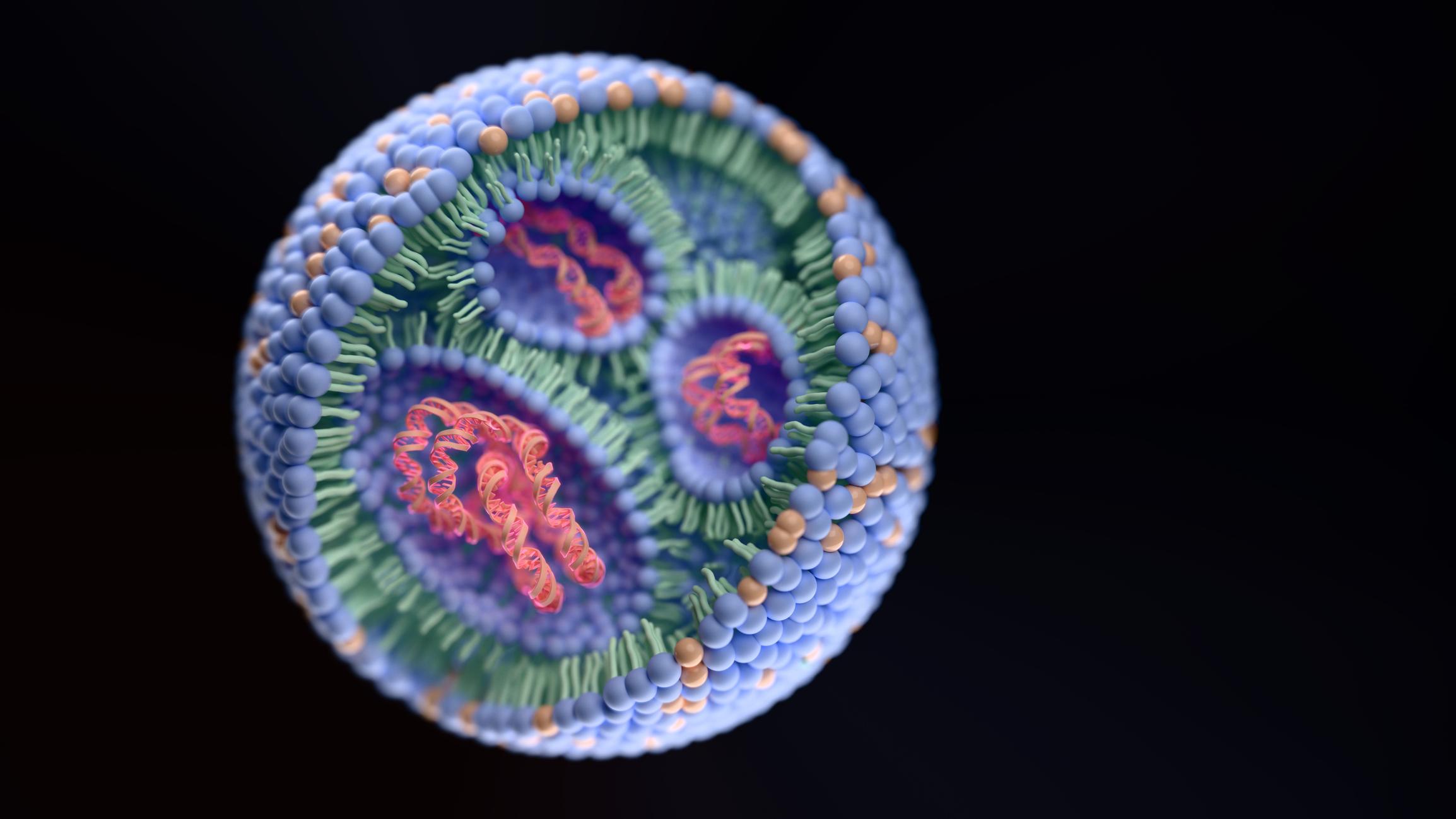
In this evolving landscape, LNPs have emerged not just as a delivery tool but as a platform modality in their own right that enables the clinical viability of diverse nucleic acid therapies. BioCina is actively leveraging its integrated capabilities in pDNA design and production, IVT, and LNP encapsulation to support a wide spectrum of therapeutic applications.
One notable example is in vivo CAR T-cell therapy, an approach that eliminates the need for ex vivo cell manipulation. These therapies require coordinated production of pDNA, minicircle DNA (a BioCina capability), and mRNA, encapsulated in LNPs and conjugated to microbially produced antibody fragments to enable targeted delivery. BioCina’s experience in microbial fermentation, plasmid production, and sterile fill-finish uniquely positions the company to deliver this complex, multi-component system.
Another promising application is mRNA-based protein replacement therapies, in which mRNA is used to transiently express a missing or dysfunctional protein. These therapies demand high-quality nucleic acid synthesis, stringent analytical control, and precise LNP formulation: capabilities BioCina is actively expanding in both volume and sophistication.
By combining deep expertise across microbial, nucleic acid, and LNP technologies, BioCina offers clients a truly end-to-end platform capable of supporting current and next-generation nucleic acid therapies from concept through commercialization.
Preparing the Infrastructure for Innovation
BioCina is actively investing in the infrastructure, partnerships, and research needed to meet both current and future demands in the mRNA and oligonucleotide therapeutics space. One key area of focus is improving the stability of mRNA–LNP formulations, a critical factor for real-world deployment of mRNA-based drugs and vaccines.
Through a second collaborative research program with a local university, BioCina is exploring new approaches to extend shelf life and enable storage and shipping at more practical temperatures. Researchers are evaluating alternative lipid compositions, including novel ionizable lipids, and early findings suggest that the stability of mRNA–LNP behaves differently than that of traditional protein-based formulations. This emerging understanding could lead to more robust mRNA-based products, with direct benefits for both personalized and large-scale applications.
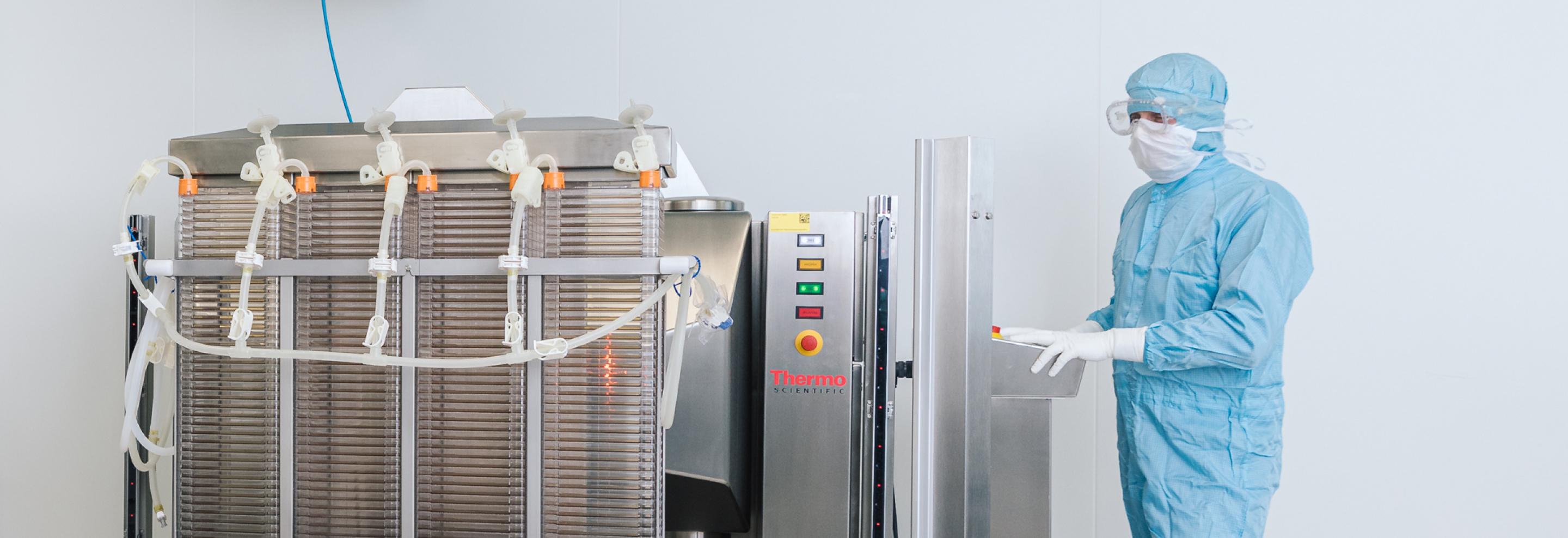
On the manufacturing side, BioCina is building new dedicated cleanrooms for GMP mRNA–LNP production at its Adelaide facility. These suites will house a Cytiva FlexFactory™ equipment train, offering built-in modularity and scalability. The facility will support production volumes from 100 mL to 5 L initially, with the ability to scale up to 50 L for pandemic-response or other high-volume needs. The design allows for seamless expansion by adding equipment, ensuring BioCina can adapt to shifting client and market demands.
BioCina is also supporting pipeline innovation through strategic partnerships. One example is its collaboration with Centivax, Inc., providing cell line development, cell banking, and GMP plasmid DNA manufacturing in support of Cent-Flu, a universal influenza vaccine composed of 22 distinct mRNA sequences delivered via LNPs.
Together, these investments in platform flexibility, scientific advancement, and strategic collaboration underscore BioCina’s commitment to supporting a full range of nucleic acid programs, from early-phase clinical studies to commercial-scale supply. Whether clients are developing highly personalized cancer vaccines or multivalent infectious disease therapies, BioCina is positioned to meet their evolving needs with speed, scientific insight, and operational reliability.