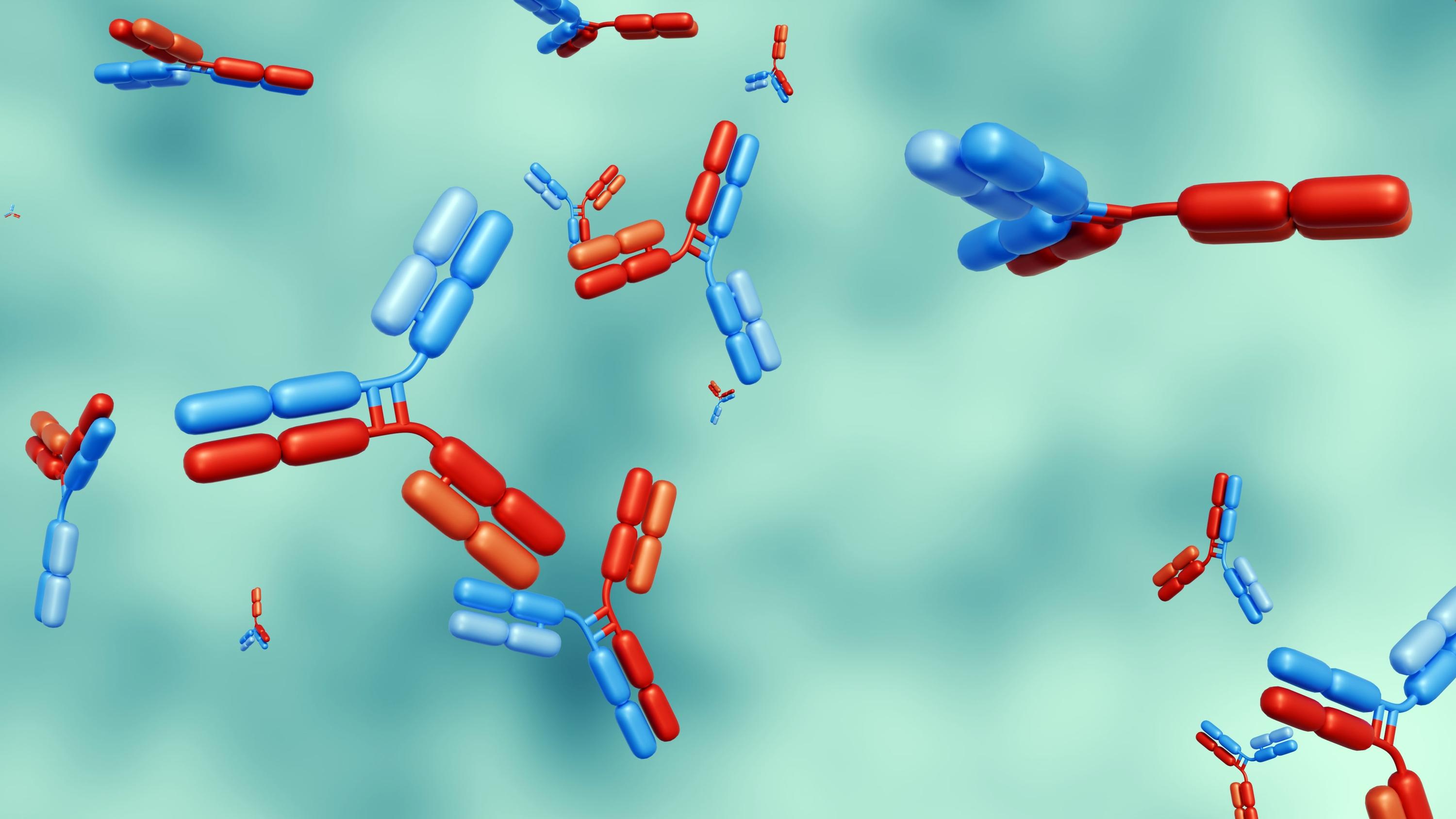
Avidicure, a new biotech company developing a pioneering multifunctional antibody modality with broad applicability in oncology, launched in April 2025 with $50 million in seed financing. The company’s co-founders — Robert Friesen, Chief Science Officer, Govert Schouten, Chief Business Officer, and Arthur Lahr, Chief Executive Officer—are old friends with decades of experience in biotech and pharma. Here, they share how mutual trust, shared excitement about novel science, ambition to make a difference for cancer patients and months of Wednesday night dinners led to a completely new potential therapy, excited investors, and 30 employees helping move the technology forward.
Q: Your resumes are filled with leadership roles in large biotech and pharma firms. You worked together at Crucell (now Johnson & Johnson) and then at Kiadis (now Sanofi). What made you decide to join forces and start a new company together?
Arthur Lahr (AL): For me, the reasons were very simple. After Kiadis was purchased, I felt we were leaving behind important unfinished business. I thought we should channel our experience and our knowledge about immune cells and antibodies into building a new biotech. Equally importantly, I wanted to work again with Robert and Govert! Jointly brainstorming science and new opportunities always energized me massively, and new ideas would always start to flow automatically whenever we were in the same room. These are the people I wanted to work with. I knew we could jointly create amazing new science and build a unique biotech.
Govert Schouten (GS): I wanted to work again with Arthur because he is one of the most knowledgeable professionals I know, always stimulated me to outperform myself, and always kept his promises. He’s one of the few people in the industry I trust blindly. At Crucell, I saw Robert’s exceptional work in vaccines and antibodies. He is a deep thinker who grasps the whole ecosystem of a biological event, and I was impressed with his knowledge of immune cell biology and antibody design. As a businessperson, I saw the opportunity inherent in developing an immunotherapy that is simple and easy to administer to a human being, and Robert knew how to find the biological solution to the problem. Given the trust between the three of us, it was a very easy decision to start a new company.
Robert Friesen (RF): We had respect and trust built over the years, the needed complementary experience, and the guts to start from scratch. Over lunch one day, we talked about putting everything we know from scientific and business perspectives into doing something new and special. “Let’s not settle for a small incremental improvement — let’s shoot for the stars.” We envisioned what the new company could be, starting from scratch. Based on our experience, we decided to focus on treating solid tumors, one of the biggest current challenges in medicine, and we started to build it up from there.
Q: Before you could get seed funding or build a new company, you needed to engineer a molecule that could potentially be used to treat solid tumors. Take us through that process.
RF: We started meeting at our houses every Wednesday evening. The host had to cook dinner. Those evenings were a lot of fun, but also serious. I was slowly developing and writing ideas on paper, while Arthur was typing away behind his computer. Then we’d go home, read, think, research, and come back ready the next week.
AL: Essentially, we combined Robert’s 30 years of unique experience engineering antibodies with knowledge about how to activate the immune system. Robert started sketching things, both at a conceptual level as well as deep down into fundamental science, at a level beyond the grasp of most in the field (including of me!). We discussed the challenges with the molecule, and at that point Robert made clear to us that avidity optimization would become the key to success. This is why the name Avidicure merges “avidity” and “cure.”
Q: You engineered what your company refers to as a “multifunctional antibody modality.” How is this molecule designed to treat solid tumors?
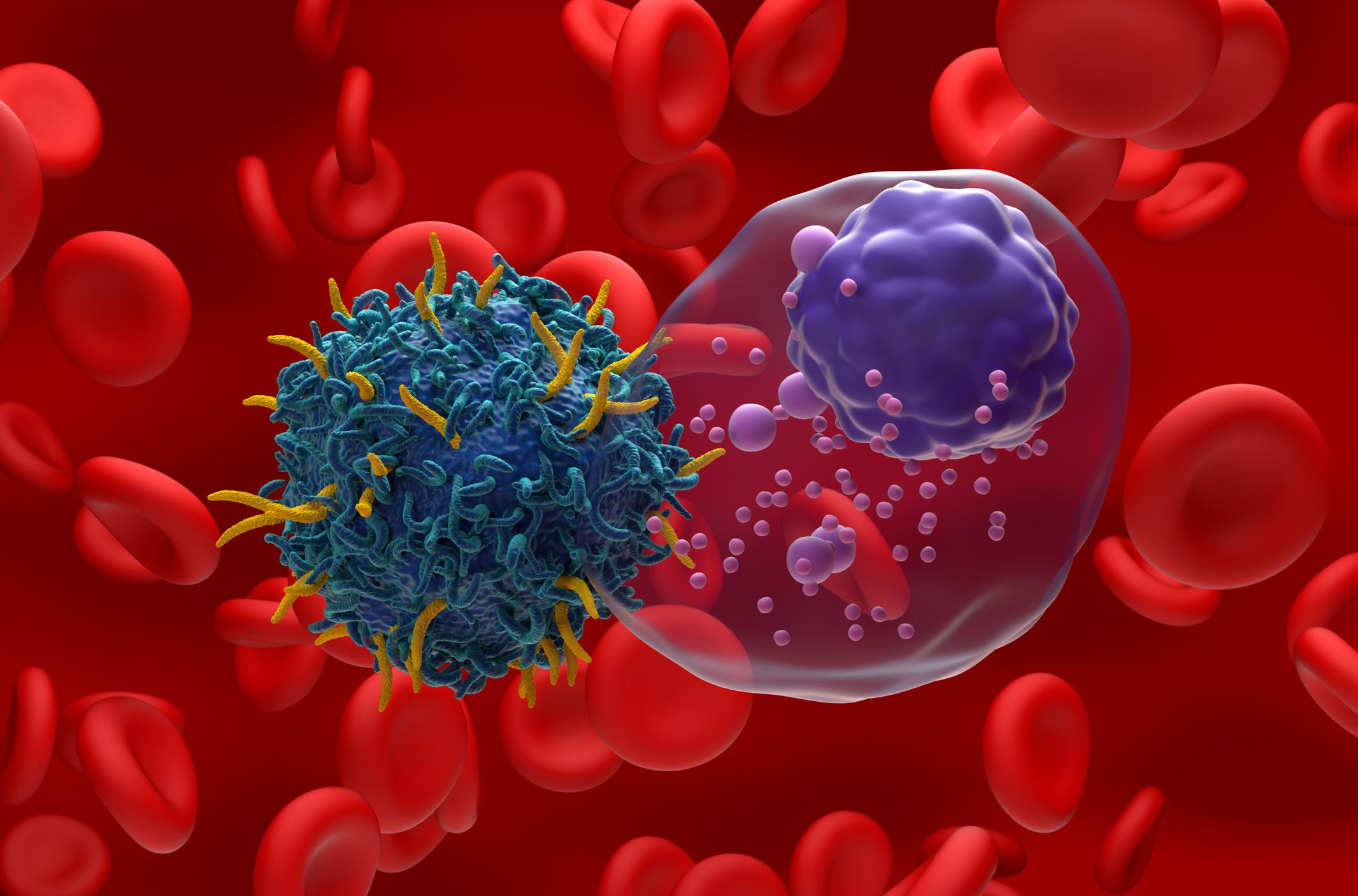
RF: For a patient with cancer, the tumor is already winning. The immune system is exhausted. How can we return the immune system to a state where it can find and attack the tumor? At the site of the solid tumor, we need to stimulate the innate immune cells to proliferate and become hyperfunctional, such that they stimulate and activate the rest of the immune system as well. It sounds like a silver bullet, but that’s exactly what we’ve done. We engineered molecules with the mechanisms to achieve this basic concept. These Avidity-engineered antibodies are called AVC-Boosters.
AL: Current antibody therapies for cancer are essentially all based on rather limited mechanisms: checkpoint inhibitors just take away a single brake on the immune system, T cell engagers drive T cells to ruthlessly kill all cells that express a target whether healthy or not, and ADCs function like targeted chemo. The need to activate the full immune system to treat cancer is widely recognized, and the need to trigger multiple signals to properly activate immune cells has also been known in basic biology for years. But no one was ever able to translate it into an antibody therapy. In our AVC-Booster, we have added two functional stimulatory domains to a proven antibody construct, combining all required mechanisms to properly drive full immune system activation. It’s a potential game changer, and so far we are the only ones that have been able to create this type of dual agonistic antibody, so we believe we’re several years ahead of the curve.
Q: Others see the potential as well. What can you share about the process of getting initial investors and seed funding?
GS: At some point, we could not shoot holes in the molecule’s concept anymore—it was bulletproof. We took that bulletproof concept and built a business plan on 5 slides.
AL: We had an idea that we hadn’t even patented yet, and we had no data. But we went to an investor who had known us for decades, Oskar Slotboom at BGV, which is the largest seed investor in Europe. They gave us first $4 million in a convertible loan. We used that to incorporate the company, start filing patents, and outsource the research and production to get the IP enabled. We have since expanded our funding with a great syndicate of investors and closed our $50 million seed.
RF: Our experience opened the door, and I think that the logic of our new concept and its potential benefit for patients also worked very strongly in our favor. The initial investor knew the field, so when we defined the logic of our approach, they liked it despite our not yet having data or patents. The initial investment let us move forward with engineering and development and eventually pursue the first round of seed funding.
Q: Avidicure presented preclinical data at two major oncology meetings in 2025. What has the data shown so far, and what’s next?
RF: It’s early, but all experiments are consistently pointing to what we envisioned in the beginning. Some of the most exciting data shows the AVC-Booster stimulating immediate killing of patient tumor material in ex vivo models. We have our challenges, like selecting the right models and CROs, but we have had little challenges with the molecules themselves: the design works.
GS: We’ve been drilling into the biological principles of the invention, and every preclinical study result has been positive. That’s extremely unusual in biology. In mouse models, we’ve seen tumor reduction as the immune system became much more functional.
AL: The biology has been confirmed step by step since we started, with the concept working according to Robert’s designs. We have been using state of the art AI and in silico techniques to optimize our molecules and tested our lead candidates in all the customary preclinical models. And we have now selected and are developing our first lead candidate, AVC-S-101, a TROP2-targeting booster for non-small cell lung cancer and other cancers.
At the same time, we’ve moved forward with building the company. We’ve been previously involved in every phase of a biotech — discovery, preclinical, manufacturing, clinical trials phase I to III, commercial — and we know that to move fast and be successful, you need to build the right team with expertise in different areas and build the right culture and mindset. Now we have a unique team with over 30 hand-picked employees with the right mix of skills. We have a fundamentally novel platform with data to back up all the concepts. And we are well financed. Avidicure is moving like a dream.